Owen Bradley
 Every January, a perfectly good set of lights gets stuffed into a bag, and every December it comes out as a knotted ball with three broken bulbs. Tangles are not bad luck; they are the predictable result of loose coiling and unprotected storage. Learning how to store Christmas lights properly takes one extra afternoon at takedown and saves hours of untangling, plus the cost of replacing strings that failed in the box rather than on the tree. This guide covers the wrapping methods that actually hold, the containers worth using, and the storage conditions that keep wire flexible from one 2026 to the next.
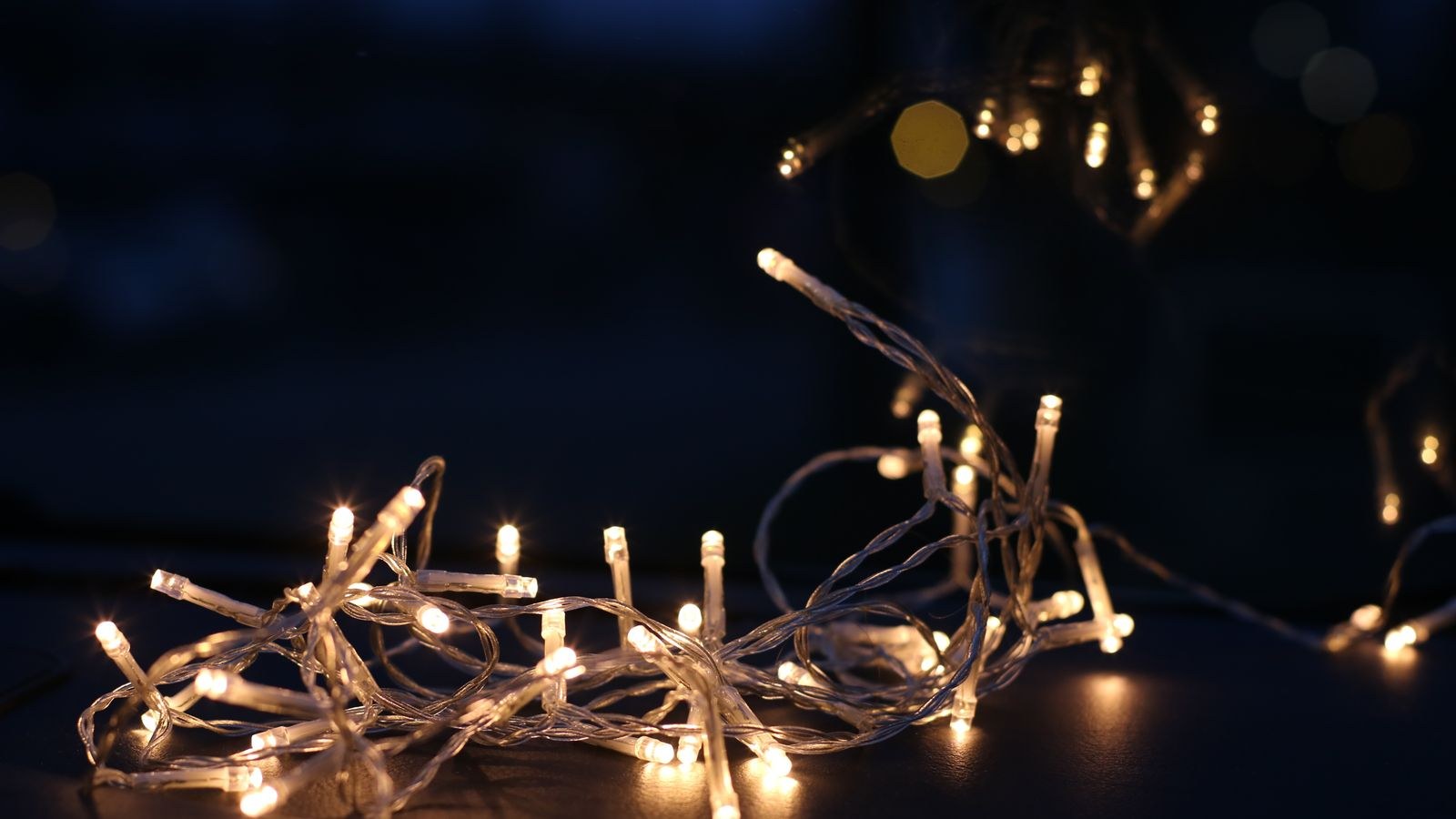
Why Lights Tangle and Break in Storage
A loose coil of wire behaves like a spring. Every time the container shifts, the coil relaxes, opens, and threads itself through neighboring loops. Add a second strand to the same bag and the two braid together on their own. The fix is mechanical rather than magical: if the wire cannot move relative to itself, it cannot tangle.
Breakage has a separate cause. Bulbs sit proud of the wire, so any coil that presses bulbs against bulbs concentrates force on fragile glass and plastic. Cold garages make plastic brittle, heat softens insulation, and humidity corrodes socket contacts. Solving tangles and solving breakage require slightly different tactics, and a good storage routine handles both.
What You Need Before You Start
- Storage reels, cord winders, or stiff cardboard rectangles cut roughly 12 by 8 inches.
- Lidded plastic bins rather than cardboard boxes, which absorb moisture and collapse.
- Hook-and-loop cable straps or twist ties to secure the finished coil.
- Masking tape and a marker, or printed labels, for identifying each strand.
- Zip-top bags for spare bulbs, fuses, clips, and stakes.
- Old towels or bubble wrap to cushion delicate or oversized bulbs.
Step-by-Step: Storing Christmas Lights Tangle-Free
- Take lights down before you store them, not after a storm. Remove clips and stakes with the strand still supported so you never pull the wire itself. Yanking a strand off a gutter line stresses every socket along the run and is the most common source of hidden damage.
- Test each strand while it is still accessible. Plug it in one last time and confirm every section lights. Fixing a dead section now, with the strand laid out on the floor, is far easier than discovering the failure next December when you are already on a ladder. Mark any strand that needs work.
- Clean and dry the strands. Wipe outdoor strings with a dry cloth to remove grit, sap, and cobwebs, and let them dry completely before boxing. Storing damp lights invites corrosion in the sockets, which is the leading cause of strands that worked in January and failed in December.
- Choose a winding method and stick to it. Consistency matters more than which technique you pick. Wrap around a reel, a cord winder, or a cardboard rectangle with notches cut in each short end. The goal is a firm wrap where each turn presses against the last and cannot loosen.
- Start at the female end and wind toward the plug. Winding in a consistent direction means next year you unwind starting at the male plug, which is the end you need to reach the outlet first. It sounds trivial until you have unwound a hundred feet backward.
- Keep the wraps flat and side by side. Lay each turn next to the previous one instead of piling turns on top of each other. Overlapping wraps crush bulbs and create the pressure points that crack glass in storage.
- Secure the free end. Slip the plug into a notch, tuck it under the last few wraps, or cinch a hook-and-loop strap around the whole bundle. An unsecured end is the seed of every tangle, because it unwinds first and then finds its neighbor.
- Label every bundle immediately. Write the length, the color, and where the strand goes, such as “25 ft warm white, front porch rail.” Labeling at takedown, while you still remember the layout, turns next year’s setup into a lookup instead of a puzzle.
- Bag or wrap fragile bulbs. Large C7 and C9 bulbs, glass ornament-style bulbs, and novelty shapes deserve their own padded compartment. Remove them from the strand if the sockets allow it and store them in an egg carton or a divided bin.
- Pack bundles into a lidded bin, standing on edge. Storing coils vertically like files, rather than stacked flat, keeps weight off the bulbs and makes any strand easy to pull without disturbing the rest. Fill dead space with towels so nothing shifts in transit.

Comparing the Main Winding Methods
Cardboard Rectangle Wrap
Cut a stiff rectangle from an old box and notch each short end. Slot the plug into one notch and wrap the strand around the long axis. It costs nothing, holds the coil firmly, and stacks flat in a bin. The downside is that cardboard softens with humidity, so replace the rectangles every few seasons.
Dedicated Storage Reels
Plastic reels made for light strands are the fastest option and the kindest to the wire, since the drum keeps the bend radius wide. Many include a lidded case that doubles as the storage container. They cost more and take up more bin space, but for long outdoor runs they are worth it.
The Over-Under Loop
Borrowed from stage crews, this method alternates a normal loop with a reversed loop so the wire’s natural twist cancels out. Done correctly, the coil drops open without a single kink. It takes practice, and it works best on heavier gauge outdoor strands rather than thin indoor wire.
Original Packaging
The box a strand came in is sized correctly and often includes a cardboard insert. It works well for the first season or two, then the box tears. If you like this approach, transfer the insert to a plastic bin once the box gives out.
Choosing the Right Storage Container
Plastic bins with locking lids beat every alternative for light storage. They resist moisture, stack safely, and keep rodents out, which matters more than most people expect because mice chew insulation for nesting material. Clear bins let you see contents without opening, while opaque bins protect plastic components from any incidental light exposure.
Size the bin to your collection rather than buying the largest one available. A bin so heavy you dread lifting it encourages sloppy packing next year. Two medium bins, one for indoor strands and one for outdoor runs, keeps the sorting logic obvious. If your collection has outgrown its containers, that is often a sign it is time to consolidate onto fewer, longer runs of durable LED string lights instead of splicing many short strands together.
Where to Store the Bin
Temperature swings are the enemy of wire insulation and plastic sockets. An unheated attic in a hot climate can exceed 130 degrees in summer, which softens jacketing and accelerates aging. A damp basement corner invites corrosion. The best storage spot is a conditioned interior closet, an insulated garage cabinet, or a shelf in a dry utility room.
If an attic or garage is your only option, raise the bin off the concrete floor onto a shelf or pallet, keep it away from exterior walls, and add a silica gel desiccant pack inside. Those three changes address the majority of climate-related failures.
Storing Pre-Lit Trees, Wreaths, and Garlands
Pre-lit items need a different approach because the lights are not removable. Compress branches gently toward the trunk rather than crushing them, then slide the tree into a purpose-made storage bag with a wide bottom. Never wrap tape or cord directly around the light wire on the branches.
Wreaths and garlands store best hanging or lying flat in a shallow bin, not stacked under heavier items. Weight on a pre-lit garland breaks sockets you cannot easily replace. If your pre-lit tree has developed dead sections that will not respond to repair, replacing it is usually more practical than rewiring, and current pre-lit artificial Christmas trees use far more reliable LED wiring than older models.
Common Storage Mistakes
Wrapping lights around your elbow and hand creates a loose, uneven coil that unravels the moment it moves; it is the single most common cause of tangles. Bundling multiple strands together in one wrap guarantees braiding, so give every strand its own coil. Using thin plastic grocery bags offers no crush protection and tears in storage.
Two other mistakes cost real money. Storing strands still attached to clips, stakes, or hooks bends the wire around hard points all year. And skipping the labeling step means next season you plug in and test everything anyway, which defeats the purpose of the careful testing you did at takedown.
A Quick End-of-Season Checklist
- Test every strand before it goes in the bin, and tag anything that failed.
- Wipe and fully dry all outdoor strands.
- Wind each strand separately on a reel or cardboard form, plug end last.
- Secure the loose end with a strap so the coil cannot open.
- Label length, color, and location on each bundle.
- Bag clips, stakes, spare bulbs, and fuses in the same bin.
- Store bins off the floor in the most climate-stable space you have.
Frequently Asked Questions
What is the fastest way to store lights without tangles?
Wrap each strand around a notched cardboard rectangle or a plastic reel, secure the plug end, and store the bundles standing on edge in a lidded bin. One strand per form, every time.
Can I store Christmas lights in the garage?
Yes, if the bin is sealed, raised off the concrete, and kept away from exterior walls. Add a desiccant pack, and avoid unheated attics in very hot climates where insulation degrades faster.
Should I remove bulbs before storing?
Only the large or fragile ones. Removing mini-bulbs is unnecessary and risks bending the leads. Large C9 and novelty bulbs benefit from separate padded storage.
How long should a stored light strand last?
Well-stored LED strands frequently run many seasons, while incandescent strings age faster. Corrosion and brittle wire from poor storage, not bulb life, usually decide when a strand retires.
Is it worth labeling every strand?
Yes. Labels record length, color, and placement while the layout is fresh in your memory, which turns next season’s install into a straightforward job instead of a trial-and-error afternoon. It also flags which sets of outdoor Christmas lights handle which run, so you never come up short on length.
Final Thoughts
Tangle-free storage is a system, not a trick. Test, clean, wind one strand per form, secure the end, label it, and pack the bundles upright in a sealed bin kept somewhere stable. The routine adds maybe thirty minutes to takedown and removes the worst hour of next year’s decorating. Do it once and the habit sticks, because the payoff arrives the moment you lift the lid and every strand comes out straight, labeled, and still working. Investing in quality Christmas light sets makes that routine even more worthwhile, since good strands reward careful handling with many years of service.