Owen Bradley
 The most dangerous fire is the one nobody hears. A conventional alarm screams at an empty house, and a chirping low-battery warning at two in the morning gets ripped off the ceiling and never replaced. A smart smoke alarm addresses both failures: it pushes an alert to your phone wherever you are, tells you which room triggered it, and lets you silence a burnt-toast false alarm from your pocket instead of from a wobbly chair. Add carbon monoxide sensing and the same device covers the invisible hazard that kills silently every winter. This guide explains the sensor technologies, the interconnect options, power choices, and the running costs so you can protect a whole house without overspending.
What Makes a Smoke Alarm Smart
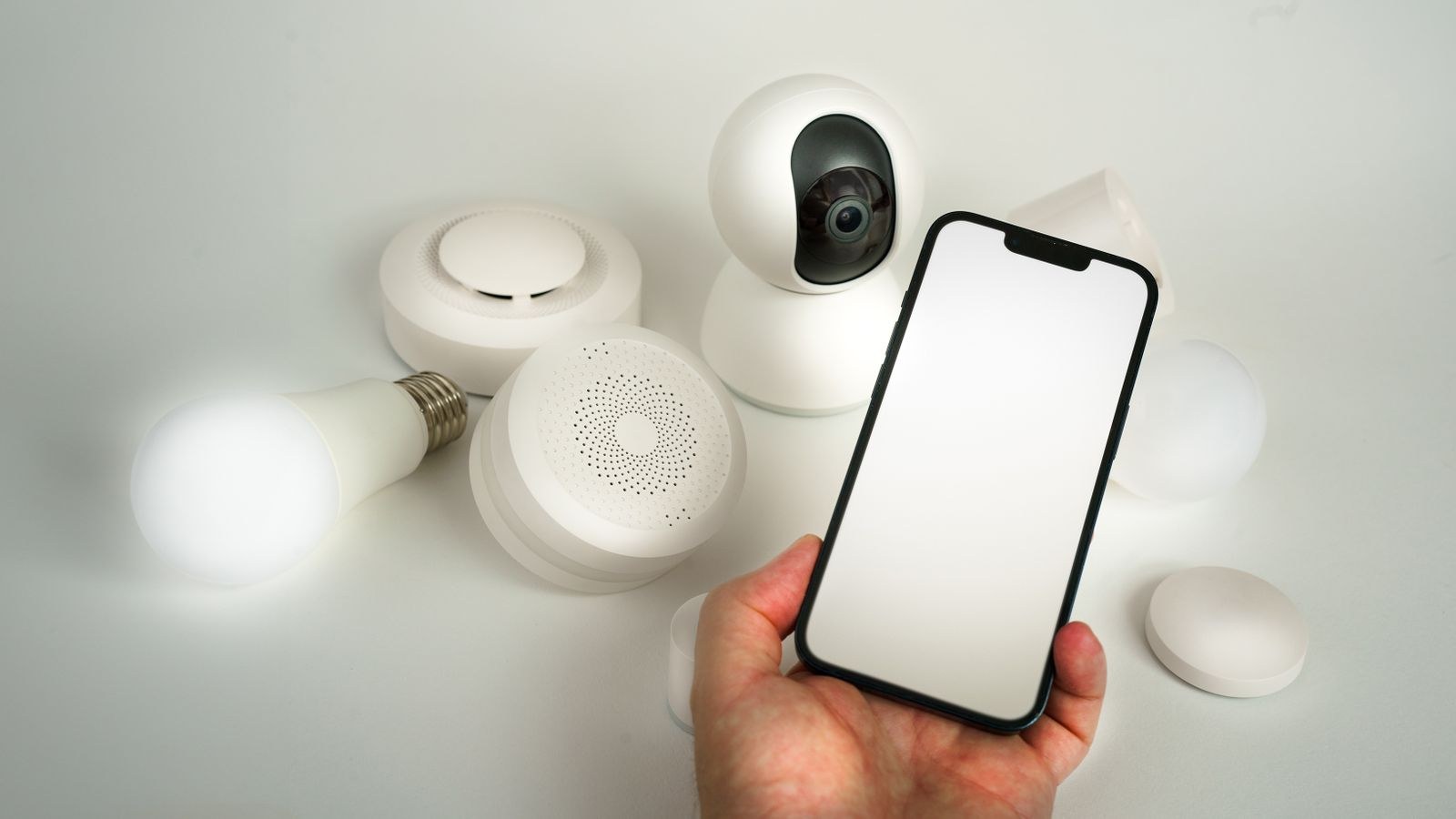
The detection hardware inside a smart alarm is broadly the same as in a good conventional unit. What changes is everything around it. A radio, usually Wi-Fi and increasingly Thread, connects the alarm to your network so it can send push notifications, announce a spoken warning naming the affected room, log events in an app, and report its own health.
Self-testing is the underrated feature. Smart alarms check their sensors, battery, and radio automatically, often several times a day, and tell you in the app when something needs attention rather than waiting to chirp at 3am. Many also give a polite spoken heads-up in the evening instead of a piercing beep in the middle of the night. For households that historically ignored maintenance, this alone is worth the upgrade.
Sensor Types and Why They Matter
Photoelectric Detection
A photoelectric sensor shines a light beam inside a chamber and watches for scattering caused by smoke particles. It responds fastest to smouldering fires, the slow, smoky kind that starts in upholstery, bedding, or an overloaded extension lead and produces thick smoke long before flames. Because most fatal house fires start this way while people sleep, photoelectric detection is the priority for bedrooms and hallways.
Ionization Detection
An ionization sensor uses a tiny radioactive source to ionize air in a chamber, and smoke particles disrupt the resulting current. It reacts faster to fast-flaming fires with small particles, such as a grease fire or burning paper. Its weakness is nuisance sensitivity: ionization alarms are the ones most likely to shriek when you sear a steak, which leads to units being disabled.
Dual Sensor and Split Spectrum
Because the two technologies cover different fire profiles, many quality alarms include both, or use a split-spectrum photoelectric sensor with two light wavelengths that approximates dual coverage in a single chamber. If you are buying one alarm per room and want to stop thinking about it, dual sensing is the safe default. Fire safety bodies broadly recommend having both detection types present in a home, whether in combined units or by mixing alarm types across rooms.
Carbon Monoxide Sensing
CO is a completely separate hazard produced by incomplete combustion from furnaces, gas water heaters, fireplaces, and attached garages. It is odourless and causes symptoms easily mistaken for flu. A combined smoke and CO alarm saves a ceiling fitting and a purchase, but note that CO sensors have a finite chemical life, typically seven to ten years, after which the whole unit must be replaced regardless of how the smoke sensor is doing. Any home with gas appliances, an attached garage, or a fuel-burning heater needs CO coverage, and the dedicated options in the best carbon monoxide alarms are worth comparing if you already have adequate smoke detection.
Power: Battery, Hardwired, or Sealed
Battery-only alarms are the easiest to fit anywhere, need no electrician, and keep working in a power cut. The cost is battery management, and Wi-Fi radios drain cells much faster than a conventional alarm, so expect to service them more often than you would a dumb unit.
Hardwired alarms draw mains power from a ceiling circuit and keep a backup battery for outages. They are the right choice if your home already has alarm wiring, since they never run flat and support traditional wired interconnect. Installation is a straightforward swap if a compatible base exists, though wiring colours and connector types vary, so check compatibility before ordering.
Sealed ten-year alarms use a lithium cell rated for the unit’s entire service life, then get replaced whole. They eliminate battery changes and tampering, which is why many jurisdictions now require them in rentals. The tradeoff is that a single failure means binning the device. Check your local building code before choosing, because many areas now mandate either hardwiring or sealed batteries in new and renovated dwellings.
Interconnect: The Feature That Saves Lives
Interconnect means that when one alarm detects a fire, every alarm in the house sounds. A basement fire should wake someone on the second floor, and without interconnect it may not. This is a code requirement in most new construction and the single most important specification after sensor type.
There are three approaches. Wired interconnect uses a third traveller wire between hardwired alarms and is the most reliable, but only works where that wiring exists. Wireless interconnect uses a proprietary radio between units of the same brand and family, which is why mixing brands rarely works. App-based interconnect relies on your network and cloud, which is fine for notifications but should never be your only linkage, because an internet outage must not silence your safety chain. Prioritize a system with wired or radio interconnect and treat the app as a bonus layer. The models gathered in the best smart smoke alarms make it easy to see which families interconnect natively.
Placement and How Many You Need
- One alarm inside every bedroom, because a closed door can delay a hallway alarm from waking a sleeper.
- One in the hallway outside each sleeping area.
- At least one on every storey, including basements and finished attics.
- CO coverage on every level and within about 10 feet of each sleeping area, plus near any fuel-burning appliance.
- Ceiling mounting is preferred; on a wall, position within 12 inches of the ceiling where smoke collects.
Keep alarms at least 10 feet from a cooker and a few feet from bathroom doors to reduce steam and cooking nuisance trips. Avoid the dead air space in the apex of a peaked ceiling and never mount within a few feet of an HVAC vent or ceiling fan, since airflow can push smoke away from the sensor.
Subscriptions and Ongoing Costs
Most smart alarms deliver push notifications with no subscription, and you should be suspicious of any that paywall the basic alert. Where fees appear is professional monitoring, where a call centre receives the alarm and dispatches the fire service if you do not respond. That service typically bills monthly and can be genuinely valuable for holiday homes, rental properties, or anyone who travels frequently.
Factor in replacement cadence too. Smoke sensors are rated for about ten years from the date of manufacture, and combined CO units often for seven. Check the printed date on the back, not the purchase date, since stock can sit in a warehouse. Across a whole house, replacement every decade is a real budget line worth planning for.
Budget Tiers
Entry level covers a Wi-Fi battery alarm with photoelectric sensing and app alerts, adequate for a flat or a single problem room. Mid tier adds dual or split-spectrum sensing, combined CO, spoken room-specific alerts, and reliable wireless interconnect across a family of units. Upper tier brings hardwired installation, hub integration, emergency lighting, and optional professional monitoring. A practical compromise many homeowners use is one smart alarm in the hallway and on the landing, with conventional interconnected units elsewhere, though this only works if the whole set shares an interconnect standard.
Compatibility and Whole-Home Integration
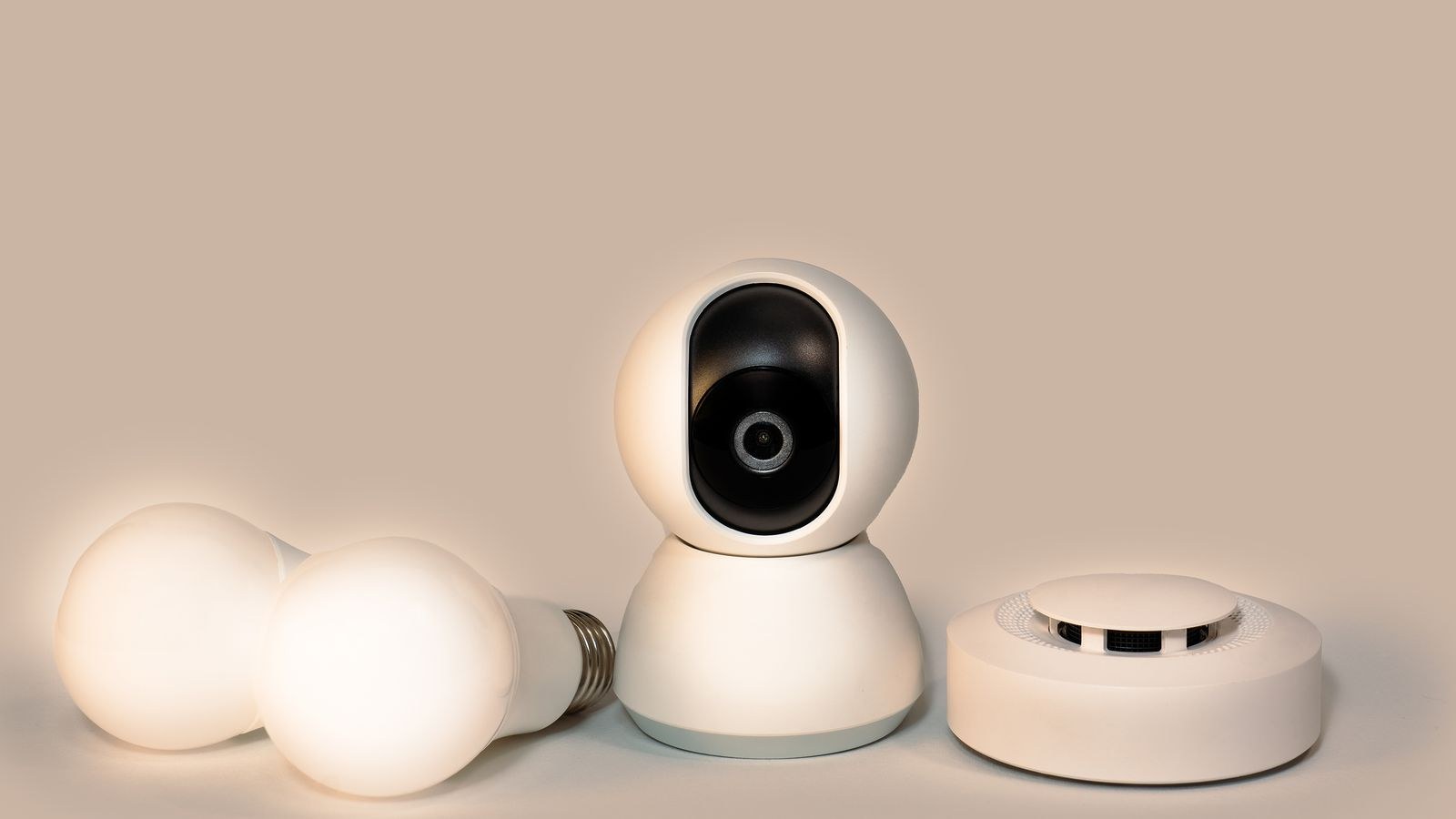
A smart alarm becomes more useful when other devices react to it. A smoke event can unlock smart locks on exit routes, turn every light to full brightness, shut down an HVAC system so it stops circulating smoke, and start a camera recording. Confirm before purchase that your alarm exposes its state to your platform rather than keeping it inside a closed app, since many safety devices are deliberately locked down. Comparing the best smart smoke and carbon monoxide detectors alongside the best WiFi smoke detectors is the quickest way to see which models expose events to third-party automations.
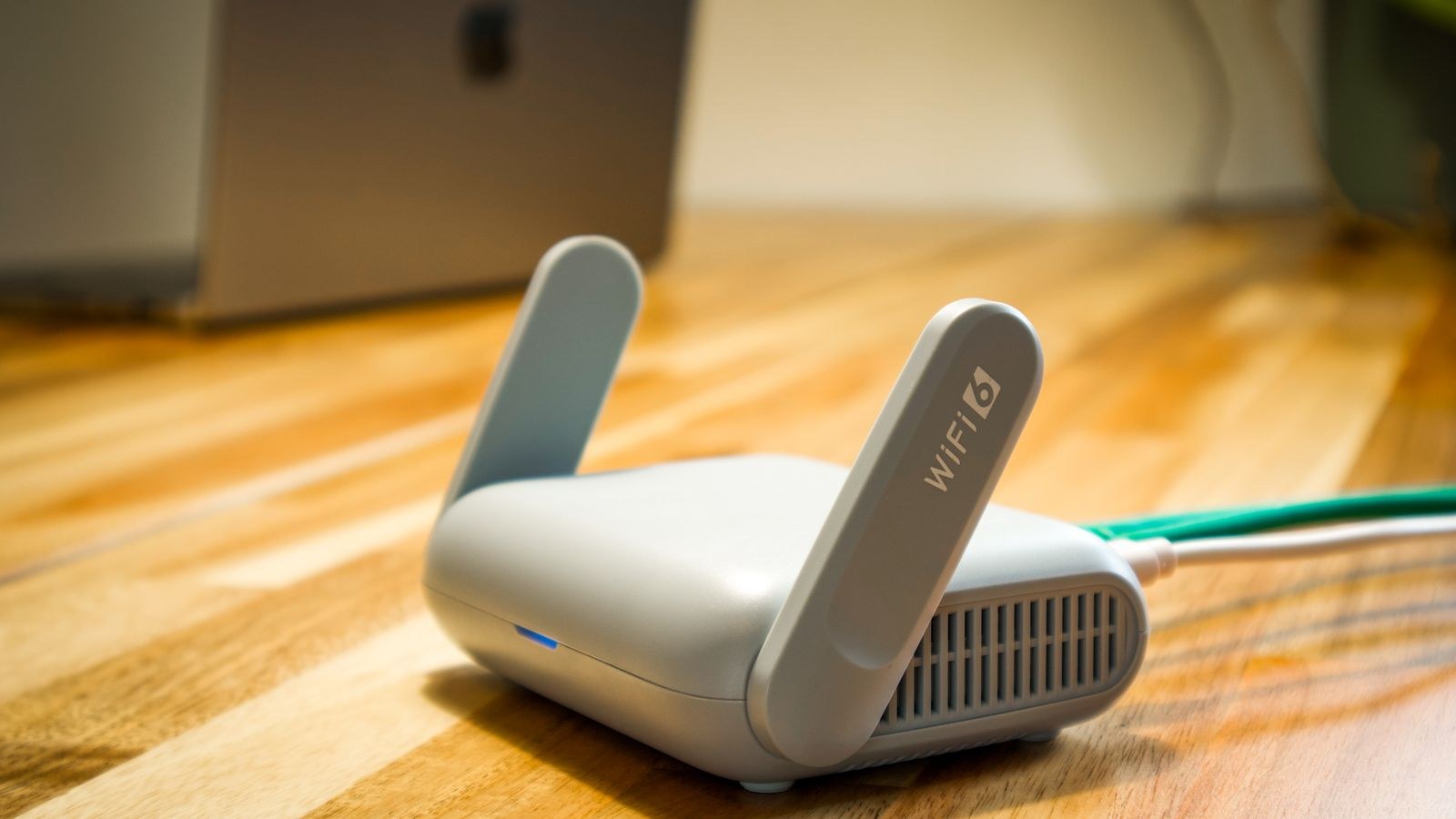
Also check your Wi-Fi. Many smart alarms connect only on the 2.4GHz band, which is helpful for range but requires your router to broadcast that band, sometimes on a separate network name. Weak signal in a basement or a detached garage is a common cause of alarms that go offline and quietly stop notifying. If parts of your home are patchy, fix coverage before adding safety devices that depend on it, and keep a conventional interconnected unit as a backstop. For homes where budget is tight, a solid set of the best smoke alarms with wired interconnect still outperforms one lone smart device.
Mistakes to Avoid
The most common error is relying solely on app notifications. A phone on silent, a dead battery, or an internet outage all break that chain, so the local siren and physical interconnect must always be the primary defence. The second is mixing brands and assuming they will interconnect wirelessly, which almost never works and leaves you with isolated islands of protection.
A third mistake is installing alarms in nuisance-prone locations and then disabling them after a few false trips. Move the alarm rather than muting it. Finally, many people never check the manufacture date and unknowingly keep alarms past their rated life, where sensor drift makes them unreliable. Write the replacement year on the unit with a marker when you install it.
Frequently Asked Questions
Do smart smoke alarms work during an internet outage?
Yes for local sounding and for hardwired or radio interconnect. You lose phone notifications until connectivity returns, which is why interconnect matters more than the app.
Can I mix smart and conventional alarms in one house?
You can, but they must share an interconnect method to sound together. Wired interconnect on a shared circuit is the usual way to make a mixed set behave as one system.
How often should I test them?
Press the test button monthly even if the device self-tests, and replace the whole unit at the end of its rated service life. Vacuum the exterior vents a couple of times a year to clear dust.
Is a combined smoke and CO unit better than separate ones?
Combined units save space and money, but the shorter CO sensor life shortens the whole device’s life. Separate units let you replace each on its own schedule and place CO detectors nearer fuel appliances.
Do I still need CO alarms in an all-electric home?
Risk is much lower, but an attached garage, a wood stove, or a fireplace still produces carbon monoxide. If none of those exist, CO coverage becomes optional rather than essential.
Final Thoughts
Buy for detection first and connectivity second. Ensure every sleeping area is covered, that the alarms genuinely interconnect by wire or radio rather than only through an app, and that both smouldering and flaming fire profiles are detected. Add carbon monoxide sensing anywhere combustion happens. Only after those boxes are ticked should features like spoken alerts and platform integration influence the decision.
Whichever units you choose, log the installation date, put the replacement year in your calendar, and test monthly. A well-placed, properly interconnected set of alarms is one of the highest-value safety investments in any home, and getting it right in 2026 means you can stop thinking about it for the next decade.