Owen Bradley
 A night light is a five-dollar product that can either protect your sleep or quietly wreck it. Choose an amber, low-output unit and you get safe passage to the bathroom without ever fully waking. Choose a bright cool-white one and you get a device that suppresses melatonin, glares in dark-adapted eyes, and makes it harder to fall back asleep. The gap between those two outcomes comes down to a few specifications almost nobody reads on the package. This night light buying guide walks through the types available, the brightness and color numbers that actually matter, and where to place lights in hallways, children’s rooms and bathrooms so they do the job without becoming a nuisance.
What a Night Light Is Really For
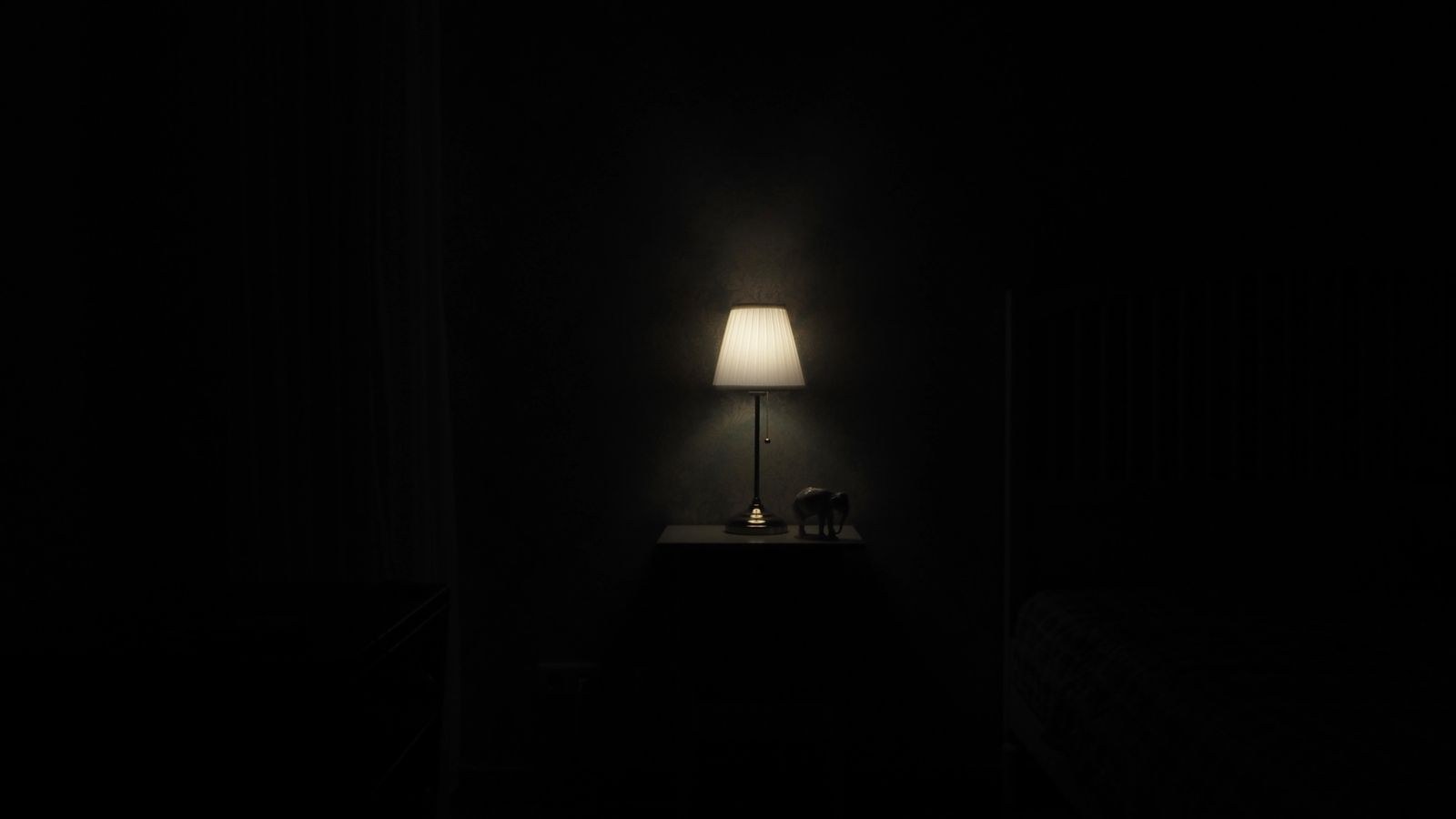
It helps to be precise about the job. A night light is not room lighting. Its purpose is orientation: letting you find the edge of a step, the doorway, the toilet, or the crib rail without switching on an overhead fixture. That means the correct output is far lower than most people assume.
Dark-adapted eyes are extraordinarily sensitive. After twenty minutes in darkness, a few lumens is enough to navigate a familiar room. Manufacturers know that a brighter product looks better on a shelf, so many night lights ship at levels well beyond what the task requires. The result is a device that wakes you up more than the darkness did.
The second job, in children’s rooms, is reassurance rather than navigation. That changes the calculus slightly toward a visible, comforting glow, but it does not change the color rule. Amber and warm red still win.
The Three Numbers That Matter
Brightness
For hallway and bathroom navigation, 1 to 10 lumens is the right band. For a child’s room where the light stays on all night, 5 to 15 lumens is comfortable. Anything over about 30 lumens is no longer a night light, it is a small lamp, and it will cast visible shadows and read as bright through closed eyelids.
Adjustable brightness is the single most useful feature you can pay for, because the right level differs between a windowless bathroom and a hallway with a streetlight outside. Look for a dial or multi-tap setting rather than a fixed output.
Color Temperature
This is where most purchases go wrong. Blue and cool-white light in the 5000K to 6500K range is the most effective wavelength for suppressing melatonin, the hormone that governs sleep onset. A bright white night light in a hallway outside a bedroom is working against you every time you use it.
Amber light, roughly 1800K to 2200K, sits at the opposite end. It has almost no short-wavelength content, so it preserves dark adaptation and has minimal effect on melatonin. Red is even gentler still, which is why it is used in observatories and on ship bridges. For any light that will be seen at night, choose amber first, warm white at 2700K second, and avoid cool white entirely.
Control Method
Three approaches exist and they suit different rooms.
Photocell (dusk-to-dawn) lights turn on when the room goes dark and stay on until morning. Set and forget, ideal for a hallway or a child’s room. The trade-off is that they glow all night, which can bother a light sleeper if placed in a bedroom.
Motion-activated lights stay off until someone moves nearby, then illuminate for a set period. This is the best choice for bathrooms, stair landings and anywhere a constant glow would be intrusive. It also dramatically extends battery life on cordless models. The best motion sensor night lights combine a passive infrared sensor with a daylight sensor so they never trigger during the day.
Always-on with a manual switch is the simplest and the least common now, mostly found on decorative and children’s models.
Types of Night Light Compared
Plug-In Night Lights
The classic format: a small unit that occupies a wall receptacle. Cheap, never needs charging, and available in every style. The downsides are that they consume an outlet, and their position is fixed by where your receptacles happen to be, which is often not where you need light. Look for a low-profile design that leaves the second socket usable, or a model with a pass-through outlet.
Rechargeable and Battery Night Lights
Stick-on pucks and bars that mount anywhere with adhesive or a magnet. They go exactly where the light is needed, including inside cabinets and under bed frames, and they work during a power outage. Modern lithium units with motion activation run one to three months per charge. Anyone comparing options should look at the best rechargeable lights for runtime figures and mounting styles, since detachable magnetic mounts make recharging far more likely to actually happen.
Smart and Connected Night Lights
These add scheduling, remote dimming and color control, and they can be tied into a routine that dims the whole house after a set hour. Genuinely useful if you already run a smart home. Overkill if you just want to find the bathroom.
Toddler and Character Lights
Designed for reassurance rather than navigation, often with a projection feature or a sleep-training color change that turns green at wake-up time. Check that the “night” mode is genuinely warm and dim, because many of these default to bright white or cycling colors that are counterproductive at bedtime.
Choosing by Room
Hallways and Landings
Place one near the top of any staircase and one near the bottom. Photocell units work well here because a constant low glow means nobody ever has to find a switch. Keep output under 10 lumens and aim the light downward toward the floor so it reveals the tread edge rather than shining into approaching eyes.
Bathrooms
Motion activation is clearly better here, because a bathroom night light that glows all night is visible under the door and can annoy anyone sleeping nearby. Amber is especially important in a bathroom, where a bright white light hitting fully dark-adapted eyes at 3 a.m. produces the classic wide-awake-for-an-hour effect. Mount low, near the floor or on the vanity toe kick.
Children’s and Nursery Rooms
Children’s rooms benefit from a soft, steady amber glow at 5 to 15 lumens, positioned so the source itself is not directly in the child’s line of sight from the bed. For overnight feeds and diaper changes, a dim warm light is far kinder than the ceiling fixture. The same logic applies to the room’s main bulb, and comparing the best light bulbs for nursery use is worth doing alongside the night light purchase so the whole room supports sleep rather than fighting it.
Bedrooms for Adults
Adults generally want less, not more. A motion light under the bed frame or on the baseboard beside the bed gives you a lit path when your feet hit the floor and nothing at all when you are asleep. Products in the best night lights for adults category tend to emphasize exactly this: low amber output, motion triggering and discreet styling rather than cartoon shapes.
Features Worth Paying For and Features to Skip
Worth it:
- Adjustable brightness. Lets you tune output to the room instead of accepting whatever the factory chose.
- Amber or selectable warm color. The single most important sleep-friendly feature.
- Adjustable motion hold time. Fifteen seconds is fine for a hallway, too short for a bathroom.
- Daylight sensor. Prevents wasted battery and pointless daytime triggering.
- Magnetic detachable mount on rechargeable models. Makes charging a ten-second job.
Usually not worth it:
- Color-cycling RGB modes. Visually busy and often bright enough to disturb sleep.
- Built-in speakers and sound machines. A separate sound machine does the job better and lasts longer.
- Very high maximum output. If a night light advertises 200 lumens, it is being sold as something it should not be.
- App control for a single hallway light. Added complexity for no daily benefit.
Safety and Efficiency Notes
Modern LED night lights draw well under a watt, so leaving several running all night costs a negligible amount, typically well under a dollar per year each. Older incandescent night lights drew 4 to 7 watts and ran hot enough to discolor an outlet plate; if you still have any, replace them.
For plug-in units, check that the housing is not blocking or loosening the receptacle, and avoid stacking a night light behind furniture where heat cannot escape. In children’s rooms, keep cords and small removable parts out of reach and choose sealed units without accessible battery compartments for very young children.
Budget Tiers
Under $15. A multi-pack of amber photocell plug-ins. Covers a hallway, a landing and a bathroom immediately. Fixed brightness, but the color is usually right on models that specifically advertise amber.
$15 to $40. Rechargeable motion bars with adjustable brightness and hold time, or a quality plug-in with a dimmer. This is the sweet spot for most households.
$40 and up. Smart night lights, sleep-training clocks for children, or a set of recessed baseboard lights installed permanently. Worth it if you want scheduling or a fully built-in look.
Common Mistakes
- Buying cool white. The most frequent and most damaging error for sleep quality.
- Choosing too much brightness. A night light you can read by is too bright to sleep next to.
- Pointing the light at eye level. Aim down at the floor; you want to see the path, not the source.
- Using a photocell light in a bathroom. The glow leaks under the door all night.
- Ignoring hold time on motion models. Ten seconds means the light dies while you are still standing there.
- Forgetting to charge cordless units. Pick a magnetic mount, or pick a plug-in.
Frequently Asked Questions
What color night light is best for sleep?
Amber or red, roughly 1800K to 2200K. These wavelengths have the least effect on melatonin production and preserve your eyes’ dark adaptation.
How bright should a night light be?
Between 1 and 10 lumens for navigation, up to about 15 lumens for a child’s room. Higher than 30 lumens is a lamp, not a night light.
Are motion sensor night lights better than always-on ones?
In bathrooms, bedrooms and anywhere a constant glow would be noticed, yes. In hallways and children’s rooms, a steady dim photocell light is often more practical.
Do night lights use much electricity?
LED models draw a fraction of a watt and cost well under a dollar a year to run continuously. Old incandescent ones cost several times more and produce noticeable heat.
Should a baby’s room have a night light on all night?
A dim amber light is fine and often helpful for overnight care. Keep it low, keep it warm in color, and position it out of the baby’s direct line of sight from the crib.
Final Thoughts
Getting night lights right is mostly about restraint. Pick amber over white, single-digit lumens over double, and a control method that matches the room rather than the same product everywhere. Photocell units belong in hallways and children’s rooms; motion units belong in bathrooms and beside beds. Adjustable brightness is worth a few extra dollars because it lets you correct a guess after living with the light for a week. Buy on those criteria rather than on shape or price and a handful of tiny lights will make your home meaningfully safer at night without costing you a single hour of sleep.