Owen Bradley
 A space heater is one of the cheapest appliances to buy and one of the easiest to buy badly. Nearly every model on the shelf is electrically identical in output, yet they differ enormously in how safely they run, how accurately they hold a temperature, and how well they suit the room you actually want warmed. This space heater buying guide focuses on the three things that genuinely separate a good purchase from a regrettable one: matching wattage to the space, insisting on the right safety features, and understanding what the unit will add to your bill. Get those right and a portable heater becomes a genuinely useful tool for 2026, letting you keep the rest of the house cooler while staying comfortable in the room you occupy.
The Wattage Rule That Sizes Every Heater
Almost all plug-in electric heaters sold for household use top out at 1,500 watts, because that is the practical ceiling for a standard 15-amp household circuit. That single fact simplifies shopping enormously: the maximum heat output is effectively fixed, and what varies is how the heater distributes that heat and how it controls itself.
The standard sizing guideline is roughly 10 watts per square foot of floor area, assuming average ceiling height and reasonable insulation. That means a 1,500-watt heater is matched to about 150 square feet, a typical bedroom or home office. A 750-watt setting suits a small study or bathroom of around 75 square feet.
Where this rule breaks down is in poorly insulated rooms, spaces with high ceilings, rooms with large single-glazed windows, or garages and basements. In those cases a 1,500-watt unit will run continuously and still struggle, and the honest answer is that portable electric heat is the wrong tool rather than that you need a bigger one. No standard plug-in heater exceeds that ceiling.
Why Bigger Numbers on the Box Mean Nothing
Marketing claims about square footage coverage frequently exceed what the physics allow. Two heaters both rated 1,500 watts produce identical amounts of heat, full stop. A claim that one covers 300 square feet while the other covers 150 reflects optimism, not engineering. Judge by wattage and by how well the unit distributes and controls that heat, never by coverage claims.
Heating Element Types and What Each Suits
The element type determines how the heat reaches you, which affects comfort more than raw output. Ceramic heaters pass current through ceramic plates and use a fan to push warm air out. They heat a room quickly, respond fast when you turn them on, and are the most common choice for offices and bedrooms where you want warmth within minutes.
Oil-filled radiators heat a sealed reservoir of oil that warms the surrounding metal fins, which then heat the room by convection. They take considerably longer to warm up but stay warm after the element cycles off, run silently, and produce a gentle, even heat with no fan noise. That makes them a natural bedroom choice.
Infrared and radiant heaters warm objects and people directly rather than warming the air, much as sunlight does. They are effective when you want targeted warmth quickly, work reasonably in draughty or high-ceilinged spaces where heating the air is futile, and typically run silently.
Micathermic and panel heaters split the difference, using a flat radiating surface to give convection and radiant heat without a fan. They are slim, quiet, and often wall-mountable, though they usually warm a room more slowly than a ceramic fan model.
Safety Features You Should Refuse to Compromise On
Portable heaters are a leading cause of home heating fires, and almost all of those incidents trace back to a small number of avoidable causes. The features that mitigate them are inexpensive and should be treated as mandatory rather than premium.
- Tip-over switch. Cuts power immediately if the unit is knocked over. Essential in any home with children, pets, or a heater on carpet.
- Overheat protection. A thermal cutout that shuts the unit down if internal temperature climbs too high, typically because airflow is blocked.
- Cool-touch housing. Keeps the exterior at a temperature that will not burn on contact, which matters most with ceramic and radiant designs.
- Safety certification mark. Look for a recognised independent testing laboratory mark on the unit itself, not just on the packaging.
- Sturdy base and adequate cord. A wide, weighted base resists tipping, and a properly rated cord reduces heat build-up at the plug.
Beyond the hardware, the usage rules matter just as much. Never run a space heater through an extension lead or a light-duty power strip, because a 1,500-watt load can overheat undersized wiring. Plug directly into a wall outlet. Keep at least three feet of clearance on every side from bedding, curtains, furniture, and paper. Never leave a heater running unattended overnight or when you leave the house.
Thermostat Accuracy Is the Feature People Underrate
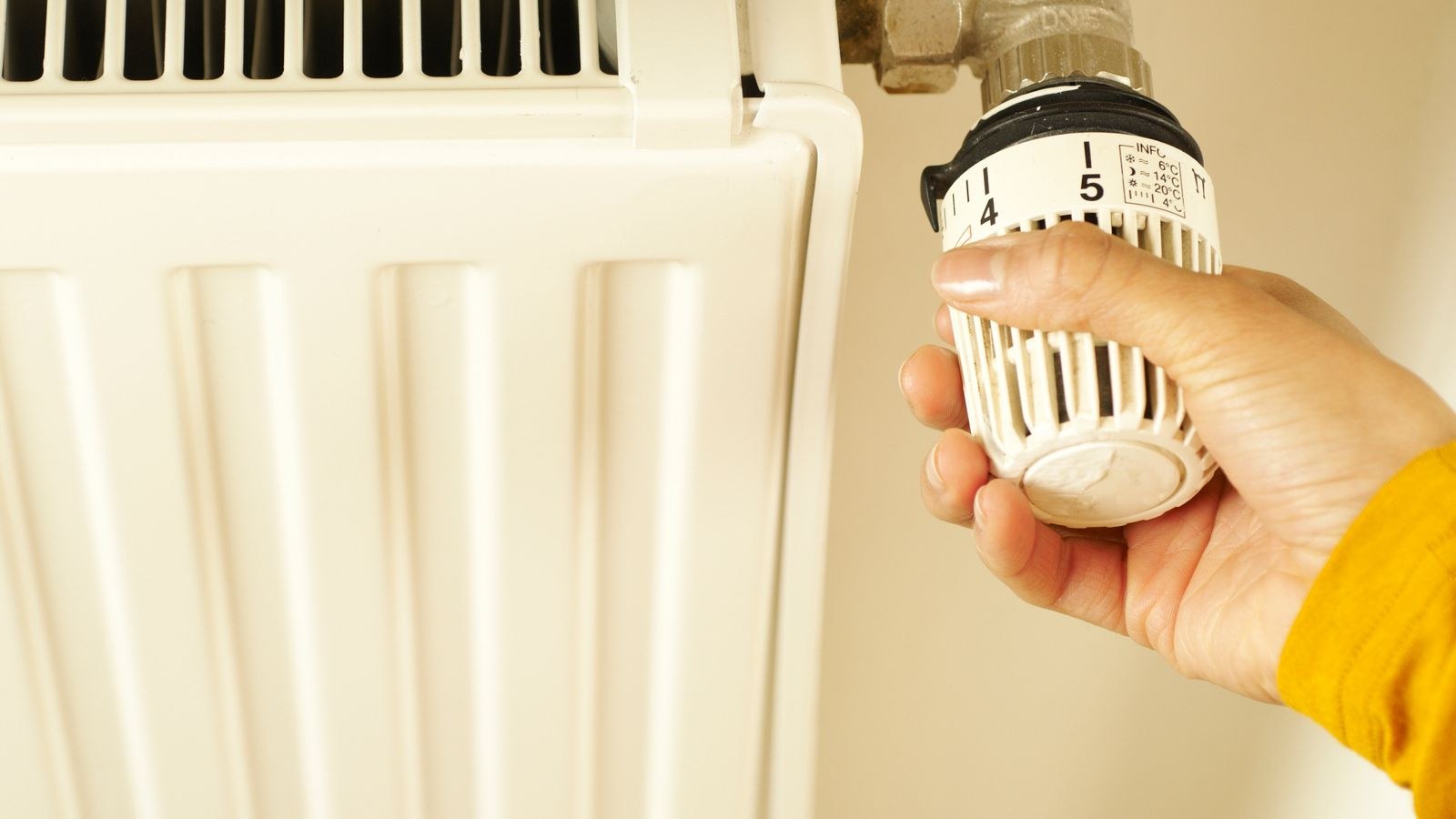
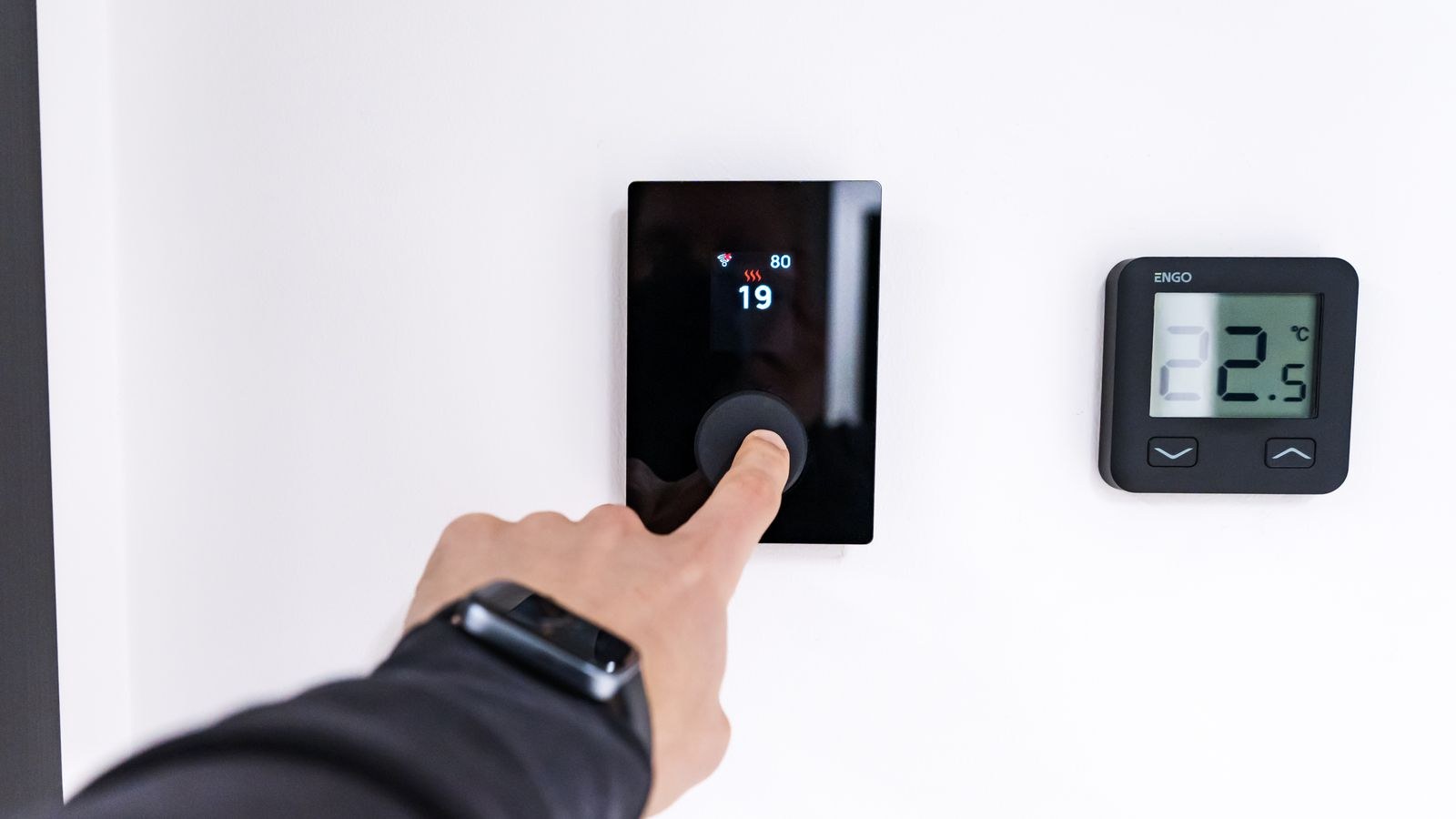
The difference between a heater that costs a little to run and one that costs a lot is usually the thermostat, not the element. A cheap mechanical dial with no numbers simply cycles the element on and off around a rough setpoint, often swinging several degrees either side. You end up alternately too warm and too cool, and the element runs more than it needs to.
A digital thermostat with a stated target temperature holds a much tighter band, cycles less wastefully, and lets you set a specific figure rather than guessing between “low” and “high”. If a model offers a display showing both current and target temperature, that is a meaningful upgrade over a numberless dial.
Look also for an eco or energy-saving mode, which typically drops the unit to a lower wattage once the setpoint is reached rather than switching fully off and then blasting back to full power. That produces steadier comfort and, over a season, noticeably less energy use.
How a Room Heater Interacts With Your Central Thermostat
The main financial case for a space heater is zone heating: turning your central system down and warming only the room you occupy. That strategy only pays off if you actually lower the house thermostat, which is a scheduling problem more than a heater problem. A programmable or smart controller makes it automatic, and our comparison of the best programmable thermostats covers models that let you set back the whole house on a reliable schedule.
If you are choosing a household controller from scratch, our broader roundup of the best thermostats covers the full range of options and how each one handles setback. For homes where connected features are unwanted or impractical, the best non smart thermostats list focuses on straightforward units, and the best digital home thermostats guide covers accurate digital control without app dependence.
Features Worth Paying For and Ones That Are Noise
A few extras genuinely improve daily use. A timer or programmable schedule lets the heater warm a room before you enter and shut down afterwards, which is where most of the practical savings live. Multiple wattage settings, typically 1,500 and 750 watts, let you match output to conditions instead of running full power constantly. Oscillation spreads warmth across a seating area rather than roasting one side of you.
A remote control sounds trivial but is genuinely useful for a bedroom unit. Casters or a proper handle matter a great deal on oil-filled radiators, which are heavy. A visible filter that can be cleaned keeps fan-based models efficient over years of use.
Less useful are decorative flame effects, which add cost without heat, and app connectivity on a device that you must be present in the room to use safely. Ionisers and “air purifying” claims on heaters are rarely meaningful. Treat these as tiebreakers at best.
Noise, Placement, and Room Type
Noise is the most common regret with fan-driven heaters. A ceramic model that is perfectly acceptable in a workshop can be intolerable beside a bed. If sleep is the priority, an oil-filled radiator or a panel heater is almost always the better call, since they generate warmth without moving air.
Placement matters more than most buyers expect. Position a convection or fan heater near the coldest part of the room, often under a window or against an exterior wall, so warm air circulates across the space rather than pooling. Keep it off thick carpet and rugs where the base can trap heat, and never place one where a passing person or pet is likely to catch the cord.
Bathrooms need special care. Only use a heater specifically rated for damp locations, and ideally one that plugs into a protected outlet. A standard bedroom heater is not appropriate in a wet room. For sleeping spaces where quiet airflow matters year-round, our guide to the best cooling fans for bedrooms covers the noise levels worth targeting in a room you sleep in.
What It Costs to Run
The maths is simple. A 1,500-watt heater running continuously uses 1.5 kilowatt-hours per hour. At an electricity rate of 16 cents per kWh, that is 24 cents an hour, about $1.92 for an eight-hour evening, or roughly $58 over a month of that pattern.
In practice a heater with a working thermostat does not run continuously. Once the room reaches temperature, the element cycles, and typical duty cycles in a reasonably insulated room might be 40 to 60 percent, cutting real cost proportionally. That is precisely why thermostat quality translates directly into money.
The zone-heating case is straightforward: if running a 1,500-watt heater in one room lets you lower the whole-house setpoint by several degrees for the same hours, the net saving can be substantial. If you run the heater in addition to normal central heating, it is pure added cost.
A Short Pre-Purchase Checklist
- How many square feet is the room? Multiply by 10 watts to find your target output.
- Do I need heat fast or heat that lasts? Ceramic for speed, oil-filled for steady quiet warmth.
- Will it run in a bedroom? If so, prioritise silence over warm-up time.
- Does it have tip-over and overheat cutouts plus a certification mark? Non-negotiable.
- Is the thermostat digital with a stated setpoint? This determines running cost more than anything else.
- Is there a free wall outlet within reach? No extension leads, ever.
Frequently Asked Questions
Are some space heaters more efficient than others?
In terms of converting electricity to heat, essentially all electric resistance heaters are equally efficient, converting nearly all input energy to warmth. Real differences in cost come from thermostat accuracy, timers, multiple wattage settings, and whether the heat is delivered where you actually are.
Can I leave a space heater on overnight?
It is not recommended. Even with tip-over and overheat protection, the safest practice is to run a heater only while you are awake and present, then rely on bedding and a modest central setback overnight.
What size heater do I need for a garage?
Most garages are uninsulated and larger than a standard plug-in heater can handle, so a 1,500-watt unit will provide only localised warmth. Radiant or infrared models tend to work better there because they warm you directly rather than trying to raise the air temperature of a leaky space.
Is it cheaper to use a space heater than central heating?
Only when it lets you lower the central setpoint and heat fewer rooms. Used as a supplement on top of normal central heating, a space heater always adds cost. The saving comes from the setback, not the heater.
Why does my heater trip the breaker?
A 1,500-watt heater draws around 12.5 amps, which leaves little headroom on a 15-amp circuit shared with other devices. Move it to a circuit with fewer loads, and never combine it with another high-draw appliance on the same outlet or breaker.
Final Thoughts
Buying a space heater well takes about five minutes once you know what matters. Measure the room and apply the 10 watts per square foot rule, choose an element type that matches whether you value speed or silence, insist on tip-over protection, overheat cutout, and a genuine certification mark, and pay the small premium for a digital thermostat with a real setpoint. Then use it the way it earns its keep: as a zone heater that lets you turn the whole house down, plugged straight into a wall outlet with clearance on every side. Approached that way, a modest portable heater is one of the few heating purchases in 2026 that can genuinely lower a bill rather than quietly inflate it.