Owen Bradley
 Standing in a showroom, the choice between a sectional and a sofa looks like a matter of taste. In practice it is a question of geometry, household size, and how you actually use your living room. A sectional can transform an awkward open-plan space into a defined lounging zone, or it can swallow a small room whole and leave you edging sideways past the coffee table. A standard sofa is easier to place, easier to move, and easier to resell, but it seats fewer people and rarely delivers that sprawl-out-and-watch-a-film comfort. This sectional vs sofa comparison walks through the practical trade-offs, one at a time, so you can decide before you fall in love with a floor model.
What Actually Separates a Sectional From a Sofa
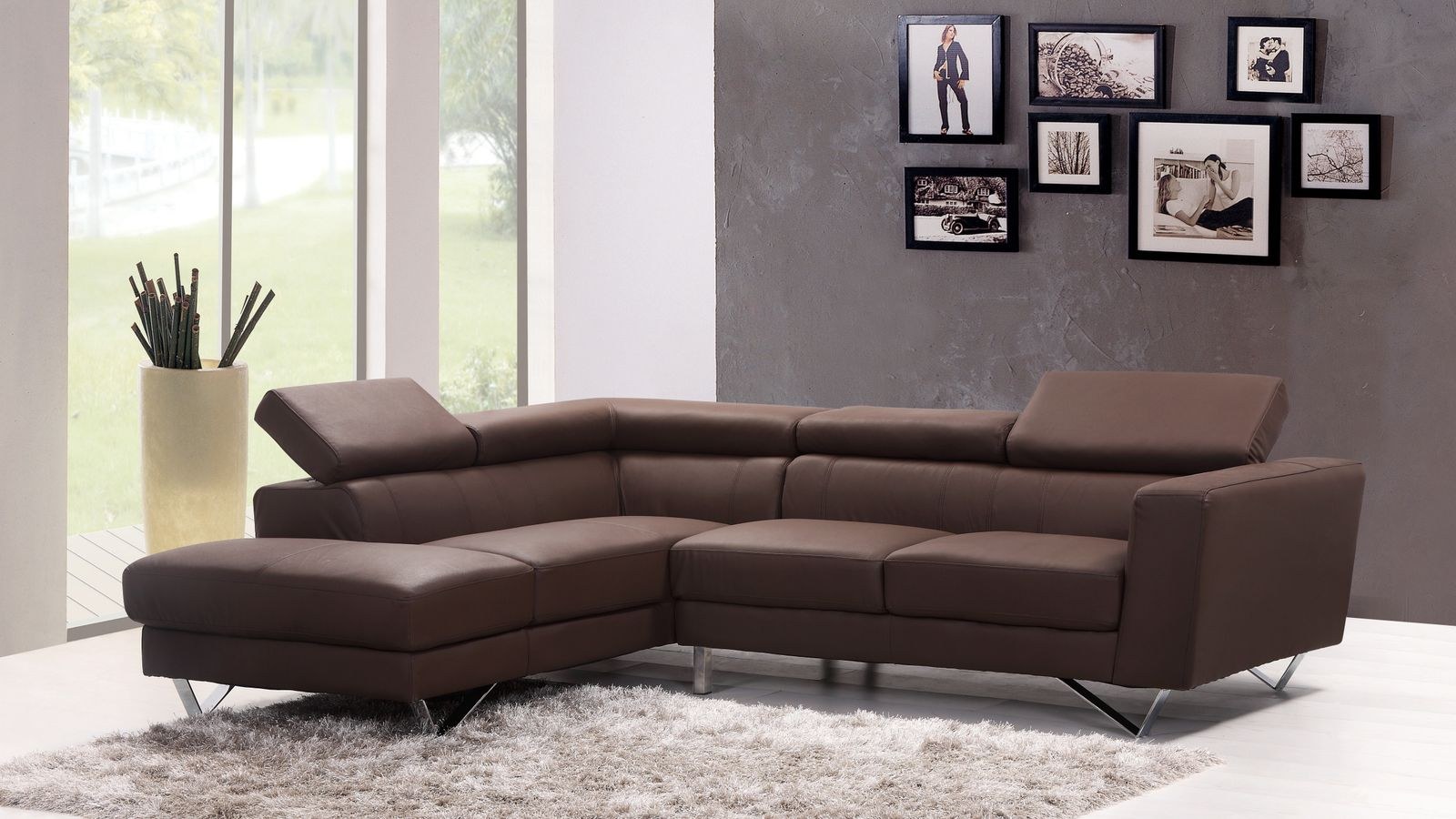
A sofa is a single self-contained piece, usually two to four seats wide, built on one continuous frame. A sectional is made of two or more sections that connect to form an L, a U, or a straight run, and those sections can often be reconfigured. That structural difference drives everything else: how the piece fits a room, how it gets delivered, how it wears, and what it costs.
The blurry middle ground is the chaise sofa, a single-frame sofa with an extended seat at one end. It looks sectional-ish but behaves like a sofa in terms of footprint and delivery. If you want the lounging benefit without committing to a full corner unit, the range of best chaise sofas is worth exploring before you size up.
Room Shape Decides More Than Style Does
Start by measuring, not by browsing. A sectional needs two adjacent walls or a genuinely open floor plan where the long side can float and define a zone. If your living room has a fireplace on one wall, a doorway on the second, and a window on the third, a sectional may have nowhere to go without blocking traffic.
The rule of thumb most designers use is to leave 30 to 36 inches of walking clearance around the seating and about 16 to 18 inches between the seat front and the coffee table. Tape the outline of your candidate piece on the floor with painter’s tape before you buy. A 110-inch sectional sounds abstract until you see it eating your walkway.
Open Plan Versus Closed Rooms
In open-plan spaces a sectional earns its keep by acting as a soft room divider between the lounge and the dining or kitchen area. The back of the long arm becomes a boundary, which is something no standalone sofa does as well. In a closed, traditional living room with defined walls, a sofa plus one or two accent chairs usually creates a more balanced conversation layout than a sectional pushed into a corner.
Seating Capacity and How People Really Sit
On paper a five-seat sectional beats a three-seat sofa outright. In practice, corner seats are the least popular spot in any home because you cannot face the television squarely and your back has no comfortable angle. Count usable seats, not listed seats. A five-seat sectional often functions as four good seats plus one that people avoid unless the room is full.
A sofa, by contrast, gives you clean, equal seating positions, but it does not offer the stretch-out lounge that a chaise or corner section provides. If your household routinely watches films lying down, that lounging real estate matters more than raw seat count. If you host dinner parties and want people talking to one another, a sofa plus chairs beats a sectional where half the guests stare at each other’s shoulders.
Small Rooms: The Case Is Closer Than You Think
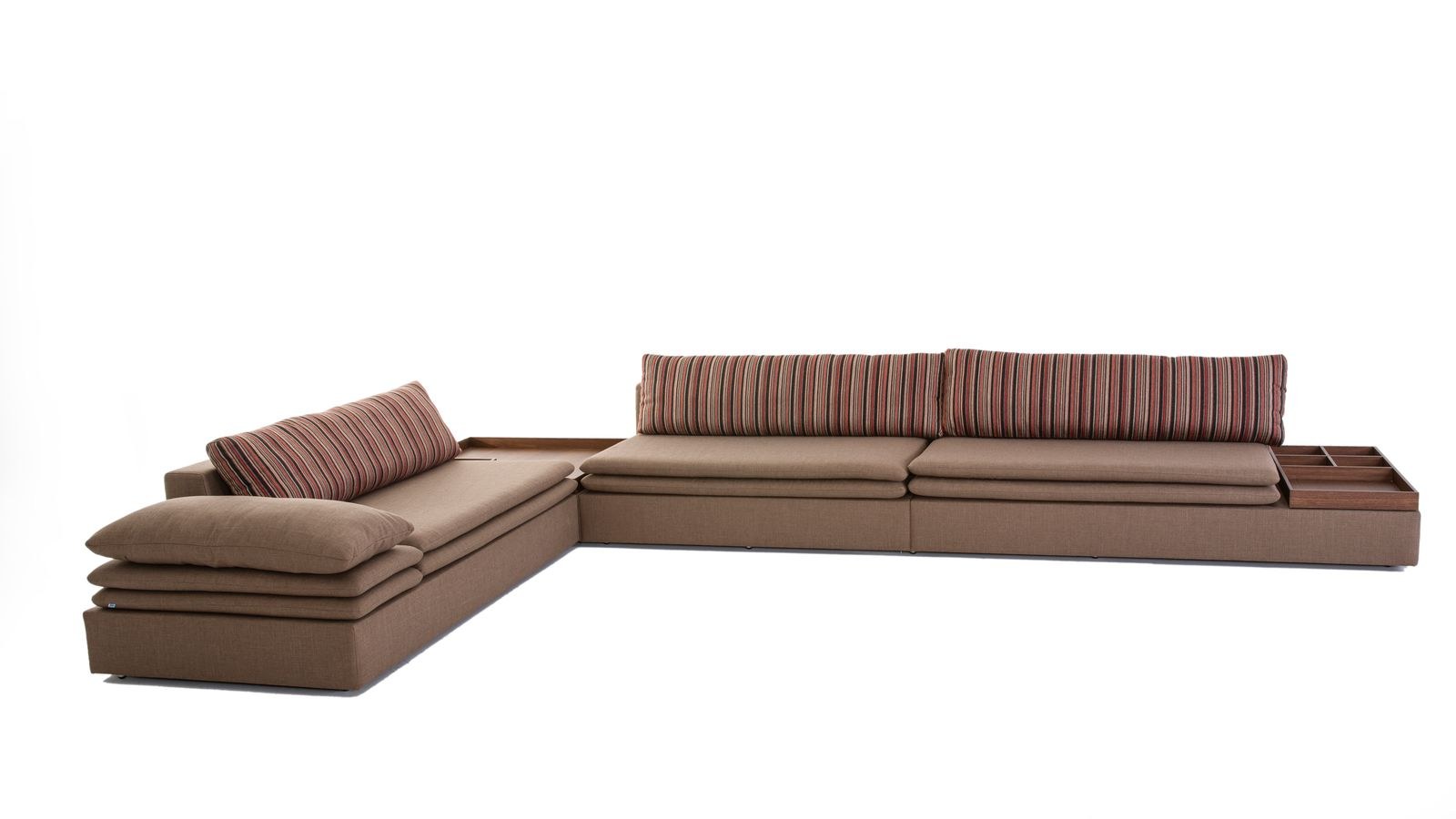
Conventional advice says small rooms need small sofas. That is not always right. A compact two-piece sectional tucked into a corner can free up more usable floor than a sofa plus two armchairs, because it consolidates the seating along walls instead of scattering it. The failure mode is buying a sectional sized for a showroom rather than your room.
The safest small-space approach is an apartment-scale sectional under about 95 inches on the long side, or a tight-armed sofa with exposed legs that lets light travel underneath and makes the floor read larger. Our shortlist of the best sofas for small living rooms focuses on pieces with slim arms, shallow depth, and raised legs for exactly this reason.
Depth Is the Hidden Variable
Seat depth changes comfort more than any other dimension. Around 21 to 22 inches suits sitting upright and works for shorter users. Deep seats of 24 inches and up are lounge furniture and demand back cushions or throw pillows for anyone under about 5 feet 8 inches. Deep sectionals in shallow rooms are the single most common regret we hear about. Measure the seat, not just the overall footprint.
Flexibility, Moving, and Reconfiguring
Sofas move easily. One frame, four legs, up a stairwell, done. Sectionals arrive in pieces, which helps them clear doorways, but once assembled they are committed to a shape unless they are designed to be rearranged. If you move often or expect to change apartments, that difference is worth real money in delivery fees and frustration.
This is where modular designs sit in a category of their own. Pieces that connect with brackets or gravity clips can be regrouped into an L, a U, a straight sofa, or separate lounge chairs as your space changes. If adaptability ranks high on your list, compare the best modular sofas against fixed configurations before you decide. For a traditional fixed corner shape, the best L-shaped sofas generally deliver more seat for the money than modular systems of the same size.
Price, Delivery, and Long-Term Value
Sectionals cost more than sofas at comparable quality, usually 30 to 60 percent more, because they contain more frame, more foam, and more upholstery. They also cost more to deliver and often require a two-person appointment. A sofa is the cheaper entry point at every quality tier, which matters if your budget is fixed and you would rather spend the difference on a better frame or a performance fabric.
Resale runs the same direction. Standard sofas sell secondhand quickly because they fit almost anywhere. Sectionals have a narrower buyer pool, since the next owner needs a room that accommodates that specific orientation. If you expect to replace your furniture within a few years, a sofa recovers more of its value. Browsing the broader field of the best sofas alongside the best sectional sofas is the fastest way to see how the same budget buys different amounts of construction quality in each category.
Chirality: Left-Arm Versus Right-Arm
Sectionals are sold as left-facing or right-facing, and the industry is inconsistent about whether that refers to your view or the sofa’s own perspective. Confirm the orientation in writing before ordering. A mirrored sectional is not a return you want to arrange, and restocking fees on large upholstery frequently run 15 to 25 percent.
Which One Should You Buy? A Decision Shortcut
- Choose a sectional if you have an open plan or two free adjacent walls, at least four regular users, and you lounge more than you entertain formally.
- Choose a sofa if your room has multiple doors and windows, you host conversation-style gatherings, or you expect to move within a few years.
- Choose a chaise sofa if you want one stretch-out spot but cannot spare the floor area a true corner unit demands.
- Choose modular if your living situation is genuinely in flux and you value reconfiguring over the lowest price.
- Choose a sofa plus chairs if you want flexible traffic flow and the option to change one piece at a time later.
Common Mistakes Buyers Make
The first and largest error is buying to fill a wall rather than to serve a use. Showroom floors are enormous, so every piece looks modest under those ceilings. Take the tape measure seriously and mark the footprint at home. The second mistake is ignoring the delivery path: hallway width, stairwell turns, and door frames sink more purchases than any spec on the listing. Ask for the diagonal depth of the largest single piece, which is the measurement that determines whether it clears a corner.
A third mistake is prioritizing shape over construction. A cheap sectional and a well-built sofa at the same price are not equivalent purchases. Kiln-dried hardwood frames, eight-way hand-tied or sinuous steel springs, and high-resilience foam determine whether a piece still looks good in year seven. Adding sections to a weak frame simply gives you more surface area to sag. Finally, do not forget the back: if any part of the piece floats in the room, the rear panel will be visible, and cheaper models finish the back in inferior material.
Frequently Asked Questions
Is a sectional always bigger than a sofa?
No. Apartment-scale sectionals can be shorter along one wall than a full three-seat sofa, though the second leg of the L adds footprint. Compare both dimensions, not just the headline length.
Can a sectional work in a small living room?
Yes, if you pick a compact model with shallow seats and keep clearances above 30 inches. The corner placement can actually free floor space compared with a sofa and two chairs scattered across the room.
Do sectionals hurt resale value?
They are harder to resell privately because buyers need a matching room shape and orientation. A standard sofa moves faster on the secondhand market and typically holds a larger share of its original price.
Which is more comfortable for lounging?
A sectional or chaise sofa wins for lying down, since it offers a supported leg extension. A standard sofa is more comfortable for upright sitting and conversation because every seat faces the same direction.
Should I put a sectional against the wall?
Not necessarily. Floating a sectional a few inches off the wall in an open plan defines the lounge zone and often looks more deliberate, provided you have the clearance and a finished back panel.
Final Thoughts
Neither option is objectively better. A sectional buys you lounging comfort and higher seat counts at the cost of flexibility, price, and resale. A sofa buys you adaptability, cleaner conversation layouts, and a lower entry price at the cost of sprawl-out space. Work through the decision in order: measure the room, count the people who actually sit there daily, decide whether you lounge or entertain, and only then compare specific pieces. Get that sequence right and either choice will serve you well for a decade in 2026 and beyond, because the piece will be matched to your room instead of to a showroom fantasy.