
 Owen Bradley
 Robot cleaners have split into two distinct species, and the marketing rarely makes the difference obvious. One drives around lifting dry debris with brushes and suction. The other drags a damp pad across hard floors to lift the sticky residue suction leaves behind. Plenty of shoppers assume they need both, buy an expensive hybrid, and then discover the machine does one job well and the other adequately. The robot vacuum vs robot mop question is really a question about your floors, your household, and how much maintenance you are willing to do each week. This guide compares the two honestly, explains where hybrids genuinely succeed and where they compromise, and helps you decide which one belongs in your home first.
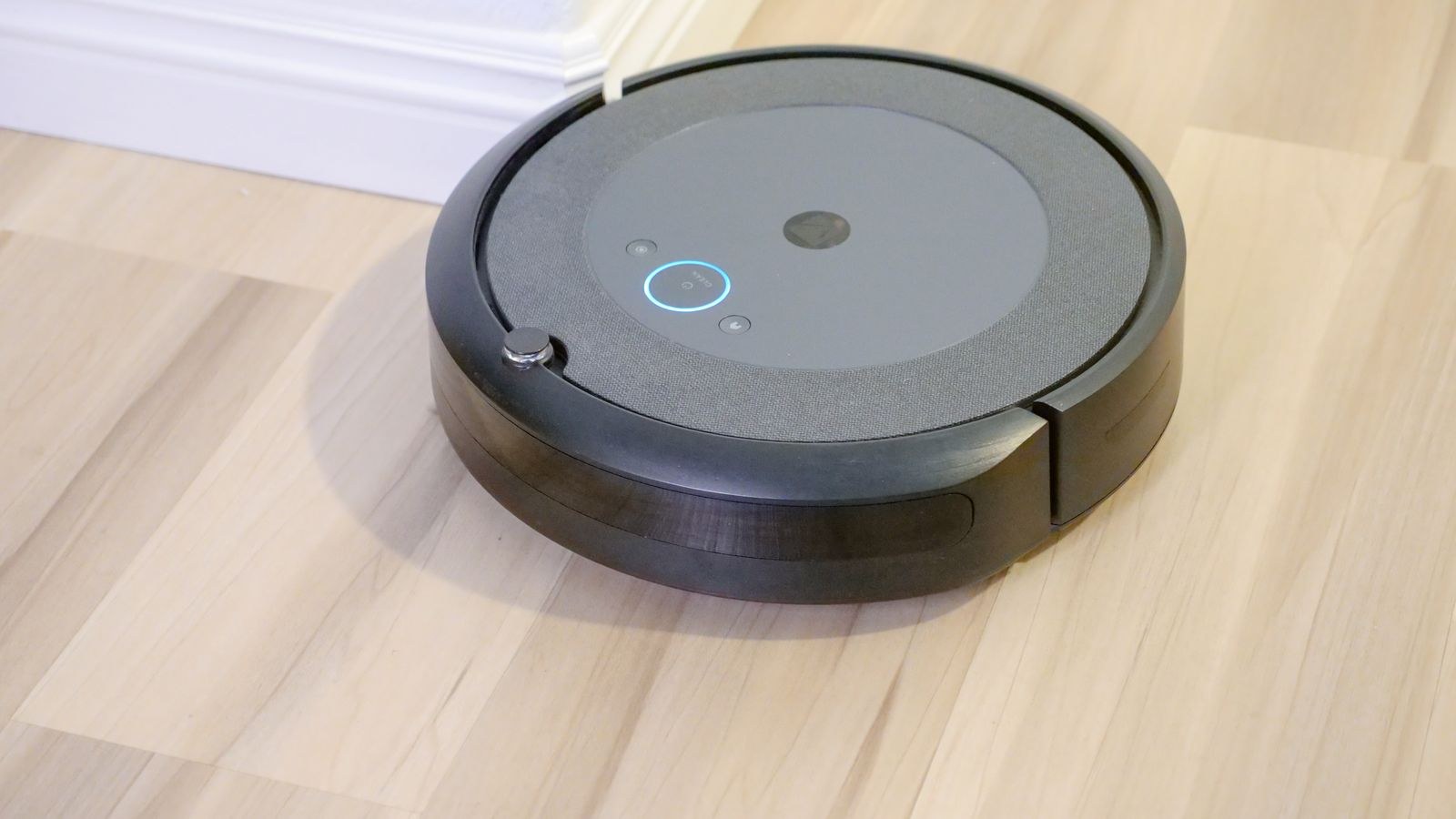
What Each Machine Actually Does
A robot vacuum uses a rotating side brush to sweep debris toward a central intake, a main roller or brushbar to agitate it loose, and a fan to pull it into an onboard bin. It is designed for dry material: dust, crumbs, pet hair, tracked-in grit, and the fine particulate that settles constantly on every floor. Its measure of success is how much dry debris it removes per pass.
A robot mop carries a water reservoir and a cloth pad, dampens the pad, and either drags or oscillates it across hard flooring. Its job is dissolved and dried-on residue: kitchen splatter, drink rings, muddy paw prints, and the general film that builds on tile and sealed wood. It cannot lift loose debris. Run a mop over an unvacuumed floor and it will simply smear the crumbs around, which is why mopping is always the second step, never the first.
That sequencing point drives the entire decision. Vacuuming is a prerequisite for mopping, so a robot vacuum is functionally useful on its own while a robot mop is not. If you are buying only one machine, the vacuum wins by default in almost every household.
Your Floors Decide More Than Anything Else
Flooring composition is the single strongest predictor of which machine you will value. Homes that are largely carpeted have almost no use for a robot mop, since carpet cannot be wet-cleaned by a pad and most mopping robots require you to physically block carpeted areas or rely on the machine to detect and avoid them.
Conversely, a home that is entirely tile, laminate, vinyl plank, or sealed hardwood is where mopping robots shine, because the residue they remove is genuinely visible and vacuuming alone leaves floors looking dull. If your home is mostly hard flooring, our comparison of the best robot vacuums for hardwood floors is a good starting point, since suction design and brush material matter differently on hard surfaces than on carpet.
Mixed-Flooring Homes
Most homes are mixed, which is where hybrids become interesting. A combination unit must decide, in real time, whether the surface underneath is safe to wet. Better machines handle this with carpet detection that lifts the mop pad a few millimetres or retracts it entirely. Cheaper machines simply drag a wet pad onto your rug. If your layout puts carpet and tile in the same open plan, carpet-lift capability is not a luxury feature but the thing that determines whether the machine is usable at all.
Pet Households Change the Calculation
Pets tilt the decision decisively toward vacuuming. Shed hair accumulates faster than any other household debris, and it is exactly the material a mop pad cannot address. A robot vacuum running daily keeps hair from building into visible drifts along baseboards, which is the difference between a home that looks maintained and one that does not.
Pets also introduce a specific hardware requirement: brush design. Traditional bristle brushbars tangle badly with long hair and require regular cutting free with scissors. Rubber or silicone anti-tangle rollers handle hair far better and are worth prioritizing. Larger bins matter too, since hair fills a small bin within a couple of runs. Self-emptying bases become genuinely valuable in a shedding household rather than a convenience feature.
That said, pets also create the mess mops handle best: muddy prints, water bowl splashes, and the occasional accident. Many pet owners eventually run both functions, but the sequence still holds, with vacuuming as the priority purchase.
How Well Do Hybrids Really Work
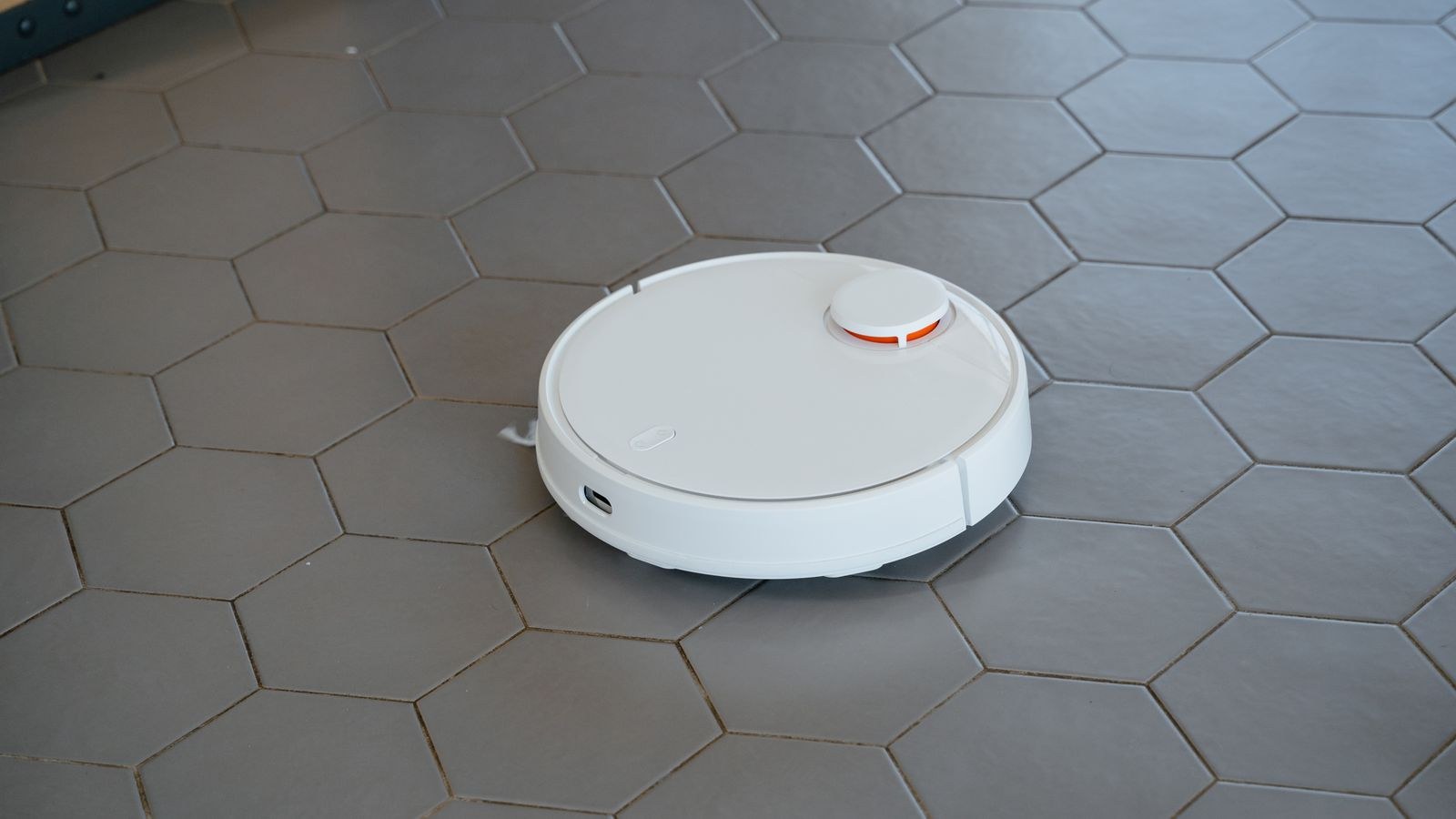
Two-in-one machines have improved dramatically, but they still make compromises worth understanding before you spend. The core limitation is physical: a single chassis has to house a dust bin, a water tank, a brush system, and a pad mount, and every millimetre given to one subsystem is taken from another. Hybrids therefore tend to have smaller bins and smaller reservoirs than dedicated machines of the same size.
The second issue is mopping technique. Basic hybrids simply drag a damp cloth, applying no downward pressure and no scrubbing motion. That removes light film but does nothing to dried-on residue. More capable designs add downward pressure, high-frequency oscillation, or spinning discs that genuinely scrub. The gap between a dragged pad and a pressurized spinning pad is large, and it is the main thing separating hybrid price tiers.
The third is pad hygiene. A pad that runs an entire floor without rinsing progressively redistributes dirt rather than removing it. Premium docks address this by washing and drying the pad mid-run and between cycles. Without that, you are hand-rinsing a filthy cloth after every session, which quietly erodes the convenience the robot was supposed to provide.
Where hybrids succeed is in medium-sized, mostly hard-floored homes with routine light soiling. They keep floors consistently presentable with very little intervention. Where they struggle is heavy grease, dried spills, deeply textured tile, and large homes where one tank of water cannot cover the floor area. If a hybrid appeals, the roundups of the best robot vacuums and mops and the best vacuum robots with mops break down which designs actually scrub rather than merely wipe.
Maintenance: The Cost Nobody Mentions
Both machines demand upkeep, but the burden differs sharply. A robot vacuum needs its bin emptied, its filter tapped or washed, its brushes cleared of hair, and its sensors and wheels wiped. With a self-emptying base, that becomes a roughly weekly ten-minute task. Consumables include filters, side brushes, and the occasional main roller.
Mopping adds meaningful work. Pads must be washed and dried after use or they develop odour, water tanks need emptying to prevent stagnation and mineral buildup, and hard water leaves deposits in the reservoir and lines. Cleaning solution, if the model accepts it, is a recurring cost, and using the wrong solution can void a warranty or damage floor finish. Self-washing docks reduce this considerably but require their own dirty-water tank emptying and periodic deep cleaning.
Be honest about your tolerance here. The most common reason a mopping robot ends up unused in a closet is not poor cleaning but the maintenance ritual around it. A vacuum that runs unattended for a week is a fundamentally lower-friction machine.
Navigation, Mapping, and Home Size
Navigation quality affects both types equally and is worth more than raw suction figures in most homes. Basic models bump around semi-randomly, taking a long time and missing areas. Gyroscopic navigation improves coverage. Laser-based mapping builds an accurate floor plan, cleans in efficient rows, resumes after charging, and supports room-by-room and no-go zone commands.
Mapping matters even more for mopping, because you need the ability to exclude carpeted rooms and to send the machine to mop only the kitchen without dragging a wet pad through the bedroom. In a large or multi-room home, treat good mapping as a requirement rather than an upgrade. In a small apartment, simpler navigation is often perfectly adequate and saves a substantial amount of money.

Price Tiers and Where the Money Goes
Entry-level robot vacuums offer modest suction, random or basic navigation, and small bins. They handle light debris in small spaces and are a reasonable first robot. Mid-range models add laser mapping, stronger suction, anti-tangle rollers, and app control with zone settings, and this tier represents the best value for most households.
Hybrids start higher than vacuum-only models of equivalent capability, and the meaningful hybrid features cluster near the top: pressurized or spinning mop pads, carpet detection with pad lifting, self-emptying, and self-washing docks. Buying a cheap hybrid usually means buying a mediocre vacuum with a token mop attached, which satisfies nobody. If your budget is limited, a good vacuum-only robot plus a manual mop consistently outperforms a low-end combination unit.
Dedicated mopping robots occupy a small niche, priced modestly and useful mainly as a companion to a separate vacuum in an all-hard-floor home. For a broader look at how the mopping-focused machines compare, see the roundup of the best vacuum mops.
Which Should You Buy First
- Mostly carpet: Robot vacuum, no mopping function needed.
- Mixed flooring, pets, busy household: Robot vacuum first, with anti-tangle brushes and a self-emptying base if budget allows.
- All hard floors, small to medium home: A capable hybrid makes genuine sense and delivers the biggest visible improvement.
- All hard floors, large home: Vacuum robot plus a separate mopping solution, since one water tank rarely covers the area.
- Tight budget: Good vacuum robot plus a manual mop beats a cheap hybrid every time.
If you are still weighing suction figures, bin sizes, and navigation types before committing, our detailed robot vacuum buying guide covers those specifications in depth.
Frequently Asked Questions
Can a robot mop replace mopping by hand?
For routine maintenance, largely yes. It keeps floors consistently clean between deeper sessions. It will not match a hand mop on dried spills, grout lines, or heavily soiled areas, so plan on occasional manual cleaning regardless.
Will a robot mop damage hardwood floors?
Sealed hardwood in good condition tolerates a damp pad fine, since these machines use very little water. Unsealed wood, worn finishes, and gaps between planks are a different matter, and you should avoid wet cleaning those surfaces entirely.
Do I still need to vacuum before the robot mops?
Yes, in some form. Either run the vacuum function first or use a hybrid that vacuums and mops in the same pass. Mopping an unvacuumed floor pushes debris into wet streaks.
How often should each machine run?
Daily vacuuming suits most homes, especially with pets or children. Mopping two or three times a week is usually sufficient outside kitchens, which benefit from more frequent attention.
Are self-emptying and self-washing docks worth the cost?
A self-emptying base is worth it in shedding or high-traffic homes. A self-washing dock is worth it if you plan to mop frequently, since hand-rinsing pads is the main friction point that makes people abandon mopping robots.
Final Thoughts
Strip away the feature lists and the choice is simple. A robot vacuum solves a problem every home has, works without a prerequisite, and demands modest upkeep. A robot mop solves a narrower problem, requires vacuuming first, and asks for meaningfully more maintenance. Buy the vacuum first unless your home is entirely hard-floored, in which case a well-specified hybrid with real scrubbing pressure and carpet detection will earn its price. Resist the pull of cheap combination machines, prioritize navigation and brush design over headline suction numbers, and be realistic about the weekly ten minutes any robot needs from you. Approach the decision that way in 2026 and you will end up with a machine that keeps running long after the novelty fades.









