Owen Bradley
 Not everyone wants a wall device that asks for a Wi-Fi password, a phone app, and a firmware update before it will turn on the furnace. Plenty of households simply want a dial or a small screen that holds a temperature reliably for the next decade. That is exactly what this non smart thermostat buying guide is for. Choosing one is less about features and more about compatibility: the voltage your system runs on, the equipment it controls, and the wires already sitting in your wall. Get those three right and the rest is a matter of taste. Get them wrong and you end up with a unit that either does nothing or, worse, damages equipment. This guide walks through the decisions in the order that actually matters, so you can shop confidently in 2026 without wading through smart-home jargon you will never use.
Line Voltage or Low Voltage: The First Fork in the Road
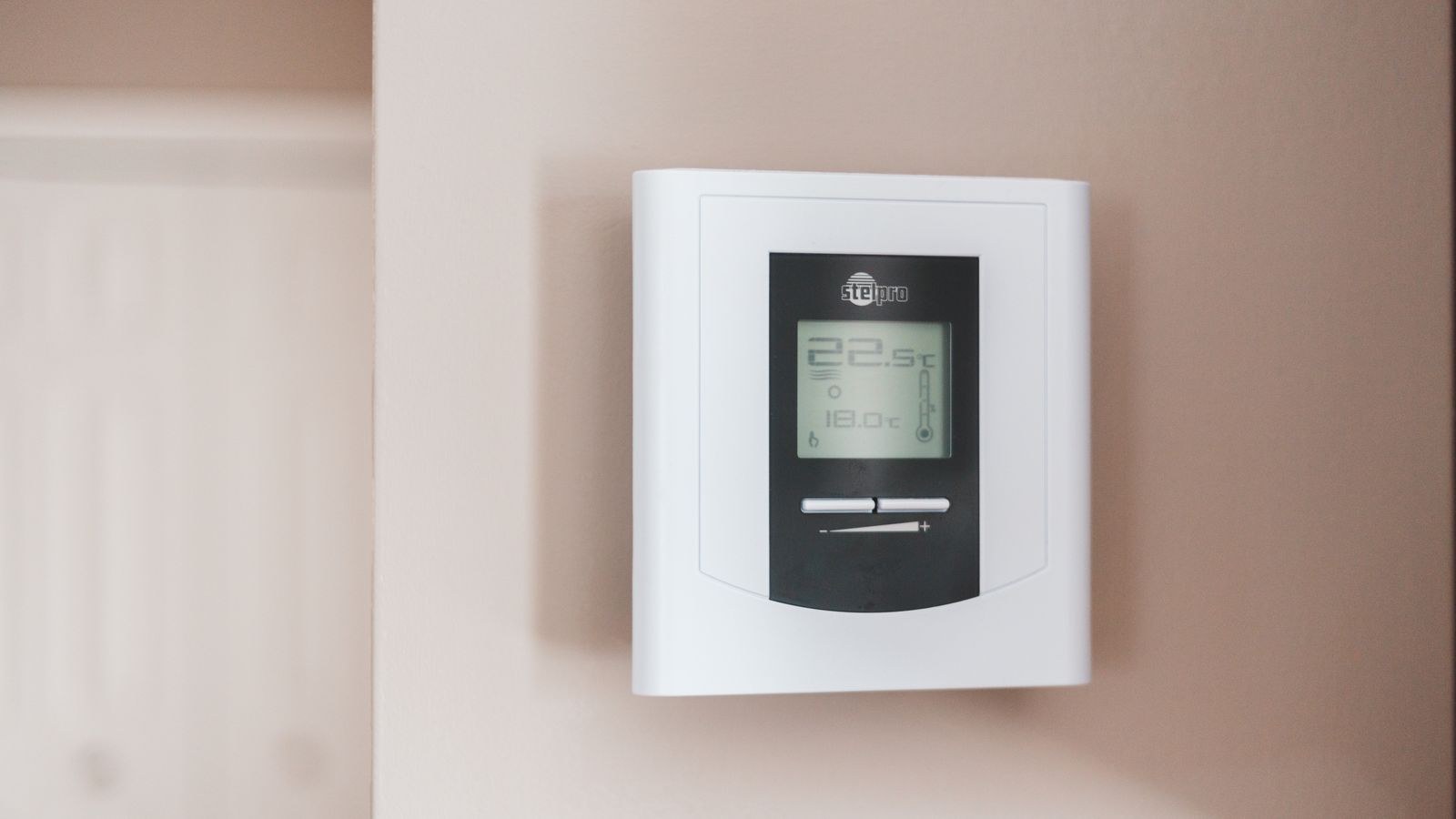
Before anything else, identify which of the two electrical families your home uses. Low voltage thermostats run on 24 volts supplied by a transformer inside a furnace, boiler, or air handler. They control central heating and cooling systems and use thin, colour-coded wires, usually four to eight of them, each landing on a lettered terminal. This is by far the most common arrangement in homes with ducted heating or air conditioning.
Line voltage thermostats, by contrast, switch full household power, typically 120V or 240V, directly to a heating element. You will find these on electric baseboard heaters, radiant ceiling panels, in-wall fan heaters, and some electric radiant floors. The wires behind them are thick, usually black and white, and there are only two or four. The two categories are not interchangeable in either direction. Installing a 24V thermostat on a 240V baseboard circuit will destroy it instantly and creates a genuine fire risk.
The quickest way to tell them apart without touching anything is to pull the existing thermostat off its base and look at the wire gauge. Hair-thin, multi-coloured strands mean low voltage. Thick insulated conductors the size of the wiring in a light switch mean line voltage. If your heat comes from baseboard units along the wall with no ducts and no boiler, assume line voltage until proven otherwise.
Match the Thermostat to Your Heating and Cooling Equipment
Within the low voltage family, thermostats are rated by stages and by equipment type. A single-stage unit handles one level of heat and one level of cooling, which covers the majority of standard gas furnace plus air conditioner setups. Two-stage equipment runs a low-output mode most of the time and a high-output mode when demand spikes, and it needs a thermostat that can call for each stage separately.
Heat pumps are the category that catches people out. A heat pump reverses its refrigerant flow to heat or cool, which requires a reversing valve signal on the O or B terminal, plus typically an auxiliary or emergency heat stage for very cold weather. A conventional furnace thermostat has no O/B terminal and will either fail to switch modes or run the system backwards. Always confirm the box says heat pump compatible if that is what you have.
Millivolt systems are a third case: some older wall furnaces and gas fireplaces generate their own tiny control voltage from a thermopile and need a thermostat that switches with almost no power draw. Standard digital models often will not close the circuit reliably on millivolt. If your appliance has a standing pilot light and no electrical connection at all, ask about millivolt compatibility specifically.
Counting Your Wires Before You Shop
Photograph the existing wiring before you disconnect anything, then write down which colour lands on which letter. The common terminals are R or Rh and Rc for power, W for heat, Y for cooling, G for the fan, O or B for a heat pump reversing valve, and C for the common return. A four-wire setup with R, W, Y, and G supports basic heat and cool. Add O/B and you are looking at a heat pump. If you find only two wires, you likely have heat only, which limits you to heat-only models. Once you know your wire count, a shortlist of the best non smart thermostats becomes far easier to filter, because compatibility is listed by terminal set.
The C Wire Question Without the Smart-Home Panic
The common wire, marked C, provides a continuous 24V return path so a thermostat can draw steady power. Smart thermostats almost always demand one. Non-smart models are refreshingly relaxed about it. Fully mechanical thermostats need no power at all, and most basic digital models run happily on two AA batteries for a year or more.
That said, a C wire is still worth having if it exists. Hardwired power means no dead batteries in February and no risk of the display going blank while you are away. Backlit screens, larger displays, and multi-day programming all benefit from a constant supply. If a C wire is already curled unused inside your wall box, connect it. If it is not there, do not tear open drywall for it unless you plan to upgrade later.
For battery-powered units, the choice of cell matters more than people expect. Alkaline AA cells in a cold hallway can sag under load and cause intermittent short cycling. Using quality cells and swapping them on a yearly schedule, ideally at the same time you change smoke detector batteries, prevents most mid-winter failures. Our roundup of the best batteries for thermostats covers which chemistries hold voltage best in unheated locations.
Mechanical, Digital, or Programmable
Non-smart does not mean primitive. There are three distinct sub-types, and they suit very different households.
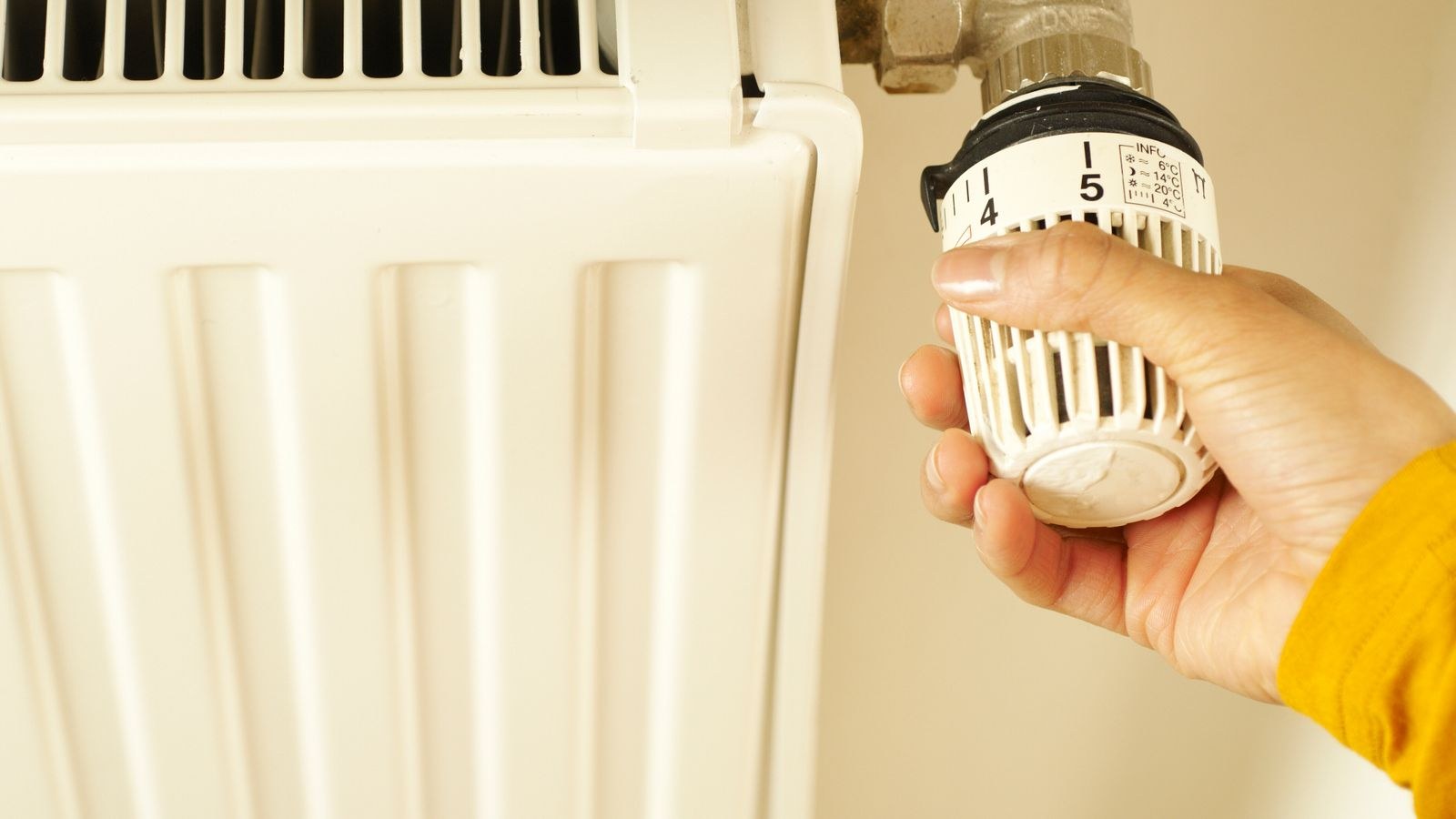
- Mechanical thermostats use a bimetallic strip or mercury-free snap switch and a dial. They need no power, never lose settings, and last decades. The trade-off is accuracy: a swing of two to three degrees around the setpoint is normal, and there is no scheduling.
- Digital non-programmable models add a temperature sensor, an LCD display, and tighter control, usually holding within one degree. You set a number and it stays there. This is the sweet spot for retirees, home offices, and anyone with an unpredictable schedule.
- Programmable models let you define setbacks by time of day and day of week, typically 5-1-1 or 7-day formats. They deliver most of the energy savings people associate with smart thermostats, without any connectivity.
If you lean toward the middle option, our list of the best digital home thermostats compares display readability and sensor accuracy. If you want scheduled setbacks, the best programmable thermostats guide sorts models by how painful the programming interface is, which is the single biggest reason schedules get abandoned.
Specs That Actually Change Daily Life
Once compatibility is settled, a short list of practical specifications separates a thermostat you forget about from one that annoys you weekly. Swing or differential determines how far the room drifts before the system fires. A tight 0.5 degree differential keeps comfort even but cycles equipment more often; a wider one degree setting is gentler on the furnace. Better units let you adjust it.
Display quality matters more than it sounds. A backlit screen with large digits is readable from across a dim hallway; a tiny unlit LCD forces you to walk over with a phone torch. Button layout is similarly underrated, since physical up and down buttons beat a touch strip for anyone with limited dexterity or cold hands.
Compressor short-cycle protection is a small feature with real value on air conditioning systems. It enforces a minimum off time, usually five minutes, before the compressor restarts, protecting an expensive component from rapid on-off cycling during a power flicker. Broader comparisons across all these traits sit in our overview of the best house thermostats.
Placement and Sizing the Wall Plate
A thermostat measures the air around it, so its position shapes how the whole house feels. Mount it on an interior wall roughly 52 to 60 inches above the floor, in a room you actually occupy. Keep it away from sunlight, supply registers, exterior doors, and kitchens, which all produce false readings.
Physical footprint is worth checking too. Replacing a wide older unit with a compact one can expose unpainted drywall, so confirm a trim plate is included.
Budget Tiers and What Each Buys You
Non-smart thermostats are one of the few home categories where the entry tier is genuinely adequate. Basic mechanical and simple digital units occupy the lowest bracket and do exactly one job well. The mid tier adds programmability, backlighting, larger displays, and adjustable differentials, which is where most buyers land. The upper end of the non-smart range brings heat pump multi-stage support, humidity readout, remote sensor inputs, and commercial-grade lockouts.
The honest advice is to spend on compatibility and display, not feature count. A mid-tier unit that correctly drives your equipment beats a premium model chosen for the wrong system every time.
Common Mistakes Buyers Make
The most expensive error is assuming any thermostat fits any system. Heat pump owners buying conventional furnace thermostats, and baseboard heater owners buying 24V models, account for the majority of returns in this category. Confirm voltage and equipment type before anything else.
A second frequent mistake is disconnecting the old wires without labelling them. Colour conventions are only loosely standardised, and an installer years ago may have used a red wire for the fan. Photograph the terminals, then tape a small label to each conductor as you remove it.
Third, people forget to shut off power at the breaker. Even a 24V circuit can short a furnace control board and blow a fuse that is buried inside the equipment cabinet. Finally, many buyers set an aggressive setback schedule and then override it constantly, which erases the savings. A modest, realistic schedule you leave alone beats an ambitious one you fight with daily.
A Five-Question Pre-Purchase Checklist
- Is my system line voltage or low voltage? Wire thickness tells you in seconds.
- What equipment am I controlling? Furnace, heat pump, boiler, baseboard, or millivolt appliance.
- How many wires and which letters? Photograph the terminals before removing anything.
- Do I have a C wire, and will I use batteries otherwise? Plan power before you buy.
- Do I want a fixed setpoint or a schedule? Be honest about whether you will program it.
Frequently Asked Questions
Can I replace a mechanical thermostat with a digital one?
Usually yes, provided the voltage and equipment type match. Older mercury-switch units on standard low voltage furnace systems swap over easily. Check whether the new model needs a C wire or runs on batteries, and confirm the wall plate covers the old footprint.
Do non-smart thermostats save energy?
A programmable one absolutely can, because scheduled setbacks while you sleep or are out cut runtime. A fixed manual thermostat saves nothing on its own; the savings come from the setbacks, not the technology. If you keep an irregular schedule and adjust the dial manually, a simple digital unit performs about as well as anything.
What happens if the batteries die?
Most battery-powered thermostats display a low battery warning for weeks first, and many hold their settings in non-volatile memory. If the cells fully drain, the system simply stops responding to calls for heat or cooling until fresh batteries go in. Replacing them yearly avoids the issue entirely.
Is a heat pump thermostat different from a regular one?
Yes. Heat pumps need a reversing valve signal and usually an auxiliary heat stage, so they use extra terminals a standard furnace thermostat does not have. Always buy a model explicitly listed as heat pump compatible, and confirm whether your valve energises in cooling or heating mode.
Can I install one myself?
On a low voltage furnace system with labelled wires, most people manage it in half an hour. Shut the breaker off first. Line voltage and multi-zone boiler jobs are better left to a technician.
Final Thoughts
Choosing a non-smart thermostat is refreshingly simple once you stop shopping by feature list and start shopping by compatibility. Establish your voltage family, identify your equipment, count and photograph your wires, then decide whether you want a fixed setpoint or a programmed schedule. Everything after that, from display size to filter reminders, is comfort rather than necessity. A well-matched basic thermostat will quietly hold your house at the right temperature for the next fifteen years without a single app update, and for a great many homes in 2026 that is precisely the right answer.