Owen Bradley
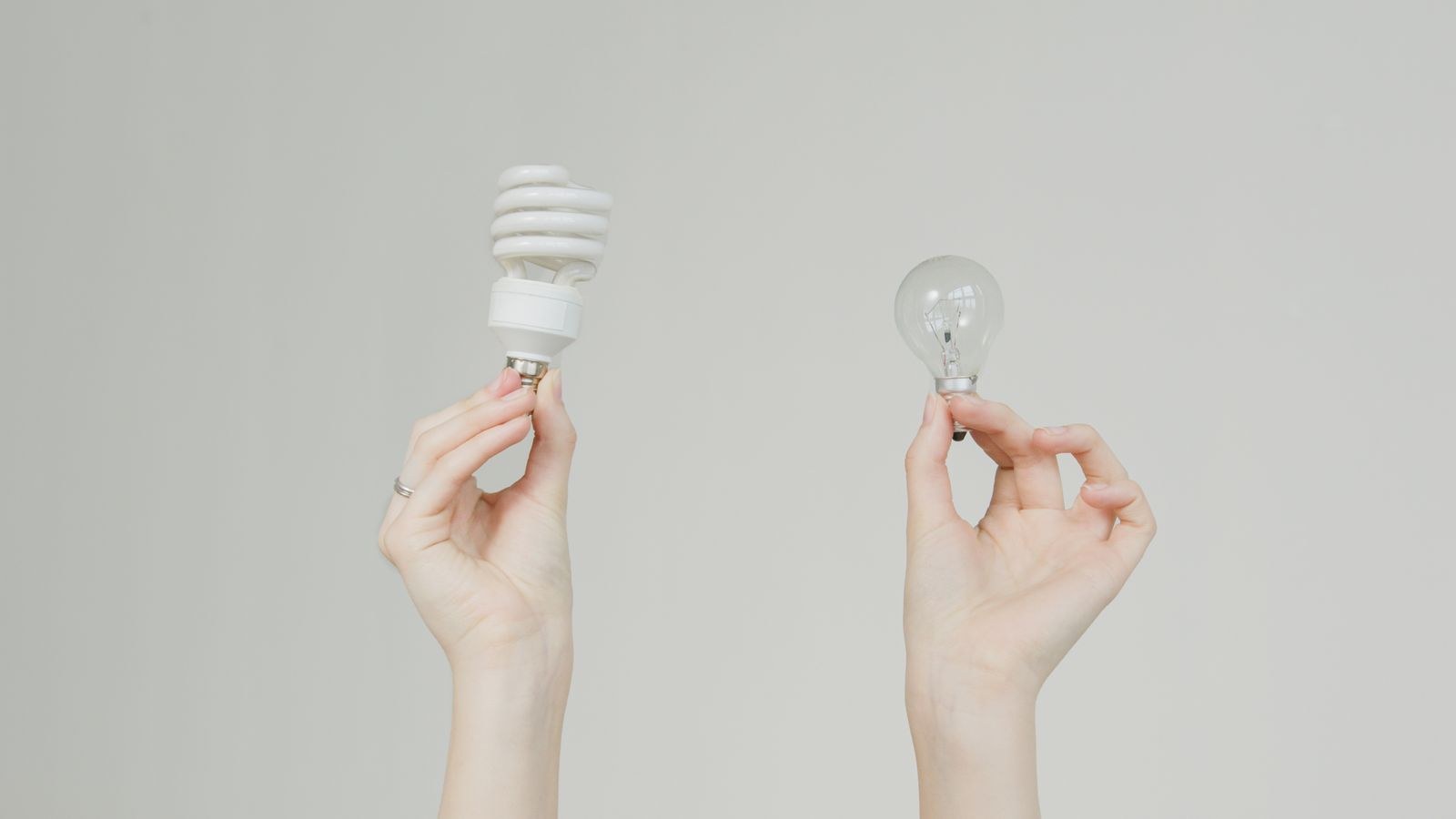
 Walk down the bulb aisle and you still face three technologies competing for the same socket: LED, incandescent, and CFL. They look similar behind the packaging, they all promise light, and their price tags range from under a dollar to well over ten. That gap causes most of the confusion, because the cheapest bulb on the shelf is almost never the cheapest bulb to own. The LED vs incandescent vs CFL question is really a question about lifespan, heat, dimming behavior, and the electricity bill that arrives long after the receipt is forgotten. This guide compares the three head to head so you can decide, fixture by fixture, which technology belongs where in your home this 2026.
How Each Bulb Actually Makes Light
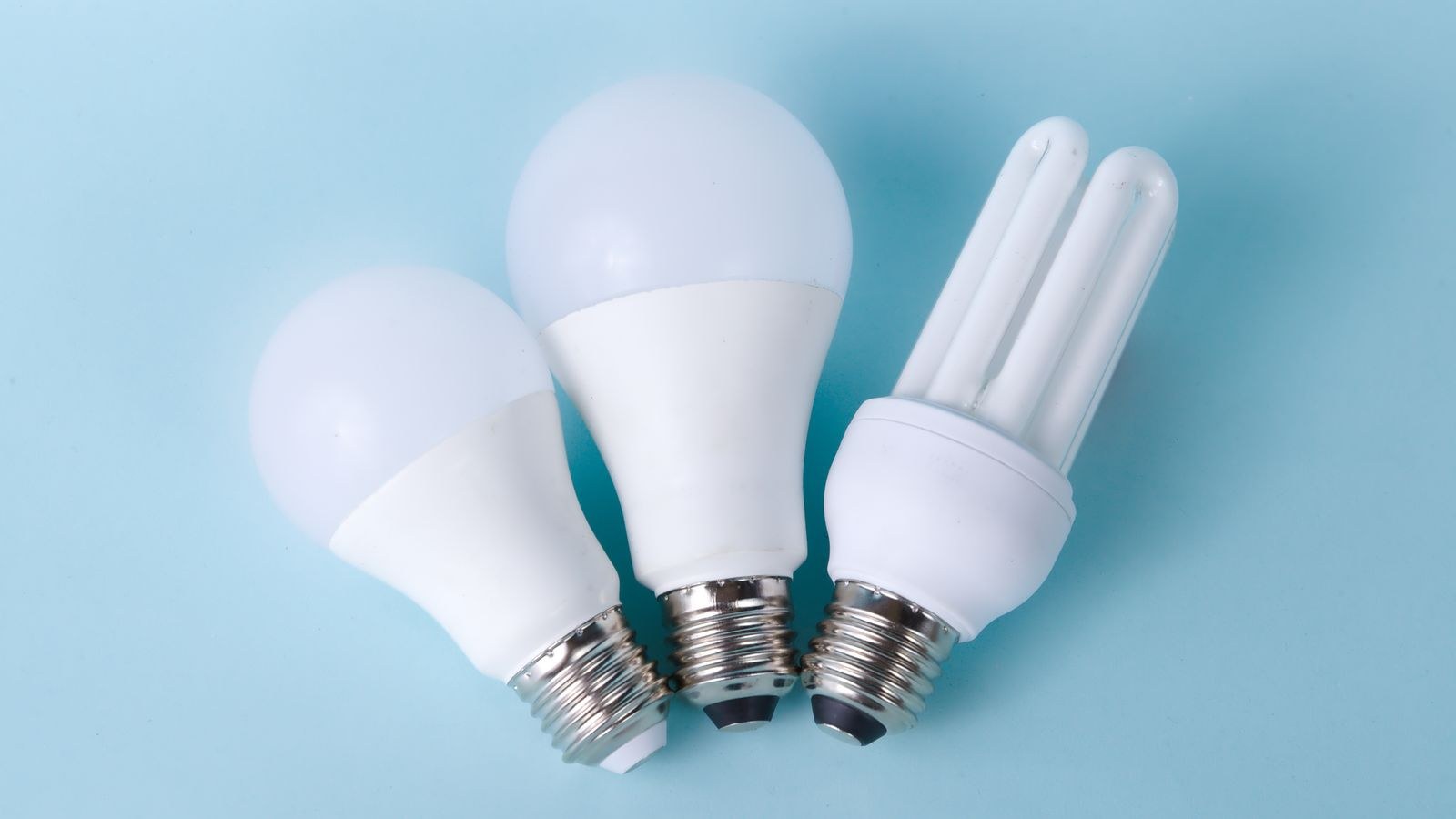
Understanding the mechanism explains almost every practical difference you will notice at home. An incandescent bulb runs current through a thin tungsten filament until it glows white-hot. It is beautifully simple, instantly bright, and dims perfectly, but roughly 90 percent of the energy leaves as heat rather than light. That is why a table lamp warms the room in summer and why the bulb burns out after a year of evening use.
A CFL, or compact fluorescent lamp, passes current through mercury vapor sealed in a folded glass tube. The vapor emits ultraviolet light, and a phosphor coating on the inside of the glass converts that UV into visible light. CFLs cut energy use dramatically compared with incandescents, which is why they dominated the transition years, but they need a moment to warm up and they contain a small amount of mercury.
An LED bulb uses semiconductor diodes that emit light directly when current passes through them. There is no filament to burn out and no gas to degrade, so the failure mode is gradual dimming rather than a sudden pop. LEDs run cool at the glass, produce full brightness instantly, and shrug off being switched on and off dozens of times a day.
Brightness: Stop Shopping by Watts
The most common mistake shoppers make is buying by wattage out of habit. Watts measure energy consumed, not light produced. Because the three technologies convert energy at wildly different efficiencies, watts became meaningless as a brightness comparison the moment LEDs arrived. The number that matters is lumens.
Roughly speaking, a traditional 60-watt incandescent produced about 800 lumens. A CFL reaches the same 800 lumens on about 13 to 15 watts. A modern LED reaches it on 8 to 9 watts, and the most efficient models now do it on 6. Scale that up and the pattern holds: a 100-watt incandescent equivalent means roughly 1600 lumens, which an LED delivers on about 15 watts.
Every package prints the lumen figure on the Lighting Facts label, usually near the top. Learn three anchor numbers and you can shop any aisle confidently: 450 lumens for accent and closet lighting, 800 lumens for the average lamp or ceiling fixture, and 1600 lumens for kitchens, garages, and task areas. If you want a shortlist that already sorts models by output and color quality, our roundup of the best LED light bulbs is organized around lumens rather than legacy wattage.
Lifespan and Replacement Frequency
Lifespan is where the three technologies separate most dramatically, and it drives the real cost of ownership more than the sticker price does.
- Incandescent: roughly 1,000 hours. In a lamp used four hours a night, that is under a year.
- CFL: roughly 8,000 to 10,000 hours, though frequent switching shortens it considerably.
- LED: roughly 15,000 to 50,000 hours depending on quality and heat management.
The practical consequence matters more than the raw numbers. A ceiling fixture in a two-story stairwell, a recessed can in a vaulted ceiling, or an outdoor soffit light is genuinely annoying to reach. Putting a 1,000-hour bulb up there guarantees a ladder trip every year or so. Putting a long-life LED up there may mean you never touch it again while you live in the house. Reserve the shortest-lived technology for fixtures you can reach from the floor, if you use it at all.
One caveat on LED lifespan claims: the rating assumes adequate cooling. An LED crammed into a fully enclosed glass fixture traps heat around the driver electronics and can fail years early. If your fixture is sealed, look specifically for a bulb rated for enclosed fixtures.
The True Cost Comparison
Run the arithmetic once and the purchase decision usually settles itself. Take a single fixture used three hours a day, about 1,100 hours a year, at an electricity rate near the national average of roughly 16 cents per kilowatt-hour.
- Incandescent at 60W: 66 kWh per year, about $10.56 in electricity, plus one or two replacement bulbs.
- CFL at 14W: 15.4 kWh per year, about $2.46 in electricity, with a bulb lasting many years.
- LED at 9W: 9.9 kWh per year, about $1.58 in electricity, with a bulb that may outlast the fixture.
A single lamp saves roughly nine dollars a year moving from incandescent to LED. That sounds modest until you count sockets. A typical home has thirty to fifty of them, and the savings scale linearly. The higher purchase price of an LED is typically recovered within the first year of use in any fixture that runs daily. If cutting the power bill is your main motivation, comparing the best energy saving bulbs by lumens per watt shows exactly where the efficiency leaders sit.
Light Quality: Color Temperature and CRI
Efficiency means nothing if the light looks wrong. Two specs govern how a bulb makes your room feel.
Color Temperature (Kelvin)
Measured in Kelvin, this describes whether light reads warm and yellow or cool and blue. Incandescents sit naturally around 2700K, the cozy tone most people associate with home lighting. LEDs and CFLs are manufactured across the range, so you choose deliberately: 2700K for living rooms and bedrooms, 3000K for kitchens and bathrooms where a slightly crisper tone helps, 4000K for garages, laundry rooms, and workshops, and 5000K only where you want daylight-like clarity for detailed work. Mixing temperatures within one room is the fastest way to make a space look unplanned.
Color Rendering Index
CRI, on a 100-point scale, describes how accurately a light source reveals color. Incandescents score essentially 100 by definition. Early CFLs often landed in the low 80s, which is why skin tones and food looked flat under them, and it earned fluorescent lighting a poor reputation that lingers. Good modern LEDs reach 90 or above. In kitchens, bathrooms, closets, and anywhere you judge color, insist on CRI 90 or higher; in a garage or utility space, 80 is fine. For a sense of how far tube and compact fluorescent color quality has come, see our comparison of the best fluorescent light bulbs.
Dimming, Switching, and Warm-Up
Behavior in daily use separates these bulbs as much as their specs. Incandescents dim flawlessly from full brightness down to a candle-like glow, and they warm in color as they dim, which is exactly what most people want in a dining room. That single strength keeps them relevant in decorative applications.
CFLs are the weakest performers here. Most are not dimmable at all, dimmable versions behave poorly across the low end of the range, and nearly all need thirty seconds to a couple of minutes to reach full brightness in cold conditions. They also dislike being switched frequently, which makes them a bad match for closets, pantries, and hallways where the light is on for a minute at a time.
LEDs reach full output instantly and tolerate unlimited switching, but dimming requires attention. A bulb must be explicitly labeled dimmable, and it must be paired with a dimmer designed for LED loads. Old triac dimmers built for incandescent wattage often cause flicker, buzz, or a dead zone at the bottom of the dial. Replacing the dimmer is usually the fix, not replacing the bulb again.
Heat and Safety Considerations
An incandescent bulb’s surface can exceed 200 degrees Fahrenheit, hot enough to scorch a paper shade, discolor a plastic fixture, or burn a hand during replacement. In a closet or a child’s room, that is a genuine hazard. CFLs run much cooler but contain a few milligrams of mercury, so a broken bulb requires careful cleanup and spent bulbs should go to a recycling drop-off rather than household trash.
LEDs run cool at the glass and contain no mercury, though their base and driver do generate heat internally. Their disposal is straightforward, and their durability means they survive vibration in ceiling fans and garage door openers where filaments break. For decorative fixtures where you specifically want the filament look and instant warm dimming, comparing options among the best incandescent light bulbs still makes sense, especially now that filament-style LEDs mimic the look with a fraction of the heat.
Which Bulb for Which Room
Rather than declaring one universal winner, match the technology to the socket.
- Living rooms and bedrooms: dimmable LED at 2700K with CRI 90 or higher. Warm, controllable, and efficient.
- Kitchens and bathrooms: LED at 3000K to 4000K, high CRI, rated for damp locations where relevant.
- Closets, pantries, hallways: LED, because instant-on and unlimited switching matter more than anything else here.
- Garages, basements, workshops: LED at 4000K to 5000K with high lumen output; cold-start performance beats CFL decisively in unheated spaces.
- Outdoor fixtures: LED rated for wet or damp locations and for the temperature extremes your climate produces.
- Decorative exposed-filament fixtures: filament-style LED first, incandescent only if you want the exact traditional dimming curve.
CFLs increasingly land in a narrow middle ground. If you already own working CFLs, there is no urgency to bin them, but there are few situations today where a new CFL beats a new LED on cost, quality, or convenience.
Common Mistakes When Switching
- Buying by watts instead of lumens and ending up with a room that is far dimmer or harsher than expected.
- Mixing color temperatures in one room, which makes the space read as mismatched no matter how good each bulb is individually.
- Ignoring the dimmable label and blaming the bulb for flicker that a compatible dimmer would eliminate.
- Using standard LEDs in fully enclosed fixtures, which cooks the driver and cuts lifespan drastically.
- Chasing the cheapest bulk pack, where low CRI and poor thermal design show up as color shift and early failure.
- Throwing CFLs in the household trash instead of recycling them because of the mercury content.
Frequently Asked Questions
Is it worth replacing working incandescent bulbs with LEDs?
In any fixture used more than an hour a day, yes. The energy savings usually cover the purchase price within a year, and you stop buying replacements. For a bulb that runs a few minutes a month, wait until it fails.
Why does my LED bulb flicker?
Most often the bulb is on a dimmer built for incandescent loads, or a non-dimmable bulb is on a dimmed circuit. Confirm the bulb says dimmable, then check that the dimmer lists LED compatibility and a minimum load your bulbs actually meet.
Do LEDs really last decades?
Rated hours assume proper cooling and stable power. In an open fixture with clean power, a quality LED can run ten years or more of normal use. In an enclosed or very hot fixture, expect considerably less unless the bulb is rated for it.
Are CFLs dangerous because of the mercury?
The quantity is small and sealed inside the glass. An intact bulb poses no risk. If one breaks, ventilate the room, avoid vacuuming the debris, and collect fragments with stiff paper and tape.
Why do some LEDs look harsh even at low wattage?
That is usually color temperature or CRI, not brightness. A 5000K bulb in a bedroom will always feel clinical. Drop to 2700K and choose CRI 90 or above and the same lumen output feels dramatically softer.
Final Thoughts
The honest verdict is that LEDs win the LED vs incandescent vs CFL comparison in nearly every metric that matters day to day: efficiency, lifespan, instant brightness, switching tolerance, heat, and now light quality too. CFLs served as a useful bridge and remain acceptable in fixtures that stay on for long stretches, while incandescents survive as a niche choice where perfect dimming and filament aesthetics outweigh running costs. Rather than converting the whole house in a weekend, upgrade as bulbs fail and prioritize the fixtures that run longest and sit highest. Shop by lumens, choose color temperature deliberately, insist on high CRI where color matters, and check the enclosed-fixture rating before you screw anything into a sealed dome.