Owen Bradley
 Most people only think about indoor humidity when something goes wrong: a window streaming with condensation in January, a musty smell in the basement in August, a shock every time they touch a doorknob. Those are all signals that the moisture content of the air has drifted outside a fairly narrow comfortable band. The ideal indoor humidity level is not a single number, though; it shifts with the season, with the temperature outside, and with how well your house is insulated. This guide explains the target range to aim for in summer and winter, how to measure it properly, what mold, static, and condensation are actually telling you, and which equipment fixes each problem.
The Short Answer: 30 to 50 Percent
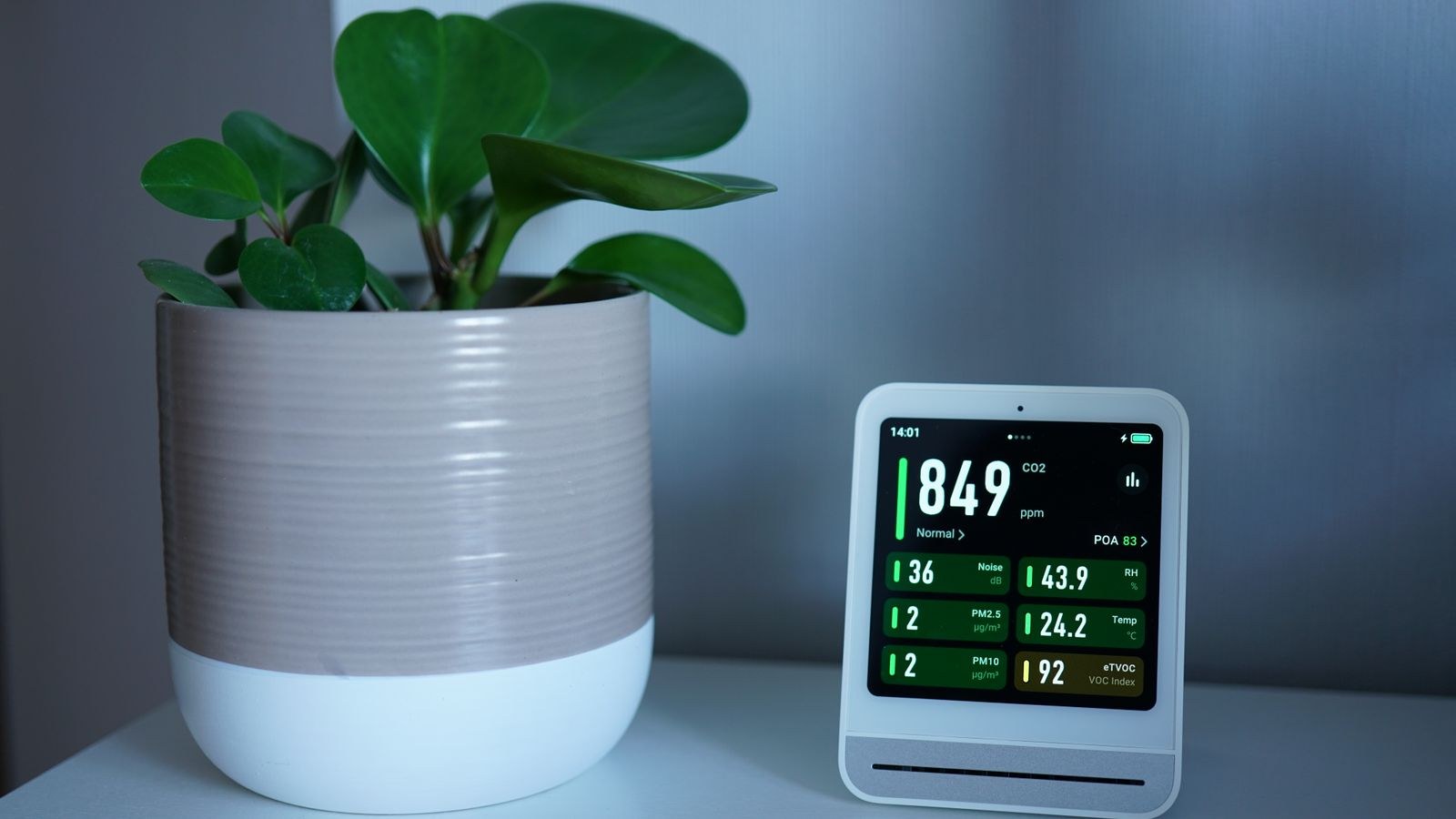
For most homes, relative humidity between 30 and 50 percent is the target, and 40 to 45 percent is the sweet spot where comfort, health, and building protection all overlap. Below 30 percent you get dry sinuses, cracked skin, static electricity, and shrinking wood. Above 50 percent, dust mites and mold spores begin to thrive, and above 60 percent the risk of visible mold growth on cool surfaces rises sharply.
Relative humidity is a percentage of how much water the air could hold at its current temperature, which is why the number moves when the temperature moves even though the actual moisture has not changed. Warm air holds far more water than cold air. That single fact explains almost everything that follows about seasonal targets.
Summer Target: 45 to 50 Percent
In summer, outdoor air is warm and often loaded with moisture, and every time a door opens some of that humidity comes inside. Cooking, showering, and laundry add more. The problem in warm months is almost always too much humidity rather than too little.
Aim for 45 to 50 percent, and do not exceed 55. At that level the air feels cool rather than clammy, sweat evaporates properly, and you can often raise the thermostat a degree or two without feeling warmer, because dry air at 76 degrees feels better than damp air at 73. Air conditioning removes moisture as a side effect of cooling, so a correctly sized system handles much of this. An oversized system does not: it cools the room quickly, shuts off before it has run long enough to condense much water, and leaves you cold and damp at the same time.
Basements and ground floors run several points higher than the rest of the house because cool surfaces below grade encourage condensation. If yours sits above 60 percent, a dedicated unit is the answer; the best dehumidifiers for home use covers sizing by square footage and dampness level, and the best room dehumidifiers are the right scale for a single problem area like a laundry room or a finished basement.
Winter Target: 30 to 40 Percent
Winter flips the problem. Cold outdoor air holds very little moisture, and when it leaks into your house and is heated to room temperature, its relative humidity collapses. Homes in cold climates routinely read in the teens and low twenties in midwinter without any obvious cause other than the furnace running.
Aim for 30 to 40 percent, and lean toward the lower end when it is very cold outside. This is the part most people get wrong. You cannot simply hold 45 percent all winter, because the colder the outdoor temperature, the colder your window glass and exterior walls become, and the sooner indoor air hitting those surfaces reaches its dew point and condenses. A useful rule of thumb for older homes with single or double glazing: at 20 degrees outside keep indoor humidity near 35 percent, at zero degrees drop to 25 percent, and below that go lower still. Modern triple-glazed and well-insulated houses tolerate higher levels because their interior surfaces stay warmer.
If your winter readings sit stubbornly below 30 percent, the fix is a humidifier. A portable unit in the bedroom solves the symptoms that bother you most, and the best cool mist humidifiers are the usual starting point for that job. For a house that reads dry everywhere, a furnace-mounted solution avoids refilling tanks in five rooms; the best whole home humidifiers tie into the ductwork and run off a central humidistat.

How to Measure It Properly
You cannot manage humidity you are not measuring, and guessing from how the air feels is unreliable. A digital hygrometer costs very little and is the single best diagnostic tool for indoor air. Buy two or three and place them in different rooms, because readings vary dramatically across one house.
Placement matters. Keep the sensor away from exterior walls, direct sunlight, heating vents, and the humidifier or dehumidifier itself, all of which produce local readings that do not represent the room. Mount it around chest height, in open air, and let it stabilize for at least half an hour after moving it. Compare readings between the basement, the main floor, and an upstairs bedroom; a spread of 15 points or more usually points to an air-sealing or ventilation issue rather than an equipment issue.
Cheap hygrometers drift over time. You can sanity-check one with the salt test: seal the device in a bag with a capful of damp table salt for eight hours, and a healthy unit should read close to 75 percent.
Reading the Warning Signs
Your house tells you when humidity has drifted, well before you look at a gauge.
- Static shocks, flyaway hair, and cracked lips mean you are below roughly 30 percent. Wood floors and furniture may develop visible gaps at the same time.
- Gaps in hardwood, split trim, or a piano falling out of tune indicate prolonged dryness that is doing structural damage, not just causing discomfort.
- Window condensation means the indoor air is too moist for how cold the glass is. Occasional fogging on a very cold night is normal; daily pooling on the sill is not.
- A musty smell is the earliest reliable sign of mold or mildew activity, usually meaning sustained readings above 60 percent somewhere nearby.
- Clammy skin and sheets that never feel dry in summer point to humidity in the high 50s or above.
- Peeling paint, bubbling wallpaper, or rust on metal fixtures reflect long-term excess moisture, often in a bathroom or basement with poor ventilation.
Why Too Much Humidity Is Worse Than Too Little
Dry air is uncomfortable and hard on wood, but it is largely reversible. Excess moisture causes cumulative damage. Mold needs sustained relative humidity above roughly 60 percent at a surface to establish itself, and once it takes hold in drywall or carpet backing, remediation is expensive. Dust mites, the most common indoor allergen trigger, cannot survive below about 50 percent and multiply rapidly above it. Wood rot, corroding fasteners, and degraded insulation all follow the same curve.
This is why the advice to hold 40 to 45 percent rather than 50 to 55 is worth following even though both feel comfortable. The lower target gives you margin on cold surfaces, where the local humidity right at the wall is always higher than what your hygrometer reads in the middle of the room.
Fixing High Humidity Without Buying Anything
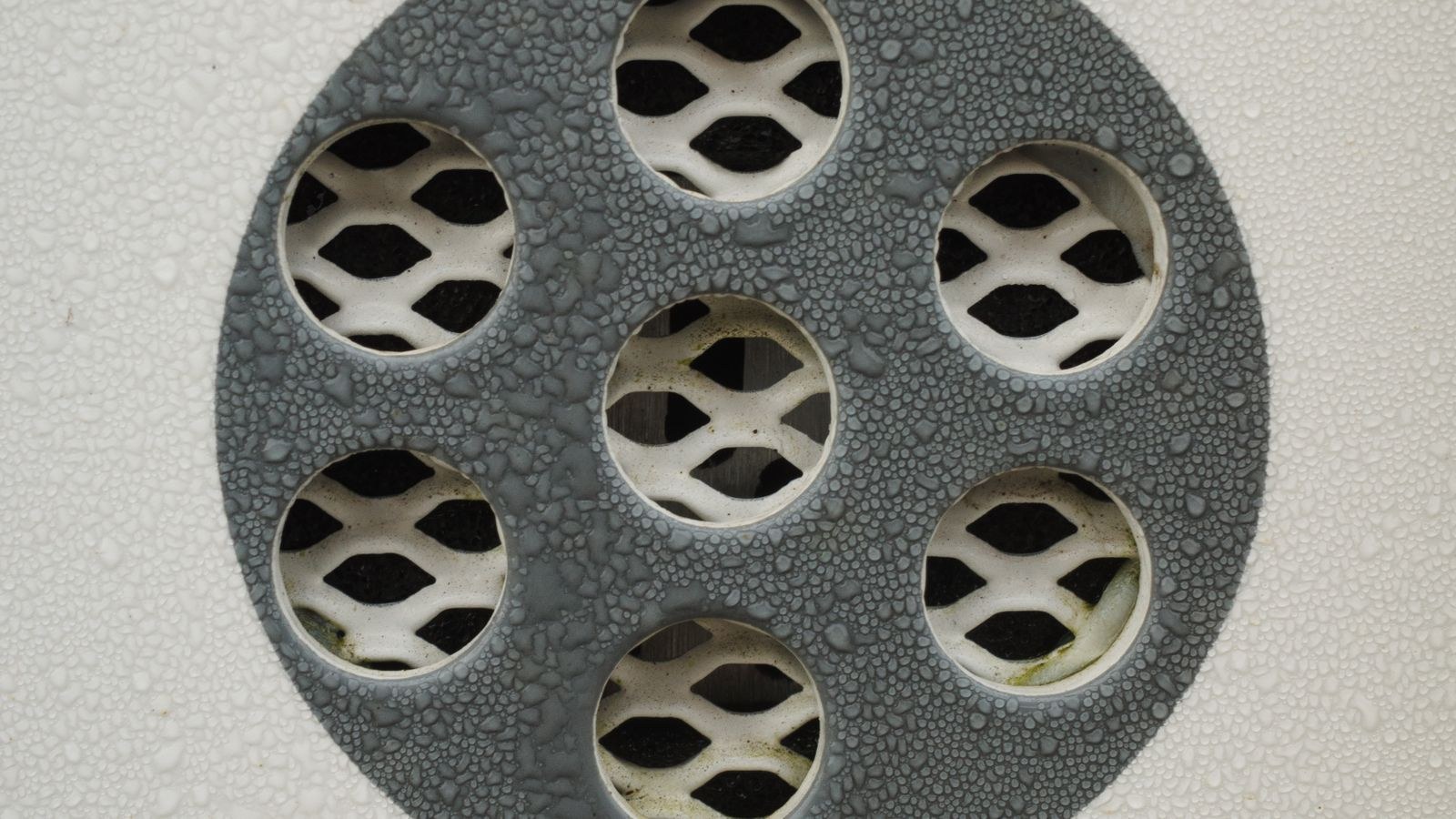
Before you shop, several free or cheap changes often move the number several points. Run the bathroom exhaust fan during every shower and for twenty minutes afterward, and confirm it actually vents outside rather than into the attic. Use the range hood when cooking, especially when boiling. Vent the clothes dryer outdoors and check the duct for lint blockage, which is both a moisture and a fire issue.
In a basement, insulate cold water pipes to stop them sweating, make sure gutters and downspouts carry water well away from the foundation, and grade soil so it slopes away from the house. Avoid drying laundry indoors during humid months, and keep houseplants in check, since a large collection releases a surprising amount of water. If those measures leave you still above 55 percent, then buy a dehumidifier sized to the space rather than trying to solve a drainage problem with an appliance, and dial it in using our guide to the best dehumidifier settings for each season.
Fixing Low Humidity
Air sealing is the first move. Most winter dryness comes from cold outside air infiltrating through gaps around windows, doors, rim joists, and attic hatches. Sealing those leaks raises indoor humidity for free and lowers heating bills at the same time. Leaving bathroom doors open after showers, air-drying dishes, and not over-running exhaust fans in winter all keep a little more moisture in the house.
Once you have done that, add a humidifier sized to the room and set a humidistat rather than running it continuously. Lower the target when a cold snap arrives, and raise it again when the weather moderates. Chasing a fixed number all winter is the most common way people end up with condensation damage around their windows.
Special Cases Worth Knowing
A nursery should sit at 40 to 50 percent year-round; infants are sensitive to both dry air and dust mites, so the middle of the range is the safe target. Musical instruments, particularly pianos and acoustic guitars, want a stable 40 to 45 percent, and the stability matters more than the exact figure. Wine storage calls for a higher 50 to 70 percent to protect corks. Server closets and home offices with electronics prefer 40 to 50 percent, low enough to avoid corrosion but high enough to suppress static discharge. Crawl spaces should stay below 60 percent, which usually means a vapor barrier plus a dedicated unit rather than ventilation alone.
Frequently Asked Questions
What humidity is too high for a house?
Anything sustained above 60 percent is a mold risk, and above 65 percent you should treat it as urgent. Brief spikes after a shower or while cooking are normal and harmless as long as the level falls back within an hour.
Why is my humidity so low even with the heat on?
Heating does not remove moisture; it raises the air temperature, which lowers relative humidity for the same amount of water. Combine that with cold, dry outside air leaking in and readings in the teens are common in winter.
Should I run a humidifier and a dehumidifier at once?
Not in the same room, ever, since they will simply fight each other and waste electricity. Running one in a damp basement while another runs in a dry upstairs bedroom is perfectly reasonable, because they are addressing separate zones.
Does air conditioning dehumidify enough on its own?
Often, but not always. A correctly sized system removes a lot of moisture during long run cycles. An oversized unit short-cycles and leaves the air damp, which is why some homes need a dehumidifier even with the air conditioning running.
How quickly should the number change?
Expect several hours, not minutes. A sealed room responds within two or three hours; a leaky house may take a full day to settle after you change a setting.
Final Thoughts
Aim for 40 to 45 percent as a default, drift up toward 50 in summer, and pull down toward 30 as winter temperatures fall and your window glass gets colder. Buy a couple of hygrometers before you buy any appliance, because knowing the actual number in each part of the house tells you whether you have a moisture problem, a dryness problem, or a ventilation problem wearing the costume of both. Fix the ventilation and air sealing first, then let a properly sized humidifier or dehumidifier hold the line.