Owen Bradley
 Every audio system is described by a short numeric code, and almost nobody explains what the digits mean before expecting you to choose between them. Walk into any comparison and you are asked to pick between 2.1, 5.1, and 7.1 as though the answer were obvious. It is not, because the right configuration depends on the shape of your room, where the sofa sits, and what you actually watch. With home theater channels explained properly, the decision becomes far simpler: you are choosing how many directions sound arrives from, and every extra direction only helps if there is somewhere sensible to put the speaker that produces it.
How to Read the Numbers
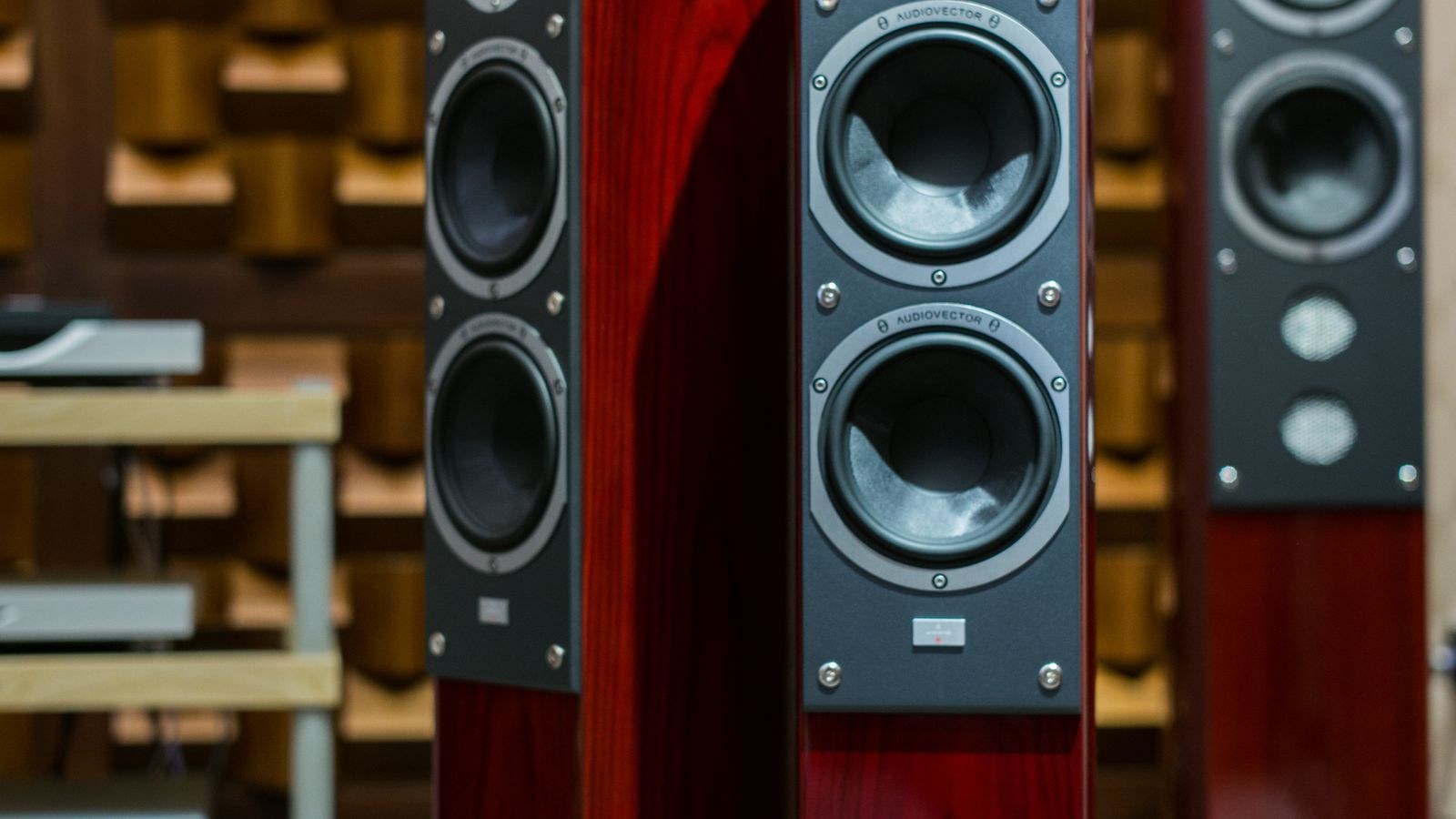
The first digit counts speakers at ear level. The second counts subwoofers. A third digit, when present, counts height or ceiling channels. So 2.1 is two ear-level speakers plus a subwoofer, 5.1 is five plus a subwoofer, and 5.1.2 adds two height channels on top of that.
What the numbers do not tell you is quality. A 2.1 system built from excellent speakers can sound better on most content than a cheap 7.1 package, because the money went into drivers and cabinets rather than into quantity. Treat the code as a description of layout, not a ranking.
What Each Channel Actually Does
The front left and right channels carry music, ambience, and most effects that move across the screen. They define the width and the tonal character of the whole system, which is why they usually deserve the largest share of the budget in a stereo-leaning setup.
The centre channel carries the overwhelming majority of dialogue, typically somewhere between 60 and 70 percent of a film’s total content. It anchors speech to the screen so voices come from the actor rather than from either side. This is the single most important channel in a film system and the one people most often underspend on.
The surround channels carry ambience, reflections, and effects that pass around or behind you. They are quieter than the fronts most of the time, and their job is atmosphere rather than headline effects. Placement matters more here than raw capability.
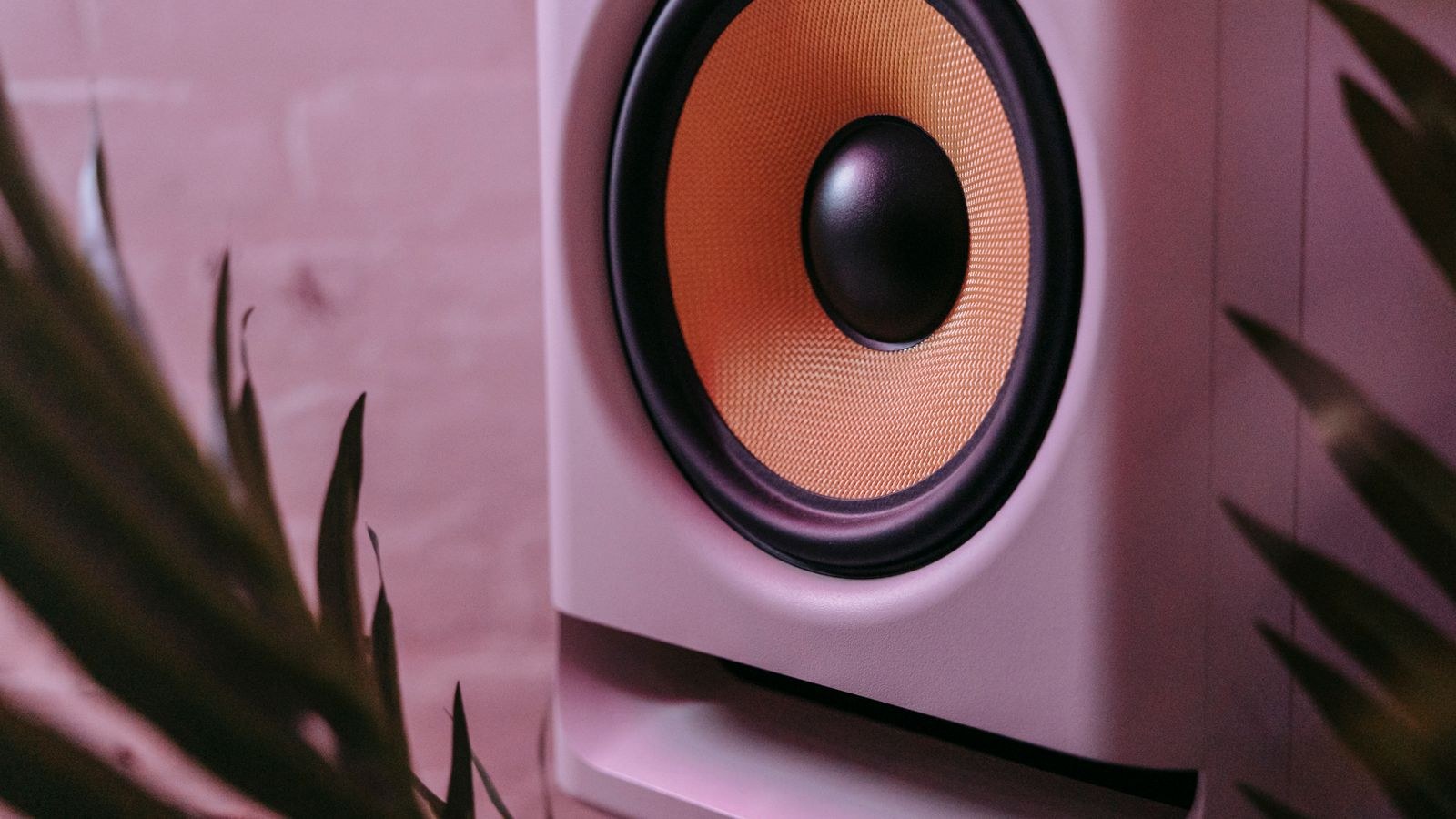
The subwoofer, the .1, handles the low frequency effects channel plus any bass redirected from speakers too small to reproduce it. It supplies weight and physical impact, and it is the reason a modest system with a good subwoofer feels more convincing than an expensive one without.
Height Channels
A third digit adds overhead information for object-based soundtracks: rain, aircraft, and anything the mix places above the listener. These are either ceiling speakers or upward-firing modules that bounce sound off a flat ceiling. They are the most room-dependent addition in the whole system and should be the last thing you buy, not the first.
2.1: The Efficient Starting Point
Two speakers and a subwoofer is the most underrated configuration in home audio. It gives you a genuine stereo image, real bass, and no wiring behind the seating. For music it is arguably ideal, since the vast majority of music is mixed in stereo and adding channels means processing rather than reproducing.
Its weakness is dialogue in films. Without a centre channel, speech is created as a phantom image between the two front speakers, which works well if you sit exactly in the middle and less well anywhere else. In a room where several people sit off-axis, that phantom centre wanders and voices lose focus.
Choose 2.1 for a small room, a bedroom, a desk-adjacent setup, a music-first household, or any situation where you cannot run cable behind the seats. Our overview of 2.1 speaker systems covers how much performance this simple layout delivers when the components are chosen well.
5.1: The Standard for Good Reason
Five channels plus a subwoofer has been the reference layout for home cinema for decades, and it remains the sweet spot. Adding a centre channel solves dialogue completely; adding two surrounds gives you genuine envelopment. Almost every film soundtrack is mixed with this layout in mind, so nothing needs to be invented by processing.
Placement follows a straightforward pattern. The front left and right sit roughly 22 to 30 degrees either side of the seating position, angled slightly inward. The centre goes directly above or below the screen, aimed at ear height. The surrounds go to the sides and slightly behind the listener, ideally a little above ear level. The subwoofer goes along the front wall, offset from the centre rather than jammed into a corner.
This is the configuration most rooms should target. It works in spaces from about 150 to 300 square feet, it is well supported by content, and it does not demand a room with space behind the sofa. A look at complete 5.1 speaker packages shows how compact a modern implementation can be.
7.1: When Two More Speakers Earn Their Place
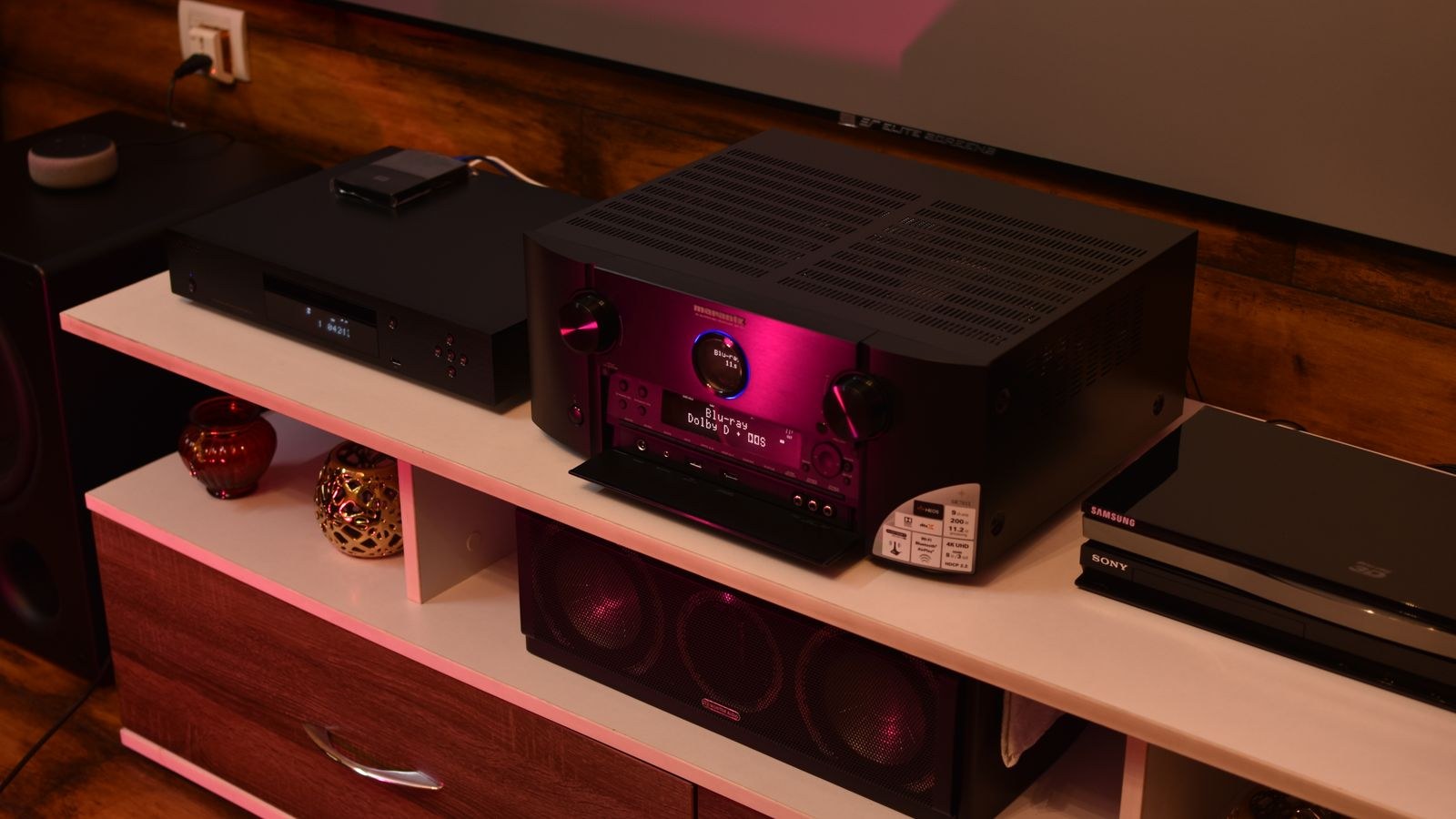
Seven channels splits the surround duties: side surrounds beside the listener and separate rear surrounds behind. Effects can now travel from front to side to back as distinct steps rather than one transition, which makes movement across the room smoother and more precise.
The condition is geometry. Rear surrounds need real space behind the seating, ideally at least three or four feet, and the side surrounds need somewhere to go that is genuinely to the side. If the sofa is against the back wall, rear speakers end up firing into the back of your head from inches away, which sounds worse than not having them.
Choose 7.1 for a large or dedicated room with seating pulled well forward. Skip it for a typical living room where the sofa backs onto a wall, and put the money into better front speakers or a stronger subwoofer instead. If the geometry does work in your favour, our comparison of 7.1 speaker systems covers what the extra pair adds in practice.
Choosing by Room Size and Layout
- Under 150 square feet: 2.1, or 3.1 if dialogue clarity is the priority.
- 150 to 250 square feet: 5.1 is the natural fit and the best value per speaker.
- 250 to 400 square feet: 5.1 with capable speakers, or 5.1.2 if the ceiling suits height channels.
- Over 400 square feet or a dedicated room: 7.1 or 7.1.4, with seating pulled away from the rear wall.
- Sofa against the back wall: stay at 5.1 regardless of room size.
- Cannot run rear cable: 2.1 or 3.1, or a wireless surround kit.
The Upgrade Path That Gives the Biggest Jump
If you are building over time rather than buying everything at once, the order matters enormously. Start with the front left and right, because they carry the most content and set the tonal character everything else must match. Add the subwoofer second, since it delivers the most dramatic perceived improvement per pound spent.
Add the centre channel third, and buy it from the same range as your fronts. A mismatched centre is the most common flaw in home systems: as sound pans across the screen, the tonal shift between speakers is instantly audible. Timbre matching across the front three matters more than the individual quality of any one of them. Our guide to center channel speakers explains why this pairing deserves so much attention.
Surrounds come fourth, and here you can relax slightly on matching, since surround content is more diffuse. Height channels come last, and only if your ceiling is flat, hard, and roughly eight to ten feet high. For an overview of how the pieces fit together, our roundup of surround sound speakers covers full layouts rather than individual components.
Why Amplification Has to Keep Up
Every ear-level channel needs its own amplifier channel from the receiver. A five-channel receiver cannot drive a seven-channel layout, and adding height channels raises the requirement again. Buy a receiver with at least two channels of headroom beyond your current plan if you intend to expand, since replacing it later is more expensive than specifying it correctly once.
Placement Errors That Undo Good Equipment
The most damaging mistake is putting the centre channel inside a cabinet or behind furniture. Its output must reach the listener directly and at roughly ear height; muffle it and you have undone the entire reason for buying it. Angle it toward the seats if it sits high or low.
The second is corner-loading the subwoofer for maximum volume. Corners boost output but excite room modes, producing bass that booms at some frequencies and disappears at others. Try positions along the front wall, and use the crawl trick: put the subwoofer at the listening position, play bass-heavy content, and crawl around the room until you find where it sounds most even. Put the subwoofer there.
The third is surrounds placed too far forward, which collapses the sense of envelopment, or aimed directly at ears from close range, which makes them distractingly obvious. Slightly above ear level and slightly behind the seating is the reliable compromise.
Common Mistakes to Avoid
Buying more channels than your room supports is the classic error, and it usually comes at the cost of speaker quality. A well-executed 5.1 beats a compromised 7.1 in almost every real living room. The second mistake is mixing brands and ranges across the front three channels, which produces audible tonal shifts as sounds move across the screen.
The third is skipping the receiver’s automatic room correction. It sets levels, distances, and crossover points, and it takes ten minutes with the supplied microphone. Systems that are never calibrated routinely sound worse than cheaper ones that were.
Frequently Asked Questions
Is 7.1 noticeably better than 5.1?
Only in a room with genuine space behind the seating. With the sofa against a wall the extra pair adds little and can muddle the surround field. In a large dedicated space, the improvement in effect movement is clear.
Can I run 5.1 without a subwoofer?
Technically yes, if the main speakers are large enough to reproduce low frequencies. In practice the low frequency effects channel is designed to be sent somewhere, and most systems sound thin without a dedicated subwoofer.
What does the .2 or .4 at the end mean?
It counts height or ceiling channels for object-based audio. Two means one pair, four means two pairs, typically front and rear overhead. They need a suitable flat ceiling to work as intended.
Should all my speakers match?
The front three should come from the same range wherever possible, since dialogue and effects pan constantly between them. Surrounds can differ slightly without much penalty, and the subwoofer never needs to match anything.
Does channel count affect music playback?
Most music is mixed in stereo, so it plays through the front pair regardless of how many speakers you own. Upmixing to more channels is optional processing, not extra information, which is why a good 2.1 system is so satisfying for music.
Final Thoughts
Channel counts describe a layout, not a league table. Choose 2.1 for small rooms and music, 5.1 for the overwhelming majority of living rooms, and 7.1 only when the room genuinely has space behind the seats. Then spend the budget in the order that pays: front pair, subwoofer, matched centre, surrounds, and height channels last. Place the centre at ear height and clear of obstruction, move the subwoofer until the bass evens out, and run the room calibration before deciding anything sounds wrong. Follow that sequence and a modest system assembled in 2026 will outperform a far more expensive one thrown into a room without a plan.