Owen Bradley
 When people finally decide to protect their important papers, they usually face a fork in the road: buy a fireproof document bag for a modest sum, or buy a proper fire safe for considerably more. The bag is light, portable and cheap. The safe is heavy, permanent and stronger. Marketing for both uses the same reassuring language about fire ratings and waterproofing, which makes them look interchangeable when they are not. The honest answer in the fireproof document bag versus safe debate is that they solve different problems, and the best setup for most households uses both. This guide compares them on heat rating, water resistance, theft protection, capacity and evacuation value so you can decide where your money goes first.
What Each One Actually Is
A fireproof document bag is a soft envelope or pouch built from layers of fibreglass or silicone-coated glass fibre, usually closed with a hook-and-loop flap and a zip. It weighs well under two pounds, folds flat, costs little, and slides into a drawer, a backpack or the bottom of a filing cabinet. Sizes typically run from passport-holder up to legal-folder dimensions.
A fire safe is a rigid steel box with thick insulation between inner and outer walls. That insulation is usually a gypsum-based composite holding chemically bound water, which releases as steam under heat and keeps the interior cool. Safes weigh anywhere from around 30 pounds for a small lockbox to several hundred pounds for a document-capacity model, and they lock with a key, keypad, dial or fingerprint reader.
Fire Protection Compared
This is the comparison that matters most, and the results are less lopsided than you might expect on paper, but more lopsided in practice.
Quality document bags typically claim protection to roughly two thousand degrees Fahrenheit for brief exposure, often quoted in minutes rather than hours. Because the bag is thin and flexible, it insulates by reflecting and resisting flame contact rather than by absorbing heat with mass. It performs well against direct flame for a short period and poorly against sustained ambient heat in a room that stays at furnace temperatures for an hour.
A rated fire safe works the opposite way. Its insulation has thermal mass, so it holds the interior below a stated threshold, commonly 350°F for paper, across a rated duration of 30 minutes, one hour or two hours. That is the realistic scenario in a house fire: not a brief flame lick, but an entire room burning and then smouldering for an extended period. Independently verified safe ratings from testing laboratories publish their protocol, whereas bag claims are usually manufacturer-tested with no comparable standard. The best fireproof safes therefore give you a number you can actually rely on, while a bag gives you a number that is difficult to compare between brands.
The Digital Media Problem
Neither product automatically protects hard drives, SSDs, USB sticks or memory cards. Those fail around 125°F, far below the paper threshold. Safes rated for media exist and cost more, and some bags advertise media-safe interiors, but verify the specific interior temperature figure rather than trusting the word “fireproof” on the label. For drives, the most reliable approach is layering: a media pouch inside a rated safe, plus an off-site or cloud copy of anything irreplaceable.
Water Resistance Compared
Fires end with water, and water is what actually destroys most documents that survive the heat. Sprinklers, hoses, burst pipes and collapsed floors deliver far more water than people expect, and it can sit for hours before anyone digs through the debris.
Bags handle this reasonably well if they use a proper zip closure inside the flap, since the fibreglass shell sheds water and the interior stays dry through significant soaking. Cheap bags with only a hook-and-loop flap leak readily. Safes state water resistance as a submersion depth and duration, such as eight inches for 24 hours, achieved with a gasket that seals the door. That is a stronger and more measurable claim, and it is why models compared in the best fire and waterproof safes category are the sensible choice for anyone in a flood-prone area or storing documents in a basement.
One quirk works in the bag’s favour. Fire safe insulation releases steam into the sealed interior when heated, so paper can come out damp and warped even when it survives. A sealed bag placed inside the safe keeps that humidity away from the contents, which is one of the strongest arguments for using both together.
Theft Protection: No Contest
A document bag offers zero theft protection. It is a soft pouch that a burglar can pick up and carry out, and it announces its own importance by looking exactly like something worth stealing. Nothing about the construction resists cutting, and there is no lock worth the name.
A fire safe at least imposes a barrier, though how much of one depends entirely on the model and installation. Lightweight fire safes under roughly 100 pounds are routinely carried away intact and opened elsewhere, so anchoring is mandatory rather than optional. Heavier safes with a burglary rating, thicker body steel and multiple live-locking bolts resist a real attack. For anyone whose main concern is theft rather than fire, concealment adds a useful layer, and options from the best hidden safes category work on the principle that a safe an intruder never finds is one they never attack.
Capacity, Cost and Convenience
Bags win decisively on cost per document. A legal-size bag holds a surprising volume of paper for a fraction of what a small safe costs, and you can buy several to separate categories: one for identity documents, one for property records, one for financial paperwork. That separation makes retrieval fast and keeps everything from living in one pile.
Safes cost far more per cubic foot, and the insulation is thick, so a substantial external footprint yields a modest interior. A safe advertised at one cubic foot holds letter folders laid flat and not much else. Roughly two cubic feet is where hanging files stand upright and the unit becomes genuinely useful storage. For households whose main need is a lockable container for documents and cash rather than a full-size safe, compact models in the best fire safe boxes range sit neatly between the two extremes on both price and protection.
Evacuation and Portability
This is the bag’s real superpower and it deserves more weight than it usually gets. In a wildfire, hurricane or flood evacuation you have minutes, and you cannot take a safe. A pre-packed document bag by the door means passports, deeds, insurance policies, birth certificates and a drive of family photos leave with you.
Wildfire and hurricane evacuations are far more common than total structure fires in many regions, so grab-and-go capability protects against the more likely event. A safe protects what stays behind. Framed that way, the two products are not competitors at all.
The Practical Answer: Use Both
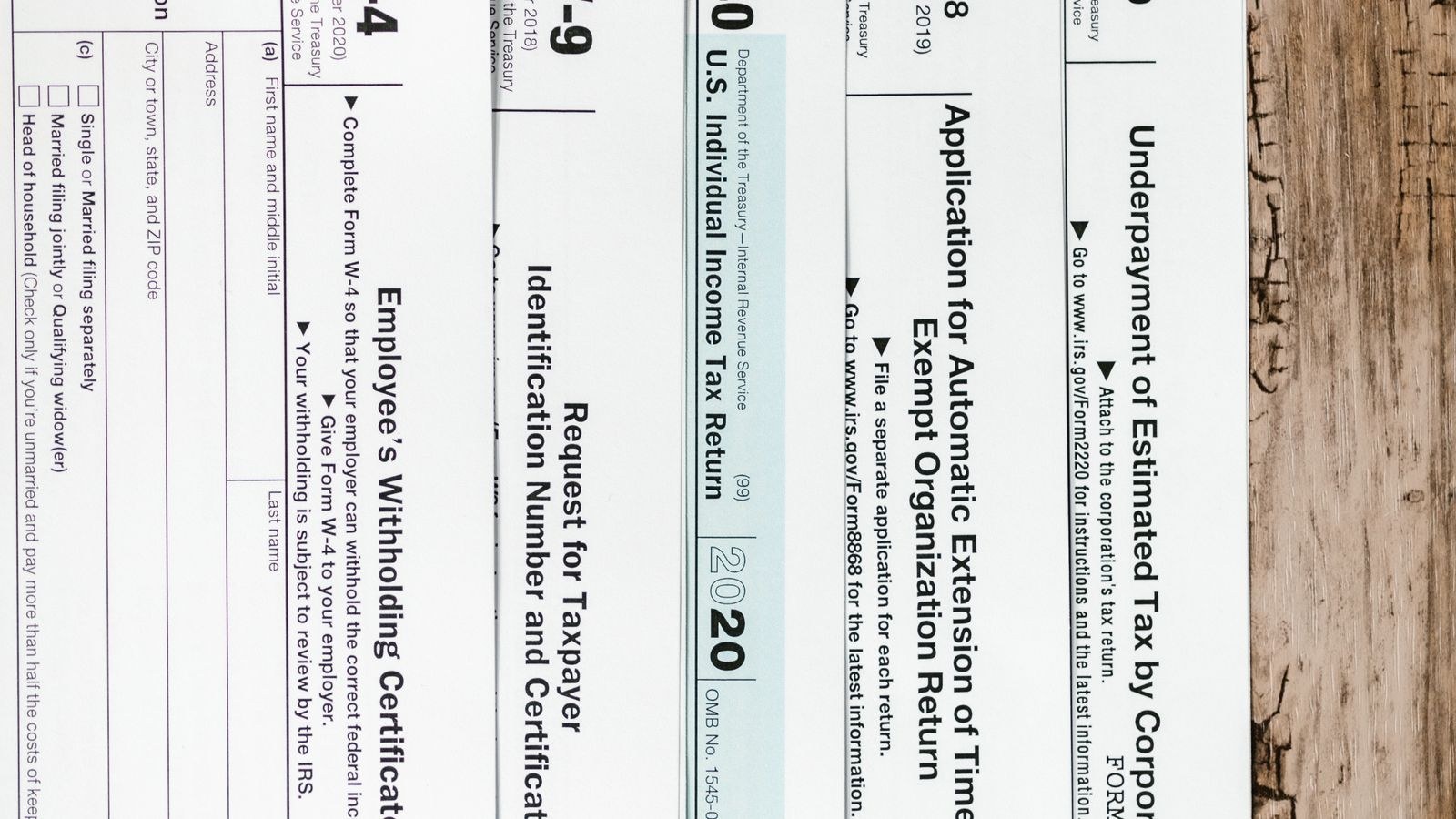
The setup that works for most households layers the two products by how they fail. Sort your papers into two piles. The first is irreplaceable originals and anything you would need within hours of a disaster: identity documents, property deeds, insurance policies, vehicle titles, medical directives, a list of account numbers and a backup drive. The second is everything replaceable but inconvenient to lose, such as tax records, warranties, receipts and manuals.
Put the first pile into a sealed document bag, then put the bag inside an anchored fire safe. The safe supplies the sustained heat protection, the rated water resistance and the theft barrier. The bag keeps steam and moisture off the contents and, crucially, lifts out in one motion if you have to leave. The second pile lives loose in the safe or in an ordinary cabinet. For valuables and currency stored alongside paperwork, adding a dedicated compartment or a small unit from the best fireproof and waterproof safes keeps cash separate from documents you handle frequently.
Where to Put the Safe
Placement affects results more than a step up in rating. Heat rises, so a ground-floor or basement location on an interior wall sees lower peak temperatures than an upstairs room. Avoid the kitchen, garage and utility areas where most fires begin. Balance that against burglary patterns, since master bedroom closets and home offices are the first places searched. A safe anchored in a basement corner behind ordinary storage scores well on both counts, provided the spot does not flood.
Anchoring is not negotiable. Four bolts into a concrete slab, or lag bolts into floor joists, take about an hour and convert a portable box into a genuine obstacle. Keep the document bag either inside the safe or in a consistent, memorable grab location near your exit route, never both randomly.
Common Mistakes
The most frequent error is treating a bag as a safe substitute for long-term storage, then discovering after a burglary that everything walked out the door. The second is buying a safe and never anchoring it, which produces the same outcome. The third is storing digital media in either product without checking the interior temperature rating.
The fourth is keeping only one copy of something irreplaceable. Physical protection reduces risk but never eliminates it, so scan critical documents and keep an encrypted copy in cloud storage or at a second location. The fifth is neglecting maintenance: batteries die, gaskets stiffen and bag zips seize when they sit untouched for years. Test the lock and refresh the contents list once each 2026 alongside your smoke alarm check.
Frequently Asked Questions
Is a fireproof bag good enough on its own?
Only for a renter on a tight budget, and only for fire risk. It gives no theft protection and its heat claims are rarely independently verified. Treat it as a first step and add an anchored safe when you can.
Why do documents come out damp from a fire safe?
The insulation releases chemically bound water as steam under heat, which is exactly what keeps the interior cool. Sealing papers in a bag or plastic sleeve inside the safe prevents the resulting humidity from warping them.
Can I reuse either product after a fire?
No. A fire safe’s insulation gives up its moisture once and cannot regenerate, and a bag’s fibre layers degrade after real heat exposure. Replace anything that has been through an actual fire, even if it looks intact.
What size safe should I buy?
Stack what you plan to store, measure it and add about a third for growth. Undersizing leads to overflow items left outside the safe, which defeats the purpose entirely.
Final Thoughts
The fireproof document bag versus safe question has a clear structure once you separate the threats. Bags win on price, portability and evacuation readiness, and they solve the steam problem that safes create. Safes win decisively on sustained heat protection, verified water ratings and theft resistance, provided you anchor them. Buy the bag first if budget is tight and pack it for a grab-and-go exit, then add an independently rated, properly anchored safe and store the bag inside it. That combination costs less than a premium safe alone and protects against a far wider range of real events.