Owen Bradley
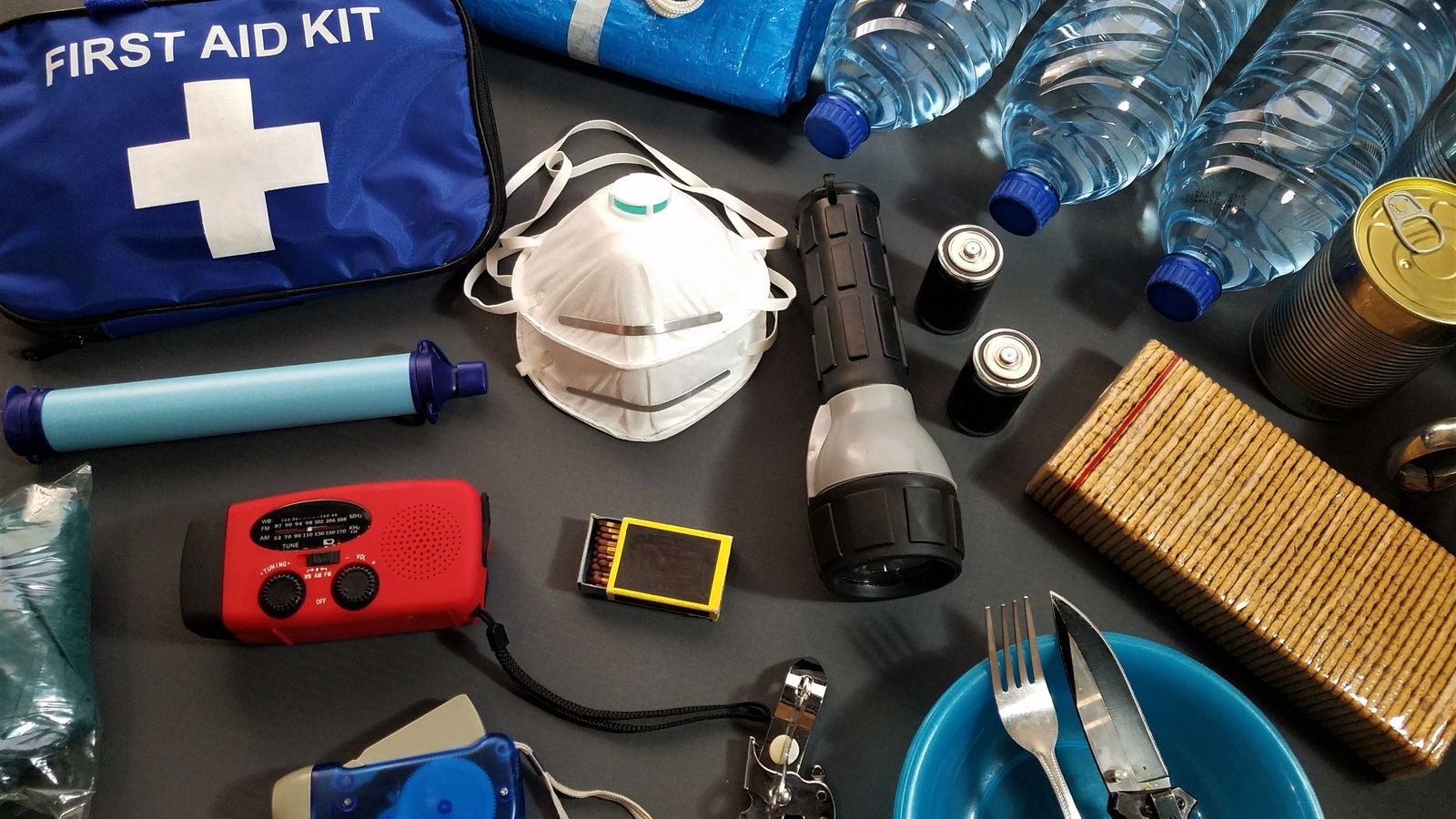
 Emergency preparedness has a marketing problem. The word conjures bunkers and year-long food supplies, which makes ordinary households dismiss it entirely. The reality is far more mundane and far more useful: the events that actually disrupt homes are multi-day power cuts, storms that make roads impassable, water main breaks, wildfire evacuations and winter systems that knock out heat. None of those require a bunker. They require water, light, power, warmth, information and documents, organised well enough that you are not searching a dark garage with your phone at four percent. This emergency preparedness kit guide covers what belongs in a household kit sized for 72 hours, how to store it, and how to keep it current through 2026 and beyond.
Why 72 Hours Is the Standard Target
Emergency planning agencies converge on a three-day baseline because that is roughly how long it takes for organised assistance to reach a widely affected area, and it covers the vast majority of localised outages outright. Three days is also achievable. A household can assemble a genuine 72-hour kit in a weekend for a moderate sum, whereas a two-week supply demands storage space, rotation discipline and money that most people never commit.
Treat 72 hours as the floor, not the ceiling. If you live somewhere with a known long-outage history, such as rural areas served by long overhead lines, or a region prone to hurricanes or ice storms, extend water and food toward a week. Build the three-day core first and expand it afterwards rather than planning an ambitious kit you never finish.
Water: The Non-Negotiable Foundation
Water is the item people underestimate most. Plan on one gallon per person per day for drinking and basic hygiene, so a family of four needs twelve gallons for three days. That is bulkier than it sounds and it is the single largest storage commitment in the kit.
Commercially bottled water in sealed containers keeps for years and requires no treatment. Food-grade storage containers filled from the tap need refreshing roughly every six months and a written fill date on the lid. Add a backup treatment method as insurance: purification tablets, a portable filter rated for bacteria and protozoa, or unscented household bleach with a printed dilution chart. Do not forget pets, which need roughly an additional half gallon per day for a medium dog.
Also identify your emergency water sources in advance. A water heater tank holds a substantial reserve if you know how to drain it safely, and filling bathtubs before a forecast storm buys flushing water. Both plans work only if you have thought them through before the pressure drops.
Food That Needs No Cooking
Choose shelf-stable food your household will actually eat, requiring no cooking, no refrigeration and minimal water. Canned proteins and vegetables, peanut butter, nuts, dried fruit, energy bars, crackers, shelf-stable milk and instant oatmeal cover three days comfortably. Include a manual can opener, because an electric one is useless in an outage and this omission is one of the most common in home kits.
Account for dietary needs, allergies and infant formula, and add a small comfort item such as instant coffee or chocolate. Morale matters more than preparedness lists suggest during a long, cold, dark stretch. Store food in a sealed bin away from heat, and rotate it into normal meals every six to twelve months so nothing quietly expires.
Light and Power
Candles cause fires and should not be your outage plan. Build the lighting layer from LED equipment instead: a headlamp per person, since hands-free light transforms every task, plus two or three lanterns for room lighting and a compact torch by each bed. Standardise on one or two battery sizes so the spares are interchangeable, and store the batteries outside the devices to prevent corrosion.
Power planning has three tiers. Battery banks handle phones and are the minimum, so keep at least one large-capacity bank charged for every two people. A portable power station with a lithium battery extends this to routers, CPAP machines, medical devices and small appliances, and pairs well with a folding solar panel for multi-day outages. A generator covers whole-home needs but demands fuel storage, outdoor placement well away from windows and doors, and a transfer switch if it feeds household circuits. Carbon monoxide from improperly placed generators kills people every winter, so a battery-powered detector from the best portable carbon monoxide detectors selection belongs in the kit alongside any generator or fuel-burning heater.
Information and Communication
When the power fails and mobile networks congest, information becomes scarce exactly when you need it most. A battery or hand-crank radio with weather band coverage is the cheapest high-value item in the entire kit, since broadcast radio keeps working when everything else does not.
Add a printed local map with evacuation routes marked, because navigation apps fail without data. Write down key phone numbers on paper, since nobody memorises them anymore and a dead phone takes the contact list with it. Agree a household communication plan in advance: a meeting point near home, a second one outside the neighbourhood, and an out-of-area contact everyone texts, because long-distance messages often get through when local calls will not.
Households that want advance warning rather than reaction find real value in local monitoring. Equipment from the best home weather stations range reports conditions at your address rather than at an airport twenty miles away, which matters for freeze warnings, wind and rainfall totals that determine whether you act early or late.
Warmth, Shelter and Sanitation
Losing heat in winter is more dangerous than losing light. Stock wool or fleece blankets, emergency foil blankets, sleeping bags rated for your climate, hats and gloves, and plan to close off a single room to concentrate body heat. Never use a charcoal grill, camp stove or unvented fuel heater indoors.
Sanitation is unglamorous and consistently forgotten. If the water is out, toilets stop working within a flush or two. Keep heavy-duty bin liners, absorbent material such as cat litter, disinfectant, hand sanitiser, wet wipes, toilet paper and a bucket that can serve as an emergency toilet. Add feminine hygiene products, nappies and any personal care items your household depends on. Three days without a sanitation plan turns a manageable outage into a health problem.
Fire Safety and Detection
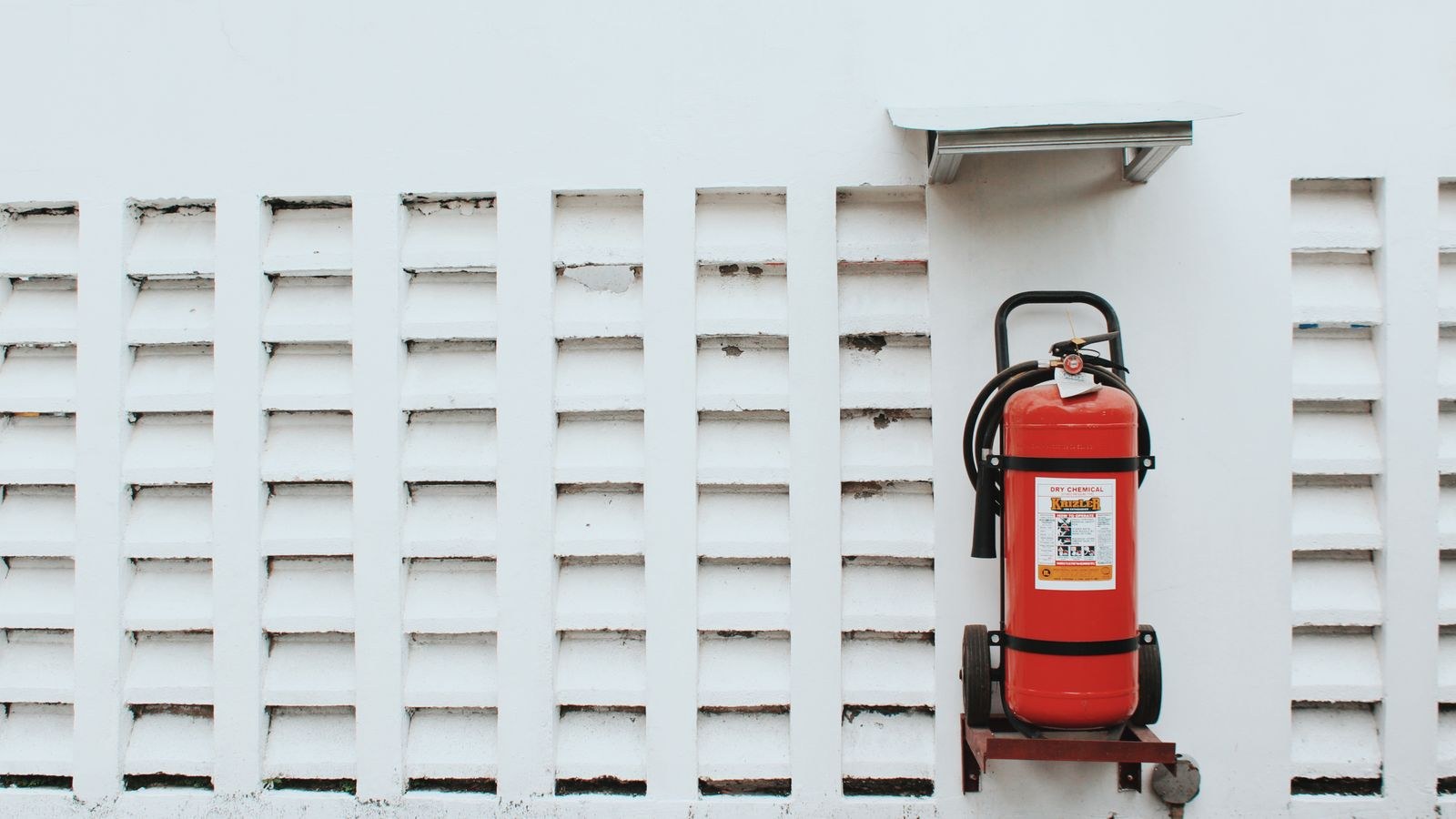
Emergencies raise fire risk sharply. Candles, generators, portable heaters, cooking on camp stoves and overloaded extension leads all appear at once, usually operated by tired people in the dark. Preparedness therefore includes suppression, not just supplies.
Keep a multipurpose extinguisher accessible on every level and confirm it is charged and within its service life, using the sizing and class guidance in our comparison of the best fire extinguishers. Confirm your detection layer works too: smoke alarms with sealed long-life batteries keep functioning through an extended outage, and units from the best smoke alarms roundup that interconnect wirelessly alert the whole house rather than one room. Test both alarm types before storm season rather than after.
Documents, Cash and Identity
Evacuations happen fast and the paperwork problem outlasts the event. Assemble a grab-and-go document set: identification, passports, insurance policies with policy numbers, property deeds or lease, vehicle titles, medical records and prescriptions, bank and account details, and photographs of your home’s interior for insurance claims. Scan everything and keep an encrypted copy in cloud storage as well.
Keep the physical set in a sealed waterproof pouch so it lifts out in one motion, and store that pouch inside an anchored fire safe when it is not travelling. Models compared in the best fireproof safes roundup provide the sustained heat and water protection a soft pouch cannot, while the pouch supplies the portability the safe cannot. Add cash in small denominations, since card systems and ATMs fail with the power, and small bills matter when nobody can make change.
Tools, First Aid and the Extras That Earn Their Space
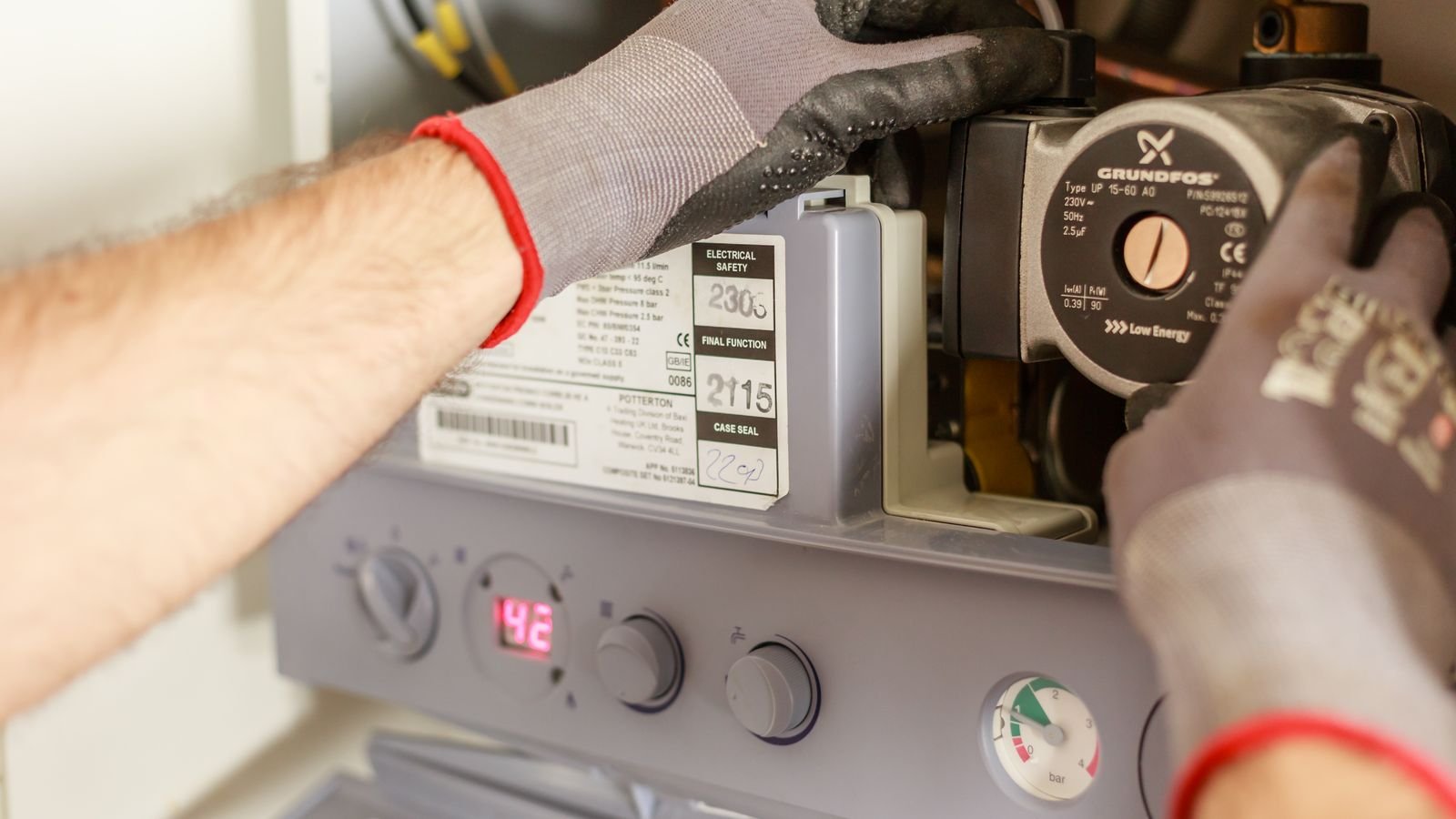
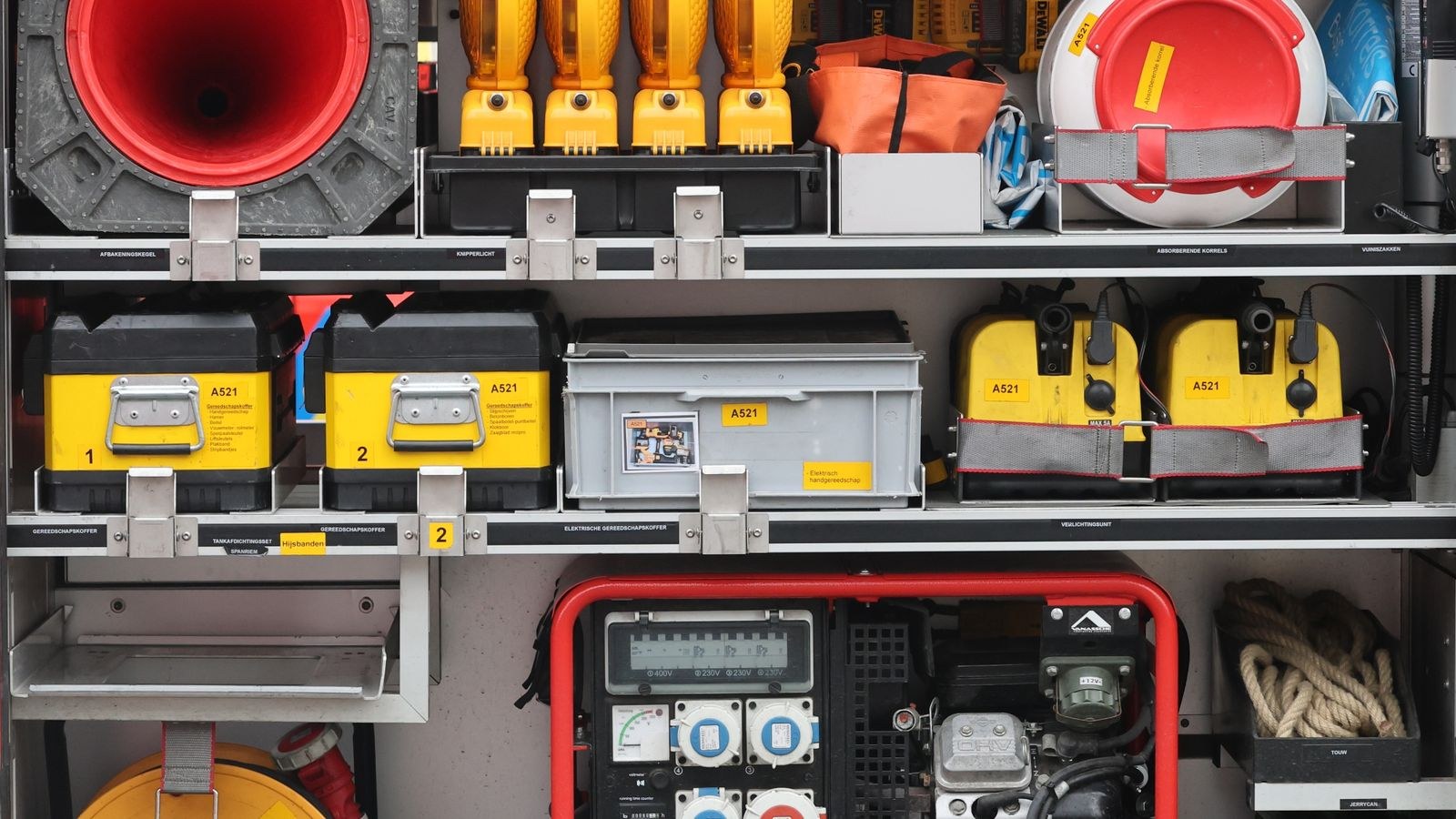
A compact tool set covers most emergency tasks: a multi-tool, work gloves, duct tape, plastic sheeting, a utility knife, a whistle, dust masks, zip ties and an adjustable wrench sized to your gas shut-off valve. Learn where that valve is and how to close it before you need to.
The first aid component should be a full kit rather than a token pouch, with deep stocks of gauze and dressings, burn treatment, an elastic bandage, gloves, a thermometer and a written list of household medications, doses and allergies. Include at least a week of any prescription medication, rotated regularly. Round the kit out with spare glasses, a phone charging cable per device, entertainment for children that needs no power, and spare house and car keys.
Storage, Sizing and the Grab-and-Go Split
Split the kit in two. The shelter-in-place bulk, meaning water, food, sanitation and power equipment, lives in labelled bins in a cool, dry, accessible spot such as a hall closet or a dry basement shelf. Never store it behind seasonal clutter in an attic, since heat destroys food and batteries and the location is unreachable in a hurry.
The grab-and-go portion is a single backpack per person plus the document pouch, staged near your main exit. Each pack holds a day of water and food, a headlamp, a battery bank, a foil blanket, basic first aid, medication, cash and copies of documents. Practise the exit once so everyone knows what they carry. That rehearsal is what turns a pile of supplies into an actual plan.
Maintenance Schedule
- Every three months: top up battery banks to full, check torch and radio operation, confirm nothing has been borrowed and not returned.
- Every six months: refresh stored tap water, rotate food nearing its date into normal meals, check medication expiry, test smoke and carbon monoxide alarms.
- Once each 2026: full audit against a written inventory, replace expired items, update the document set and household contact list, and review whether the kit still matches your household size, pets and medical needs.
Frequently Asked Questions
What is the most commonly forgotten item?
A manual can opener, closely followed by cash in small bills and a sanitation plan. All three are cheap, and all three cause disproportionate trouble when missing.
Is a generator worth it?
It depends on your outage history and whether anyone depends on powered medical equipment. For occasional short outages a large battery bank or a portable power station is quieter, safer and needs no fuel storage.
How much should a basic kit cost?
A functional 72-hour kit for a family is achievable for a moderate sum if you build it gradually and buy consumables during normal shopping. Spread purchases across a few months rather than trying to complete it in one order.
Where should the kit be stored?
Somewhere cool, dry and reachable without moving anything else, ideally near your main exit. Heat in attics and garages degrades food, batteries and medication faster than most people realise.
Final Thoughts
A useful emergency preparedness kit is not an expensive one-off purchase; it is a small set of decisions made calmly in advance. Cover water, food, light, power, information, warmth, sanitation, first aid and documents at a 72-hour scale, split the kit between shelter-in-place bins and grab-and-go packs, and back it with working detection and suppression equipment. Then maintain it on a fixed schedule so it is genuinely ready rather than theoretically ready. Do that and the next outage or evacuation becomes an inconvenience rather than a crisis.