Owen Bradley
 Every electric space heater converts virtually all the electricity it draws into heat, which means the ceramic vs oil filled heater debate is never really about efficiency. It is about how that heat is delivered, how quickly it arrives, how long it lingers, how much noise comes with it, and how safe the unit is in a particular room. Add infrared models to the comparison and you have three genuinely different approaches to the same problem. This guide breaks down how each technology works, where each one shines, and which type belongs in a bedroom, an office, a living room, or a cold garage, so you buy the right style the first time in 2026 rather than discovering the mismatch on a January evening.
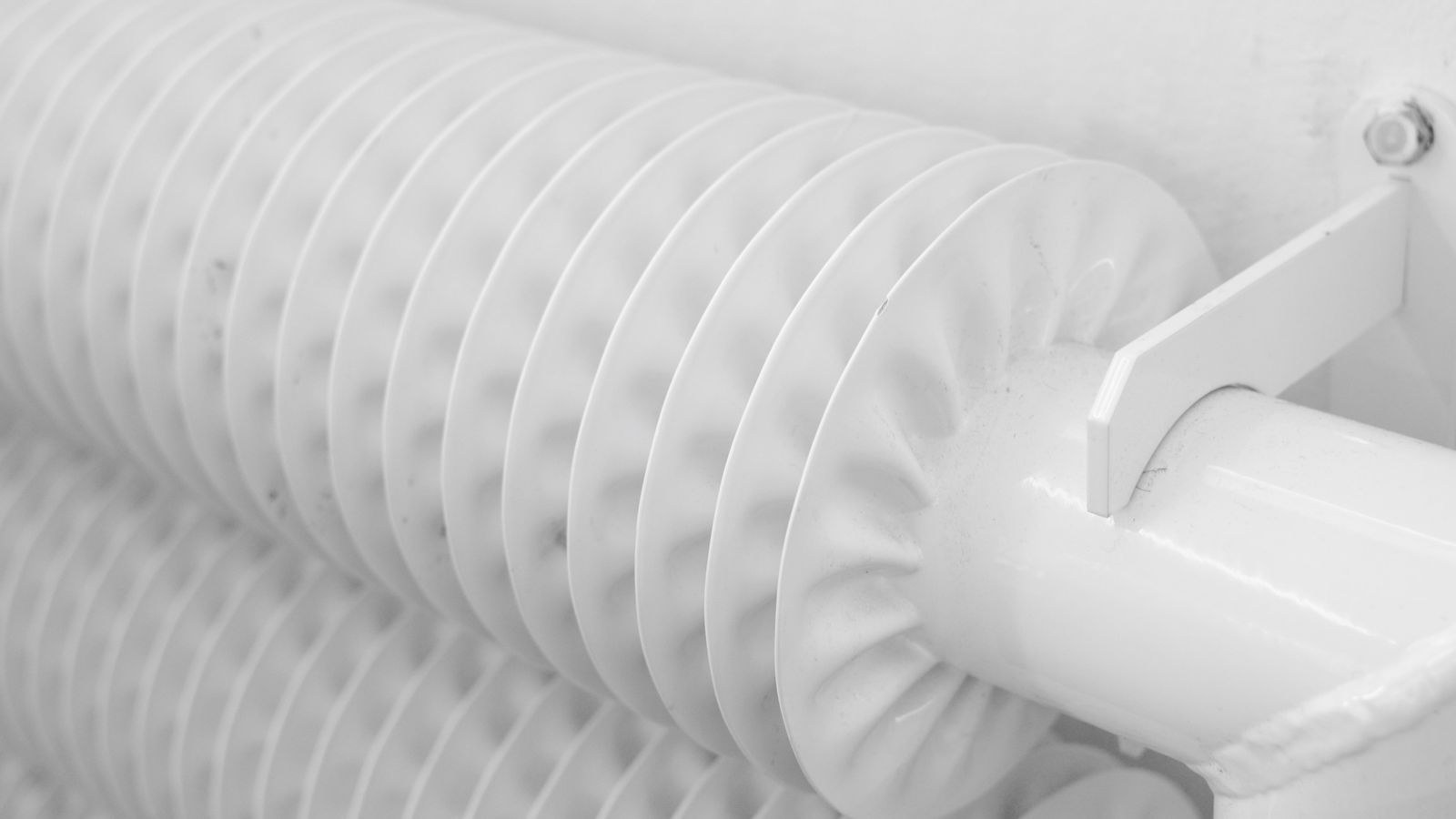
The One Thing They Have in Common
Before comparing, it is worth settling the efficiency question. All three types are electric resistance heaters, and resistance heating converts close to all input energy into heat. A 1,500-watt ceramic heater and a 1,500-watt oil-filled radiator produce the same quantity of heat per hour and cost the same to run for that hour.
What differs is where that heat ends up and how long the unit needs to stay on to make you comfortable. A heater that warms you directly can leave you satisfied at a lower air temperature. A heater that stores heat keeps working after the element switches off. Those behaviours change real-world running time, which is where cost differences actually appear.
Ceramic Heaters: Fast Heat, Fan Noise
A ceramic heater passes current through ceramic plates bonded to aluminium baffles. The ceramic heats rapidly and a fan blows air across it, pushing warm air into the room. The defining characteristic is speed: you feel warmth within a minute or two of switching on.
That responsiveness suits situations where you want heat on demand and do not want to plan ahead. A home office you enter at eight in the morning, a bathroom used briefly, or a living room during an evening are all natural fits. Ceramic units are also typically the lightest and most compact of the three, easy to move between rooms, and many oscillate to spread warmth across a seating area.
The trade-offs are real. The fan produces continuous noise, usually in the range that becomes distracting during quiet work or sleep. Fan-driven heat also stops almost immediately when the unit cycles off, so the room cools back down faster. And moving air tends to stir dust, which some people with allergies notice.
Best Uses for Ceramic
Choose ceramic when speed matters more than silence: home offices where you want warmth quickly, bathrooms, workshops, and any room you occupy for short, defined periods. It is also the sensible choice for a heater you plan to carry between rooms, since the low weight makes that practical.
Oil-Filled Radiators: Slow, Silent, Steady
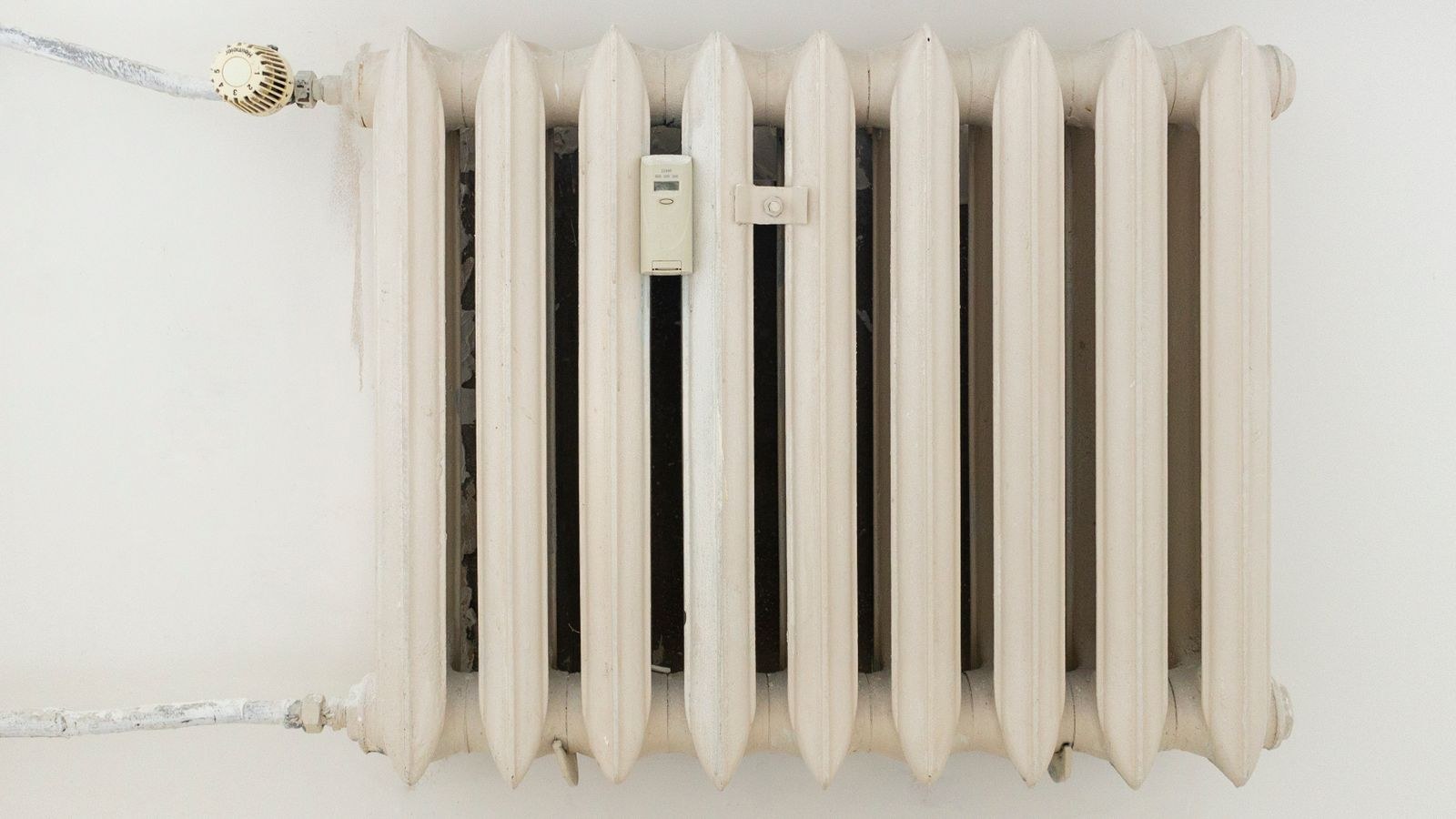
An oil-filled radiator seals diathermic oil inside metal fins and heats it with an internal element. The oil is not consumed and never needs topping up; it simply acts as a thermal store. Heat transfers to the fins and then to the room by natural convection, with no fan involved.
The result is the quietest heating you can buy short of a wall panel. There is no airflow, no motor, and typically only a faint tick as the metal expands. For a bedroom, a nursery, or a room where someone is sleeping or concentrating, that silence is often the deciding factor.
The thermal mass also changes the comfort profile. After the element cycles off, the oil keeps radiating heat for a considerable time, which smooths out the temperature swings that make fan heaters feel alternately too hot and too cold. In a room you occupy for hours, that steadiness is noticeably more pleasant.
The costs are patience and bulk. An oil-filled radiator can take fifteen to thirty minutes to make a real difference to a cold room, which makes it poorly suited to brief occupancy. The units are heavy, often twenty pounds or more, and while most have casters, they are not something you carry upstairs casually. They also occupy more floor space than a compact ceramic unit.
Best Uses for Oil-Filled
Choose oil-filled for bedrooms, nurseries, studies, and any room where you will be for several hours and value silence and even warmth. Pair it with a timer so it starts warming before you arrive, which neutralises its main weakness.
Infrared Heaters: Warming People, Not Air
Infrared and radiant heaters work on a different principle entirely. Instead of warming the air, they emit infrared radiation that is absorbed by people, furniture, and surfaces directly, much as sunlight warms you on a cold but sunny day. The air in between stays relatively unchanged.
This makes infrared uniquely effective in situations where heating the air is impractical. Large rooms, high ceilings, draughty spaces, garages, workshops, sunrooms, and covered outdoor areas all defeat convection heaters because the warm air escapes or rises out of reach. An infrared unit pointed at a workbench or a seating area delivers usable warmth regardless.
The effect is also immediate, arriving at the speed of light rather than waiting for air to circulate. Most infrared models are silent, since many require no fan, though some incorporate a small one to protect the element.
The limitations follow directly from the mechanism. Infrared heat is directional, so you feel it on the side facing the unit and not on the other. Step out of the line of sight or put an obstacle between you and the heater and the warmth disappears instantly. It also does very little to raise the general room temperature, so it will not take the chill off a whole space. Some models have visibly glowing elements and hot surfaces, which demands extra care around children and pets.
Best Uses for Infrared
Choose infrared for garages, workshops, basements, sunrooms, patios, and any large or leaky space where a convection heater would run endlessly with little effect. It is also good for targeted personal warmth at a desk or armchair when heating the whole room is unnecessary.
Head-to-Head on the Factors That Decide It
On warm-up speed, ceramic and infrared are both effectively instant, while oil-filled is the clear laggard, needing a quarter of an hour or more to make a room feel different.
On heat retention, oil-filled wins decisively, continuing to radiate long after the element cuts out. Ceramic retains almost nothing once the fan stops, and infrared has no residual effect on the room at all, though objects it has warmed do hold some heat.
On noise, oil-filled is near silent, most infrared units are silent or close to it, and ceramic is the noisiest because of the fan. For anyone sensitive to background sound, this alone often settles the choice.
On safety, oil-filled radiators run at lower surface temperatures spread over a large area, which makes them the gentlest option around children, though the fins still get warm enough to warrant care. Ceramic units usually have cool-touch housings but hot outlet grilles. Infrared models often have the hottest accessible surfaces and demand the most clearance.
On portability, ceramic is the easiest to move, infrared varies widely by design, and oil-filled is the heaviest by a wide margin.
Thermostat Control Matters More Than the Element
Whichever technology you choose, the control system determines how much you spend. A heater with an accurate digital thermostat cycles less wastefully than one with a vague mechanical dial, and multiple wattage settings let you match output to conditions rather than running full power constantly.
The bigger picture is how a portable heater interacts with your central heating. Zone heating only saves money if you actually lower the whole-house setpoint while the portable unit runs, which is a scheduling problem. Our roundup of the best programmable thermostats covers controllers that automate that setback reliably, while the broader best thermostats guide compares the full range of household options.
If you want a clear numeric display and precise setpoints without connected features, our best digital home thermostats list is the relevant one. For homes running a heat pump as the primary system, control requirements differ enough to warrant a dedicated look at the best heat pump thermostats, and for a general comparison across whole-home controllers see our best house thermostats overview.
Matching Type to Room: A Quick Guide
- Bedroom: Oil-filled radiator, for silence and steady overnight-adjacent warmth. Use a timer to offset slow warm-up.
- Home office: Ceramic if you want quick heat on arrival, oil-filled if fan noise disrupts calls or concentration.
- Living room: Oil-filled or a panel-style unit for long sessions; ceramic with oscillation if the room is used briefly.
- Bathroom: A compact ceramic model rated for damp locations, for fast heat during short use.
- Garage or workshop: Infrared, because convection heat escapes an uninsulated space almost as fast as you make it.
- Basement: Oil-filled for a finished, insulated room; infrared for an unfinished, cold-floored one.
- Patio or sunroom: Infrared, since it is the only type that works meaningfully in semi-open air.
Common Mistakes Across All Three Types
The first is expecting a 1,500-watt unit to heat a large or poorly insulated room. That ceiling is set by household wiring, not by the model, and no plug-in heater exceeds it. If a room needs more, the answer is insulation or a different heating system.
The second is plugging a heater into an extension lead or power strip. A 1,500-watt load draws around 12.5 amps, which can overheat undersized wiring and connectors. Always plug directly into a wall outlet.
The third is inadequate clearance. Every type needs at least three feet of space from bedding, curtains, upholstery, and paper, and infrared units often need more because of their higher surface temperatures. Placing an oil-filled radiator against a sofa to “keep the heat in” is a genuine fire risk.
The fourth is running a portable heater alongside unchanged central heating, which guarantees added cost with no offsetting saving.
Frequently Asked Questions
Which type is cheapest to run?
At the same wattage, none is inherently cheaper per hour. Real-world differences come from runtime: an oil-filled unit’s residual heat and an infrared unit’s ability to satisfy you at a lower air temperature can both reduce total on-time in the right setting.
Do oil-filled radiators ever need refilling?
No. The oil is permanently sealed and acts only as a heat store. If a unit ever leaks, it should be taken out of service rather than topped up.
Is infrared heat safe to sit near?
Household infrared heaters are safe at normal distances, but they emit directional heat and often have hot surfaces, so maintain the manufacturer’s stated clearance and avoid sitting extremely close for extended periods.
Which type is best for allergies?
Oil-filled and infrared, because neither blows air around. Fan-driven ceramic heaters circulate dust, which can aggravate symptoms in sensitive households.
Can I use a ceramic heater in a bedroom anyway?
You can, and some people find the fan noise acts as white noise. If you are noise-sensitive, however, an oil-filled or panel heater is the safer purchase, since fan noise is the most common source of buyer’s regret.
Final Thoughts
The choice among ceramic, oil-filled, and infrared is not a hunt for the most efficient heater, because on that measure they are effectively tied. It is a question of delivery. Pick ceramic when you want heat now and can live with a fan. Pick oil-filled when you want silence and even warmth over hours and can plan ahead or use a timer. Pick infrared when the space is too large, too draughty, or too open for heating the air to make any sense. Then back whichever you choose with an accurate thermostat and a genuine central setback, because that combination is what turns a portable heater from an added expense into a sensible way to stay warm in 2026 while spending less on the rooms nobody is using.