Owen Bradley
 Carbon monoxide is the hazard nobody can detect without help. It has no smell, no colour, no taste, and its early symptoms — headache, nausea, fatigue — are indistinguishable from a mild illness. That is precisely why CO alarm code requirements exist and why they are enforced far more consistently than they were a decade ago. Yet the rules generate constant confusion: does every floor need an alarm, how high on the wall should it go, how far from the boiler, and does a combination smoke and CO unit count? This guide answers all of it. It covers where codes require alarms, the placement distances that matter, the mounting heights people get wrong, and what inspectors look for during a sale or a permit sign-off in 2026.
Which Homes Are Required to Have CO Alarms
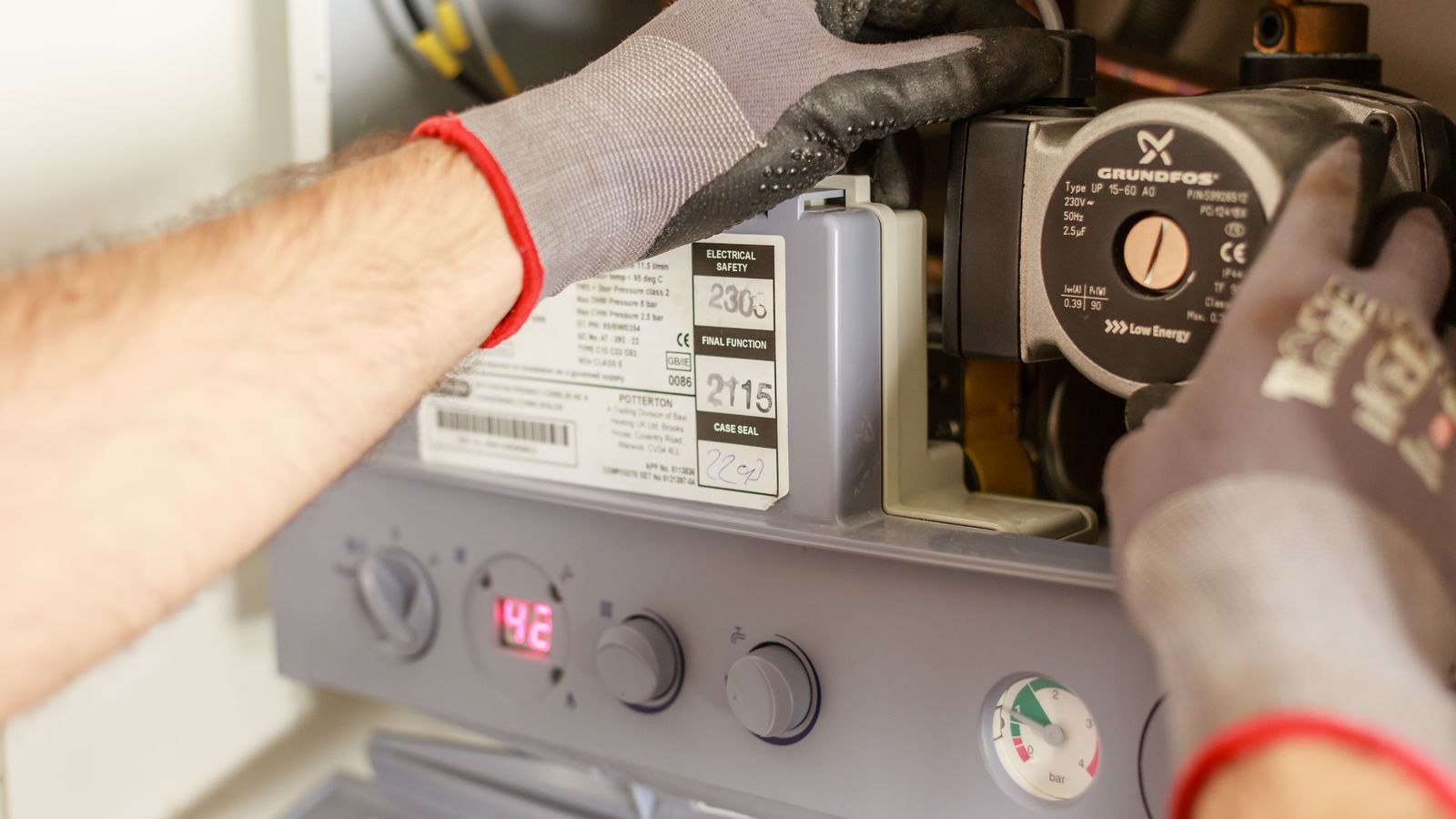
Nearly every residential code now requires CO alarms in any dwelling that has one or more of the following:
- A fuel-burning appliance of any kind — gas or oil boiler, furnace, water heater, range, cooktop, or clothes dryer.
- A fireplace or wood-burning stove, including sealed gas fires and pellet stoves.
- An attached garage, whether or not a car is normally parked in it.
- A shared wall, floor, or ceiling with a unit meeting any of the above, in multi-family buildings.
The attached garage clause surprises people most often. A cold engine running for thirty seconds while a door is open produces a large slug of CO, and an attached garage shares air paths with the house through door gaps, ceiling penetrations, and duct runs. All-electric homes with no fireplace and a detached garage are typically exempt, though many jurisdictions now require alarms regardless because of portable generator use during power cuts.
Requirements Trigger at Sale and Permit
Even where a home predates the CO rules, most jurisdictions apply them retroactively at the point of sale, at a change of tenancy, or when a permit is issued for work involving a fuel-burning appliance. That means an alarm that was optional when the house was built becomes mandatory the moment you list it. Getting compliant early is far cheaper than solving it during a closing.
How Many Alarms and On Which Floors
The baseline requirement in most codes reads as follows:
- One alarm outside each separate sleeping area, in the immediate vicinity of the bedrooms.
- One alarm on every level of the dwelling, including basements and habitable attics.
- One alarm in any bedroom containing a fuel-burning appliance, and in some codes any bedroom served by an attached bathroom containing one.
Many jurisdictions go further and require an alarm inside each bedroom, mirroring the smoke alarm requirement. Because CO poisoning most often kills people while they sleep, in-bedroom alarms are worth installing even where they are optional.
A three-bedroom, two-storey house with a basement therefore needs a minimum of three alarms: one in the upstairs hall outside the bedrooms, one on the ground floor, and one in the basement. Adding bedroom units takes that to six. Reviewing the current range of best carbon monoxide detectors before buying in quantity usually saves money, since multi-packs and combination units change the maths considerably.
The Distance Rules Around Fuel-Burning Appliances
This is where placement gets counterintuitive. You might assume the alarm belongs right next to the boiler. Codes say the opposite.
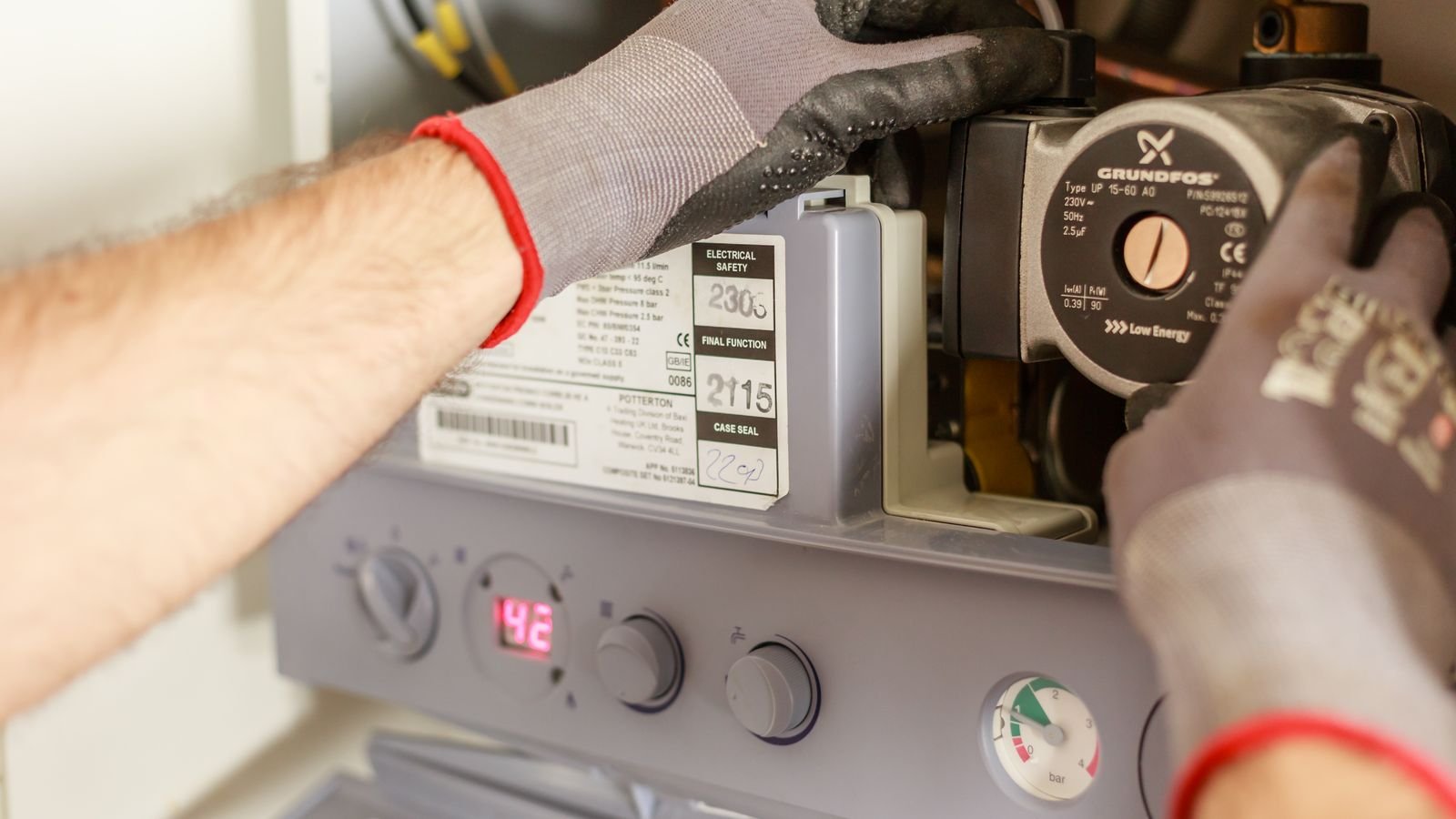
Alarms must generally be installed no closer than 15 feet to a fuel-burning appliance, and in some codes at least 5 feet as an absolute minimum. The reason is nuisance alarms. Appliances routinely produce a brief puff of CO during ignition and startup, which dissipates harmlessly. An alarm mounted a foot from the burner will trip on that transient and be unplugged within a month. The purpose of a CO alarm is to detect a sustained leak spreading into living space, not to monitor the appliance itself.
Similarly, keep alarms away from these locations:
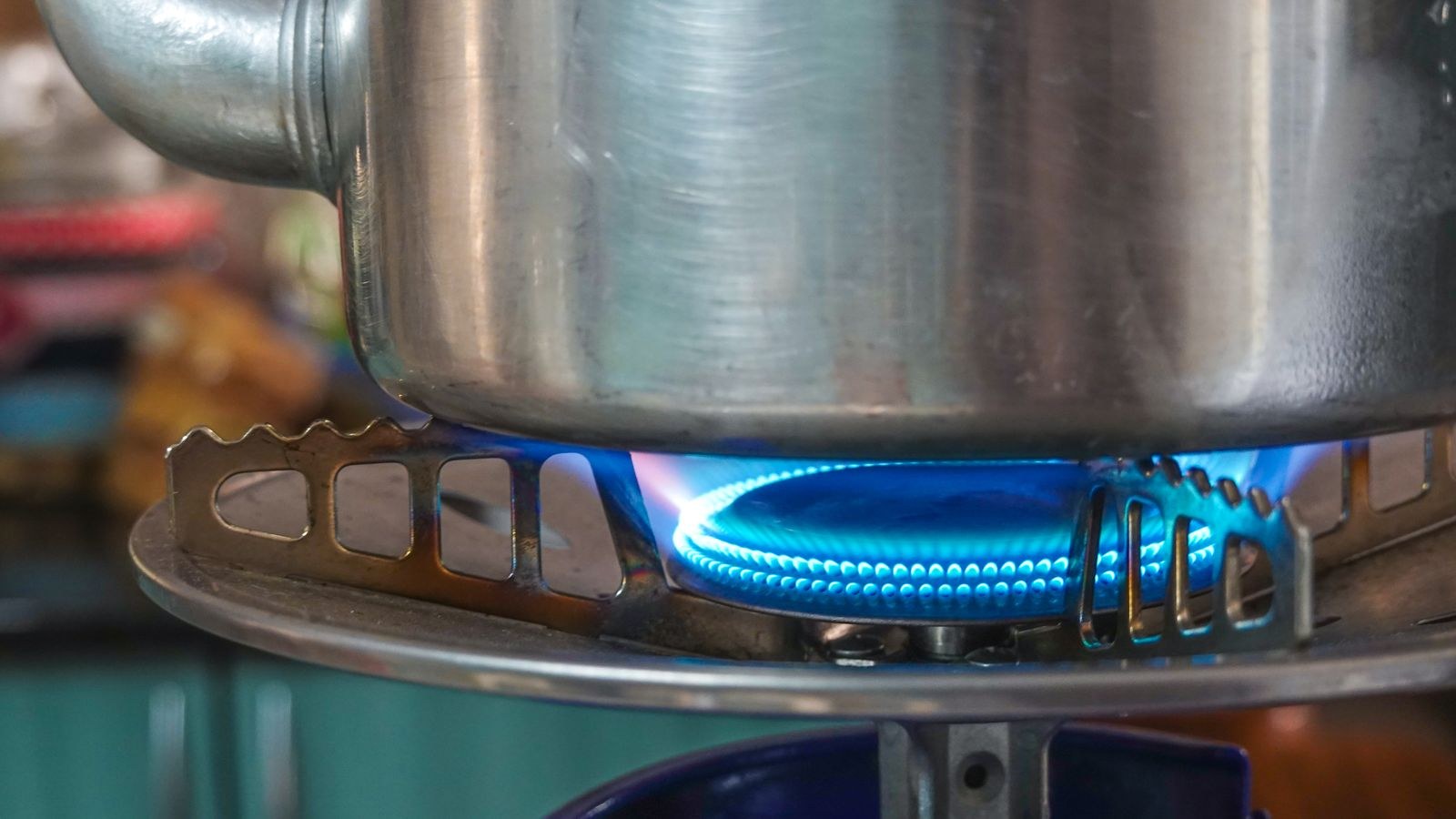
- Within 5 feet of a cooking appliance or open flame.
- Directly above or beside a fireplace or stove.
- In an unconditioned garage, unheated porch, or crawl space where temperatures fall outside the alarm’s rated range.
- In humid rooms such as bathrooms, where condensation degrades the electrochemical sensor.
- Within 3 feet of a supply register, extractor fan, or window that can blow gas away from the sensor.
- Behind curtains, furniture, or anywhere air cannot circulate freely.
A dedicated guide on where to place carbon monoxide detectors is worth reading room by room if your layout has awkward features like an open-plan kitchen or a boiler cupboard off a hallway.
Mounting Height: The Myth That Will Not Die
The single most common misconception is that CO alarms must be mounted low because carbon monoxide is heavier than air. It is not. CO has a molecular weight of roughly 28, virtually identical to air at about 29, so it mixes evenly throughout a room rather than pooling at floor level.
What actually happens is that CO is usually produced alongside warm combustion gases, so it initially rises with the heat plume and then disperses. In practical terms, any height works provided the alarm is in open air.
Manufacturers and codes therefore allow considerable latitude:
- Ceiling mounting is fine and is required for combination smoke and CO alarms, because the smoke sensor genuinely needs ceiling height.
- High wall mounting, above door height, is equally acceptable.
- Knee-height or plug-in units at outlet height work well and have the practical advantage that you can read the digital display and press the test button without a ladder.
The one height to avoid is directly on the floor, where dust accumulates and airflow is poor. If you are choosing between wall and ceiling formats, a broad look at CO alarms shows how plug-in, battery wall-mount, and ceiling designs differ in display features and sensor life.
Bedrooms Deserve a Sleeping-Level Alarm
One placement refinement genuinely matters: in a bedroom, put the alarm at roughly the height of the sleeper’s head, or on the ceiling above the bed area rather than by the door. Because the danger window is overnight, you want the sensor sampling the same air the occupant is breathing. A unit plugged in behind a wardrobe on the far side of the room is technically compliant and practically useless.
Combination Smoke and CO Alarms
Combination units satisfy both requirements in a single device, which reduces the number of ceiling fixtures and the number of test buttons to press each month. They are the default choice for most new installations.
There are two catches. First, combination alarms must be ceiling mounted to serve the smoke sensor correctly, which removes the option of a low plug-in unit with an easily read display. Second, the electrochemical CO sensor typically lasts five to seven years while the smoke sensor lasts ten, so the whole unit expires on the shorter cycle. That means replacing perfectly good smoke sensing every few years.
Standalone alarms cost more in total fixtures but let each device run its full life and let you place each sensor exactly where it works best. A comprehensive carbon monoxide detector buying guide walks through that trade-off in detail alongside sensor life and display options.
Sensor Life, Expiry, and End-of-Life Signals
Every CO alarm contains an electrochemical cell that is consumed slowly over its life whether or not it ever detects gas. Typical rated life is five to seven years, occasionally ten on premium sealed units. The date is printed on the back of the housing, and most modern alarms sound a distinct end-of-life chirp that a new battery will not silence.
Do not ignore that chirp, and do not attempt to reset it. Unlike a smoke alarm, whose sensor degrades gradually, a fully expired CO cell can stop responding almost entirely while the unit still powers up and passes a button test. The test button verifies electronics and horn, not sensor chemistry.
Set a calendar reminder for the printed expiry date the day you install, and write the replacement year on the housing in marker.

Interconnection and Hardwiring
Where codes require smoke alarms to be hardwired and interconnected in new construction, CO alarms are increasingly held to the same standard. An interconnected CO alarm sounding in a basement will wake someone asleep two floors up, which is exactly the scenario that kills people.
For existing homes, battery and plug-in units remain acceptable in most jurisdictions. Wireless interconnected models bridge the gap neatly, giving whole-house alerting without any cabling. If you already run a wirelessly linked smoke alarm system, adding CO units from the same family is usually straightforward and keeps one ecosystem.
What Inspectors Check
- Presence of an alarm outside each sleeping area and on every level.
- Distance from fuel-burning appliances, cooking appliances, and vents.
- Date codes, with anything past its printed expiry failed outright.
- Test button response on every unit.
- Battery presence in hardwired units and correct mounting to a base plate.
- That plug-in units are in a live outlet not controlled by a wall switch.
That last item catches a surprising number of homes: a plug-in alarm in a switched outlet is dead every time the light is off.
What the Numbers on a Display Mean
Digital-display alarms show current CO concentration in parts per million. Standard alarms are required to stay silent below 30 ppm and must sound within specified times at higher levels — roughly 60 to 240 minutes at 70 ppm, 10 to 50 minutes at 150 ppm, and under 15 minutes at 400 ppm. The delays are deliberate, designed to prevent nuisance alarms from transient sources.
That design has a consequence worth understanding: a standard code-compliant alarm will happily sit silent at 30 ppm indefinitely, a level that can cause headaches and fatigue with chronic exposure. If someone in the household has a heart or respiratory condition, is pregnant, or is elderly, a display model that shows low readings is far more useful than a silent pass-fail unit. Comparing the best home carbon monoxide detectors makes it easy to find models that display and log readings below the alarm threshold.
Frequently Asked Questions
Should CO alarms be mounted high or low?
Either. Carbon monoxide mixes with air rather than sinking, so ceiling, high wall, and outlet-height mounting are all effective. Avoid floor level and any spot with poor air circulation.
How far from a boiler or furnace should a CO alarm be?
At least 15 feet where the layout allows, and never closer than 5 feet. Mounting too close causes nuisance alarms from normal ignition transients.
Do I need a CO alarm in an all-electric home?
Code often exempts fully electric homes with no attached garage or fireplace, but installing one is still sensible. Portable generators used during outages are a leading cause of poisoning, and an attached garage alone triggers the requirement in most areas.
Does a combination smoke and CO alarm satisfy both codes?
Yes, provided it is listed for both functions and mounted where the smoke sensor requires. Remember it expires on the shorter CO sensor cycle, usually five to seven years.
Can I put a CO alarm in the garage?
No. Garages fall outside the temperature and humidity range most alarms are rated for and produce frequent transient CO. Place the alarm in the living space adjacent to the garage instead.
My alarm chirps but a new battery does not stop it — why?
That is almost certainly the end-of-life signal telling you the sensor has expired. The unit must be replaced; there is no reset.
Final Thoughts
CO alarm code requirements come down to a handful of decisions you make once: an alarm outside every sleeping area and on every level, kept at least 15 feet from combustion appliances and 5 feet from cooking, mounted at any convenient height in open air, and replaced on the printed expiry date rather than the ten-year smoke alarm cycle. Get those right and the gas that gives no warning of its own finally has one.