Owen Bradley
 The number on a summer power bill rarely explains itself. You know the air conditioner is responsible for most of the increase, but not how much, and certainly not which of your habits is driving it. The good news is that air conditioner running costs are genuinely easy to calculate, because cooling is one of the few household loads where the maths is simple and the inputs are printed on the unit. Once you can work out what your machine costs per hour, you can price a whole month, compare unit types honestly, and see exactly which settings are worth changing.
The Only Formula You Need
Electricity is billed in kilowatt-hours. One kilowatt-hour is a thousand watts drawn for one hour. So the cost of running anything is its power draw in kilowatts, multiplied by hours of operation, multiplied by your rate per kWh.
Written out: cost per hour = (watts ÷ 1000) × price per kWh.
A 1,200-watt portable air conditioner at a rate of $0.17 per kWh costs 1.2 × 0.17, or about $0.20 per hour of compressor running. Run it eight hours a day for thirty days and you get 8 × 30 × 0.20, which is roughly $49 a month. That is the entire calculation, and everything else in this guide is about making the inputs more accurate.
Finding Your Unit’s Wattage
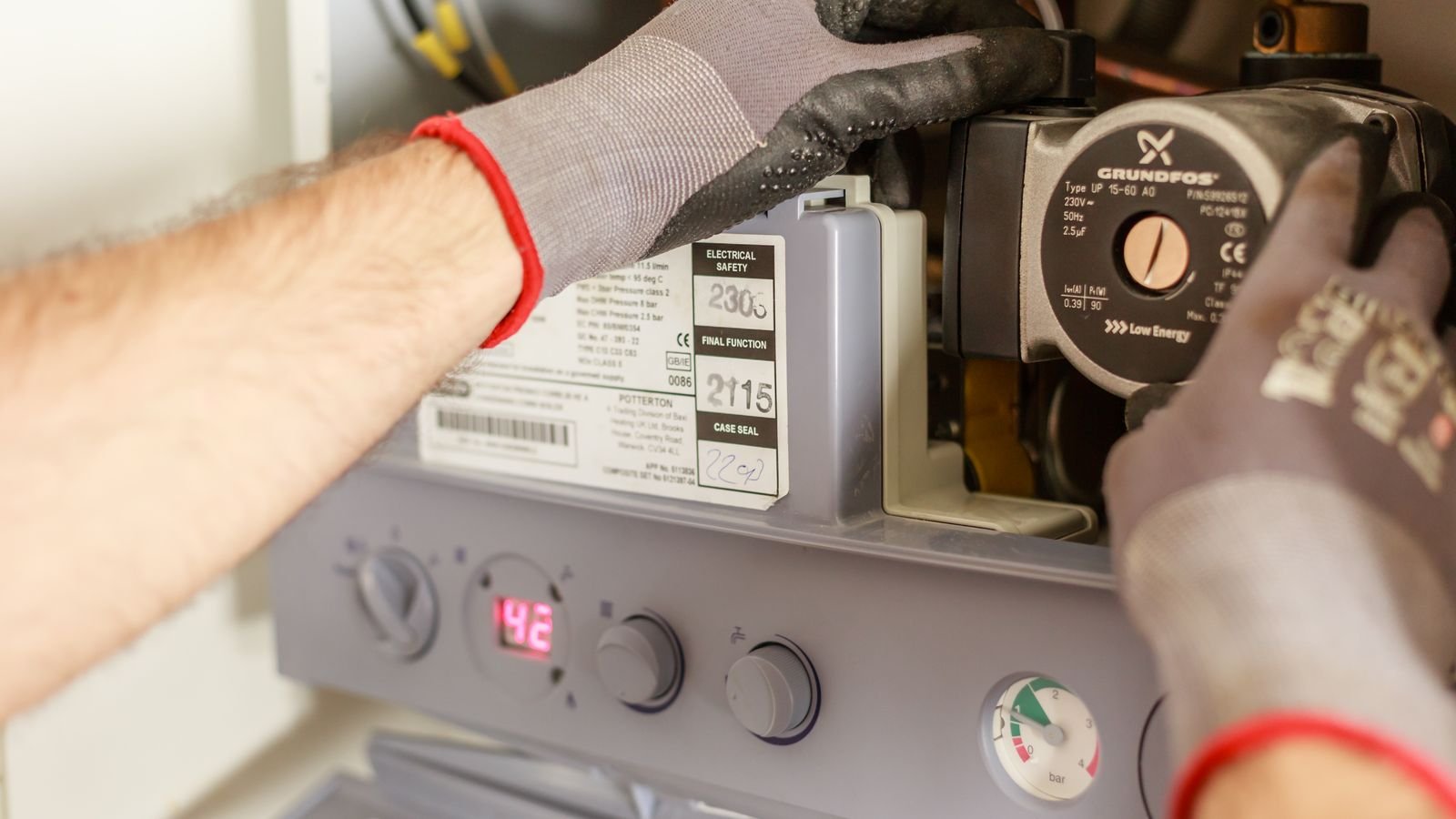
Look on the nameplate sticker, usually on the side or back of the chassis, or in the manual’s specification table. If only amps and volts are listed, multiply them: 10 amps at 115 volts is 1,150 watts. Manufacturer listings sometimes quote a rated input power, which is what you want, rather than the surge draw at start-up.
Note that this figure is the draw while the compressor is running, not an average over time. Since a correctly sized unit cycles off once the room reaches temperature, actual consumption is lower than continuous running implies. That gap is where most people overestimate their bill and then underestimate the savings from a better setting.
Typical Running Costs by Unit Type
Using a mid-range rate of about $0.17 per kWh, here is roughly what different units cost per hour of active compressor time:
- 5,000 BTU window unit (about 450 watts) — roughly $0.08 per hour
- 8,000 BTU window unit (about 700 watts) — roughly $0.12 per hour
- 12,000 BTU window unit (about 1,100 watts) — roughly $0.19 per hour
- 14,000 BTU portable (about 1,400 watts) — roughly $0.24 per hour
- 18,000 BTU window unit (about 1,600 watts) — roughly $0.27 per hour
- Central system, 3 ton (about 3,500 watts) — roughly $0.60 per hour
Multiply by your own rate divided by 0.17 to adjust. In regions where power runs $0.30 or more per kWh, every figure above nearly doubles, which is why the same unit can be trivial to run in one state and painful in another.
From Per Hour to Per Month
The step people get wrong is estimating hours. A unit “on” for twelve hours is not drawing power for twelve hours; it runs until the room reaches setpoint, then cycles. A reasonable rule for a correctly sized unit in typical summer weather is that the compressor runs somewhere between fifty and seventy percent of the time it is switched on. In extreme heat, or with an undersized unit, it approaches one hundred percent.
So for a monthly estimate: hours switched on per day, times a duty-cycle factor of around 0.6, times cost per hour, times days in the month. An 8,000 BTU window unit at $0.12 per hour, on for ten hours daily at sixty percent duty, works out to 10 × 0.6 × 0.12 × 30, or about $22 a month. The same unit left running twenty-four hours in a heatwave at near-continuous duty could cost four times that.
Why Undersized Units Cost More
An undersized air conditioner never satisfies the thermostat, so it runs continuously at one hundred percent duty and still leaves you uncomfortable. A correctly sized unit runs less and delivers more. This is the strongest financial argument for sizing properly rather than buying the cheapest small unit for a large room, and comparing options within the correct capacity class among the best BTU air conditioners is worth doing before shopping on price.
Efficiency Ratings and What They Save
CEER and SEER2 express cooling output per unit of electrical input. A higher rating means the same BTU delivered for fewer watts. The difference between a low-rated older unit and a modern high-efficiency one can be thirty to forty percent on the same cooling job.
Consider two 10,000 BTU window units, one drawing 1,100 watts and an efficient inverter model drawing 800 watts for the same output. Over a season of a thousand compressor hours at $0.17, that is $187 versus $136, a saving of about $51 a year. Over a decade of ownership the efficient unit is several hundred dollars ahead, which typically exceeds its price premium comfortably.
Inverter compressors amplify this further because they modulate rather than cycle, avoiding repeated high-current start-ups and holding a steadier temperature. If lower bills are your goal, the payoff is largest in the units listed among the best energy efficient window air conditioners, particularly for rooms you cool daily rather than occasionally.

The Settings That Move the Needle Most
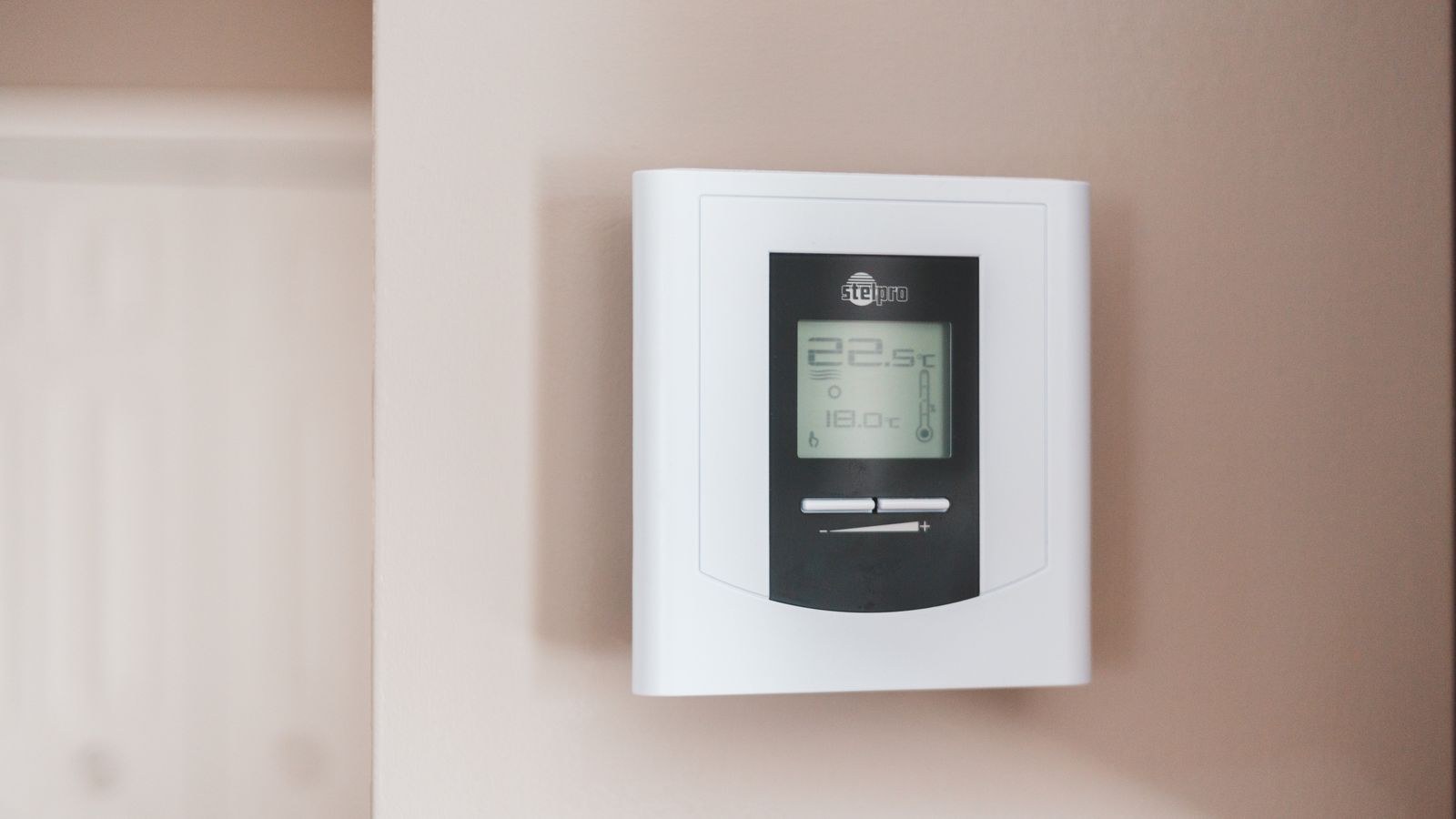
Thermostat setpoint is the single biggest lever you control. Each degree you raise the setpoint typically cuts cooling energy by somewhere between three and six percent, because a smaller gap between indoor and outdoor temperature means less heat flowing in and less run time. Moving from 72°F to 76°F often reduces cooling consumption by fifteen to twenty percent, and with a fan running most people cannot tell the difference in comfort.
Fan mode matters too. Setting the fan to auto rather than continuous means the blower stops when the compressor stops, saving perhaps 50 to 100 watts of continuous draw and avoiding re-evaporating moisture off the coil back into the room. Dry mode, on humid days, can make a room feel comfortable at a higher temperature by targeting humidity rather than temperature, which uses less energy for the same subjective result.
Scheduling is the last easy win. Cooling an empty house is pure waste. A timer or a smart unit that pre-cools before you arrive and backs off while you are out routinely trims ten to fifteen percent from a monthly bill without any comfort penalty. Our detailed look at the best air conditioner settings covers the trade-offs between these controls in more depth.
Seasonal Adjustments
What works in June is not what works in August. Overnight temperatures, humidity, and how much solar heat the building has stored all shift through the season, and the setpoint and schedule that were efficient early on can become wasteful later. Reviewing the best air conditioner settings for summer at the start of peak heat is a five-minute exercise that pays for itself in the first week.
Cutting the Load Rather Than the Unit
Every watt of cooling you avoid needing is cheaper than any watt you optimise. Closing blinds on sun-facing windows during the afternoon reduces solar gain substantially and costs nothing. Reflective window film on unshaded glass makes a measurable difference in west-facing rooms.
Sealing is the other free win. Gaps around the window kit of a portable or the side panels of a window unit continuously feed hot outdoor air back into the room, forcing longer run times. Foam board, weather stripping, and tape around those panels are among the highest-return twenty minutes of work available.
Ceiling and pedestal fans raise the temperature at which a room feels comfortable by roughly three to four degrees, at a power cost of perhaps 30 to 70 watts against the several hundred a compressor draws. Running a fan and raising the setpoint is almost always cheaper than the setpoint alone. Finally, shifting heat-producing activities such as oven cooking, dishwashing, and tumble drying to the evening keeps the peak load off the air conditioner during the hottest hours.
Maintenance Is a Running-Cost Item
A dirty filter restricts airflow, which lowers cooling output while the compressor keeps drawing full power. That combination can add ten to fifteen percent to running cost, and it happens gradually enough that most people never notice. Washing the filter every two to four weeks in heavy use is the cheapest efficiency upgrade there is.
Dirty condenser coils have the same effect from the other direction, making it harder for the unit to reject heat outside. Clearing leaves, dust, and debris from the outdoor side each season restores capacity. Low refrigerant, usually from a leak, forces long run times for poor results and is worth diagnosing rather than tolerating, since a unit running constantly at reduced output is the most expensive state a system can be in.
Unit Type and Cost Per Comfort
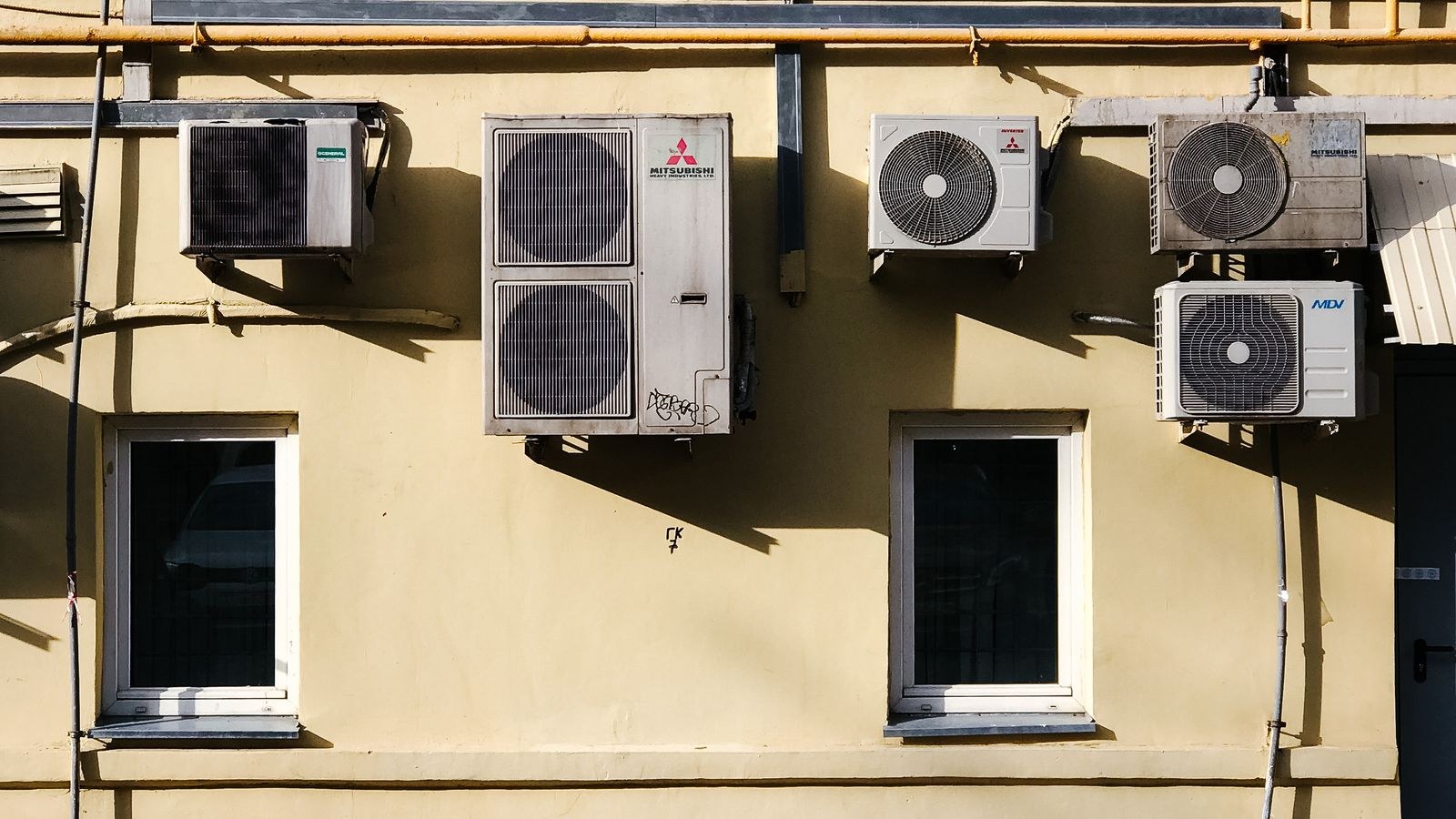
Comparing units by wattage alone is misleading, because what matters is watts per unit of cooling actually delivered to the room. Window units generally deliver close to their rated capacity. Single-hose portables lose a meaningful share to hot exhaust ductwork inside the room and to warm air drawn back in through gaps, so their real cost per degree of comfort runs higher than the nameplate implies.
Mini splits sit at the efficient end, thanks to variable-speed compressors and large separated coils, and typically cost the least per unit of cooling delivered. Central systems cost the most per hour in absolute terms but cover an entire house, so per room they can compare well, though duct losses in unconditioned attics erode that advantage.
For anyone whose choice is constrained to a portable, budget models vary widely in efficiency, and the difference shows up every month rather than once at purchase. Comparing the best affordable portable air conditioners on rated efficiency rather than sticker price alone is the way to keep a low upfront cost from becoming a high ongoing one.
Frequently Asked Questions
Is it cheaper to leave the AC on all day or turn it off when out?
For most homes, turning it off or raising the setpoint while out is cheaper. The building warms slowly, and the extra energy to cool it back down is less than the energy spent holding temperature all day. A programmed pre-cool before you return gets you comfort without the waiting.
Does lowering the thermostat cool the room faster?
No. The unit produces cooling at a fixed rate regardless of setpoint. Setting 65°F when you want 74°F simply means it overshoots and runs longer than necessary.
How much does an air conditioner add to a monthly bill?
For a single room unit used moderately, commonly $20 to $60. For whole-home cooling in a hot climate, it can exceed $200 during peak months. Your rate per kWh is the largest variable.
Do smart plugs help measure actual consumption?
An energy-monitoring plug or a plug-in power meter is the most reliable way to see real usage, including duty cycling, rather than estimating from nameplate wattage.
Is an older unit worth replacing purely on running cost?
Often yes if it runs long hours and is more than a decade old. Compare its wattage against a modern equivalent, calculate the annual saving from your own hours and rate, and see how many years it takes to recover the purchase price.
Final Thoughts
Air conditioner running costs stop feeling mysterious the moment you have three numbers: your unit’s wattage, your realistic hours of operation, and your rate per kilowatt-hour. Multiply them and you have a per-hour figure, a per-month figure, and a basis for judging whether any change is actually worth making.
From there the priorities are clear. Size the unit correctly so it cycles rather than runs flat out, raise the setpoint a few degrees and add a fan, seal the window kit properly, keep the filter clean, and schedule the unit around when you are actually home. Those five habits routinely cut a cooling bill by a third without buying anything. When it is genuinely time to replace the unit, choose on efficiency rating rather than sticker price, and the machine will keep paying that difference back every summer through 2026 and beyond.