Owen Bradley
 Changing a furnace filter is the cheapest, fastest maintenance task in the entire house, and it is the one most often forgotten until the airflow drops or the utility bill climbs. A clogged filter forces the blower to work harder, starves the heat exchanger or evaporator coil of airflow, and in bad cases trips a limit switch or freezes the coil solid. The job itself takes about two minutes once you know where the filter lives and how to read its size. The part people actually get wrong is the MERV rating — buy too low and you filter almost nothing, buy too high for your system and you choke the airflow you were trying to protect. This guide covers both halves: the swap, and the choice.
Where Your Filter Actually Lives
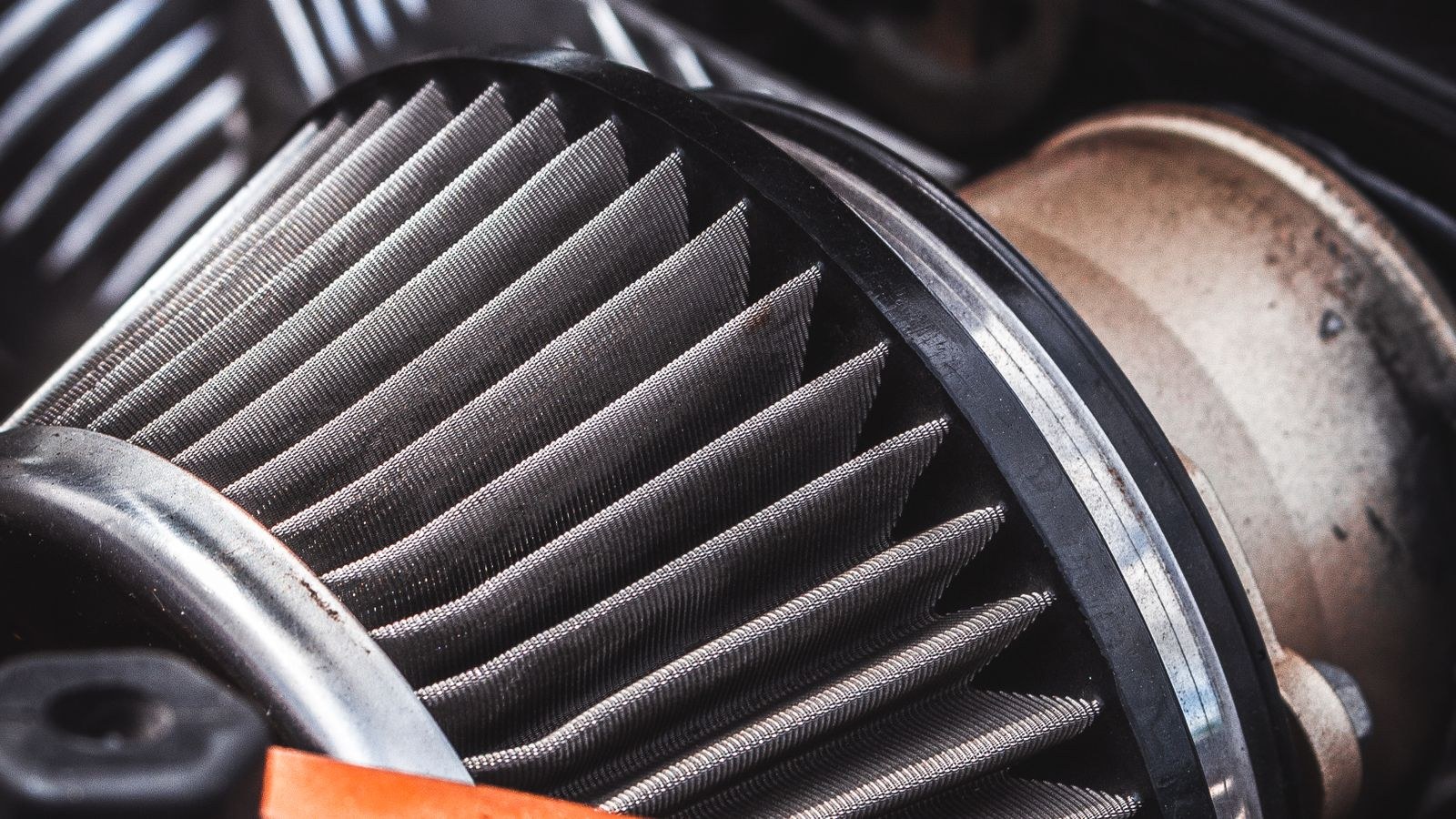
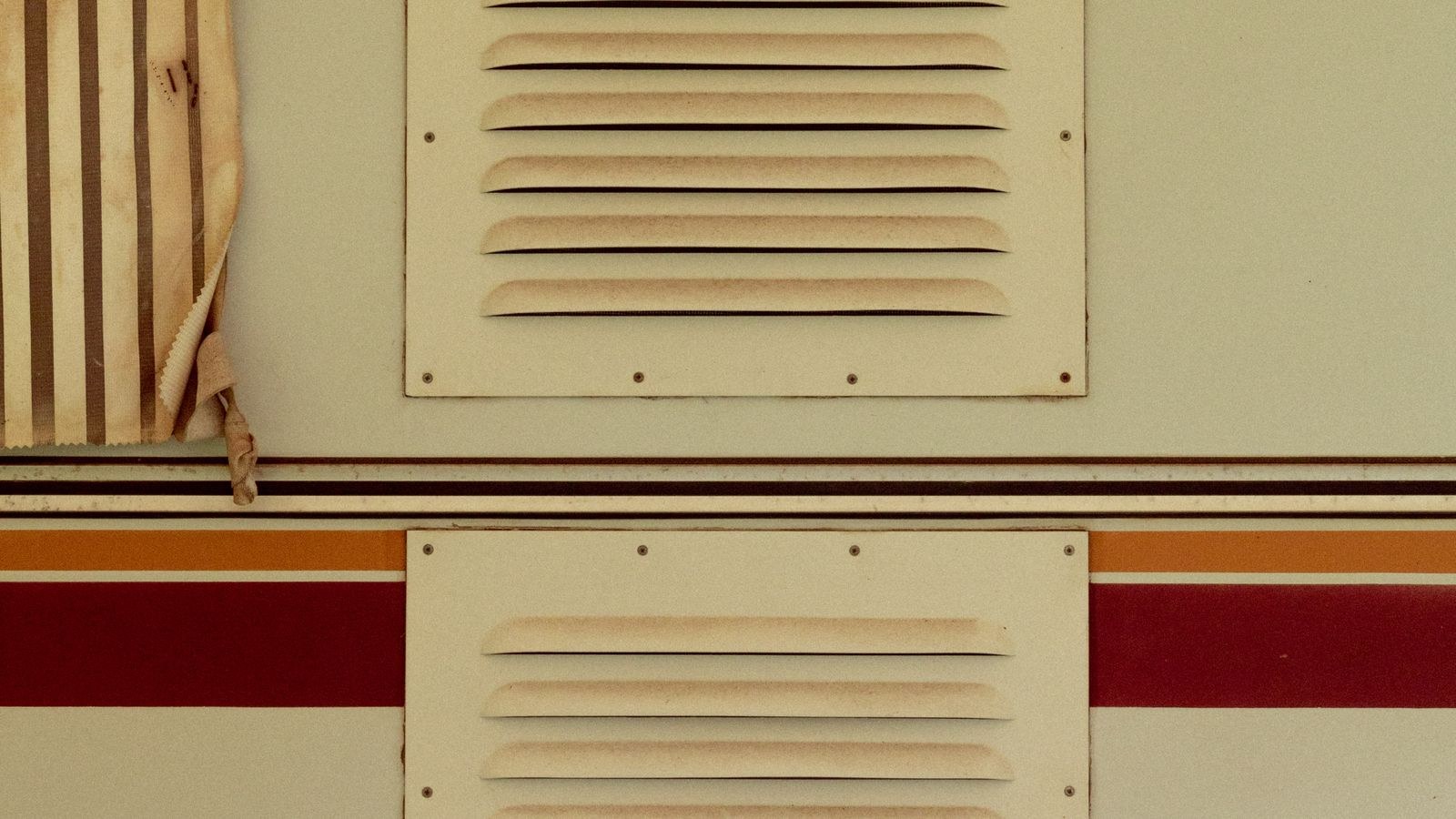
Filters sit on the return side of the system, where air is drawn in before it reaches the blower. There are three common locations. The first is a slot in the furnace or air handler cabinet itself, usually a narrow gap right where the large return duct meets the unit, sometimes covered by a metal clip or a removable door. The second is a dedicated filter grille in a wall or ceiling — a large hinged vent, often in a hallway, holding a single big filter behind a latch. The third is a media cabinet, a boxy housing bolted to the return duct that holds a thick four- or five-inch filter.
Some homes have more than one. If your house has multiple return grilles, each may hold its own filter, and changing only the one you know about leaves the others clogged. Walk the house once and note every location before you buy replacements.
What You Will Need
- The correct replacement filter, matching the size printed on the frame of the old one.
- A flashlight to read faded dimensions and see into the cabinet.
- A screwdriver or nut driver if the filter door is fastened rather than clipped.
- A permanent marker to write the install date on the new frame.
- A trash bag to seal the old filter without shedding dust through the house.
- A vacuum with a brush attachment for the slot and grille.
- Foil tape if the filter slot has a gap that lets unfiltered air bypass.
Step by Step: Changing a Furnace Filter
- Turn the system off. Set the thermostat to Off, or better, switch off the furnace’s service disconnect. Pulling a filter while the blower runs sucks accumulated dust straight into the equipment and out through your supply registers.
- Open the filter access. Slide the cabinet door or clip aside, unlatch the return grille, or open the media cabinet cover. Keep any screws somewhere you will find them again.
- Note the airflow arrow before you pull. Every filter has an arrow printed on the frame indicating the direction of airflow, which always points toward the blower and away from the return duct. Look at how the old one is oriented and remember it. Installing a filter backwards reduces its capacity and can collapse the pleats.
- Slide the old filter out and bag it immediately. Pull it straight out without shaking it, and drop it into a bag. A loaded filter holds a remarkable amount of dust and will release it all over the mechanical room if you carry it around uncovered.
- Read the size printed on the frame. Filters are labelled with three numbers, such as 16x25x1 — width, height and thickness in inches. That printed figure is the nominal size; the actual filter measures a fraction smaller so it slides into the slot. Always buy by the nominal size on the frame. If the printing has worn off, measure the old filter and round each dimension up to the nearest half inch.
- Clean the slot and grille while it is empty. Vacuum the filter track, the inside lip of the cabinet and the return grille louvres. Dust that collects here gets pulled past the filter every time the blower starts.
- Insert the new filter with the arrow pointing at the blower. In a cabinet slot, the arrow points toward the furnace. In a wall or ceiling return grille, it points into the wall or ceiling, away from the room. Seat it fully so no gap remains at the edges.
- Close everything and seal any bypass. Refit the door or latch the grille. If you can feel air whistling past the filter slot when the blower runs, close that gap with foil tape — bypass air carries dust straight onto the evaporator coil.
- Date the filter. Write the month on the exposed edge of the frame with a marker. It removes all guesswork the next time you look at it and is far more reliable than trying to remember.
- Restart the system and listen. Turn the thermostat back on and let the blower run for a minute. Airflow from the registers should feel noticeably stronger than before if the old filter was loaded. Any new whistling or a filter that visibly bows inward means the media is too restrictive for the system.
Choosing the Right MERV Rating
MERV, or Minimum Efficiency Reporting Value, runs from 1 to 16 in residential use and describes how small a particle the filter captures. Higher is not automatically better, because finer media resists airflow, and residential blowers are designed around a modest pressure drop.
- MERV 1 to 4 — the cheap spun fibreglass panels. They protect the blower motor from lint and little else. Fine only if that is genuinely all you want.
- MERV 5 to 8 — the pleated default for most homes. Captures dust, pollen, mould spores and lint with minimal airflow penalty. This is the safe recommendation if you are unsure.
- MERV 9 to 12 — noticeably better on fine dust, pet dander and some smoke particles. Excellent for allergy sufferers, provided your system tolerates the extra resistance.
- MERV 13 to 16 — captures bacteria-sized particles and much of the fine smoke fraction. Genuinely restrictive in a one-inch thickness, and best implemented in a four-inch media cabinet where the larger surface area offsets the pressure drop.
The practical rule is this: a one-inch slot should generally stay at MERV 13 or below, and most older systems are happiest between 8 and 11. A four- or five-inch media filter can run a high MERV comfortably because it has several times the surface area. If you have allergies, our comparison of the best air conditioner filters for allergies explains which ratings actually make a difference, while the broader best air conditioner filters for home roundup covers everyday options and sizes.
How Often Should You Change It?
Manufacturer intervals assume average conditions, and few homes are average. Use these as a starting point and adjust based on what the filter actually looks like. A one-inch pleated filter typically lasts 60 to 90 days in a normal household, dropping to 30 to 45 days with shedding pets or several occupants, and as little as 30 days during heavy pollen season or nearby construction. Four- and five-inch media filters usually run 6 to 12 months.
The real test is visual. Hold the filter up to a light: if you cannot see light through the media, it is finished regardless of the calendar. Vacation homes and lightly used systems can stretch intervals, since it is runtime, not elapsed time, that loads a filter. If your equipment is aging and filters seem to clog unusually fast, that can point to duct leakage pulling in attic or crawl space dust, and our guide to the best furnace and air conditioner systems covers what to look for when the whole setup is due for replacement.
Filters Versus Air Purifiers
A furnace filter protects equipment first and cleans air second. Even a high-MERV media filter only treats air while the blower runs, which in a mild shoulder season may be a few hours a day. If your goal is genuinely cleaner indoor air rather than protected equipment, a standalone unit that runs continuously in the room you occupy does more work. Our roundup of the best HEPA room air purifiers covers models sized by room area, and the air purifier buying guide explains how to read clean air delivery rate figures so you match capacity to the space rather than the marketing claim.
Common Mistakes to Avoid
- Installing the filter backwards. The arrow always points toward the blower.
- Buying the highest MERV available. A restrictive filter in a one-inch slot can do more harm than a dirty MERV 8.
- Forcing a slightly wrong size. Gaps at the edges let unfiltered air bypass entirely.
- Forgetting the second filter. Many homes have one per return grille.
- Changing it with the blower running. Dust goes straight into the equipment.
- Trusting the calendar over your eyes. Hold it to a light before deciding.
Frequently Asked Questions
What MERV rating should I use in a standard furnace?
MERV 8 to 11 suits most residential systems with a one-inch slot, balancing dust capture against airflow. Go higher only if you have a thick media cabinet or have confirmed your blower tolerates the extra resistance.
Can a dirty filter damage my furnace?
Yes. Restricted airflow overheats the heat exchanger and can trip the high-limit switch repeatedly, and in cooling mode it lets the evaporator coil freeze. Both shorten equipment life considerably.
What do the numbers on the filter frame mean?
They are the nominal width, height and thickness in inches, such as 20x25x1. Buy by that printed figure rather than by measuring, since the actual dimensions are slightly smaller by design.
Are washable filters worth it?
They reduce waste but usually offer low efficiency, and a filter reinstalled while still damp encourages mould growth in the duct. Most households are better served by disposable pleated media.
Final Thoughts
Changing a furnace filter takes minutes, but doing it well takes two extra habits: reading the size and airflow arrow off the frame before you pull the old one, and writing the date on the new one so the next interval is not a guess. Choose MERV by what your system can breathe through rather than by the biggest number on the shelf, upgrade to a thicker media cabinet if you want high efficiency without the pressure penalty, and hold the filter to a light rather than trusting a calendar. Keep to that routine through 2026 and you will get quieter operation, cleaner air and a furnace that lasts noticeably longer.