Owen Bradley
 Streaming services all publish a recommended speed for 4K, usually around 25 megabits per second, and that single figure has caused an enormous amount of confusion. It is not wrong, but it describes one stream on an otherwise idle connection, which is not a situation any household actually experiences. Real 4K streaming bandwidth depends on the service, the codec, the scene on screen and how many other people are doing things at the same time. A family running three 4K streams while someone works from home and a console downloads a patch is operating in a completely different regime from the one those recommendations describe. This guide gives the real numbers per service and per device, explains why your connection can pass a speed test and still buffer, and sets out the router features and plan tiers that keep several 4K streams stable at once in 2026.
What a 4K Stream Actually Consumes
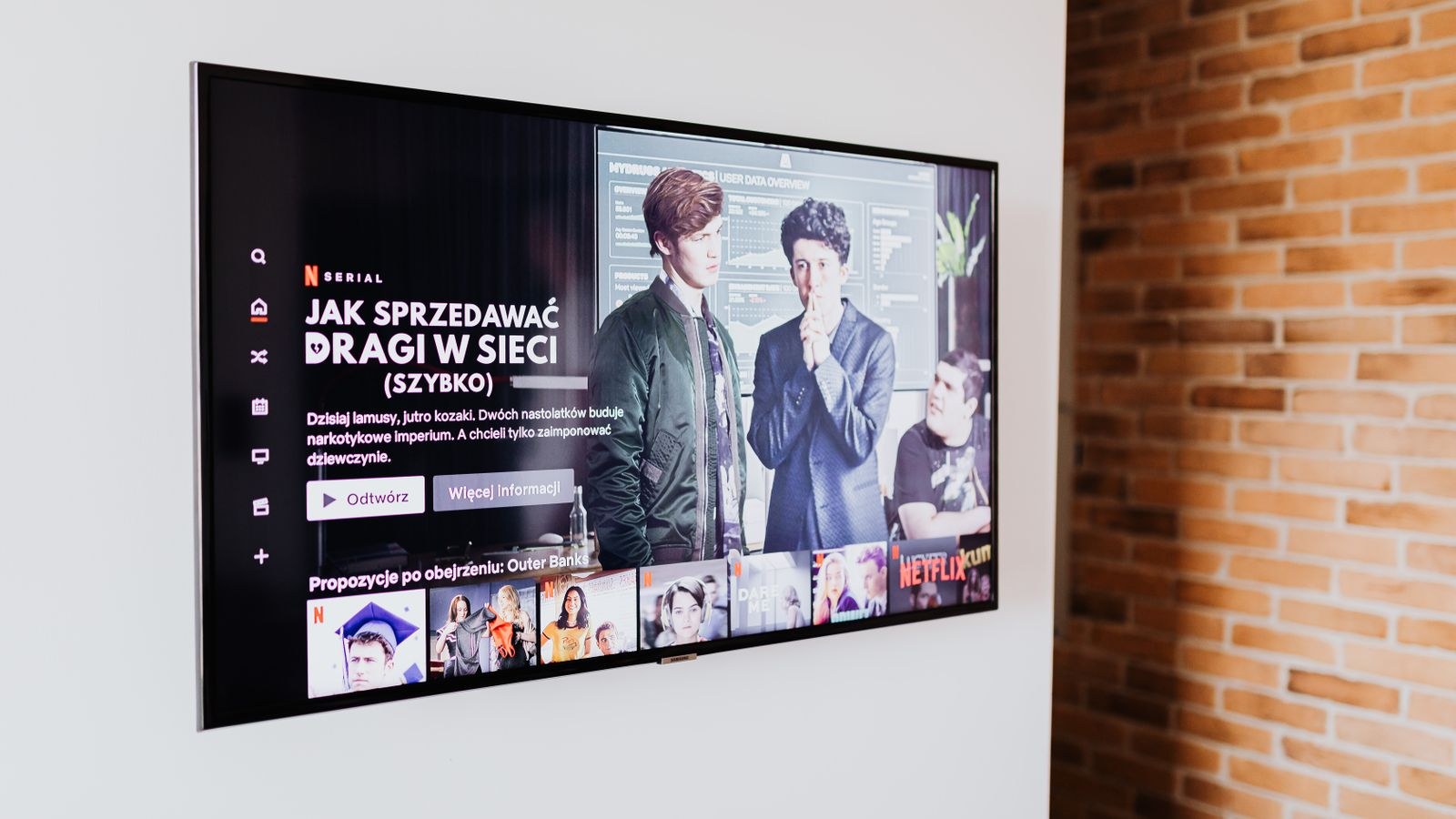
A 4K stream is not a fixed size. Services use adaptive bitrate encoding, meaning the quality and therefore the data rate rise and fall continuously based on available bandwidth and the complexity of what is on screen. A static dialogue scene compresses tightly; a fast action sequence with rain, smoke or confetti can double the instantaneous rate.
In practice, most major services deliver 4K content between roughly 15 and 25 megabits per second, with peaks above that during demanding scenes. High dynamic range adds a little more. A few services push considerably higher for premium tiers, and live sport in 4K tends to sit toward the top of the range because motion is constant.
The important nuance is that adaptive streaming degrades gracefully. When bandwidth tightens, the player drops to a lower resolution rather than stopping. That is why people often do not realise they have a capacity problem: nothing buffers, the picture simply gets softer, and everyone assumes the service is having a bad day.
Typical Figures by Service and Content Type
- Mainstream subscription video in 4K. Roughly 15 to 25 megabits per second sustained, with brief peaks higher on complex scenes.
- 4K with high dynamic range. Add roughly 10 to 20 percent over the standard 4K figure for the same title.
- Live sport and events in 4K. Roughly 20 to 30 megabits per second, since constant motion resists compression.
- 1080p streaming. Roughly 5 to 8 megabits per second, which is why a household can run several 1080p streams on a plan that struggles with two in 4K.
- Cloud gaming at 4K. Roughly 35 to 45 megabits per second, and far more sensitive to latency and jitter than video is.
- Downloaded content. Uses whatever bandwidth is available, which is why background downloads disrupt streams so effectively.
Newer compression codecs are steadily lowering these figures for the same visual quality, but only when both the service and the playback device support them. An older television may receive a larger stream of the same title than a newer one sitting beside it.
Why Speed Tests Mislead
A speed test measures a short, single-threaded burst on an otherwise quiet connection. Streaming is a sustained, multi-hour load that coexists with everything else in the house. A connection that reports 300 megabits at midday can still deliver a poor experience at 8pm if the local network cannot distribute that capacity evenly, or if the provider’s network is congested at peak times.
Two other measurements matter more than raw speed for streaming quality. Latency under load, sometimes called bufferbloat, describes how much delay builds up when the connection is busy; high values ruin video calls and cloud gaming even on fast plans. Jitter, the variability of that delay, causes the stutters people notice most. A plan with modest speed but low latency under load often streams better than a faster one with poor buffer management.
Test the Way You Actually Watch
Run a speed test while a 4K stream is already playing rather than on a quiet line. If the result collapses or latency spikes dramatically, the constraint is inside your house or in your router’s queue management, not in the headline figure your provider advertises.

Sizing a Plan for Multiple 4K Streams
Plan for concurrent peak, then add headroom. Two 4K streams at 25 megabits each is 50 megabits. Add a video call at 4 megabits, general browsing and phone activity at perhaps 10, and a background sync at whatever it can take. A 100 megabit plan handles that scenario but with little margin; a 200 to 300 megabit plan handles it comfortably.
Useful rough tiers look like this. Up to 100 megabits suits one or two 4K streams plus normal use. Between 200 and 400 megabits comfortably covers three or four simultaneous 4K streams alongside work and gaming. Beyond 500 megabits, the plan is rarely the limitation for streaming, and improvements come from the local network instead. Do not forget upload if the household runs video calls or security cameras, since a congested upload channel disrupts the acknowledgements that keep download streams flowing smoothly.
The Router Features That Keep Streams Stable
Once the plan is adequate, the router determines whether that capacity reaches each screen consistently. Several capabilities matter specifically for streaming.
- Smart queue management. Modern queue algorithms prevent one large download from filling buffers and delaying everything else. This is the single most valuable feature for a busy household.
- Quality of service prioritisation. Rules that place video and real-time traffic above bulk transfers stop a game patch from ruining film night.
- Sufficient bands and streams. A tri-band design lets televisions live on a band separate from phones and smart devices, so streams do not compete for airtime.
- Capable processor. Sustained high throughput with queue management enabled requires real processing power; budget hardware often disables the useful features at high speeds.
- Gigabit or faster wired ports. The most reliable 4K stream is one that never touches Wi-Fi at all.
Models selected around these characteristics appear in our roundup of the best routers for 4K streaming, while households running several screens at once should also see the best routers for streaming multiple devices.
Wired Beats Wireless for the Main Screen
If your primary television sits within reach of a cable run, wire it. An Ethernet connection removes airtime contention, interference and roaming decisions from the equation entirely, and delivers a consistent rate regardless of what else is happening on the wireless network. It is the cheapest reliability upgrade in streaming, and it frees wireless capacity for everything else.
Where cabling is impossible, place the streaming device on the 5GHz or 6GHz band, keep the path to the router as clear as possible, and avoid burying the device behind the television in a metal cabinet. Powerline and coaxial adapters are imperfect but frequently outperform a marginal wireless link for a fixed device.
The Modem and Connection Type Also Matter
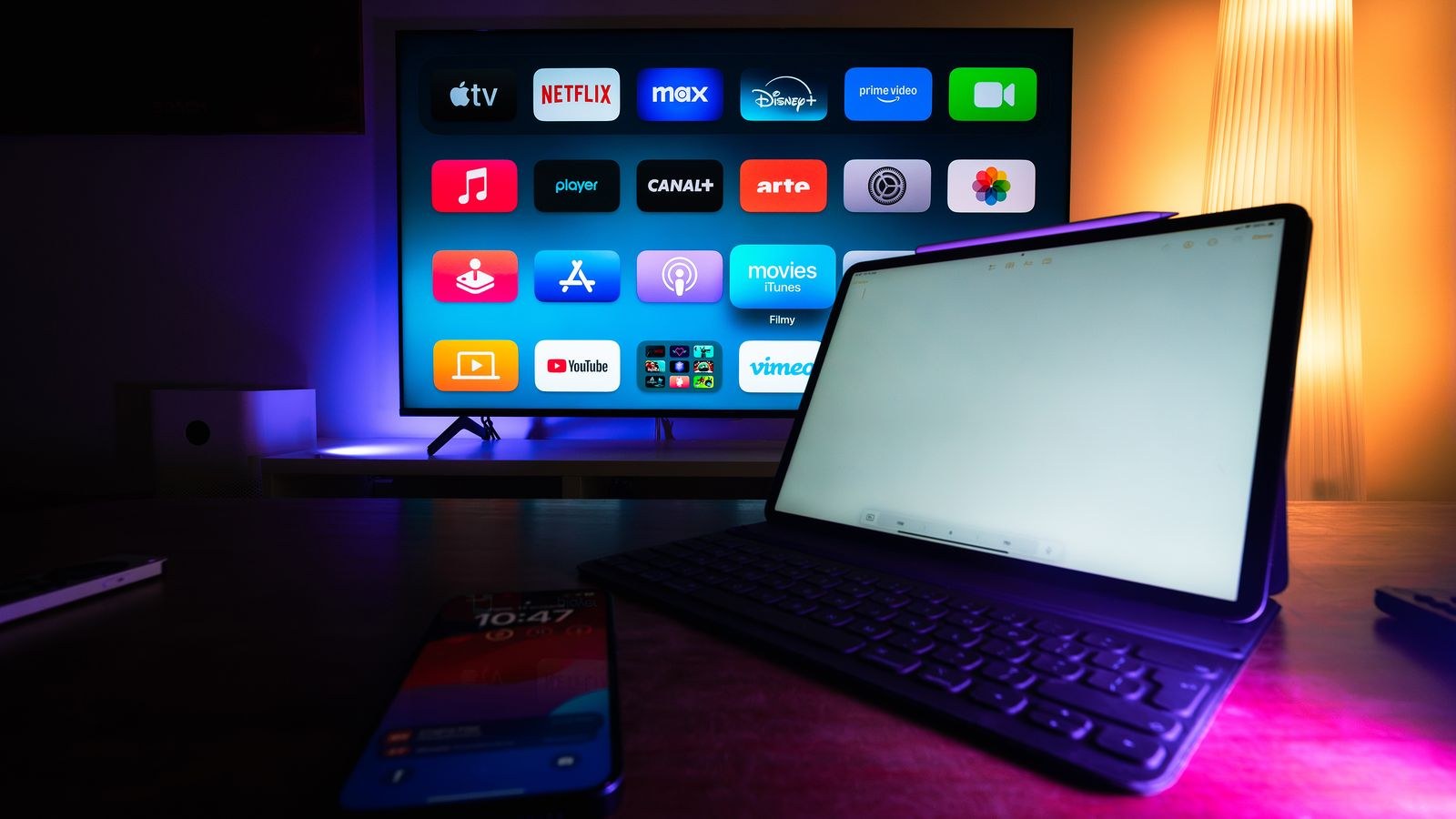
On cable services, the modem sets a ceiling that no router can lift. An older modem supporting fewer channels caps throughput and can add latency under load, which shows up precisely when several streams run at once. If you rent equipment from your provider, check the model’s specification against your plan tier; mismatches are surprisingly common and quietly waste money every month.
Connection technology matters too. Fibre generally offers symmetrical or near-symmetrical speeds and low latency, which suits multi-stream households well. Cable delivers strong download but weaker upload and can slow during neighbourhood peak hours. Fixed wireless and satellite services introduce higher latency and variability that adaptive streaming handles reasonably but cloud gaming does not. Buyers replacing provider hardware can compare options among the best modems for streaming.
Fixing a Household That Buffers
Work through the causes in order of likelihood rather than replacing hardware first. Check whether the picture is actually dropping resolution rather than buffering, which points to bandwidth contention. Look for background activity: console downloads, cloud backups, phone photo syncing and automatic updates are the usual culprits, and scheduling them overnight often solves everything.
Next, enable queue management and quality of service on the router. Then wire the main screen if possible, and separate bands so televisions are not sharing a channel with dozens of smart home devices. Only after those steps should you consider a faster plan, because in most homes the plan was never the limitation. Broader hardware guidance for streaming-heavy households is available in our list of the best routers for streaming and our overview of streaming optimized home networks.
Common Mistakes When Planning for 4K
The first is multiplying the recommended figure by the number of televisions and buying that plan. Streams rarely peak simultaneously, adaptive encoding means average consumption sits below the maximum, and the resulting plan is usually larger than necessary while the actual bottleneck goes unaddressed.
The second is buying an expensive router and leaving every setting at default. Queue management and prioritisation are frequently disabled out of the box, so the features you paid for sit idle. The third is ignoring the playback device: an older streaming stick with a weak wireless radio will underperform on any network, and replacing it costs far less than a plan upgrade. The fourth is overlooking the service’s own account settings, since many platforms include a data usage or quality preference that may be capping your picture regardless of your connection.
Frequently Asked Questions
Is 100 megabits enough for 4K?
For one or two simultaneous 4K streams alongside ordinary browsing, yes, comfortably. Three or more concurrent 4K streams plus work traffic will feel tight, and a higher tier is worth considering.
Why does my picture look soft on a fast connection?
Adaptive streaming lowers resolution instead of buffering when bandwidth tightens. Soft picture without interruption is the classic signature of local contention rather than a slow plan.
Does Wi-Fi 6 improve 4K streaming?
It helps most in busy homes by scheduling many clients more efficiently, which reduces the contention that degrades streams. For a single television on a quiet network, the difference is small.
Do I need a separate network for streaming devices?
Not separate, but separated. Keeping televisions on a less crowded band away from smart home devices produces most of the benefit without added complexity.
Final Thoughts
Real 4K streaming bandwidth sits between roughly 15 and 25 megabits per second per stream, higher for live sport and cloud gaming, and lower than most people fear once adaptive encoding is understood. The plan you need follows from how many streams genuinely run at the same time plus honest headroom for work, gaming and background transfers. From there, the improvements that matter are local: smart queue management, sensible prioritisation, a wired connection to the main screen and enough bands to keep televisions away from the crowd. Address those and multiple 4K streams stop being a stress test and start being unremarkable.