Owen Bradley
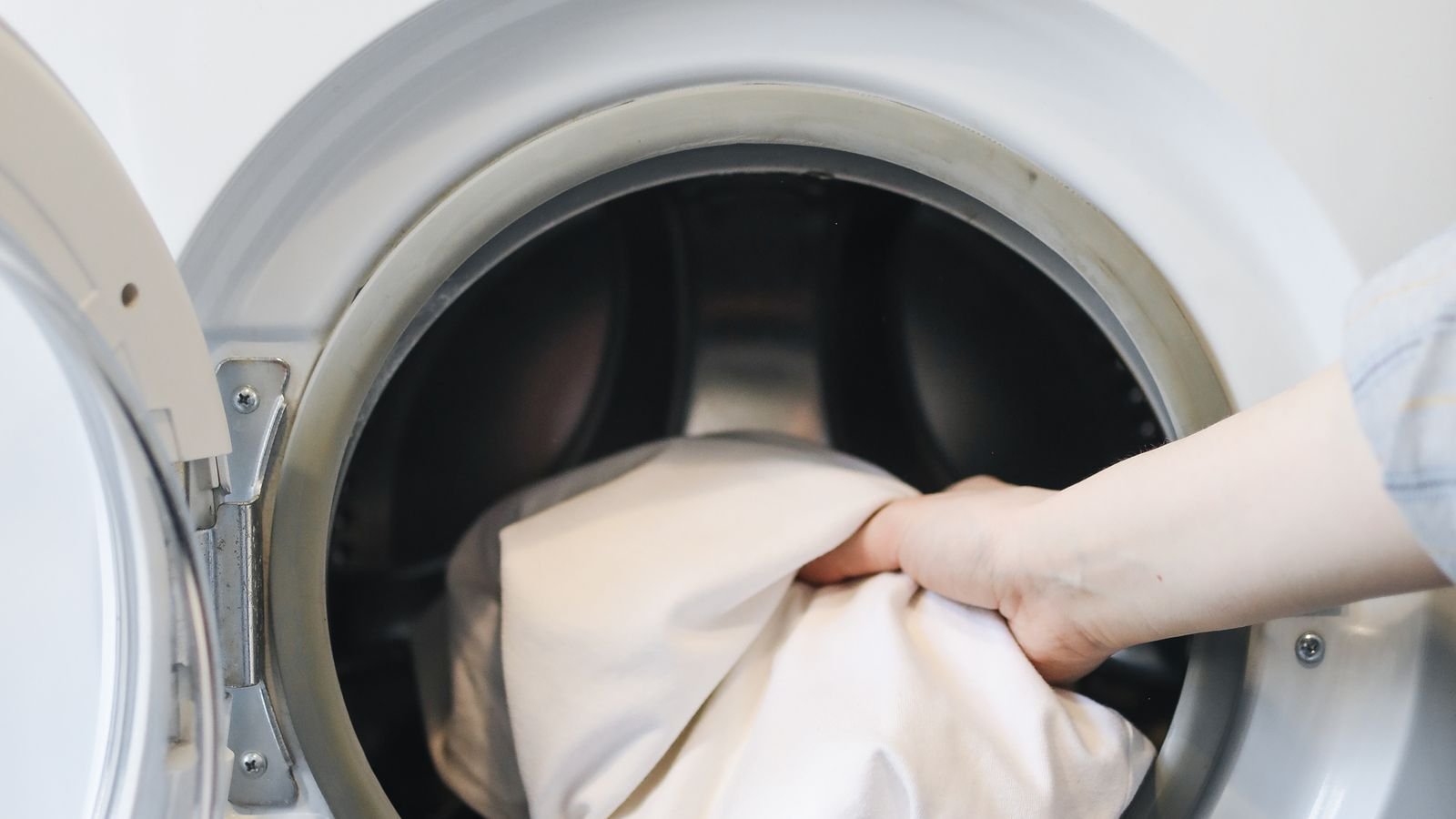
 Front-loading washers clean better and use far less water than top-loaders, but they have one notorious weakness: the rubber door gasket. That flexible bellows seal traps water, lint, hair, and detergent residue in its folds, and because the door seals airtight when closed, the whole cavity stays warm and damp between loads. The result is a sour, musty smell that transfers straight onto clean laundry. Deodorizing a front-loading washing machine gasket is a straightforward job that takes about forty-five minutes, and this guide covers the full process plus the habits that stop the smell coming back.
Why the Gasket Smells
The odor is biological. Mold, mildew, and bacteria feed on a mix of undissolved detergent, fabric softener residue, body oils, skin cells, and lint, all of which collect in the gasket’s folds where water pools after every cycle. Three modern laundry habits make it much worse.
Cold-water washing saves energy but never gets hot enough to kill microbial growth. Liquid fabric softener leaves a waxy film that microbes colonize readily. And using more detergent than the machine needs, especially non-HE detergent in an HE machine, leaves a sticky residue that never fully rinses away. Add a door that stays closed between loads and you have created an ideal incubator.
The important point is that the smell is a symptom, not the problem. Masking it with a scented product changes nothing; you have to physically remove the biofilm.
What You Will Need
- Distilled white vinegar, roughly two cups.
- Baking soda, half a cup.
- Household chlorine bleach, about half a cup, for stubborn black mold. Never mix it with vinegar.
- An old toothbrush or a soft detail brush.
- Microfiber cloths, several, plus a stack of old towels.
- Rubber gloves and eye protection.
- A small bowl, a spray bottle, and a flashlight.
- Cotton swabs for the drain holes.
Open a window or run the extractor fan. Working with bleach in a small, closed laundry room is unpleasant and unnecessary.
Step-by-Step: Deodorizing the Gasket
- Pull the gasket open and inspect. Wearing gloves, peel the rubber bellows back and shine a flashlight into the fold. You will typically find standing water, lint, hair, and often a grey or black slime. This is the target.
- Remove the loose debris. Wipe out everything solid with a dry cloth first. Coins, buttons, hairpins, and tissue fragments all collect here, and clearing them dry stops you from smearing the mess around.
- Clear the drain holes. Most gaskets have several small weep holes at the bottom that let trapped water escape. Find them with the flashlight and clear each one with a cotton swab. Blocked drain holes are the single most common cause of a gasket that smells again within a week.
- Spray with vinegar. Fill a spray bottle with undiluted white vinegar and saturate the entire gasket, working the folds open so the liquid reaches every surface. Let it sit for ten to fifteen minutes to break down the residue.
- Scrub thoroughly. Make a paste of baking soda and a little water, then scrub every fold with the toothbrush. Work all the way around the ring, top and bottom, paying particular attention to the bottom third where water sits.
- Wipe and inspect. Clean out the loosened residue with fresh microfiber cloths, changing cloths as they get dirty. Check with the flashlight again.
- Treat remaining black spots with bleach. If dark staining persists, rinse the vinegar away completely first, then mix half a cup of bleach into a quart of water, dampen a cloth, and lay it against the stained area for ten minutes. Never apply bleach while vinegar residue remains, because mixing the two releases toxic chlorine gas.
- Rinse and dry. Wipe the gasket down with a water-dampened cloth, then dry it completely with a towel. The fold must be dry, not just clean.
Don’t Stop at the Gasket
The gasket is where you smell the problem, but it is rarely the only source. Pull out the detergent dispenser drawer completely, most release with a tab or a firm pull, and soak it in hot water. The underside of the drawer and the recess it slides into are usually coated in slimy residue that needs a brush.
Next, find the drain pump filter, typically behind a small access panel at the bottom front of the machine. Put a shallow tray and towels underneath because water will come out, unthread the filter, and clean it. A neglected pump filter holds a startling amount of foul-smelling sludge and is a very common hidden odor source.
Finally, wipe the door glass, the inner rim, and the interlock area, then run the machine’s tub-clean or self-clean cycle. If it does not have one, run an empty cycle at the hottest available temperature with two cups of white vinegar poured into the drum, followed by a second short hot cycle with half a cup of baking soda. Dedicated machine cleaning tablets work well too, and comparing options among the best washing machine dryers shows that many current models include a sanitize cycle designed for exactly this maintenance.
Preventing the Smell From Returning
Cleaning solves today’s problem; these habits solve next month’s.
- Leave the door ajar between loads. The single most effective change you can make. Air circulation dries the drum and gasket, and mold cannot establish in a dry environment.
- Wipe the gasket after the last load of the day. Ten seconds with a dry cloth removes the standing water that everything else depends on.
- Cut your detergent. Most people use two to three times what is needed. Use HE detergent in an HE machine and start with half the recommended dose; suds you can see through the glass mean you are overdosing.
- Skip liquid fabric softener. Switch to dryer balls or a splash of white vinegar in the rinse compartment, which softens without leaving a waxy film.
- Run one hot wash a week. A weekly load at 140°F or above, towels or bedding, keeps microbial growth in check between deep cleans.
- Leave the dispenser drawer cracked open so it dries out too.
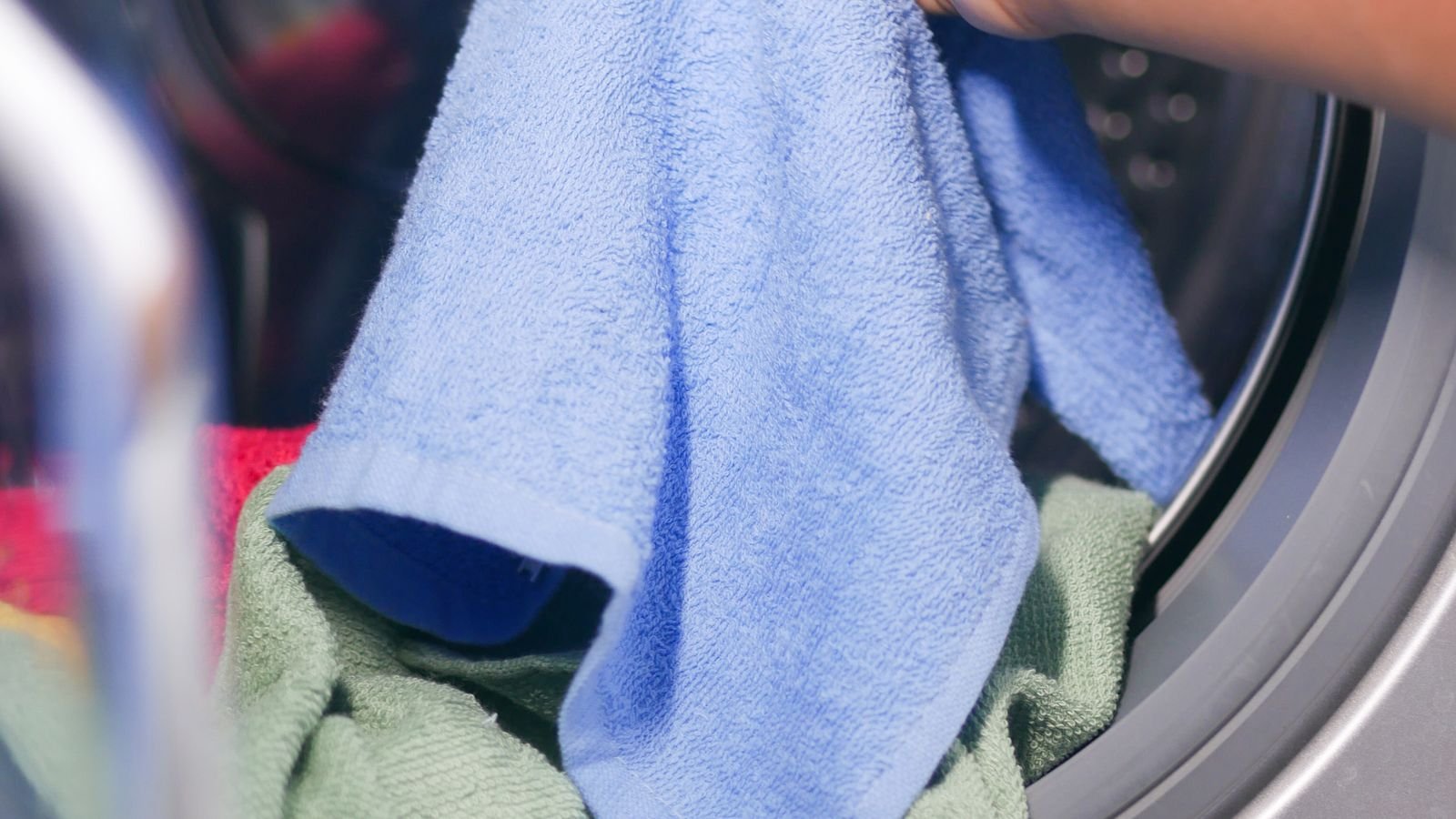
- Move laundry out promptly. Wet clothes sitting in a sealed drum for hours undoes everything else.
Common Mistakes to Avoid
- Mixing bleach and vinegar, which produces dangerous chlorine gas. Rinse fully between them.
- Using an abrasive pad or a stiff wire brush, which tears the rubber and creates new crevices for mold.
- Ignoring the drain holes, guaranteeing the smell returns quickly.
- Adding more detergent because the machine smells, which makes the residue problem worse.
- Closing the door immediately after cleaning while the gasket is still damp.
- Skipping the pump filter and wondering why a spotless gasket still smells.
When Cleaning Is Not Enough
If black mold has grown into the rubber itself rather than sitting on the surface, no amount of scrubbing will remove the staining or the smell, because the growth is inside the material. A replacement gasket is a moderately priced part and a manageable DIY job on many models, though some require removing the front panel and a spring clamp that needs care.
Also consider whether the machine is level and whether it drains properly. A washer that sits out of level pools more water in one side of the gasket, and a partially blocked drain hose leaves standing water in the sump after every cycle. Both make odor recurrence inevitable regardless of how well you clean.
Frequently Asked Questions
How often should I clean the gasket?
Wipe it dry daily, and do a full vinegar-and-scrub deep clean monthly. Households doing heavy laundry or washing mostly in cold water should aim for every two to three weeks.
Can I use bleach on the rubber seal?
Yes, diluted, and occasionally. Frequent bleach use degrades rubber over time, so reserve it for visible black staining and use vinegar for routine cleaning.
Why does the smell come back so fast?
Almost always blocked gasket drain holes, a dirty pump filter, or a door kept closed between loads. Check all three.
Does leaving the door open really help?
It is the most effective single prevention step there is. Mold needs moisture, and an open door lets the drum and gasket dry completely between loads.
Is vinegar safe for my washing machine?
Occasional use in an empty cleaning cycle is fine on most machines. Some manufacturers advise against frequent vinegar use because acid can affect certain seals over years, so check your manual and do not use it in every load.
Final Thoughts
A smelly front-loader gasket is not a design flaw you have to live with; it is a maintenance gap. Clear the folds and the drain holes, scrub the biofilm out with vinegar and baking soda, clean the dispenser and the pump filter at the same time, and then change the two habits that cause it: too much detergent and a door that stays shut. Do that and your washer will smell like nothing at all, which is exactly what a clean machine should smell like.