Owen Bradley
 Fire and carbon monoxide are two completely different hazards that happen to threaten the same rooms, which is exactly why combination detectors have become the default choice for most homes. One device, one mounting point, one set of batteries to remember, and coverage for both a fast-moving fire and an invisible gas that gives no warning at all. But combo detectors also involve trade-offs that single-purpose alarms do not, and a poorly chosen or badly placed unit can leave you worse protected than two separate alarms would. This guide explains the sensor technologies, placement rules, power options and lifespan limits so you can protect your household properly in 2026 without over-buying or under-covering.
Two Hazards, Two Very Different Sensors
A combination detector houses at least two independent sensing elements in one enclosure. The smoke sensor watches for particles of combustion; the carbon monoxide sensor is an electrochemical cell that reacts to CO gas. They share a housing, a horn and a power supply, but they are otherwise separate systems with separate alarm patterns and separate expiry dates.
That last point catches people out constantly. CO sensing cells have a finite chemical life, typically shorter than the smoke sensor’s. When the CO cell expires, the whole unit must be replaced even though the smoke sensor might still function. Buy with that replacement cycle in mind rather than treating the detector as a permanent fixture.
Ionisation, Photoelectric and Dual-Sensor Smoke Detection
- Photoelectric: uses a light beam scattered by smoke particles. Markedly better at detecting slow, smouldering fires such as a cigarette in upholstery or overheating wiring, which are the fires that most often kill people in their sleep. Also far less prone to nuisance alarms from cooking steam.
- Ionisation: uses a tiny radioactive source to detect fast-flaming fires with small particles, such as a grease flare or burning paper. Responds a little quicker to open flame but generates many more false alarms near kitchens and bathrooms.
- Dual sensor: both technologies in one unit, giving broad coverage across fire types. This is the best specification if you are buying one alarm per area.
If you can only have one technology, choose photoelectric. Nuisance alarms are not a minor annoyance; they are the reason people disable detectors, and a disabled detector protects nobody. Our comparison of the best smoke and CO detectors covers which sensor combinations suit which rooms.
Understanding Carbon Monoxide Detection
Carbon monoxide is colourless, odourless and produced by any incomplete combustion: a blocked flue, a cracked heat exchanger, a generator run too close to the house, a car left idling in an attached garage. Symptoms mimic flu, which is why detection has to be electronic rather than sensory.
Quality CO sensors do not simply trip at a threshold. They integrate concentration over time, mirroring how CO accumulates in the bloodstream, so a high concentration alarms quickly while a low concentration alarms only after sustained exposure. This is why a good detector will not shriek every time a gas hob runs. Look for a digital display showing current parts per million, and for a peak-level memory that records the highest reading since last reset, which is invaluable information for a technician diagnosing an appliance fault. Dedicated units in our roundup of the best carbon dioxide detectors and gas monitors are worth considering alongside a combo alarm where you have specific combustion appliances to watch.
Placement: The Rules That Actually Matter
Placement determines whether a detector works. Both hazards behave differently in a room, but modern guidance has converged on a practical approach.
- Install an alarm inside every bedroom, outside each sleeping area, and on every level of the home including the basement.
- Mount on the ceiling where possible, at least 4 inches from any wall. If wall mounting, place the unit 4 to 12 inches below the ceiling.
- Keep alarms at least 10 feet from cooking appliances to reduce nuisance triggers, and away from bathroom doors where steam escapes.
- Avoid dead air spaces in the apex of peaked ceilings and in corners, where smoke circulates poorly.
- Do not mount within 3 feet of ceiling fans, air vents or draughty windows, which disperse smoke and gas before it reaches the sensor.
- Place a CO-capable alarm near, but not directly adjacent to, fuel-burning appliances and attached garages.
The old advice that CO detectors must sit low because the gas is heavy is a myth: carbon monoxide has almost the same density as air and mixes freely, which is precisely what makes a combined ceiling-mounted unit practical.
Interconnection: Why One Alarm Is Not Enough
An alarm in the basement that sounds while you sleep two floors up may never wake you. Interconnected alarms solve this: when one detects, all of them sound. Hardwired systems interconnect over a dedicated wire, while battery and smart alarms interconnect wirelessly.
Better systems also announce the location and hazard by voice, which turns a panicked scramble into a directed response. Being told “carbon monoxide, basement” rather than hearing an undifferentiated shriek is a genuine safety improvement. Wireless interconnection is now inexpensive enough that there is little reason to fit standalone alarms in a multi-storey home. Several of the units in our guide to the best smoke and CO alarms interconnect wirelessly out of the box.
Power Options: Battery, Hardwired and Sealed
- Replaceable battery: cheapest and easiest to install anywhere. Requires an annual battery change, and produces the low-battery chirp that everyone has silenced at 3am.
- Sealed 10-year lithium: the battery is permanently enclosed and lasts the rated life of the unit. No annual changes, no removable battery to borrow for a remote control, and the whole alarm is replaced at end of life.
- Hardwired with battery backup: mains powered with a backup cell for outages, and the standard for new construction. Interconnection is reliable and there is no reliance on a homeowner remembering anything.
For retrofits, sealed 10-year units are the pragmatic choice. They remove the two biggest real-world failure modes: dead batteries and deliberately removed batteries.
Smart Features Worth Paying For
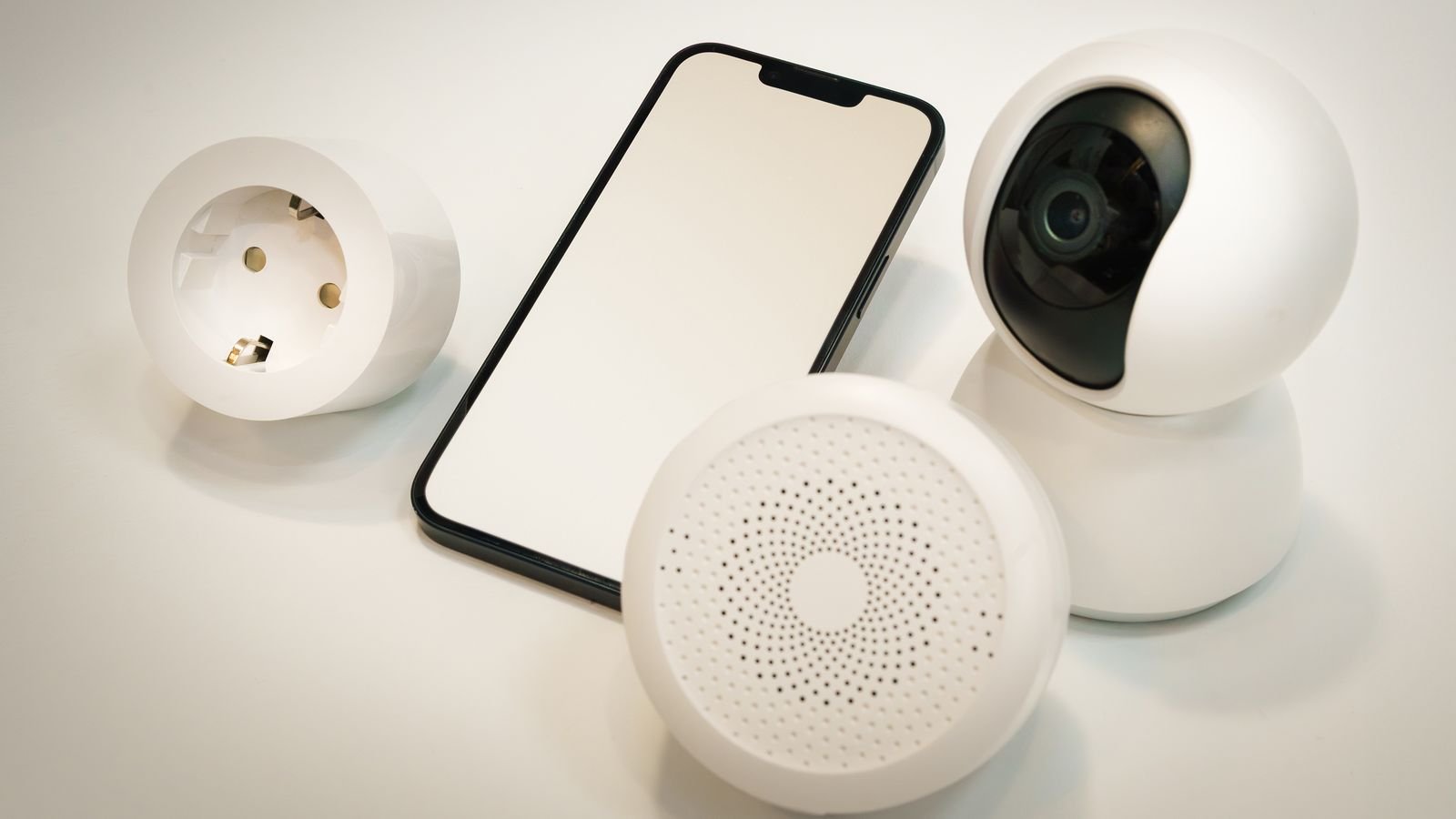
Connected alarms push notifications to your phone when you are away, which turns an alarm nobody hears into a call to a neighbour or the fire service. The most useful additions are remote silencing of nuisance alarms from your phone, self-testing that reports sensor health rather than waiting for you to press a button, low-battery warnings delivered as a notification instead of a midnight chirp, and integration that can shut down an HVAC system to stop it circulating smoke. Models covered in our list of the best smart smoke alarms handle most of these automatically.
What is not worth paying for is any feature that depends on cloud connectivity to sound the local horn. Certified alarms always alarm locally regardless of network state; if a product implies otherwise, look elsewhere.
Certification and Standards
Never buy an uncertified alarm. Look for testing to the recognised national standards for smoke alarms and CO alarms, marked clearly on the back of the unit alongside the manufacture date. That date is the number that matters at purchase: detectors sitting in a warehouse are already consuming their sensor life, and buying one manufactured two years ago costs you two years of protection.
Check local requirements too, since many jurisdictions mandate detector type, placement and interconnection for rentals and for homes being sold. Compliance is usually cheaper to design in than to retrofit after an inspection.
Lifespan, Testing and Maintenance
Smoke sensors are generally rated for 10 years from manufacture. CO cells are commonly rated 7 to 10 years. Combination units are replaced at whichever limit comes first, and most modern units announce their own end of life with a distinctive chirp pattern that cannot be silenced.
A realistic maintenance routine looks like this: press the test button monthly, vacuum the vents gently every few months to clear dust and cobwebs, replace batteries annually in non-sealed units, and write the installation date on the housing with a marker so replacement is never guesswork. Never paint an alarm and never mount one where insects can nest inside it.
Budget Planning and Coverage Checklist
- Count the required positions first: every bedroom, every hallway outside sleeping areas, every floor, plus near combustion appliances.
- Decide on interconnection, which is a whole-house decision rather than a per-unit one.
- Budget for sealed 10-year units in bedrooms where battery changes are most often skipped.
- Consider a single smart unit in the main hallway for remote notification, with conventional interconnected alarms elsewhere.
- Add fire suppression to the plan; a detector tells you there is a fire, and one of the best home fire extinguishers lets you do something about a small one.
Whole-house coverage for a typical three-bedroom home is not expensive, and the cost per year of protection over a 10-year unit life is trivial compared with almost any other home safety spend.
Common Mistakes
Mounting alarms too close to kitchens and then disabling them after repeated false trips is the single most dangerous pattern. Buying ionisation-only alarms for bedroom areas is a close second, since smouldering fires are the overnight risk. Forgetting that the CO cell expires, and leaving a decade-old unit in place because it still chirps when tested, is the third. Finally, many households install alarms correctly and then never test them; a monthly button press takes ten seconds and is the only proof the horn still works.
Frequently Asked Questions
Is a combo detector as good as two separate alarms?
A quality dual-sensor combo unit is equivalent for most homes and far more likely to be maintained because there are fewer devices. Separate units make sense only where the ideal placement for each hazard genuinely differs, such as a boiler room.
How high should a carbon monoxide detector be mounted?
Any height works because CO mixes with air. Ceiling or high wall mounting is preferred so the same unit can also serve as a smoke alarm and stay out of reach of children and pets.
Why does my alarm chirp when nothing is wrong?
A single chirp every minute is usually low battery or end of life. Check the manufacture date on the back first; if the unit is near its rated life, replace it rather than troubleshooting.
Do I need an alarm in the kitchen?
Not directly above cooking appliances. Place one at least 10 feet away, or use a photoelectric unit with a hush button, so that normal cooking does not train the household to ignore it.
How often should detectors be replaced?
Every 10 years from the manufacture date, or sooner if the CO sensor carries a shorter rating or the unit signals end of life. Replacement is not optional; sensor drift makes old units unreliable in both directions.
Final Thoughts
Combination fire and carbon monoxide detectors are among the highest-value safety purchases available for a home, but only when they are specified and placed deliberately. Favour photoelectric or dual-sensor smoke detection, insist on interconnection across floors, choose sealed long-life batteries where nobody will reliably change them, and check the manufacture date before you buy. Then build the habit that makes all of it work: test monthly, clean occasionally, and replace on schedule. A detector that has been silently doing its job for a decade has earned its replacement, and fitting one is the cheapest insurance in the house.