Owen Bradley
 Humidity is not a single problem with a single solution. The damp that seeps into a basement through concrete walls behaves nothing like the burst of steam that fogs a bathroom mirror for twenty minutes each morning, and neither resembles the slow, low-grade moisture that makes a bedroom feel stuffy at night. Buying one dehumidifier and moving it around the house is a common approach, and a frustrating one, because each room places genuinely different demands on the machine. This guide works room by room, explaining what drives moisture in each space, what capacity and features actually matter there, and how to avoid the sizing and drainage mistakes that leave people with an appliance that runs constantly and never quite wins.
Understanding Relative Humidity Before You Shop
Relative humidity is the amount of water vapor in the air expressed as a percentage of the maximum that air could hold at its current temperature. That temperature dependence is the part most people miss, and it explains a great deal about where damp problems appear. Warm air holds far more moisture than cold air, so when warm humid air meets a cool surface, its relative humidity climbs toward 100 percent and water condenses out. That is why the coldest wall in the house grows mold first, and why basements feel clammy in summer rather than winter.
The target range for a comfortable, healthy home is roughly 40 to 55 percent relative humidity. Below 35 percent, wood furniture and flooring shrink, skin and sinuses dry out, and static becomes a nuisance. Above 60 percent, dust mites thrive, mold spores find the moisture they need to germinate, and the air begins to feel heavy. Above 70 percent, damage to building materials becomes a genuine risk.
How Dehumidifier Capacity Is Rated
Capacity is quoted in pints of water removed per day, measured under standardized test conditions. Common residential sizes run from roughly 20 to 50 pints. The critical caveat is that the rating conditions changed in recent years to a cooler, more realistic test standard, so a unit labeled 50 pints under the older standard may be labeled 35 pints today while being the same machine. When comparing models, check that both quote the same standard, or compare on physical size and airflow instead.
Sizing follows two variables: floor area and how damp the space actually is. As a rough starting point, a moderately damp 500 square foot room is served by a 20 pint unit, while a wet space of the same size with visible condensation or standing water needs 30 pints or more. Double the area and you add roughly 10 to 15 pints. Undersizing means the compressor runs continuously and still loses ground; significant oversizing wastes energy and can cycle awkwardly, though it is by far the lesser sin.
Compressor vs Desiccant Technology
Nearly all household dehumidifiers use a refrigerant compressor. A fan pulls room air across a cold evaporator coil, moisture condenses onto it and drips into a tank, and the dried air passes over a warm condenser coil on its way back into the room. This design is efficient, quiet enough, and inexpensive to run in normal indoor temperatures.
Its weakness is cold. Below roughly 65 degrees Fahrenheit, the evaporator coil starts to frost over, and the machine must periodically pause to defrost. Units intended for unheated basements and garages advertise low-temperature operation and automatic defrost specifically to handle this.
Desiccant units instead pass air through a moisture-absorbing rotor regenerated by a heater. They work well near freezing and run quietly, but use more electricity per pint at normal room temperatures. For a cold garage, desiccant is right; for a living space, compressor almost always wins.
Basements: The Hardest Room in the House
Basements combine every unfavorable condition. Below-grade walls stay cool year-round, groundwater migrates through porous concrete, and warm summer air entering through a stairwell condenses the moment it meets those cool surfaces. Basements also tend to be large, poorly ventilated, and full of stored belongings that absorb moisture.
Prioritize three things here. First, capacity: err generously, because the moisture load is continuous rather than episodic. Second, continuous drainage: a basement unit should never rely on a bucket you have to empty, since the whole point is unattended operation. Look for a gravity drain hose port, and if there is no floor drain below the unit, choose a model with an internal condensate pump that can push water upward into a sink or window well. Third, low-temperature capability with auto defrost.
Also address the source before blaming the machine. Extend downspouts away from the foundation, grade soil so it slopes downward from the wall, and seal obvious cracks. A dehumidifier fighting an active water leak will lose. Our roundup of the best basement dehumidifiers focuses on the drainage and cold-weather features this space demands.
Bathrooms: Short, Intense Moisture Spikes
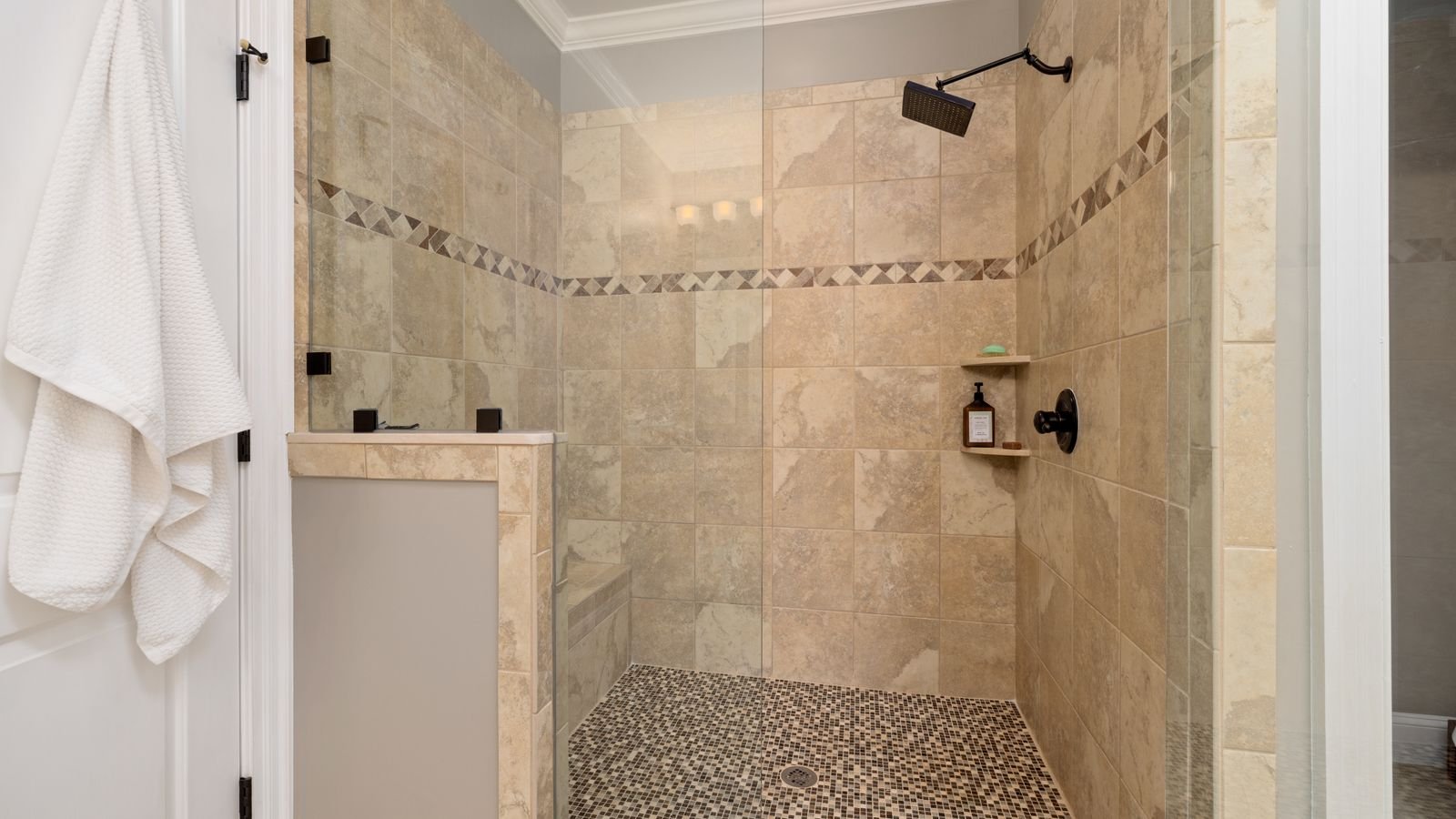
A bathroom’s humidity profile is completely different. It is dry most of the day, then a hot shower dumps a large volume of vapor into a small room in ten minutes. Capacity matters less than responsiveness and, crucially, safety and size.
Bathrooms are small and often lack floor space, so a compact unit that fits on a shelf or in a corner is usually the practical choice. Because the room is wet, keep any electrical appliance well away from the tub or shower and out of splash range, and plug into a GFCI-protected outlet. Many people find a small thermoelectric or mini compressor unit sufficient here, since the total daily moisture load is modest even though the peak is high.
The more important intervention in a bathroom is exhaust ventilation. A properly sized extractor fan vented outdoors, run during the shower and for twenty minutes afterward, removes moisture before it condenses on grout and window frames. A dehumidifier is best treated as a supplement in bathrooms with no window and a weak or absent fan. Compact models suited to this duty appear in our guide to the best dehumidifiers for bathrooms.

Bedrooms: Noise Is the Deciding Factor
In a bedroom the humidity problem is usually mild, but tolerance for noise is close to zero. A machine rated around 40 decibels disappears into the background; above 50 decibels most light sleepers will unplug it within a week.
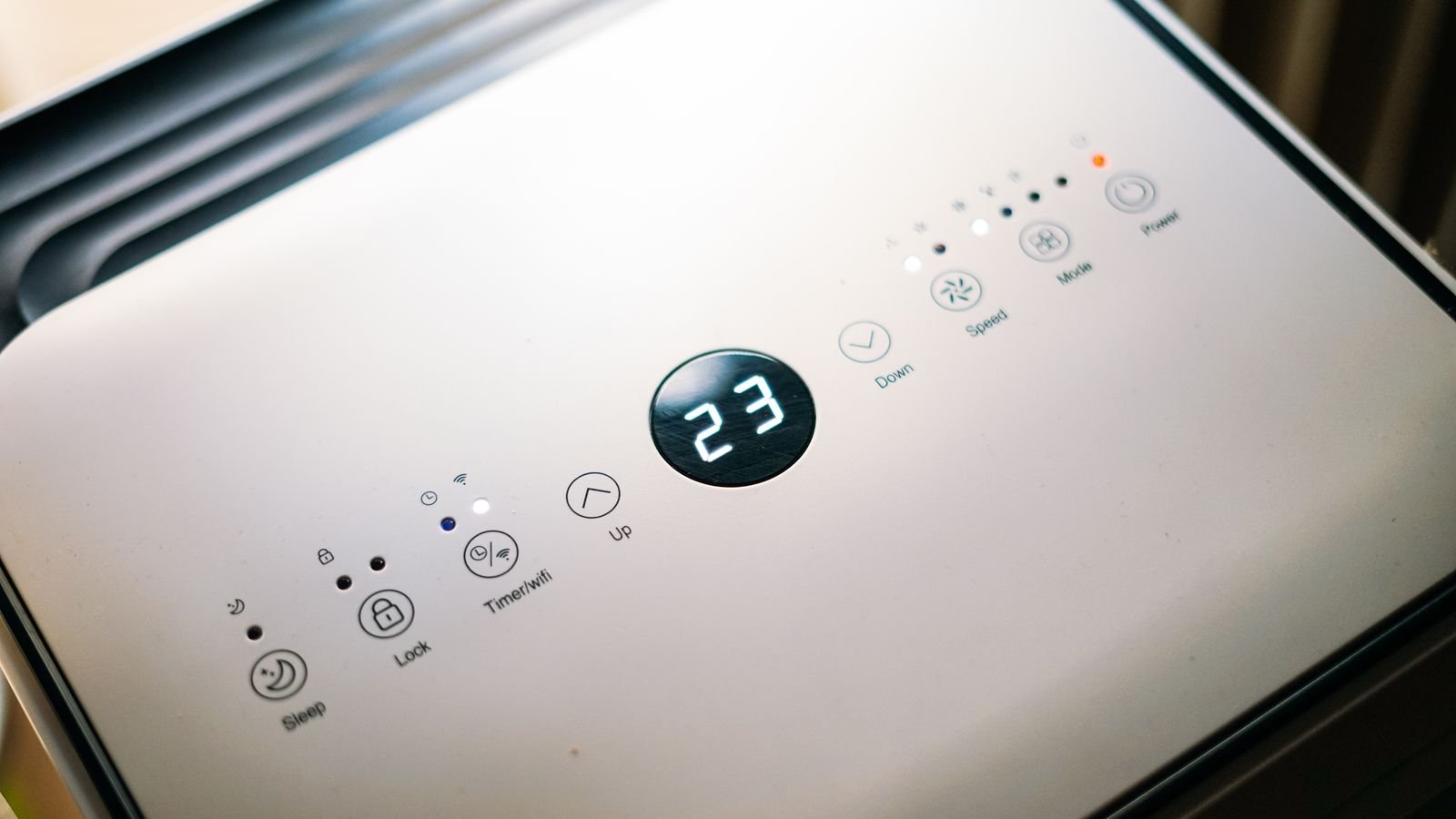
Look for a genuine low or night mode that reduces fan speed rather than simply dimming the display, and check whether the model has a display that can be switched off entirely. Compressor start-up is the loudest moment, so a unit with a humidistat that holds a steady setpoint rather than cycling aggressively will be less disruptive.
Bedroom humidity also interacts with comfort in a subtle way. Dropping from 65 to 45 percent relative humidity makes a room feel noticeably cooler at the same temperature, which many people find improves sleep. Position the unit a few feet from walls and furniture so air circulates freely, and away from the bed so airflow does not blow directly on sleepers. Models chosen specifically for quiet running are covered in our comparison of the best dehumidifiers for bedrooms.
Living Rooms, Kitchens and Laundry Areas
Open-plan living areas are large, so airflow rating in cubic feet per minute matters as much as pint capacity. A high-capacity unit in one corner of a sprawling floor plan will only ever dry its immediate surroundings. Place the machine centrally, keep interior doors open, and accept that very large or subdivided spaces may need two smaller units rather than one large one.
Kitchens and laundry rooms generate moisture on a schedule. Drying a single load of laundry indoors can release several pints of water into the air. If you routinely air-dry clothes inside, size up and run the dehumidifier in that room with the door closed.
Features That Are Worth Paying For
- Built-in humidistat with auto shutoff. Set a target percentage and let the unit cycle itself. Machines that only run on a timer waste energy and can over-dry a room.
- Continuous drain port. Essential anywhere you will not be present daily. A gravity hose is simplest; a condensate pump is necessary when the drain is above the unit.
- Auto restart after power loss. Without it, a brief outage leaves a basement undefended for weeks.
- Washable pre-filter. Keeps the coil clean, preserves airflow and is cheaper than replaceable cartridges.
- Full-tank auto shutoff and indicator. Prevents overflow if you are using bucket collection.
- Caster wheels and recessed handles. A 30 pint unit full of water is heavy and awkward without them.
Features that matter less than marketing suggests include app connectivity for a unit that lives in a basement you rarely visit, ionizers and UV lamps of unproven benefit, and elaborate multi-speed fan menus you will set once and never touch. Air quality is a separate concern from humidity, and if particulates and allergens are the real issue, dedicated filtration such as the best air purifiers for rooms addresses that problem far more directly than any dehumidifier accessory.
Placement and Maintenance
Maintenance is straightforward but not optional. Rinse the pre-filter monthly and let it dry fully before reinstalling. Wipe the tank with a mild vinegar solution every few weeks to prevent biofilm, which is the usual cause of a musty smell. Once a season, unplug the machine and gently vacuum the evaporator coil fins with a soft brush attachment. At the end of the damp season, drain the tank completely, run the fan alone for a few hours to dry the interior, and store the unit upright and covered.
Common Mistakes to Avoid
- Treating symptoms instead of causes. Persistent damp in one wall usually means a leak, failed flashing or a drainage problem outside. Fix that first.
- Buying on pint rating alone. Airflow, drainage options and low-temperature capability determine whether the machine suits the room.
- Running it with windows open. This is the single most common reason people conclude their dehumidifier “does not work”.
- Setting the humidistat too low. Chasing 35 percent burns energy and can dry out timber and instruments.
- Ignoring the filter. A neglected filter halves efficiency within a season.
- Using an indoor-rated unit in a freezing garage. It will frost, defrost and achieve almost nothing.
Frequently Asked Questions
Can one dehumidifier serve a whole house?
Only if the floor plan is open and doors stay open. Moisture does not travel readily between closed rooms, and a unit in the hallway will not dry a closed bedroom. Whole-house control genuinely requires either a ducted whole-home dehumidifier tied into the HVAC system or separate units in the problem rooms.
Should I run it continuously or on a schedule?
Set a humidity target and let the built-in humidistat decide. Continuous manual running over-dries and wastes energy; scheduled running leaves gaps during which humidity climbs back. Automatic setpoint control is both cheaper and more effective.
Why is my dehumidifier collecting almost no water?
Usually one of three reasons: the room is already at or below the setpoint, the ambient temperature is too low for a compressor unit and the coil has frosted, or the filter and coil are clogged and airflow has collapsed. Check the hygrometer reading first before assuming a fault.
Is mold guaranteed to disappear once humidity drops?
Lowering humidity below 55 percent stops new mold growth, but it does not remove existing colonies. Clean affected surfaces properly and address the moisture source; the dehumidifier prevents recurrence rather than undoing damage already done.
Final Thoughts
The right dehumidifier is the one matched to the room’s actual moisture behavior rather than to the largest number on the box. A basement wants capacity, continuous drainage and cold tolerance. A bathroom wants compactness and, more than anything, a working extractor fan. A bedroom wants silence above all else. A laundry area wants the ability to absorb sudden bursts of vapor.
Start by measuring humidity for a week, identify whether you have one problem room or several, and address obvious water intrusion before spending anything. Then buy for the specific space, size slightly generously, insist on a humidistat and a drain port, and commit to a monthly filter rinse. Handled that way, a dehumidifier stops being an appliance you fight with and becomes one you forget about, which is exactly what a well-chosen one should be.