Owen Bradley
 A padlock is the most portable security device there is, and also the most casually bought. Most people pick one off a shelf based on size and price, then discover that it rusted solid on a garden gate after one winter, or that the shackle was cut through in seconds, or that they cannot remember which of four combinations belongs to which lock. Choosing well is not complicated, but it does require matching the lock’s construction to where it will live and what it is actually protecting. This guide covers the mechanisms, materials, security grades and practical considerations that separate a padlock that lasts a decade from one that fails in a season.

Keyed or Combination: The First Decision
Keyed Padlocks
A traditional pin tumbler cylinder opened with a physical key. Generally more resistant to manipulation than a comparable combination lock, available in far higher security grades, and simple to use with cold or gloved hands. The obvious downside is carrying and not losing the key. Keyed locks also support useful management options: keyed-alike sets where one key opens many locks, master keying for shared facilities, and rekeyable cylinders that let you change the key without replacing the lock.
Combination Padlocks
Nothing to carry and nothing to lose, which is why they dominate gyms, lockers, luggage and shared equipment. Dial combination locks use a rotating dial and are the classic school locker design. Multi-dial models use several rotating wheels of digits and are usually resettable, so you can choose your own code. Electronic keypad padlocks add features like temporary codes and audit logs at the cost of battery dependence.
The honest security position is that most inexpensive combination locks are more convenient than they are secure. Cheap dial and multi-wheel mechanisms can often be decoded by feel in a short time. For a gym locker or a toolbox that just needs to deter casual interference, that is entirely acceptable. For a storage unit or a shed containing anything valuable, choose a high-grade keyed lock instead. Our roundup of the best combination locks covers models where the mechanism is genuinely better than the category average, and the best combo locks comparison focuses on resettable multi-dial designs for everyday use.
Shackle Design: Where Most Attacks Happen
The shackle — the U-shaped bar — is the part an attacker goes for, and its specification matters more than the body.
- Diameter. Thicker resists bolt cutters better. Below roughly 6mm, a determined attacker with hand tools will get through quickly. Around 8 to 10mm resists common bolt cutters; above 10mm requires serious equipment.
- Material and hardening. Boron alloy and hardened steel resist cutting far better than plain steel. Look for the words hardened or boron in the specification, not just “steel”.
- Clearance. The exposed gap between the shackle and the body is what a bolt cutter jaw or pry bar needs. A closed or shrouded shackle, where the body rises to enclose the sides, dramatically reduces attack access and is the single best value security feature on a padlock.
- Locking mechanism. Dual ball bearing locking secures both sides of the shackle. Single-side locking allows the shackle to be twisted or shimmed open, a well-known weakness of cheap locks.
- Length. Long shackles are convenient for thick hasps and chains but expose more metal to attack. Use the shortest shackle that fits your application.
Body Materials and Where Each Belongs
- Laminated steel. Layers of steel riveted together. Strong, economical and the traditional workhorse. Vulnerable to corrosion at the layer edges if left outdoors unprotected.
- Solid brass. Naturally corrosion-resistant, which makes it a favourite for marine and coastal use. Softer than steel, so it is easier to cut or drill — good for weather, moderate for security.
- Solid steel or hardened alloy. The strongest bodies, used in high-security models. Heavy and more expensive, and needs a protective finish for outdoor use.
- Stainless steel. Excellent corrosion resistance with better strength than brass. The right choice for permanently exposed outdoor and marine applications.
- Aluminium. Light and corrosion-resistant but soft. Suitable for lockers and low-security identification purposes only.
- Weather-sealed and covered designs. A rubber or thermoplastic jacket with a shutter over the keyway keeps water and grit out of the cylinder, which is the usual reason outdoor padlocks seize.
Security Grades and Ratings
Several rating systems exist and they are worth understanding rather than trusting a manufacturer’s own “maximum security” label.
ANSI/BHMA grades padlocks from Grade 1 down to Grade 3 based on standardized attack and durability testing, with Grade 1 the highest. In Europe, CEN grades run from 1 to 6, with 4 and above appropriate for high-value assets. Insurance-linked ratings like Sold Secure assign bronze, silver, gold and diamond levels and are particularly relevant if you are securing a bicycle or motorcycle, since some policies specify a minimum rating.
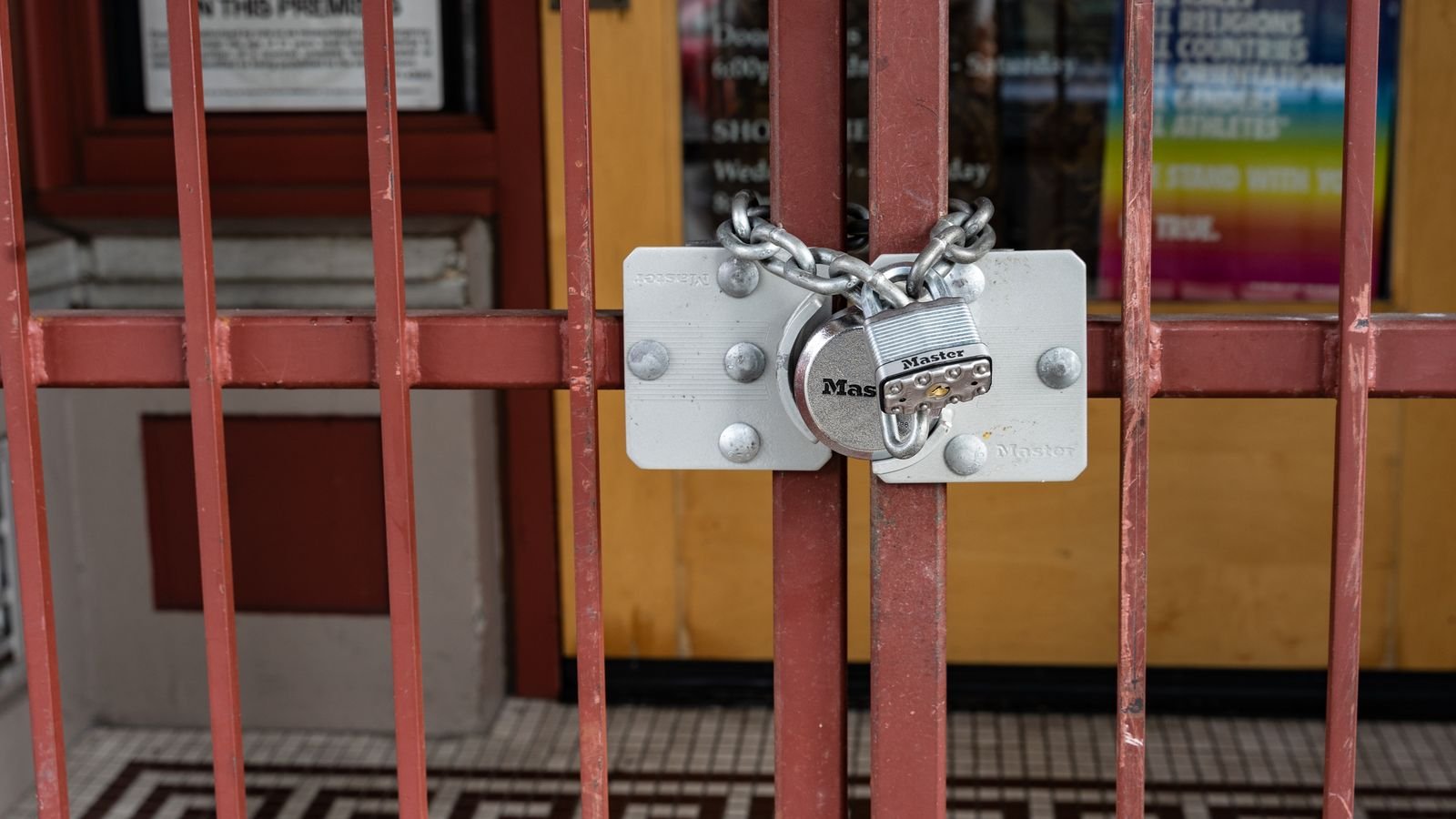
Match the grade to what is behind the lock. A garden gate needs weather resistance more than attack resistance. A storage unit holding valuables, a trailer hitch, or a warehouse gate justifies the highest grade you can afford, along with a shrouded shackle. Remember that a padlock is only as good as the hasp and chain it secures — a diamond-rated lock on a hasp fixed with short screws into soft wood is a decorative object.
Matching the Lock to the Application
- Gym and school lockers. Convenience dominates. A resettable combination lock in aluminium or laminated steel is right, and security beyond deterrence is rarely required.
- Garden gates and sheds. Weather is the enemy. Choose stainless steel or brass with a covered keyway, or a weather-jacketed laminated body. Lubricate annually.
- Storage units. Many facilities require a disc detainer or cylinder padlock that sits flush in the door mechanism. Check the facility’s requirements before buying.
- Trailers, tow hitches and equipment. High theft value and often left unattended. Use the highest grade available with a fully shrouded or closed shackle.
- Bicycles and motorcycles. Chain and lock together, sized so the chain cannot rest on the ground where it can be attacked with leverage. Check for an insurance-recognised rating.
- Luggage and travel. Look for a TSA-recognized lock if travelling through the United States, so security staff can open it without cutting it off.
- Multiple locks across a property. Keyed-alike sets are a genuine quality-of-life improvement — one key for the shed, gate, garage and toolbox.
Our best padlocks comparison groups models by these use cases, which is generally more useful than ranking them on a single security score. For documents, cash and small valuables that a padlocked container will never adequately protect, a proper fire resistant safe is the right tool, and for doors rather than hasps you should be looking at deadbolts — our best door locks guide covers that category.
Keyway and Cylinder Quality
On keyed locks, the cylinder is where manipulation attacks happen. Standard pin tumbler cylinders with basic pins can be picked or bumped by someone with modest skill. Better cylinders include security pins — spool, serrated or mushroom shapes — that resist picking, and anti-bump features that defeat the common key-bumping technique. Disc detainer mechanisms, common in high-security and storage-unit padlocks, use rotating discs instead of pins and are substantially harder to manipulate.
Also consider key control. Restricted keyways mean blanks are not freely available, so a key cannot be casually copied at a hardware store. This matters for shared facilities and workplaces more than for a home shed. Rekeyable cylinders let you change which key operates the lock without buying new hardware, which is useful when a key goes missing or staff change.
Maintenance That Actually Extends Life
- Lubricate the cylinder once or twice a year with a dry graphite or PTFE-based lubricant. Avoid oil-based sprays, which attract dust and eventually gum the mechanism.
- Keep the keyway pointing downward where possible so water drains out rather than collecting inside.
- Fit a weather cover or use a jacketed lock on anything permanently exposed. Most outdoor padlock failures are corrosion, not attack.
- Rinse salt exposure off promptly in coastal and marine environments, and choose stainless or brass there in the first place.
- Exercise combination locks occasionally. Dials that sit untouched for years become stiff and imprecise.
- Record combinations somewhere secure, and label locks discreetly so you know which code belongs to which lock without writing the code on it.
- Replace a lock that has started to bind rather than forcing it. A seized padlock on an important gate is an expensive problem to solve with a grinder.
Common Mistakes
- Buying for the lock and ignoring the hasp. The chain, hasp and fixings are usually the weak link. Match their strength to the lock’s.
- Using a long shackle unnecessarily. Extra exposed shackle is extra opportunity for bolt cutters.
- Putting a brass lock somewhere it needs to resist attack. Brass is for weather resistance, not cutting resistance.
- Trusting a cheap combination lock with valuables. Convenience-grade mechanisms are for deterrence only.
- Leaving a chain lying on the ground. It gives an attacker a solid surface to strike or lever against. Keep it taut and off the floor.
- Never lubricating. A few seconds of maintenance a year prevents the vast majority of outdoor padlock failures.
- Using the factory-set combination. Reset resettable locks to your own code immediately.
Frequently Asked Questions
Are combination padlocks less secure than keyed ones?
Generally yes at comparable price points. Inexpensive dial and multi-wheel mechanisms can often be decoded without tools. Good combination locks exist, but if security rather than convenience is the priority, a high-grade keyed lock offers more protection for the money.
What shackle thickness do I need?
Around 6mm deters casual interference. Roughly 8 to 10mm resists common bolt cutters. Above 10mm, combined with a shrouded shackle, moves the lock into serious territory. Match this to the value of what is behind the door.
Which padlock material is best for outdoor use?
Stainless steel offers the best combination of strength and corrosion resistance. Solid brass is excellent for coastal and marine settings but softer. A weather-jacketed laminated steel lock with a covered keyway is a good value compromise.
Can I get several padlocks that use the same key?
Yes — keyed-alike sets are widely sold, and many manufacturers will supply additional locks matched to an existing key code. It is a substantial convenience if you are securing multiple gates, sheds and outbuildings.
What is a shrouded shackle and is it worth it?
It is a body design where the metal rises around the sides of the shackle so almost none of it is exposed. It makes bolt cutter and pry attacks very difficult, and it is usually the best security improvement available for a modest price increase.
How do I stop my outdoor padlock from seizing?
Choose a lock with a covered keyway, mount it so the keyway faces downward, and apply a dry graphite or PTFE lubricant once or twice a year. Avoid oil-based sprays, which collect grit and make the problem worse over time.
Final Thoughts
Start from what you are protecting and where the lock will live, then work backwards to the specification. Convenience applications like lockers and luggage are well served by a resettable combination lock. Outdoor gates and sheds need corrosion resistance above all, which means stainless or brass with a covered keyway. Anything genuinely valuable calls for a high-grade keyed lock with a thick hardened shackle, ideally shrouded, and a hasp and chain that match its strength. Then spend two minutes a year on lubrication, which prevents most of the failures padlocks actually suffer. Browse our padlock and combination lock comparisons for 2026 to find models rated for your specific application rather than for a generic security score.