Owen Bradley
 Most homes are lit by whatever bulbs happened to be on sale when the old ones failed. The result is a bathroom that feels like an interrogation room, a bedroom that never quite winds down, and a kitchen where you cannot tell whether the chicken is cooked. Lighting is one of the cheapest things to get right and one of the most noticeable when it is wrong, because every room has a different job and therefore needs a different combination of brightness, colour temperature and colour accuracy. This guide works through the house room by room and tells you exactly what to specify in each.
The Three Numbers That Change Room to Room
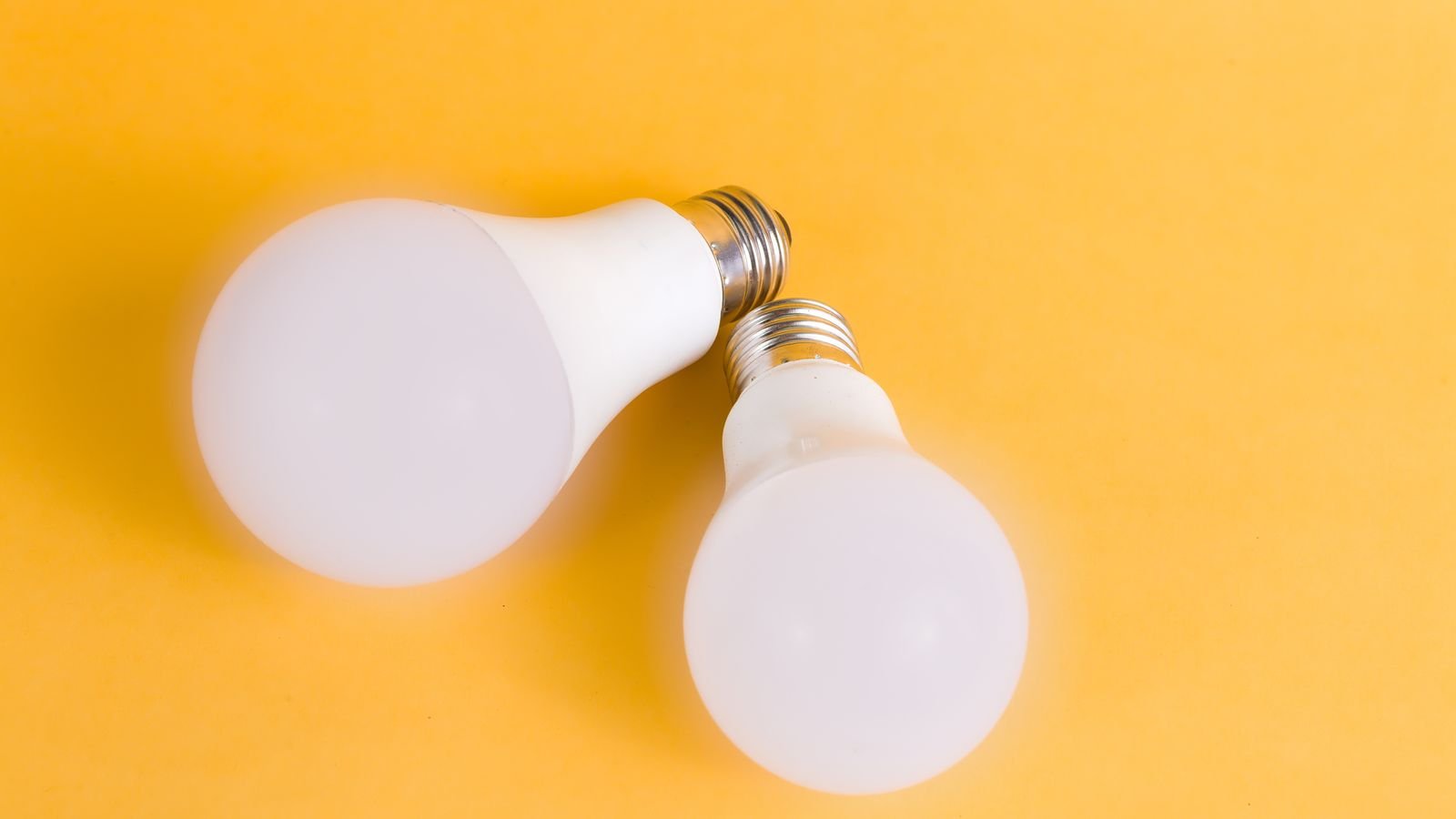
Before the room-by-room detail, three specifications do almost all the work. Lumens set brightness, and the requirement varies from about 20 lumens per square foot in a restful room to 50 or more in a task area. Kelvin sets the colour of the white, from warm 2700K to daylight 5000K. CRI sets colour accuracy, and anywhere you judge colour, food, skin, clothing, you want 90 or above.
A fourth idea ties them together: layering. A single ceiling fitting cannot serve a room that is used for several purposes. Ambient light fills the space, task light illuminates specific activities, and accent light adds depth. Most rooms that feel badly lit are simply missing one of these layers rather than lacking wattage.
Bedrooms: Warm, Dimmable, Restful
The bedroom’s primary job is winding down, which means warm light and the ability to reduce it. Specify 2700K throughout, aim for roughly 1,500 to 3,000 total lumens depending on room size, and make sure the main fitting dims. Blue-heavy light in the evening suppresses melatonin, so daylight bulbs belong nowhere near a bedside.
Layer the room with a dimmable ceiling fitting for general light and warmer, lower-output bedside lamps around 400 to 450 lumens each for reading. Some people go further and fit very warm 2200K bulbs at the bedside, which reads almost like candlelight and works well in the last hour before sleep. Wardrobe interiors are the exception: a small higher-CRI light there helps you actually tell navy from black. The roundup of the best light bulbs for bedroom use covers dimming behaviour, which is the specification most likely to disappoint.
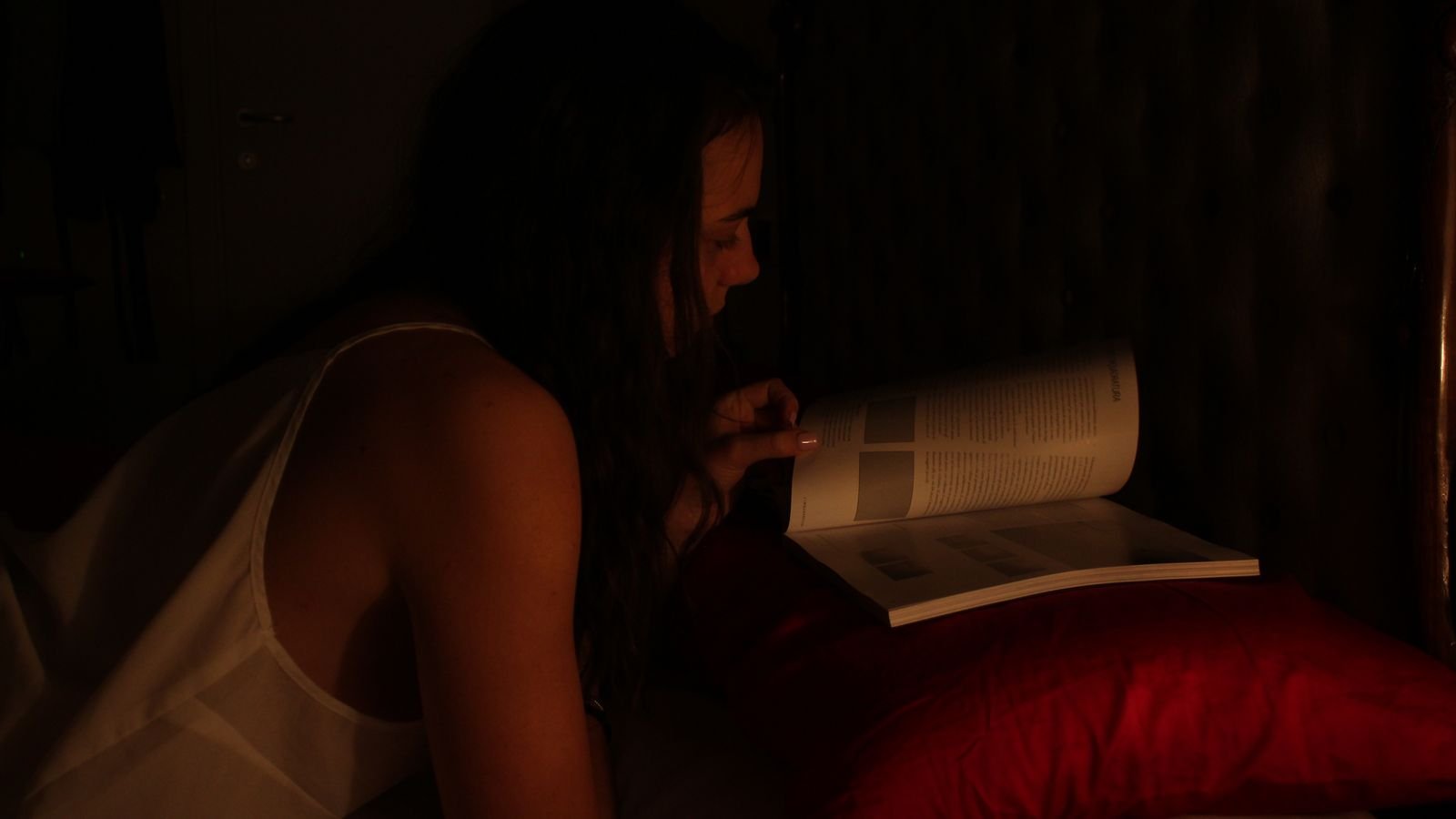
If you read in bed regularly, treat that as a task and light it as one. A focused lamp with a controlled beam avoids illuminating a sleeping partner, and the guide to light bulbs for reading covers the output and beam characteristics that make a reading light comfortable rather than harsh.
Bathrooms: Accuracy Above the Mirror
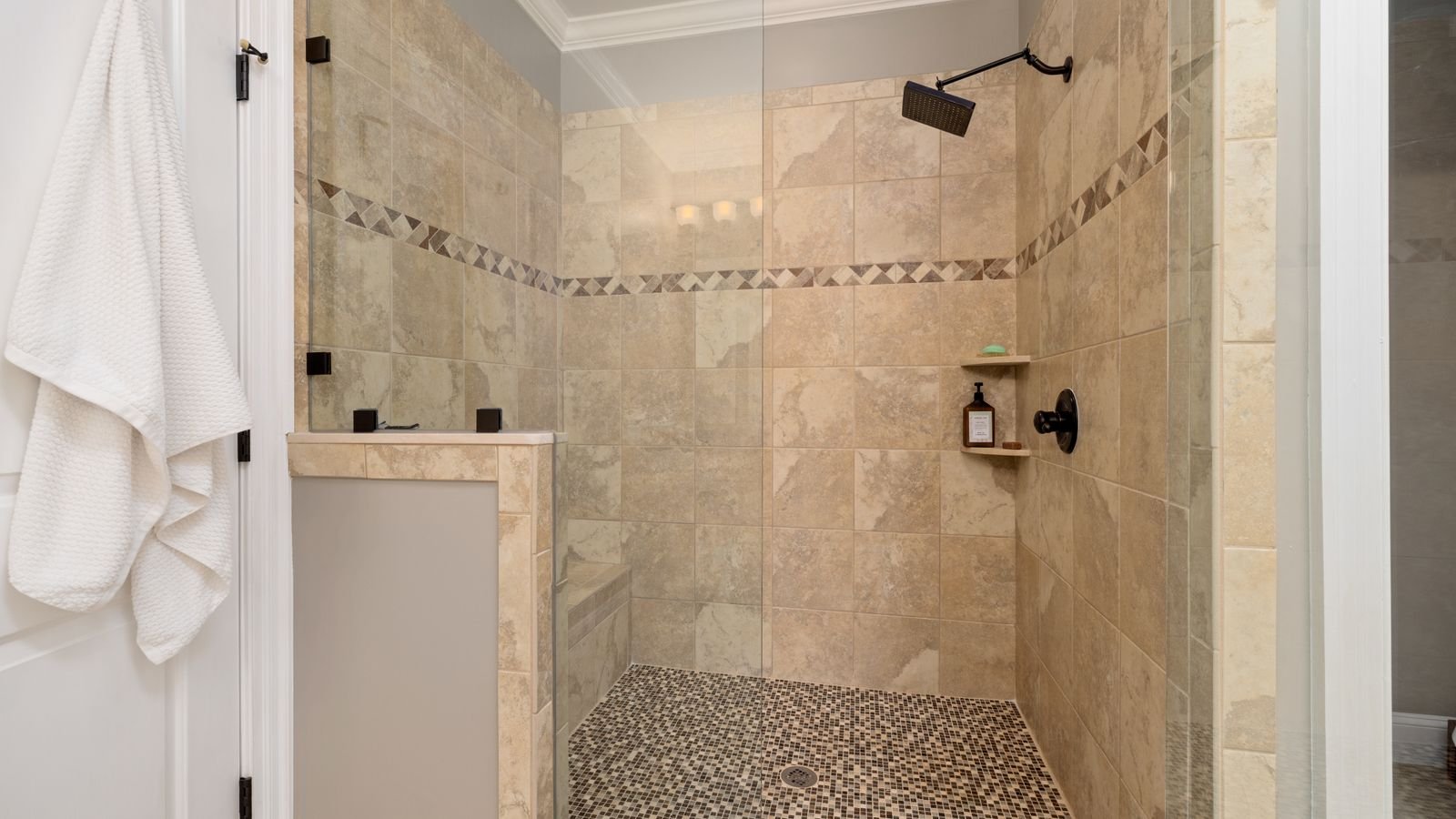
Bathrooms need two very different things from their lighting, and combining them into one ceiling fitting is why so many bathrooms are unflattering. Overhead light alone casts shadows downward, hollowing eyes and hiding the underside of the jaw, which is precisely where shaving and makeup happen.
For general bathroom light, use 3000K at roughly 30 to 40 lumens per square foot. For the mirror, mount lights at either side at approximately face height rather than above, which lights the face evenly from both directions. Specify CRI 90 or higher here without exception, since foundation matched under a low-CRI bulb will look wrong in daylight. Colour temperature at the vanity is a judgement call: 3000K flatters, while 4000K is more neutral and closer to how you will appear outdoors.
Damp-location rating matters in enclosed showers and small windowless bathrooms. The comparison of the best light bulbs for bathroom fittings covers this, and the more specific list of bathroom vanity light bulbs deals with mirror lighting in detail.
Kitchens: Bright, Neutral, Layered
Kitchens are working rooms and need the highest general light levels in the house, typically 40 to 50 lumens per square foot. Colour temperature between 3000K and 4000K keeps the space crisp without feeling clinical, and CRI 90 or above is essential because judging the doneness of meat or the freshness of produce under poor colour rendering is genuinely difficult.
The layer people most often omit is under-cabinet lighting. Standing at a counter with an overhead fitting behind you means working in your own shadow. Under-cabinet lighting eliminates that entirely and is the single biggest improvement available to most kitchens. Pendants over an island provide focused light plus visual anchoring; keep them at the same colour temperature as everything else. For general kitchen fittings that need serious output, the guide to bright light bulbs is a useful reference.
Home Offices: Neutral Light Without Glare
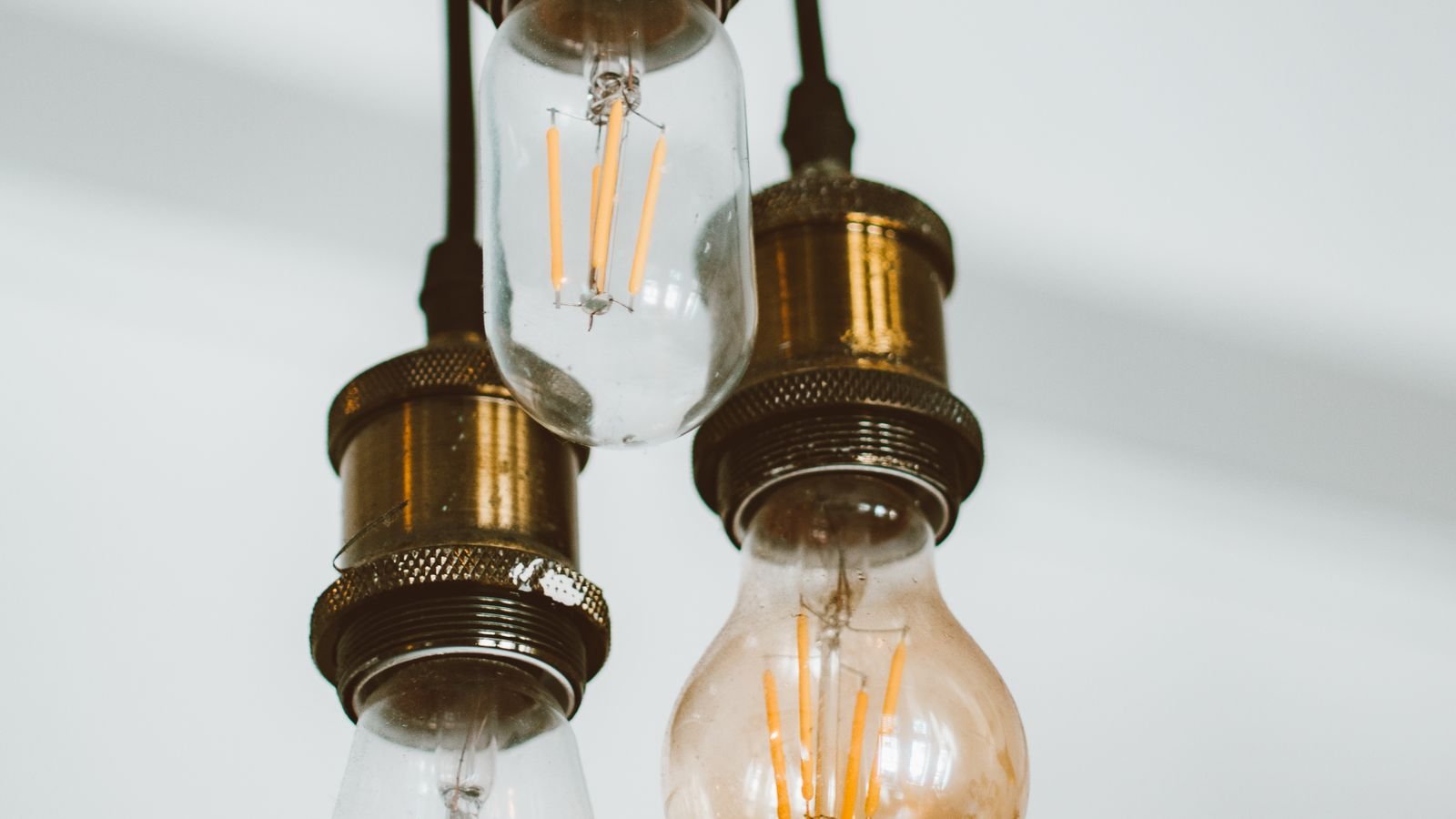
Office lighting has to keep you alert without fighting the screen. Aim for 4000K to 5000K, which supports concentration and matches typical screen white points closely enough to avoid the strain of constant adaptation. Total output should reach 40 to 50 lumens per square foot across the room.
The critical rule is to avoid a dark room with a bright screen. That contrast is a leading cause of eye fatigue during long working days. Light the wall behind the monitor so the screen is not the brightest object in your field of view. Position the desk lamp to the side opposite your writing hand, and keep any bare bulb out of your direct sightline. The roundup of the best light bulbs for office spaces covers flicker performance, which is worth attention because low-frequency flicker that is invisible to the eye still contributes to headaches over a full working day.
Living Rooms: Flexible by Time of Day
Living rooms host reading, television, conversation and entertaining, often within the same evening, so flexibility is the design goal. Base the room on 2700K to 3000K at roughly 20 lumens per square foot, and split the light across at least three sources: a ceiling fitting, floor or table lamps, and something accent-level such as a picture light or a lamp behind a plant.
Put as much of it on dimmers as possible. Television viewing benefits from low-level ambient light behind the screen rather than complete darkness, which reduces the contrast strain. The guide to light bulbs for living room use covers how to balance these layers.
Nurseries, Hallways and Utility Spaces
Nurseries need very warm, deeply dimmable light for night feeds and a low-glare fitting positioned so a lying baby never looks straight at a bulb. Red-shifted night lights are gentler than white ones. The list of light bulbs for nursery rooms addresses this specifically.
Hallways and stairs prioritise safety and consistency: match the colour temperature of adjoining rooms, light every step edge, and avoid pooling that creates confusing shadows. Garages, laundries and basements are the one place where 5000K at high output is unambiguously correct, and CRI can drop to the 80s without consequence.
Quick Room Reference
- Bedroom: 2700K, 20 lm/sq ft, dimmable, CRI 90 preferred.
- Bathroom general: 3000K, 30 to 40 lm/sq ft, damp rated.
- Vanity: 3000K to 4000K, CRI 90 plus, side-mounted at face height.
- Kitchen: 3000K to 4000K, 40 to 50 lm/sq ft, CRI 90 plus, under-cabinet task light.
- Home office: 4000K to 5000K, 40 to 50 lm/sq ft, low flicker, no screen glare.
- Living room: 2700K to 3000K, 20 lm/sq ft, three layers, dimmable.
- Nursery: 2700K or warmer, deeply dimmable, glare-shielded.
- Garage and laundry: 5000K, 50 plus lm/sq ft, CRI 80 acceptable.
Dining Rooms and Entryways
Dining rooms are among the easiest spaces to light well because they have one clear focal point. Centre a dimmable fitting over the table, hang it roughly 30 to 36 inches above the surface, and choose 2700K with a high CRI so food looks appetising. Keep the output modest, around 20 lumens per square foot, and let the dimmer do the rest; a bright dining room feels like a cafeteria.
Entryways set the tone for the whole house and are usually underlit. They need enough brightness to find keys and read post, which suggests 3000K and moderate output, but they also need to transition comfortably from outdoor light. A dimmable fitting solves both, sitting bright in daytime and low in the evening so stepping inside is not a shock.
Mistakes That Undermine Good Bulbs
- Mixing colour temperatures within a single sightline, which makes both look wrong.
- Relying on one ceiling fitting to serve a multi-purpose room.
- Buying daylight bulbs for bedrooms because they seemed brighter.
- Lighting a bathroom mirror from directly overhead.
- Using non-dimmable bulbs on a dimmer circuit and blaming the flicker on the fitting.
- Accepting low CRI in kitchens and wardrobes to save a small amount per bulb.
Frequently Asked Questions
Should every room in the house use the same colour temperature?
No, but adjoining rooms visible from one another should be close. Big jumps across an open doorway look jarring. Vary temperature by function, keep it consistent within each sightline.
How many lumens does an average bedroom need?
A 150 square foot bedroom needs roughly 3,000 lumens at full output, spread across a ceiling fitting and two bedside lamps rather than delivered by a single bulb.
Are daylight bulbs bad for you at night?
Not harmful, but the blue-heavy spectrum suppresses melatonin and delays sleep onset. Keep 5000K bulbs to daytime task areas and use 2700K in evening spaces.
Why does my bathroom makeup look wrong outdoors?
Almost always a CRI problem. A bulb below 90 CRI renders skin tones inaccurately, so what looked matched at the mirror does not match in daylight.
Is warm or cool light better for a home office?
Cooler, in the 4000K to 5000K range, supports alertness and matches screen white points. If the office doubles as a guest room, put it on a dimmer and choose 4000K as a workable compromise.
Final Thoughts
Lighting a house well is not about spending more, it is about specifying deliberately. Decide what each room is for, set the colour temperature to suit that purpose, calculate the lumens the floor area demands, and insist on high colour accuracy wherever you judge colours. Add the missing layer, usually a task light, and put as much as possible on a dimmer. Those steps cost very little and transform how a home feels from the moment the sun goes down.