Owen Bradley
 The camera is a one-time purchase. The storage plan is forever. That asymmetry catches out a lot of buyers, who compare hardware carefully and then sign up for whatever subscription the setup wizard suggests, only to discover a year later that they are paying more per year in fees than the camera cost. Cloud storage for security cameras is genuinely useful, but the plans are structured in confusing ways and the differences between them matter enormously once you have more than one camera. This guide explains how the plans work, what the pricing tiers actually change, and how to decide what you need before the free trial expires.
Why Cloud Storage Exists at All
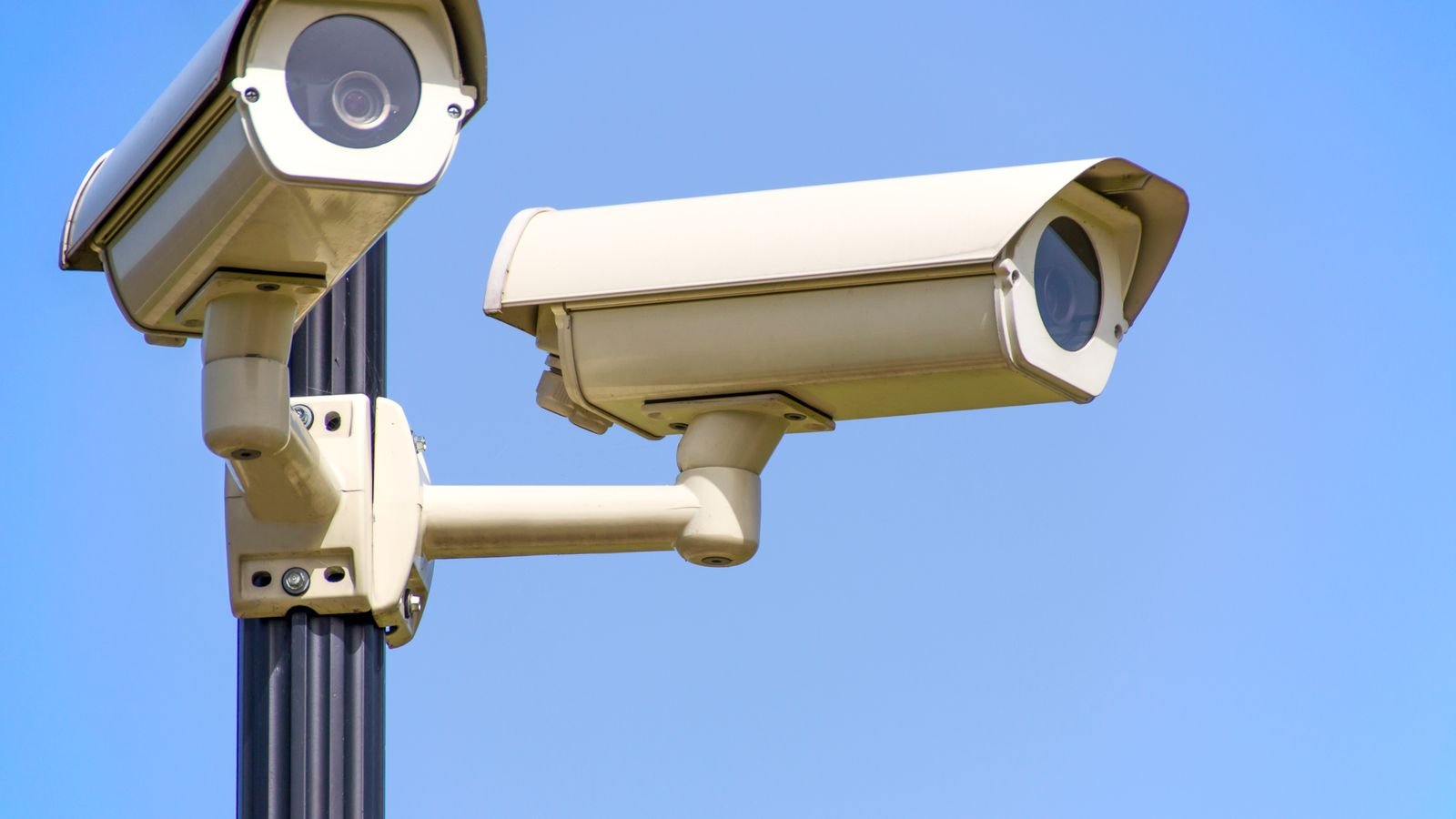
Local recording, whether to a memory card in the camera or a hard drive in a recorder, has one fundamental weakness: it is in the same building as the incident. A burglar who takes the recorder takes the evidence with it. A fire destroys both the footage and the reason you wanted it. Cloud storage moves a copy off-site the moment it is recorded, which is the only reliable defence against that failure mode.
Cloud plans also carry secondary benefits. Footage is accessible from anywhere without punching holes in your firewall, retention is managed automatically so nothing overwrites unexpectedly, and processing-heavy analytics such as facial recognition and package detection can run on servers far more capable than the camera. The trade-offs are recurring cost, dependence on your upload bandwidth, and the fact that your video lives on someone else’s infrastructure.
How Plans Are Actually Structured
Almost every provider builds pricing from the same three variables, and understanding them makes comparison much easier.
- Retention window: how many days of footage are kept before deletion. Typically 7, 14, 30, or 60 days.
- Camera count: either per-camera pricing or a flat fee covering unlimited devices at one address. This is the single biggest cost driver as a system grows.
- Recording mode: event-triggered clips only, or continuous 24/7 recording. Continuous plans cost substantially more and consume far more bandwidth.
Layered on top are feature gates. Person and vehicle detection, package alerts, familiar face recognition, activity zones, rich notifications with thumbnails, and extended video download are frequently reserved for higher tiers, and some brands put even basic saved history behind a paywall. Comparing the best cloud security cameras on total annual cost rather than on hardware price is the only way to see the real difference.
Per-Camera Versus Whole-Home Pricing
This distinction decides which brand is cheapest for you, and the answer flips depending on system size. Per-camera pricing looks attractive with one doorbell. It scales badly: six cameras at a per-device rate can cost several times a flat whole-home plan.
Whole-home or unlimited-device plans charge more at entry but cover every camera at the property. If you expect to expand beyond two or three cameras, and most households do, a flat plan is almost always cheaper over three years. Do the arithmetic against your likely final camera count, not your current one, because switching ecosystems later means replacing hardware rather than just cancelling a subscription.
Retention: How Many Days Do You Actually Need?
Short retention windows fail in a specific and predictable way. Incidents are frequently discovered late: a package that never arrived, a scratched car noticed a week later, a shed lock found broken after a holiday. If your retention is seven days and you were away for ten, the footage is already gone.
- 7 days: adequate only if you are home most days and check alerts promptly.
- 14 days: a reasonable minimum for most households and usually the best value tier.
- 30 days: the sensible choice if you travel, own a holiday property, or want to spot repeated patterns.
- 60 days or more: rarely necessary for residential use and priced accordingly.
One nuance worth checking: some providers delete footage immediately on cancellation, others give a grace period. If you ever plan to switch brands, download anything important first.
Bandwidth: The Constraint Nobody Advertises
Cloud recording uploads video continuously or on every event, and upload speed is the scarce resource on most home connections. A single camera streaming high-resolution continuous footage can consume a meaningful share of a typical upload allowance, and four cameras doing the same will visibly degrade video calls and online gaming.
Several strategies reduce the load. Choose event-based recording rather than continuous unless you genuinely need the latter. Prefer cameras that encode in H.265, which roughly halves the data rate for equivalent quality. Lower the upload resolution while keeping local recording at full quality, an option many brands offer. And check whether your connection has a monthly data cap, because continuous cloud recording can consume hundreds of gigabytes per camera per month.
Privacy, Encryption, and Who Can See Your Footage
Video of your home’s interior is among the most sensitive data you will ever generate, so the security model deserves scrutiny. End-to-end encryption means only your devices hold the decryption keys and the provider cannot view the footage. It is the strongest option, though it usually disables server-side analytics, since the servers cannot analyse what they cannot read.
Encryption at rest and in transit without end-to-end protection is the more common arrangement. The provider can technically access footage, which is what enables cloud analytics. Whether that is acceptable is a personal judgment, but it should be a conscious one. Also check where data is stored geographically, what the provider’s policy is on responding to legal requests, and whether two-factor authentication is available and enforced. An account compromise is a far more likely threat than a data centre breach.
Free Tiers and What They Leave Out
Most brands offer something without payment, and the shape of that offer varies enormously. Common free tiers include live view only with no history, a very short rolling window of a few hours, thumbnail-only notifications, or a limited number of saved clips per month. Budget-focused models often lean hardest on these limits, as our roundup of the best affordable home security cameras shows. These are usable for casual monitoring but rarely sufficient for an actual incident, where you need a downloadable clip from a specific time.
Read the free tier carefully before assuming a camera is subscription-optional. Some cameras become almost inert without a plan, while others record locally to a card and treat the cloud purely as a bonus. That second category is the better structural choice for anyone who dislikes recurring costs.
Hybrid Setups: Usually the Right Answer
The most robust arrangement is rarely all-cloud or all-local. Record continuously to local storage, where capacity is cheap and there is no bandwidth ceiling, and use a modest cloud plan to keep event clips off-site as protection against theft. You get complete footage locally and tamper-proof evidence remotely, usually at a lower subscription tier than a cloud-only setup would need.
Cameras that support both approaches, or systems built around a recorder with an optional cloud tier, make this straightforward, and complete best home security camera systems increasingly ship with both options enabled. If keeping footage under your own control is the priority, the best local storage security cameras handle the local half well, and a small cloud plan layered on top covers the off-site requirement without paying for full continuous upload.
Evaluating a Plan Before You Commit
- Calculate three-year cost at your expected final camera count, not today’s.
- Check whether annual billing discounts the price, which it usually does substantially.
- Confirm which features are gated and whether the ones you care about sit in the tier you priced.
- Test the download workflow during the trial. Exporting a clip should take seconds.
- Verify retention starts from recording, not from upload completion, which matters on slow connections.
- Look for a local fallback so an internet outage does not mean no recording at all.
- Check cancellation terms and whether footage is retained for any grace period.
Frequently Asked Questions
Is cloud storage necessary for home security cameras?
Not strictly, but it is the only reliable protection against a recorder being stolen or destroyed. A local-plus-cloud hybrid gives most of the benefit at modest cost.
How much bandwidth does cloud recording use?
Event-based recording is light, often a few gigabytes per camera per month. Continuous high-resolution recording can run into hundreds of gigabytes per camera, so check your data cap.
What happens to my footage if I cancel?
Policies differ. Some providers delete immediately, others allow a short grace period. Download anything you may need before cancelling.
Can cloud footage be used as evidence?
Generally yes, provided you can export the original file with intact timestamps. Test the export process before you need it, since some apps only offer heavily compressed shares.
Are free plans good enough?
For casual monitoring, sometimes. For an actual incident you usually need saved history and a downloadable clip, and those are almost always paid features.
Final Thoughts
Treat the subscription as part of the purchase price, because over a camera’s lifetime it usually is. Work out your realistic camera count, choose whole-home pricing if that number is above two or three, target around fourteen days of retention unless you travel often, and confirm that the features you actually want are not two tiers up. Prefer a system that records locally and uses the cloud for off-site event backup, since that combination survives both a stolen recorder and an internet outage. Get those decisions right at the start and the ongoing cost stays sensible for as long as the cameras keep watching.