Owen Bradley
 Smart outlets look interchangeable on a shelf. They are not. The device that happily runs a bedside lamp will fail within a season if you bolt it to a fence post, and the weatherproof unit built for a patio is oversized and overpriced for a hallway. Getting the indoor versus outdoor decision right is the single biggest factor in whether a smart outlet lasts a decade or dies in the first heavy rain. This buying guide breaks down the ratings, the load limits, the wiring options, and the practical placement decisions so you can buy once and stop thinking about it.
Plug-In Adapters Versus In-Wall Outlets
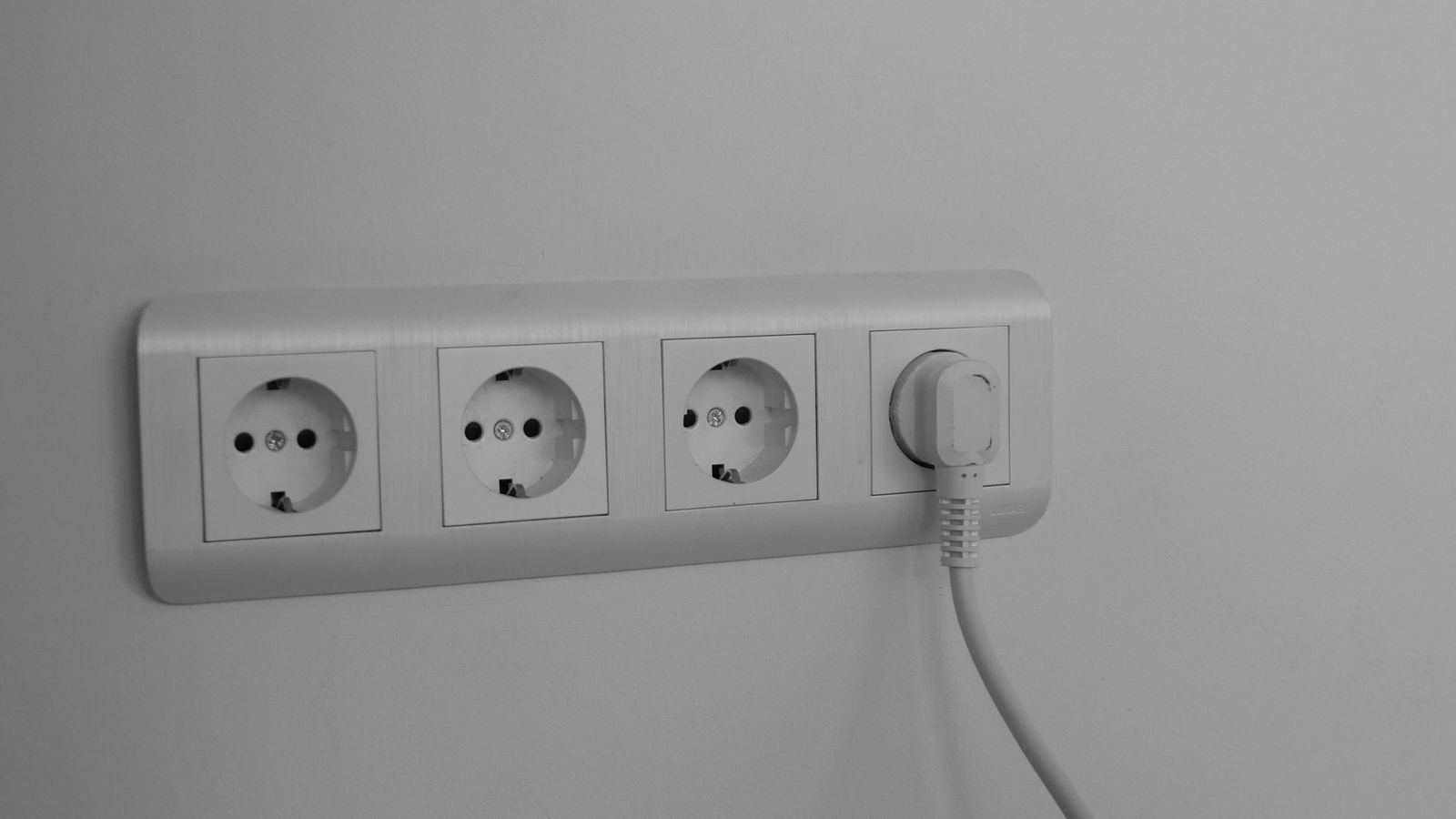
There are two physical formats and they solve different problems. A plug-in adapter sits between the wall socket and the appliance. It requires no tools, moves house with you, and can be swapped in seconds when a better model appears. Its drawbacks are cosmetic and spatial: it protrudes, it can block the second socket, and it is visible.
An in-wall smart outlet replaces the receptacle entirely. It looks like ordinary trim, controls one or both sockets, and cannot be knocked loose by a vacuum cleaner. The cost is installation: the circuit must be switched off at the breaker, the box must have a neutral conductor, and in many jurisdictions the work is regulated. In-wall units also tend to handle higher continuous loads because they are wired rather than plugged. Anyone planning a permanent installation should compare the best smart outlets on load rating and box depth rather than on app features alone.
Understanding IP Ratings for Outdoor Use
The ingress protection rating is the number that decides whether a device survives outside. It has two digits: the first covers solids such as dust, the second covers water.
- IP44: protected against splashing water from any direction. Acceptable under a covered porch, not in open weather.
- IP55: dust-protected and resistant to low-pressure water jets. A reasonable minimum for genuinely exposed positions.
- IP65: fully dust-tight and resistant to water jets. The standard most quality outdoor smart plugs target.
- IP66 and above: heavy jets and, at higher grades, temporary immersion. Useful near sprinklers or in exposed coastal positions.
Ratings assume the unit is correctly oriented and that any gaskets or covers are properly closed. An IP65 plug with its socket cover left open is no longer IP65. Also note that ratings describe water and dust, not ultraviolet exposure or temperature range, both of which are listed separately and both of which matter in a garden.
Temperature, Sunlight, and Why Outdoor Units Fail
Outdoor smart plugs fail for three reasons, and water is only the most obvious one. Ultraviolet light embrittles cheap plastics, so a unit that started flexible becomes chalky and cracks after two summers, at which point the seals no longer seal. Thermal cycling is the second cause: warm days followed by cold nights pump moist air in and out of the enclosure, and condensation forms inside a case that never had a drop of rain on it. The third is simple cold, since the electronics and any internal relay have a stated operating range that a hard winter can exceed.
Practical mitigation is straightforward. Mount the unit under an eave or inside a weatherproof enclosure even when it is rated for exposure. Point the socket face downward so gravity works with you. Keep the device off the ground, where splash-back and standing water do the most damage. Products built for this environment are documented clearly, and the best outdoor smart plugs list operating temperature alongside the IP figure for exactly this reason.
Load Ratings and What You Can Actually Plug In
This is the specification people ignore and then regret. Every smart outlet has a maximum current, typically 10A, 13A, or 15A, and a maximum wattage. Two things complicate the number. First, resistive loads such as heaters draw their full rating continuously, while motors draw a large surge on startup that can be several times their running current. Second, sustained loads generate heat inside a small plastic enclosure that was designed for intermittent use.
- Safe on almost any smart outlet: lamps, phone chargers, routers, fans, holiday lights, televisions.
- Check the rating carefully: coffee makers, kettles, dehumidifiers, pumps, compressors.
- Generally avoid: space heaters, air conditioners, and anything with a heating element near the outlet’s ceiling rating.
- Never chain: a smart plug feeding a power strip feeding several appliances defeats every safety assumption in the design.
Connectivity: Wi-Fi, Zigbee, Z-Wave, and Matter
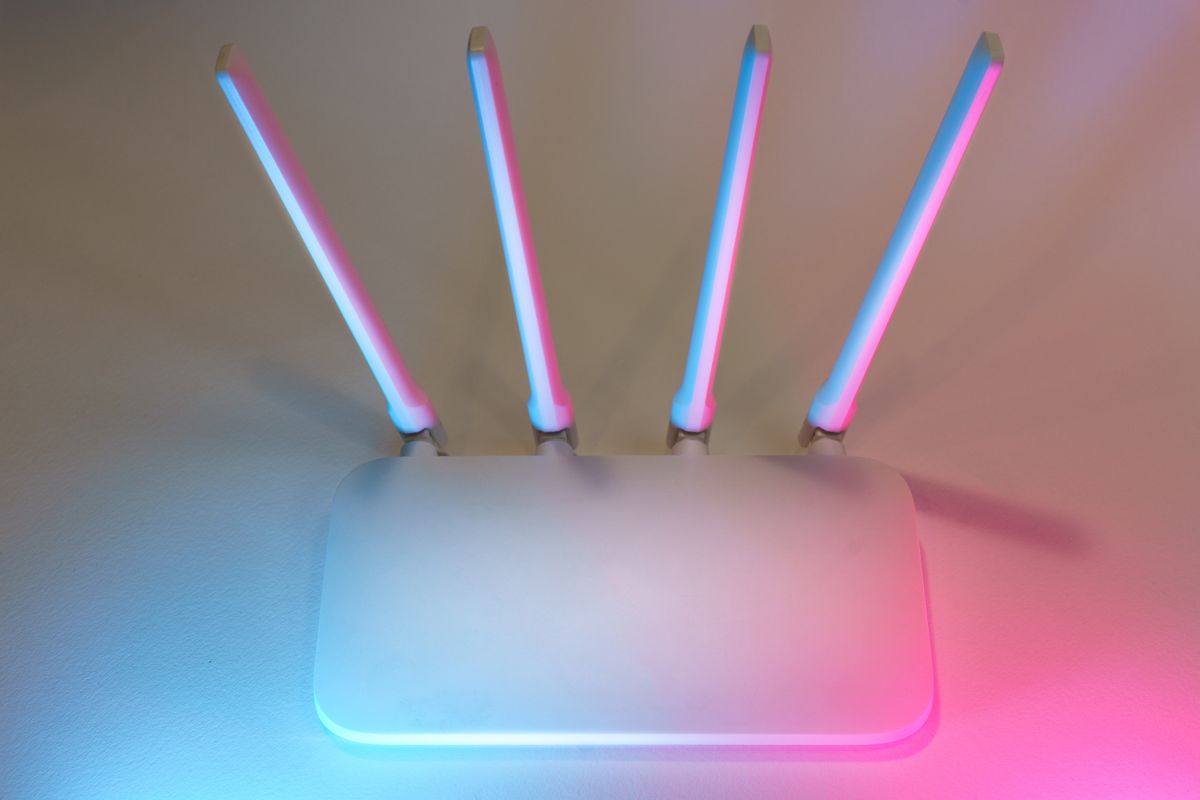
Wi-Fi is the default because it needs no hub, but it is also the weakest choice for outdoor placement, where the signal has to cross an exterior wall and travel across a garden. Mesh protocols like Zigbee and Z-Wave handle distance more gracefully because every mains-powered node repeats the signal, so an outdoor plug near the back door can extend coverage to a shed. They do require a hub.
Matter is worth prioritising on new purchases. It lets one outlet work across Alexa, Google Home, and other controllers without a separate cloud integration for each, which reduces the chance of being stranded if a manufacturer discontinues support. For indoor use where signal is strong, plain Wi-Fi remains perfectly serviceable and cheaper, and the best WiFi plugs cover that hub-free approach in detail.
Features Worth Paying For
Beyond simple on and off, a handful of features genuinely change how useful an outlet is.
- Energy monitoring: reports live wattage and cumulative consumption. Excellent for identifying which appliance is quietly expensive, and for detecting a failing motor drawing more current than it should.
- Local scheduling: the schedule runs on the device rather than in the cloud, so lights still cycle during an internet outage.
- Sunrise and sunset triggers: far more useful outdoors than fixed clock times, because they track the seasons automatically.
- Independently controlled sockets: on multi-outlet units, essential if you want the string lights and the pond pump on different schedules.
- Physical button: lets guests and family operate the device without an app or an account.
- Away or randomised mode: varies timing slightly so an empty house does not look mechanically scheduled.
Room-by-Room and Yard-by-Yard Placement
Thinking in locations rather than in products produces a better system.
- Living room: lamps and media equipment. Prioritise a slim body so the second socket stays usable.
- Bedroom: bedside lighting and fans. Look for a model whose status LED can be dimmed or disabled.
- Kitchen: small appliances only, and always within the current rating. Energy monitoring earns its keep here.
- Garage and workshop: dust protection matters even indoors. A higher first IP digit is worth having.
- Patio and porch: IP44 is the floor if genuinely covered; IP65 is safer.
- Open garden: IP65 or better, mounted off the ground, ideally on a mesh protocol.
Safety and Compliance Basics
An outdoor circuit should be protected by a residual current device or GFCI, and a smart plug does not replace that protection. Confirm the outlet you are plugging into is itself an outdoor-rated receptacle with a weatherproof in-use cover; upgrading the receptacle itself is often the better fix, and the best outdoor outlets guide covers what to look for. Never run an indoor-rated extension lead out through a window as a permanent arrangement, and never seal a smart plug inside a sandwich bag or plastic box that traps condensation, which is a surprisingly common improvisation and a genuinely dangerous one.
Look for a recognised safety certification mark on the packaging. Uncertified imports frequently overstate their current ratings, use undersized internal relays, and lack proper creepage distances on the circuit board. The saving is small and the failure mode involves mains voltage.
Budget Tiers and Where the Money Goes
Entry-level indoor plugs cover basic scheduling and voice control and are perfectly adequate for lamps. The mid tier adds energy monitoring, local schedule execution, a slimmer body, and generally better relays rated for more switching cycles. The upper tier is where outdoor-rated enclosures, higher current handling, multiple independent sockets, and mesh radios live.
Buying a two-pack or three-pack of indoor plugs almost always beats buying singles, and since most households eventually want several, it is rarely wasted money. For outdoor units, buy the rating you need rather than the cheapest that claims weather resistance; the replacement cost of a failed unit exceeds the premium.
Frequently Asked Questions
Can I use an indoor smart plug outside if it is under a roof?
It is not recommended. Even a covered porch produces humidity swings and condensation that indoor enclosures are not sealed against. Use at minimum an IP44-rated unit outdoors.
Do smart outlets keep working without internet?
Manual buttons always work, and models with local scheduling continue running their timers. Voice control and remote app access require a connection.
Will a smart plug work with a space heater?
Usually not safely. Heaters draw high sustained current and most plugs are not rated for continuous full-load operation. Check the manufacturer’s explicit guidance.
Do in-wall smart outlets need a neutral wire?
Yes, in almost all cases. Receptacle boxes normally have one, unlike switch boxes, but verify before ordering and confirm the box is deep enough for the larger body. The best smart wall outlets list required box depth in their specifications.
How much standby power do they use?
Typically under one watt each. Meaningful only if you install a great many, and usually offset by the appliances they switch fully off.
Final Thoughts
Pick the format first, the environment second, and the features last. Plug-in adapters for flexibility, in-wall units for permanence, IP65 for anything the sky can reach, and a current rating comfortably above whatever you intend to run. Add energy monitoring where you want visibility, local scheduling where reliability matters, and a mesh protocol where distance is a problem. Get those choices right and a smart outlet becomes the least dramatic part of your home: it just does its job, quietly, for years.