 Owen Bradley
 A video doorbell is only half of a working front-door system. The camera handles the outside world, but the part that actually gets your attention inside the house is the chime. Plenty of homeowners install a smart doorbell, disable the old mechanical chime during wiring, and then spend months missing deliveries because the only alert they get is a phone notification that arrives late or silently. Choosing the right chime is what turns a doorbell into something the whole household reliably hears. This guide explains the difference between wired and wireless chimes, how each one interacts with modern video doorbells, and how to pick the configuration that matches your wiring, your floor plan, and your budget in 2026.

What a Doorbell Chime Actually Does
A chime is the indoor sound unit that announces a visitor. In a traditional system, pressing the button completes a low-voltage circuit that energizes a solenoid, which strikes two metal tone bars and produces the familiar ding-dong. In a modern system, that same job may be done by a digital speaker playing a recorded tone, or by a plug-in receiver that hears a radio signal from the button and plays a melody.
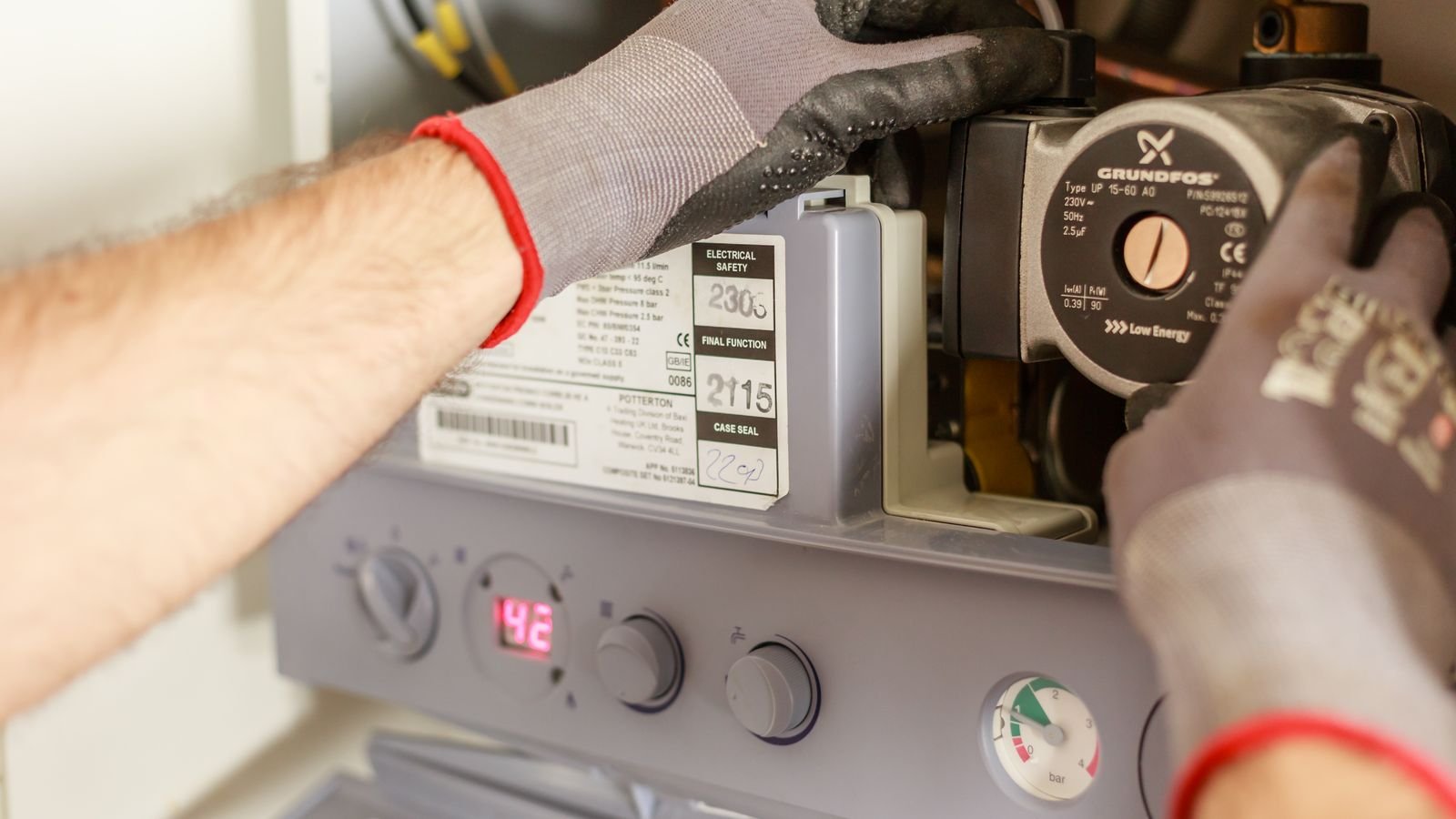
The distinction matters because video doorbells change the electrical picture. Most wired video doorbells draw a small continuous current to stay powered and connected to Wi-Fi. A mechanical chime that was designed for momentary current can buzz, hum, or refuse to ring when a camera is drawing power through it around the clock. That is why so many installations include a small diode-and-resistor module, often called a chime kit or power kit, tucked inside the chime housing. Understanding that relationship saves a lot of guesswork before you buy anything.
Wired Chimes: How They Work and Who They Suit
A wired chime is hardwired to a low-voltage transformer, typically 16V to 24V, usually mounted near the electrical panel, in a closet, or on the furnace. Two thin wires run from the transformer to the chime and out to the button. Because the chime is powered from the house, it never needs batteries and never drops off the network. It rings whether or not your Wi-Fi is working, which is a genuine advantage during an outage.
Wired units also tend to be louder and richer sounding. A real mechanical strike carries through a floor plan better than a small speaker, and many households find the tone easier to distinguish from phone alerts and appliance beeps. If your home already has a chime box in the hallway and a working transformer, upgrading within the wired family is usually the cheapest and most reliable route. Homeowners in that position should start by comparing the current crop of best wired door chimes to see which models handle modern doorbell power draw without buzzing.
Where Wired Falls Short
The limitation is placement. A wired chime lives where the wire goes, and running new low-voltage cable through finished walls is a real project. If your existing chime sits in a front hallway and you spend your evenings in a basement family room, the sound may simply not reach you. Wired units also assume your transformer is healthy. Old transformers rated at 10V often cannot support a video doorbell, and replacing one means working at the panel, which many people prefer to hand to an electrician.
Wireless Chimes: How They Work and Who They Suit
A wireless chime is a receiver that plugs into any standard wall outlet, or in some cases runs on batteries, and responds to a radio signal. Some receive that signal directly from a battery-powered button; others pair with a video doorbell over Wi-Fi and act as an accessory speaker. Setup is genuinely a five-minute job: plug it in, press a pairing button, test.
The huge advantage is placement freedom. Because the receiver only needs an outlet, you can put one in the kitchen, one upstairs, and one in the workshop, and every unit rings at once. For large homes, split-level layouts, or houses with a detached garage or basement office, multiple receivers solve a problem that no single wired box can. Anyone starting from scratch should review the current best wireless door chimes and pay close attention to the stated range, because manufacturer figures assume open air, not plaster and brick.
Where Wireless Falls Short
Radio range degrades fast through masonry, foil-backed insulation, and metal ductwork. A receiver rated for 1000 feet may struggle at 60 feet through two brick walls. Battery-powered buttons need cell changes every year or two. And a Wi-Fi-based accessory chime is only as reliable as your router, so a network hiccup means a silent house. None of these are dealbreakers, but they are the failure modes to plan around.
Matching a Chime to Your Video Doorbell
There are four common configurations, and identifying yours narrows the shopping list immediately.
- Hardwired doorbell with existing mechanical chime. Keep the chime, add the manufacturer’s power module inside the housing. This preserves the loud physical ding and gives the camera steady power.
- Hardwired doorbell with a digital chime. Digital units usually need a specific compatibility setting or bypass. Check the doorbell maker’s compatibility list before buying, because a mismatch here produces a chime that ticks instead of rings.
- Battery doorbell, no wiring at all. You need a wireless plug-in receiver, full stop. Nothing in the wall will ring.
- Hardwired doorbell plus extra coverage. Keep the wired chime and add one or two wireless receivers in far corners of the house. This hybrid is the most common upgrade path and it works well.
If you are still selecting the doorbell itself rather than just the chime, it is worth comparing the best wireless video doorbells first, because the doorbell you choose determines which chimes are even eligible.
Features That Genuinely Matter
Volume and Adjustability
Look for a stated decibel figure and an adjustable range. Anything in the 80 to 90 dB neighborhood carries through a typical two-story home. More importantly, look for multi-step volume control rather than a simple loud-quiet toggle, so you can dial it back at night without muting it entirely.
Multiple Tones and Zones
Assigning different melodies to different buttons lets you tell the front door from the back door or the gate without looking at a screen. If you have more than one entrance, this is the single most useful feature on the list.
Visual Alerts
A flashing LED strobe is essential for anyone with hearing loss and genuinely helpful for anyone who wears headphones, runs a loud shop, or sleeps during the day. Many mid-priced wireless receivers include it at no meaningful cost premium.
Expandability
Buy into a system that lets you add receivers and buttons later. Starting with one receiver and discovering the model is a sealed pair means throwing it away when you want coverage upstairs.
Do Not Disturb and Scheduling
Being able to silence the chime between set hours while still recording video is a quality-of-life feature that pays off with young children in the house.
Understanding Power and Wiring Requirements
Before ordering anything wired, verify three things. First, find your transformer and read its label; you want at least 16V and 10VA for a video doorbell, and many people discover an undersized 10V unit from decades ago. Second, confirm the wire gauge running to the door; 18/2 is standard and adequate for typical runs, but long runs from a distant transformer cause voltage drop and weak ringing. Third, check whether your chime is mechanical or digital by opening the cover, because the required power module differs.
Wireless installations skip all of this, which is precisely why they dominate retrofits. The tradeoff you accept is battery maintenance and radio range instead of voltage math.
Budget Tiers: What Your Money Buys
- Entry level, roughly $15 to $30. A single plug-in wireless receiver with a handful of tones and basic volume steps. Fine for an apartment or a small single-floor home.
- Mid range, roughly $30 to $70. Two or three receivers, longer usable range, LED strobe, better speaker quality, and expandable pairing. This tier covers most family homes and is where the value sits.
- Upper range, roughly $70 to $150. Premium wired chimes with real tone bars and quality housings, or smart chimes that double as network extenders and integrate with a broader ecosystem. Worth it if sound quality or ecosystem integration matters to you.
Whichever tier you land in, browsing a broad roundup of the best doorbell chimes alongside general-purpose best chimes comparisons is the fastest way to see how features scale with price rather than guessing from spec sheets.
Coverage Planning for Larger Homes
Walk your house with a phone timer. Stand in every room you regularly occupy and ask whether a sound from the front hallway would reach you over a running dishwasher or a television. Every room that fails needs coverage. In practice, a two-story home with a finished basement typically needs three sound points: main floor, upper hallway, and basement. Detached garages and covered patios often need a fourth. Since wireless receivers cost far less than running new cable, adding units is almost always the cheaper answer than rewiring.
Also consider signal path, not just distance. Moving a receiver one outlet over frequently fixes an intermittent chime.
Common Mistakes to Avoid
- Skipping the power module. The buzzing complaint that fills review sections is almost always a missing or incorrectly wired diode kit.
- Trusting advertised range. Assume you will get roughly a third of the stated figure indoors and plan accordingly.
- Relying only on phone notifications. Push alerts depend on cloud servers, battery optimization settings, and having your phone nearby. A physical chime has none of those dependencies.
- Buying a sealed non-expandable kit. Coverage needs grow. Choose a system with an add-on path.
- Ignoring the transformer. An undersized transformer causes weak ringing, dropped video, and reboot loops that get blamed on the camera.
- Placing the receiver behind furniture. Sound needs a clear path just as much as radio does.
Installation and Maintenance Notes
Wired work should always begin at the breaker. Kill power to the transformer circuit, confirm with a tester, and photograph the existing terminal connections before disconnecting anything. Chime terminals are typically labeled front, trans, and rear, and mixing front and rear is the most common wiring error. If any part of that sounds uncertain, an electrician can usually swap a chime and transformer in under an hour.
Maintenance is minimal. Test seasonally, replace button batteries on a calendar rather than waiting for failure, and dust mechanical tone bars occasionally. If a wireless receiver becomes intermittent, re-pair it before assuming it failed.
Frequently Asked Questions
Can I use a wireless chime with a hardwired video doorbell?
Yes, and it is a very common setup. Many hardwired doorbells can pair with plug-in accessory chimes, and even when they cannot, you can add an independent wireless button and receiver alongside the camera for redundancy.
Why does my chime buzz instead of ringing?
Buzzing almost always means a mechanical chime is receiving continuous low current from a video doorbell without the correct power module installed. Fitting the manufacturer’s diode kit inside the chime housing resolves it in the large majority of cases.
Do I need to replace my transformer?
Only if it is undersized. Check the label for voltage and VA rating. Video doorbells generally want 16V to 24V and at least 10VA. Older 10V transformers built for simple buttons often cannot keep a camera stable.
How many chimes can I add to one system?
Expandable wireless systems commonly support anywhere from three to a dozen receivers on a single button. Confirm the limit in the specifications before committing, especially if you plan to cover a garage or outbuilding.
Will the chime still work if my internet goes down?
A traditional wired chime and a direct radio-paired wireless chime both keep working without internet. A Wi-Fi-dependent smart chime that relies on cloud routing will not. If outage resilience matters, choose one of the first two.
Final Thoughts
The right chime comes down to an honest reading of your house rather than a spec sheet. With working low-voltage wiring and a floor plan where one central sound point covers your living space, a quality wired chime gives the best sound and fewest dependencies. If your layout is spread out or your doorbell runs on a battery, wireless receivers deliver coverage wiring cannot match at the same cost. The hybrid approach remains the configuration worth defaulting to in 2026. Decide on power first, plan coverage second, and let those answers narrow the list before you compare features.