Owen Bradley
 Batteries are the quiet fire hazard in most homes. A drawer of loose AAs rolling against paperclips, a bag of dead lithium cells waiting for a trip that never happens, an old device swelling in a closet. None of it looks dangerous, and almost all of it is fine almost all of the time, which is exactly why the habits slip. Battery fires in recycling trucks and waste facilities have risen sharply for the same reason: cells thrown in with household rubbish get crushed, short out, and ignite. Storing and disposing of batteries safely is not complicated, but it does require different handling for different chemistries. This guide covers what to do with each type, how to store them so they stay stable, and how to get rid of them without starting anything.
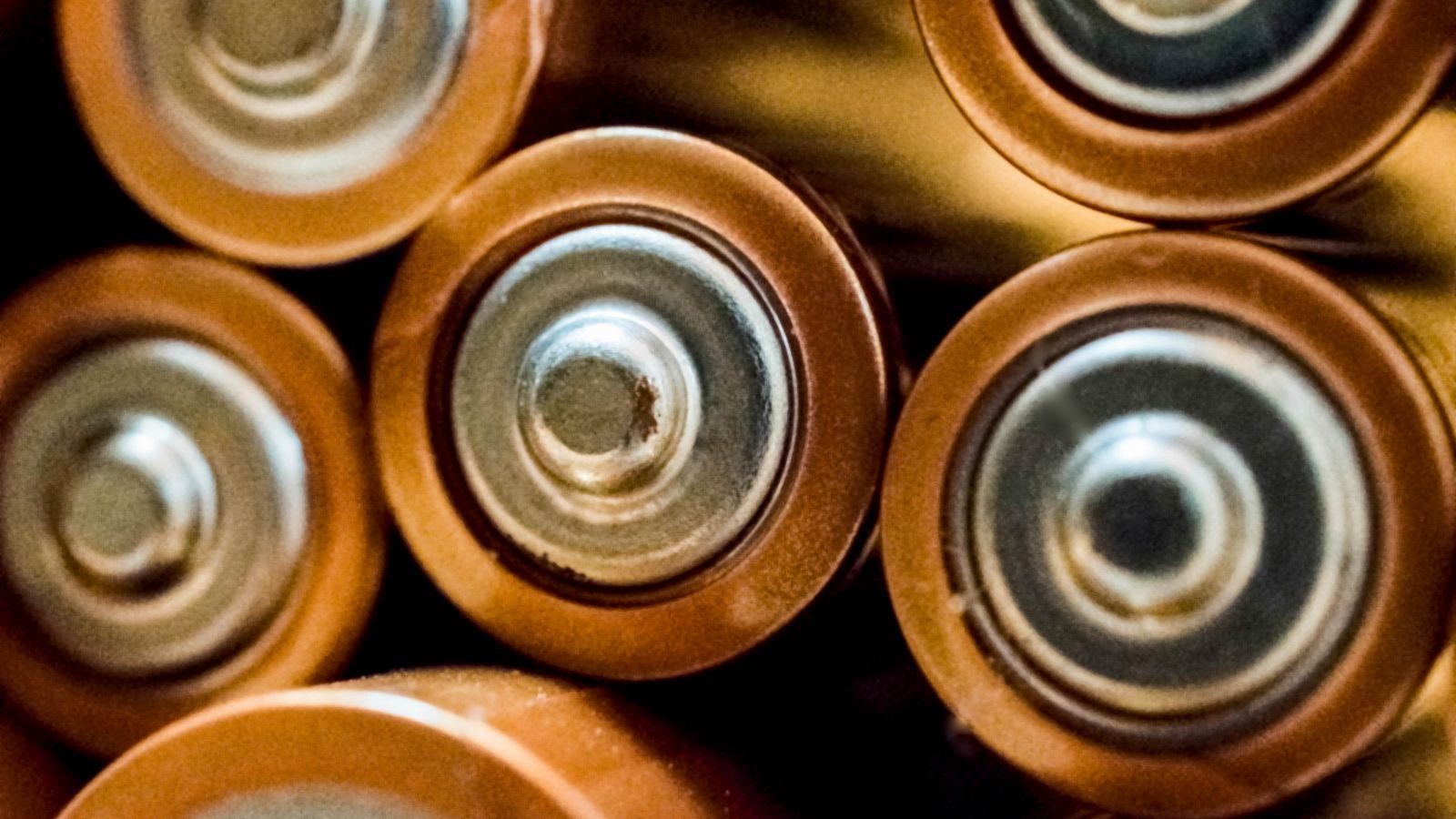
Know Which Chemistry You Are Handling
The right procedure depends entirely on what is inside the cell, and the four common types behave very differently.
- Alkaline AA, AAA, C, D, and 9V cells. The most common household battery. Low risk individually, but they leak potassium hydroxide as they age and corrode whatever they are sitting in.
- Lithium primary cells, non-rechargeable, often used in smoke detectors, cameras, and outdoor gear. Higher energy density and a genuine short-circuit risk.
- Lithium-ion rechargeable cells, found in phones, laptops, tools, and power banks. The highest risk category, especially once damaged or swollen.
- Button and coin cells, used in watches, key fobs, and hearing aids. Small enough to swallow, which makes them the most acutely dangerous type in homes with children or pets.
Step-by-Step: Storing Batteries Safely
- Keep batteries in their original packaging until use. The card or blister pack keeps terminals separated and preserves the date code, which tells you how old the cell is.
- Never store loose batteries in a drawer with metal objects. Coins, keys, screws, and paperclips can bridge the terminals of a 9V or a lithium cell and generate enough heat to ignite paper. This is the single most common cause of household battery incidents.
- Tape the terminals of any loose cell. A strip of clear or electrical tape across the contacts of 9V and lithium batteries removes the short-circuit risk entirely. 9V cells deserve particular attention because both terminals sit side by side on the same face.
- Use a dedicated plastic storage case. Cheap compartmented battery organizers keep cells separated and upright, and they cost a fraction of what a drawer fire costs.
- Store at moderate room temperature. Roughly 59 to 77 degrees Fahrenheit is ideal. Avoid garages, attics, cars, and windowsills, where summer heat accelerates self-discharge and can cause leakage.
- Keep them dry. Humidity corrodes terminals and can create small conductive paths between cells. A basement shelf is a poor choice unless the space is genuinely dry.
- Do not mix old and new cells in the same device. Mismatched charge levels cause the weaker cell to be driven into reverse, which is the classic cause of leaking batteries inside a remote or a toy.
- Separate used from fresh. Use two containers, clearly marked, so a dead cell never gets put back into service or thrown into a pocket.
- Store lithium-ion devices and power banks at partial charge. Around half full is far gentler on the cells than leaving them fully charged or completely flat for months.
- Keep button cells locked away from children. Swallowed coin cells can cause severe internal burns within hours. Store them in a latched container out of reach and treat any suspected ingestion as an emergency.
Step-by-Step: Disposing of Batteries
- Tape the terminals before the battery leaves the device. Do this at the moment of removal, not later, because “later” is how loose cells end up in bin bags.
- Sort by chemistry. Keep alkaline separate from lithium and rechargeable cells, since collection points handle them through different streams.
- Store the collection container away from combustibles. A metal tin or a plastic tub in a cool spot works. Do not use a cardboard box in a cupboard full of paper.
- Never put lithium or rechargeable cells in household rubbish or curbside recycling. They get crushed in collection trucks and compactors, and crushed lithium cells ignite. This restriction is legally binding in many regions.
- Find a proper drop-off. Hardware stores, electronics retailers, municipal recycling centers, and many supermarkets host battery collection bins. Local authority waste sites accept the full range including damaged cells.
- Check local rules for alkaline batteries. Some jurisdictions permit alkaline cells in household waste, others require recycling. Recycling is always the better option where available, since it recovers steel and zinc.
- Handle swollen or damaged cells with extra care. Do not puncture, compress, or charge them. Place the cell in a non-flammable container, keep it away from anything that can burn, and take it to a hazardous waste facility rather than a retail bin.
- Deal with leaking alkaline cells safely. Wear gloves and eye protection, avoid touching the crystalline residue, clean contacts with a cotton swab dipped in a mild acid such as vinegar, and wash your hands afterward.
- Remove batteries from devices before disposing of the device. Many electronics recycling programs require it, and a battery left inside a discarded gadget is the exact scenario that starts facility fires.
Choosing Cells That Cause Fewer Problems
A lot of battery risk comes from having too many disposable cells cycling through the house. Reducing the volume reduces the exposure, and buying the right chemistry for the job means fewer surprise replacements.
Safety devices are the clearest case. A detector that alarms at 3am because of a dying cell tends to get its battery pulled and never replaced, which is a far bigger risk than the battery itself. Choosing long-life cells matched to the device helps, and the roundup of the best AA batteries for smoke detectors compares chemistries by service life in exactly that application. If you would rather remove the replacement cycle altogether, sealed units from the best battery smoke detectors run for a decade on a non-removable cell, and the alternatives in the best battery operated smoke alarms cover interconnected and standalone models for homes without hardwiring.
Lighting is the other big consumer of disposable cells. Battery-powered lamps run through alkalines quickly when used daily, and the options in the best battery lamps roundup include rechargeable designs that eliminate the disposal question entirely. For a wider look at when rechargeable systems are worth the switch, the rechargeable battery powered lighting guide weighs the tradeoffs between built-in packs and swappable cells.
Setting Up a Household Battery System
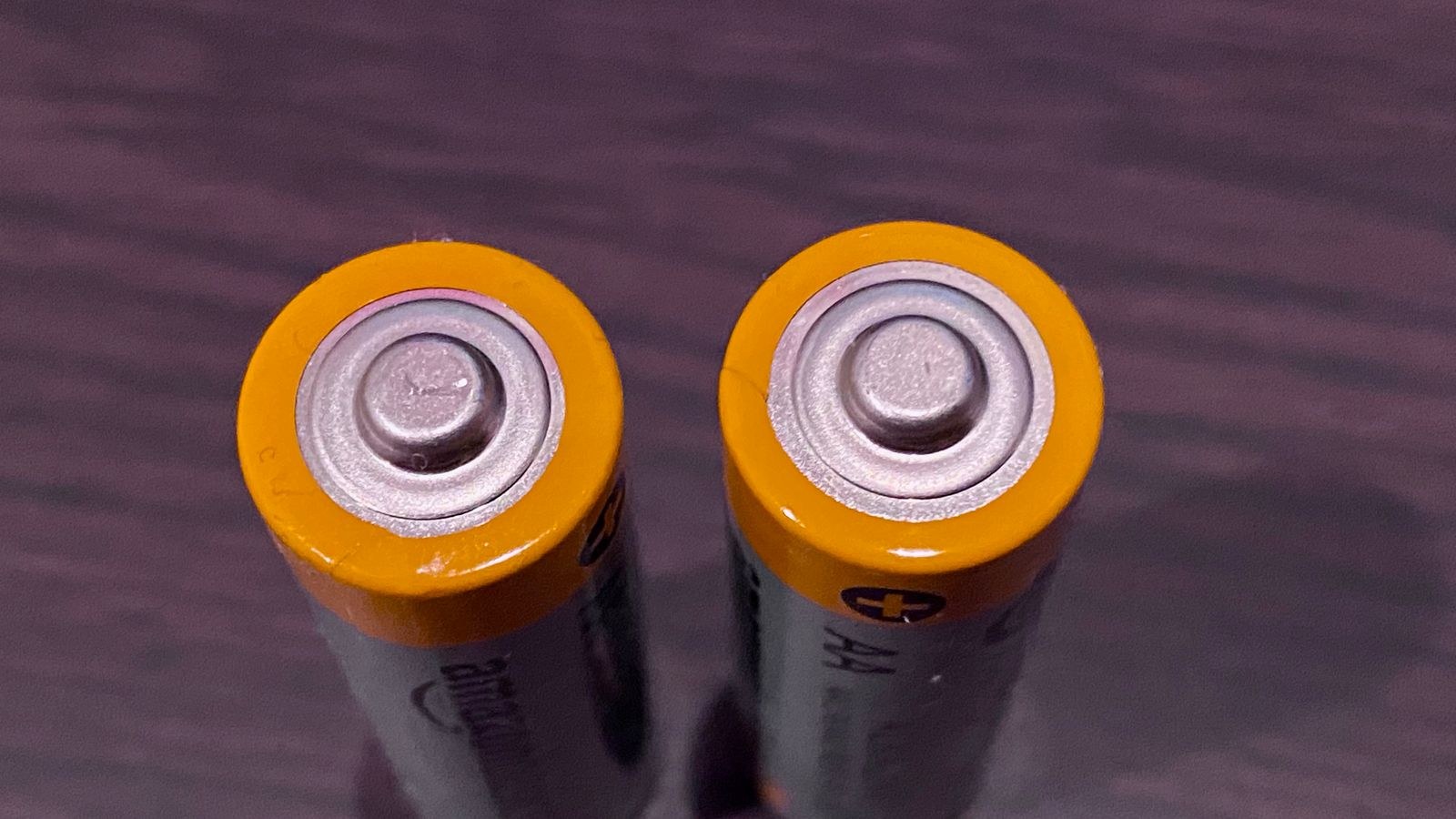
The habits stick when the system is physically obvious. Pick one location, ideally a utility drawer or a shelf in a cool cupboard, and put three containers there.
The first holds fresh cells in original packaging, sorted by size. The second holds used cells awaiting recycling, with terminals already taped. The third holds rechargeables and their charger. Label all three. When the used container fills, that is the trigger for a recycling trip, which turns an open-ended chore into a clear task.
Add a note of which devices in your home use which size. Most households have a handful of recurring sizes and buying to that list prevents accumulating odd cells that sit for years and eventually leak.
Mistakes That Cause Real Damage
The most expensive is leaving batteries inside seasonal or infrequently used equipment. Holiday decorations, camping lanterns, and spare remotes are the usual victims. Alkaline cells left in place for a year will often leak and destroy the contacts, ruining a device worth far more than the batteries.
The second is charging non-rechargeable cells. Alkaline and lithium primary batteries are not designed to accept current and can vent, leak, or rupture. Only charge cells explicitly marked as rechargeable.
The third is hoarding dead batteries indefinitely. A large bag of used cells accumulating in a warm cupboard is a genuine hazard, particularly if terminals are untaped. Recycle in small, regular batches.
The fourth is throwing a swollen phone or laptop battery in the bin. A swollen cell is a cell that has already failed internally and it needs hazardous waste handling, not a rubbish bag.
Frequently Asked Questions
Can I throw alkaline batteries in the household bin?
It depends on where you live. Some areas permit it, others require recycling. Recycling is preferable everywhere because it recovers metals and keeps cells out of compactors.
Why do I need to tape battery terminals?
Taping prevents terminals from touching metal or another battery and creating a short circuit. Shorted cells heat rapidly and can ignite nearby material, which is the main cause of collection-truck fires.
Is it safe to store batteries in the refrigerator?
No. Cold storage was useful for older chemistries but condensation on modern cells corrodes terminals and can damage seals. Cool, dry room temperature is better.
What should I do with a swollen lithium battery?
Stop using and charging it immediately, do not puncture it, place it in a non-flammable container away from anything combustible, and take it to a hazardous waste facility rather than a retail collection bin.
How long do unused batteries last in storage?
Alkaline cells typically hold usable charge for five to ten years when stored cool and dry, and lithium primary cells often longer. Check the printed expiry date rather than assuming, and rotate stock so the oldest cells get used first in 2026.
Final Thoughts
Safe battery handling comes down to three habits: tape the terminals, keep cells away from metal and heat, and never put lithium in the bin. Set up one labeled spot in the house with separate containers for fresh, spent, and rechargeable cells, and the rest takes care of itself. Where you can, cut the number of disposable batteries in circulation by choosing sealed long-life units for safety devices and rechargeable systems for lighting. Fewer cells passing through the house means fewer chances for any of this to go wrong.