Owen Bradley
 Handing visitors your main Wi-Fi password isn’t the harmless courtesy it seems — it exposes your primary network and every device connected to it to unnecessary risk. Setting up a separate guest network keeps your smart home gadgets, computers, and personal files isolated while still offering fast, convenient internet access to the people visiting your home. It takes only a few minutes to configure, and this guide shows you exactly how to do it, along with the settings that actually make a guest network secure rather than just convenient.
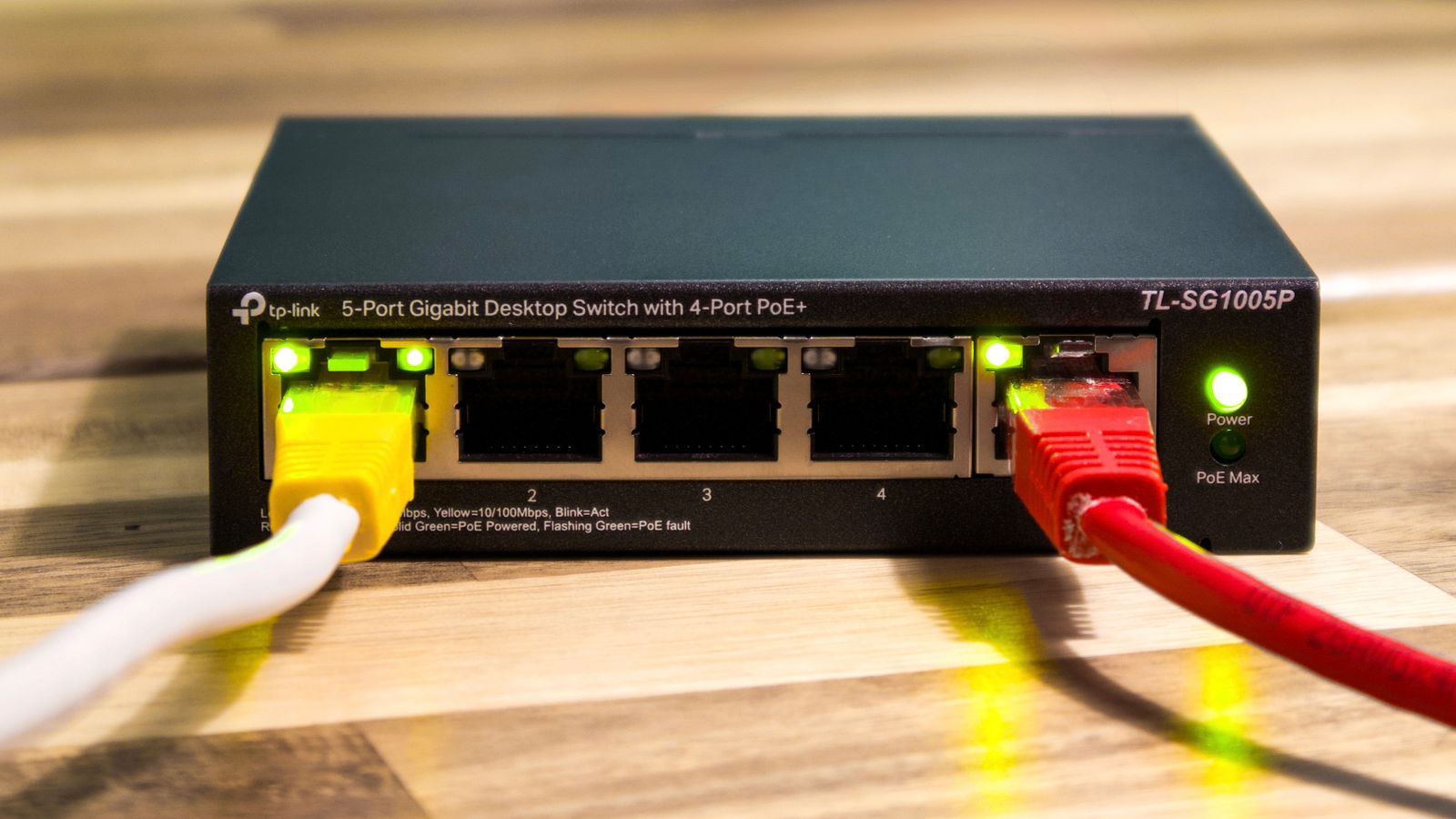
Why You Should Use a Guest Network
A guest Wi-Fi network creates a separate lane on your router that isolates visiting devices from your main network. That means guests can browse and stream without being able to reach your shared files, printers, security cameras, or smart home hubs. It also limits your exposure if a guest’s phone or laptop is already infected with malware, and it lets you apply separate speed limits or schedules without touching your primary connection.
Great Uses Beyond Just Guests
A guest network isn’t only for people. It’s also an ideal home for smart home and Internet-of-Things devices, which often have weaker built-in security. Keeping those gadgets on a separate network limits the damage if any single one is ever compromised.
What You’ll Need
- Access to your router’s admin panel via a web browser or companion app
- Your router’s admin username and password
- A router that supports guest network functionality, which most modern models do
- A strong, unique password for the new network
Step-by-Step: Setting Up Guest Wi-Fi
- Log into your router’s admin panel. Enter your router’s IP address, often 192.168.1.1 or 192.168.0.1, into a browser, or open the manufacturer’s companion app.
- Locate the Guest Network settings. These usually live under Wireless Settings or a dedicated Guest Network tab.
- Enable the guest network toggle. Many routers let you enable a separate guest SSID on the 2.4GHz band, the 5GHz band, or both.
- Create a unique network name. Choose a name clearly distinct from your main network, such as “YourHome-Guest,” so people know which one to join.
- Set a strong, separate password. Never reuse your main Wi-Fi password. Pick a long passphrase that’s easy to share but hard to guess.
- Enable network isolation. This is the most important setting — it prevents guest devices from seeing or reaching devices on your main network, including printers, cameras, and file shares.
- Set bandwidth limits if available. Some routers let you cap guest speed so visitors streaming video don’t slow down your primary connection during heavy use.
- Save and test the connection. Connect a phone to the guest network and confirm it can reach the internet but cannot access your other devices.
Key Security Settings to Double-Check
Simply turning on a guest network isn’t enough — a few settings determine whether it’s genuinely secure:
- Network isolation (AP isolation): Must be enabled so guest devices can’t reach each other or your main network.
- Access to admin settings: Ensure guests can’t open the router’s configuration page.
- Encryption: Use WPA2 or WPA3 encryption on the guest network, not an open, passwordless connection.
- Local resource sharing: Confirm printers and shared drives are not exposed to the guest SSID.
Tips for Managing Your Guest Network
- Change the guest password periodically, especially after hosting a large gathering.
- Use a QR code — many router apps generate one — so guests can join without typing a password.
- Schedule the guest network to disable automatically overnight if your router supports it.
- If your current router lacks flexible guest controls, consider the best home internet routers for models with more capable guest access and isolation features.
How a Guest Network Actually Protects You
It helps to understand what’s happening behind the scenes. A guest network creates a logically separate segment on your router. Devices on it can reach the internet but are walled off from the part of your network where your computers, storage, and smart home hub live. If a guest’s laptop is carrying malware, or if a cheap connected gadget has a security flaw, the isolation keeps that threat from spreading to your important devices. It’s the digital equivalent of letting visitors into the lobby without handing them keys to every room in the house.
Passwords vs. Isolation
A common misunderstanding is that a strong password alone makes a guest network safe. The password controls who can join, but network isolation controls what they can reach once connected. You need both: a strong password to keep strangers out, and isolation to contain anyone who is let in.
Setting Up Guest Access on a Mesh System
If you use a mesh Wi-Fi system rather than a single router, the guest network setup usually lives inside the companion app rather than a browser admin page. The principles are identical — enable the guest network, set a strong unique password, and turn on isolation — but mesh apps often make it even easier, sometimes offering a one-tap guest toggle and an automatic QR code for sharing. Check your app’s network or family settings to find these options.
Time-Limited and Scheduled Access
Many routers and mesh systems let you set the guest network to expire after a set number of hours or to run only during certain times of day. This is ideal for short visits, parties, or rentals, since access simply switches off automatically without you needing to change the password afterward.
Common Mistakes to Avoid
- Sharing your main Wi-Fi password with visitors instead of using a guest network
- Forgetting to enable network isolation, which defeats the whole security purpose
- Setting a weak or easily guessable guest password
- Leaving the guest network permanently open with no password
- Never checking which devices are connected to it
Frequently Asked Questions
Do all routers support guest networks?
Most routers from the last several years support the feature natively, though older or very basic budget models may lack it or offer only limited controls.
Will a guest network slow down my main Wi-Fi?
If you set reasonable bandwidth limits, a guest network shouldn’t noticeably affect your main network’s performance for everyday browsing and streaming.
Can guests see my other devices on the guest network?
Not if network isolation is enabled, which is a setting you should always turn on when configuring guest access.
Should I put smart home devices on the guest network?
It’s often a smart move, since many IoT devices have weaker security. Just confirm they can still communicate with any hub or app they depend on before committing.
How many devices can a guest network handle?
That depends on your router and your internet plan rather than the guest feature itself. Most home routers comfortably support a handful of simultaneous guests for browsing and streaming, especially if you’ve set reasonable bandwidth limits to protect your main connection.
Do I need to give the guest network a different name?
Yes, a clearly distinct name helps visitors pick the right network and prevents your own devices from accidentally connecting to it. It also makes managing and troubleshooting each network much simpler.
Final Thoughts
Setting up guest Wi-Fi takes just a few minutes but adds a meaningful layer of security and convenience to your home network. Enable network isolation, use a strong unique password, apply encryption, and your visitors can stay connected without ever putting your main network — or the personal devices on it — at risk.