Owen Bradley
 A smart thermostat is one of the easiest devices in the house for a curious child to mess with. The screen glows, the dial spins, and one afternoon of experimenting can leave the heat running at 85 degrees while nobody is home. Fortunately, almost every modern thermostat ships with a lock feature that either demands a PIN before anyone can touch the controls or caps how far the temperature can be pushed in either direction. This guide walks through the thermostat lock settings on the major platforms, explains the difference between a full lock and a temperature range limit, and shows how to keep app control working normally for the adults in the house.
What You Need Before You Start
Locking a thermostat takes about five minutes, and the only real prerequisite is knowing which account controls the device. Gather the following first:
- The manufacturer app installed on your phone and signed in to the account that owns the thermostat.
- Admin or owner permissions on that account. Guest or shared members usually cannot change lock settings.
- A four-digit PIN you will actually remember, written down somewhere adults can find it but children will not stumble across.
- Physical access to the thermostat, because a few brands require you to confirm the lock at the wall unit.
- A stable WiFi connection, since settings changes push over the network rather than by radio from your phone.
If you are still deciding which unit to install, it is worth comparing the parental control features across the best smart thermostats before you buy, as lock implementations vary more than you would expect.
Lock Types: Know Which One You Actually Want
Manufacturers use similar names for very different behaviors, so pick deliberately.
Full Lock
A full lock freezes the thermostat entirely. Nobody can change the temperature, the mode, or the schedule from the wall until the PIN is entered. This is the right choice for rental properties, vacation homes, and offices where nobody should be adjusting anything. It is usually overkill for a family home, because it also locks out your spouse and any babysitter who is legitimately cold.
Partial Lock or Temperature Range Lock
A partial lock leaves the dial usable but caps how far it can travel. You might allow anything between 66 and 74 degrees, so a child can nudge the room warmer without ever setting it to 90. This is the setting most families want. It prevents runaway bills and equipment strain while still letting anyone in the house make a reasonable comfort adjustment.
Screen or Display Lock
Some units offer a lighter option that simply disables touch input while the display keeps showing the current temperature. It stops accidental presses from small hands without hiding information from anyone.
Step-by-Step: Locking Your Smart Thermostat
- Open the manufacturer app and select the thermostat. If you own several, confirm you have tapped the right room. Locking the upstairs unit when you meant the nursery is a common mistake.
- Find the settings menu for that device. Look for a gear icon or the device name at the top of the card. Lock options live under device settings, not under account or home settings.
- Look for Lock, Screen Lock, or Access Control. Nest units label this simply as Lock. Honeywell and Resideo units often call it Screen Lock and place it under Preferences. Ecobee calls it Access Control and lets you require a code for specific actions.
- Choose full lock or a temperature range. If a range is offered, set a minimum and a maximum. A window of 66 to 76 degrees is comfortable for most households and still prevents extremes. Narrow it further only if you have a specific reason.
- Create your PIN. Most thermostats use four digits. Avoid your street number, the year on any nearby object, or 1234. Children guess obvious codes fast, and many units allow unlimited attempts.
- Confirm the PIN and save. Enter it twice when prompted, then wait for the app to report the change has synced. This can take up to a minute over WiFi.
- Walk to the thermostat and test it. Try to push the temperature past your ceiling. The unit should refuse, display a lock icon, or prompt for the code. If nothing happens, the setting did not sync and you should repeat step six.
- Verify app control still works. Change the setpoint from your phone. On nearly every platform the lock applies to the physical unit only, so the app remains fully functional for anyone signed in to the account.
- Store the PIN somewhere sensible. A password manager entry or a note inside a kitchen cabinet works. Do not tape it to the thermostat.
Brand-Specific Notes Worth Knowing
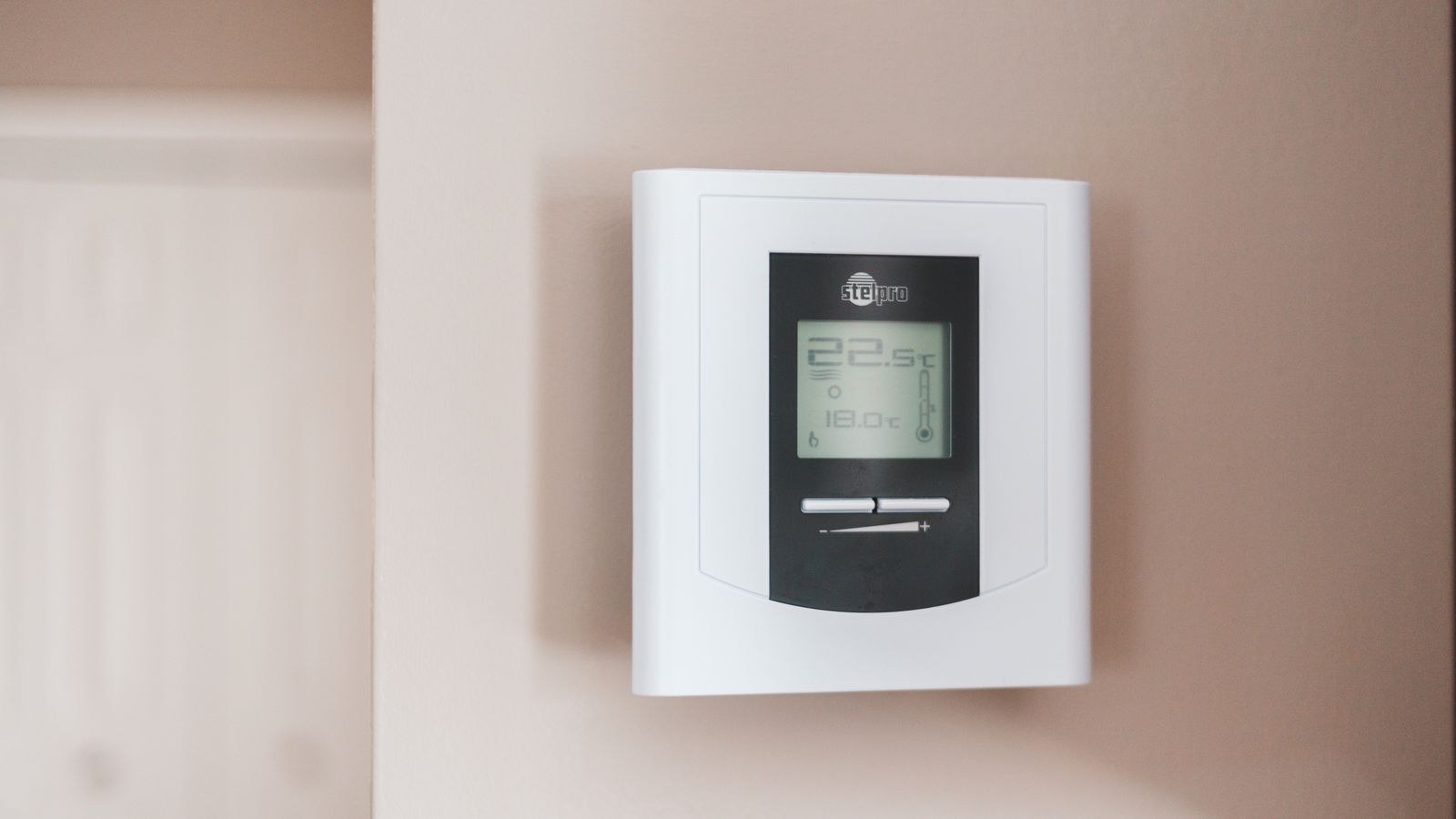
Nest thermostats put Lock directly in the device settings list and use a four-digit code. When locked, the display shows only the current temperature and a small padlock, and turning the ring does nothing until you enter the code. If you want to combine that lock with a schedule that genuinely saves money, our walkthrough of the best settings for Nest thermostats covers the temperature targets and eco ranges worth pairing with it. For a broader look at what each generation offers, the roundup of best Nest thermostats compares the models side by side.
Honeywell and Resideo units frequently use a hidden menu at the wall. On many models you press and hold the blank area beside the display, or hold Menu until an installer screen appears, then navigate to the screen lock option and set a code. The app path is simpler when available. The best Honeywell thermostats guide notes which models expose the lock in the app versus only at the unit.
Basic programmable models without WiFi often include a physical slide switch or a hold-two-buttons sequence to lock the keypad. If you only need to stop tampering and do not care about remote control, one of the best programmable thermostats handles the job for a fraction of the price.
Safety and Practical Cautions
Do not set your minimum so low that pipes could freeze during a winter outage or an extended absence. Keep the floor at 55 degrees or above in any climate that sees freezing weather. Equally, avoid capping the maximum so tightly that the system cannot recover the house after a cold night, since a thermostat that constantly hits its ceiling will run long cycles and wear the equipment.
Be careful with vulnerable household members. If an elderly relative or a young baby lives in the home, the range must still allow a genuinely safe temperature at both ends. A lock is a convenience tool, not a reason to accept an unhealthy room.
Finally, remember that a lock does not stop someone from pulling the thermostat off the wall or cutting power at the breaker. If a child is determined rather than merely curious, a lock buys you awareness, not immunity.
Troubleshooting Common Problems
The Lock Option Is Missing From the App
Two causes account for most cases. Either your account is a shared member rather than the owner, or the firmware is outdated. Ask the owner to promote you, or check for a firmware update in device settings and retry after it installs.
You Forgot the PIN
Most platforms let the account owner clear or reset the lock remotely from the app without knowing the current code. If that fails, a factory reset at the unit removes the lock but also erases your schedule and WiFi credentials, so treat it as a last resort and note your schedule first.
The Lock Keeps Turning Itself Off
This usually means a second account holder is disabling it, or a power interruption reset the device. Check the activity history in the app, which logs who changed what. If the thermostat lost power, confirm the C-wire connection, because units running on battery or power stealing can reboot and drop settings.
Someone Bypasses the Cap Using a Voice Assistant
Voice commands route through the app, not the wall unit, so a lock does not block them. Disable voice control for the thermostat in your assistant app, or enable voice PIN confirmation if your platform supports it.
Mistakes to Avoid
- Choosing a full lock when a range would do. It generates household friction and people start unplugging things.
- Setting the range too narrow. A two-degree window means the system fights itself and nobody is comfortable.
- Using an obvious PIN. Birthdays and repeating digits get guessed within a week.
- Forgetting to test at the wall. App confirmation is not proof the unit received the change.
- Locking the thermostat but leaving the schedule wrong. A bad schedule locked in place costs more than an unlocked thermostat with a good one.
Frequently Asked Questions
Does locking the thermostat stop the app from working?
No. On essentially every major platform the lock applies only to the physical controls. Anyone signed in to the account with adequate permissions can still change the temperature, adjust the schedule, and view history from their phone.
Can I set different limits for heating and cooling?
Yes on most units. You typically define a maximum heat setpoint and a minimum cool setpoint separately, which is more useful than a single range because summer and winter comfort targets differ.
Will a lock save money on my energy bill?
Indirectly. It prevents the extreme setpoints that cause long, expensive runtimes, but the real savings come from a sensible schedule and setbacks while the house is empty. Use the lock to protect a good schedule rather than as a savings strategy on its own.
Is there a way to lock it against other adults too?
Yes, but you also need to manage app access. Remove or downgrade shared members in the home settings so they cannot override the wall lock from their phones, and disable voice assistant control for the device.
What happens to the lock during a power outage?
Units with a C-wire and stored settings normally restore the lock automatically when power returns. Battery-powered or power-stealing thermostats sometimes lose the setting, so check the wall unit after any extended outage.
Final Thoughts
Locking a smart thermostat is a five-minute job that removes a recurring source of household argument and surprise energy bills. For most families the right answer is not a full lock but a sensible temperature range, wide enough that anyone can get comfortable and narrow enough that nobody can set the house to 90 degrees. Pair that with a well-built schedule, a PIN nobody can guess, and a quick test at the wall to confirm the setting actually stuck. Do that once and the thermostat quietly does its job for the rest of the year without anyone needing to think about it again.