Owen Bradley
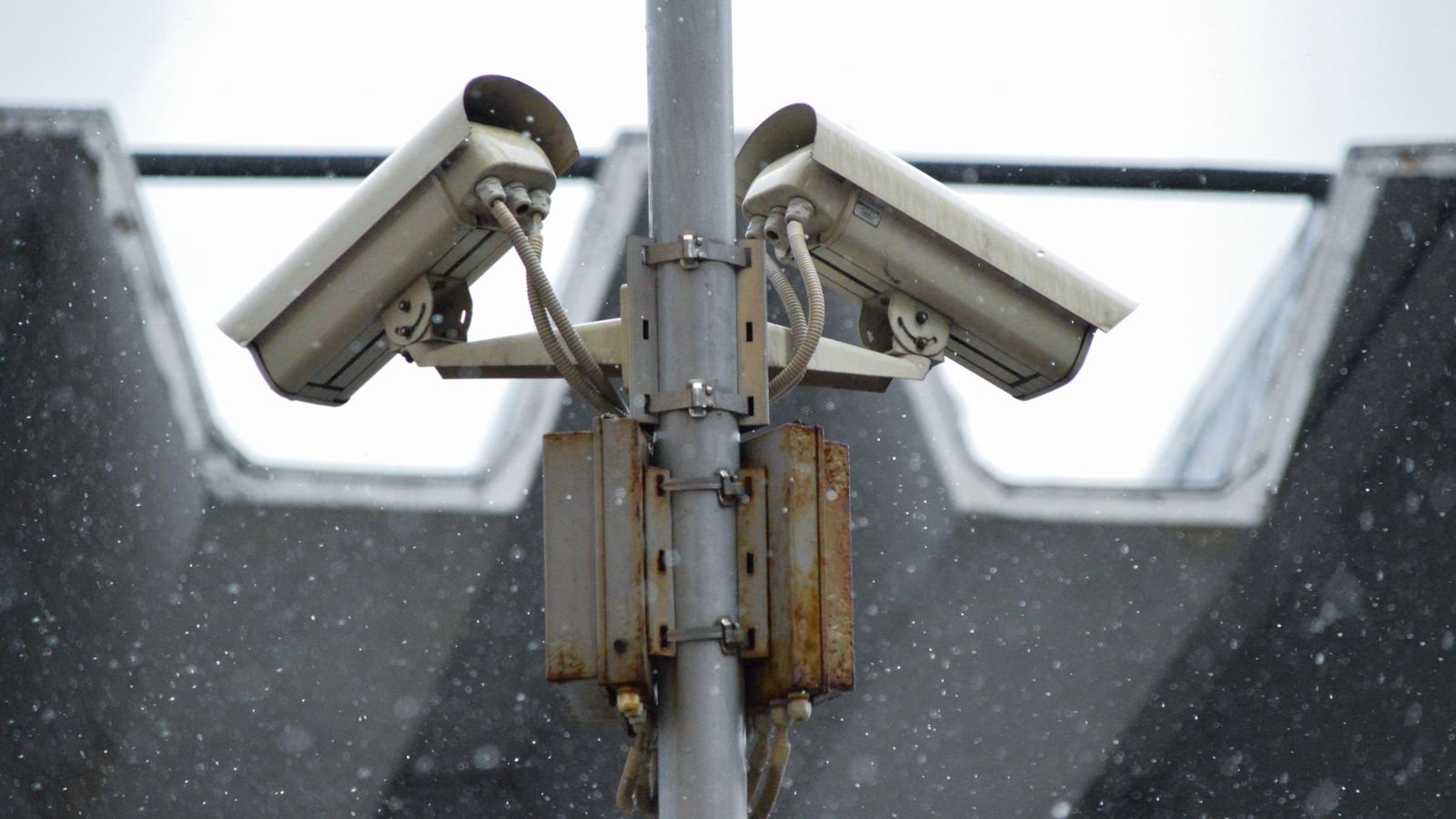
 A security camera that alerts you about everything is functionally identical to a camera that alerts you about nothing, because within a week you stop reading the notifications. Every passing car, every swaying branch, every cat crossing the drive fires a push alert, and the one time somebody actually walks up to your door the message is buried under forty others. Getting motion alerts right is not about turning sensitivity down until the noise stops — it is about telling the camera precisely where to look, what to look for, and when to bother you. This guide walks through configuring motion detection properly in a typical camera app.
Understand the Settings Before You Touch Them
Camera apps use slightly different names for the same handful of controls. Learn what each one actually does and the setup becomes straightforward.
- Sensitivity. How much pixel change is needed to count as motion. Higher catches more, including rain and shadows.
- Activity or detection zones. A mask you draw over the frame so only certain areas are monitored. The single most effective control available.
- Object detection. Filters events by what was seen — person, vehicle, animal, package. Cuts false alerts far more cleanly than sensitivity ever will.
- Cooldown or retrigger interval. How long the camera waits after one alert before sending another. Prevents a single visitor generating a dozen notifications.
- Schedules and modes. Rules that change behaviour by time of day or by whether anyone is home.
Step-by-Step: Configuring Motion Alerts
- Watch a full day of footage first. Before changing a single setting, review what the camera has been recording. You need to know what is actually triggering it — headlights sweeping a wall at night behaves very differently from a bush moving in wind, and each needs a different fix.
- Fix the framing before the software. If a third of the view is public pavement or a neighbour’s driveway, no amount of tuning will fully settle it. Angle the camera down so the frame is dominated by your own property, and crop out the road entirely where you can.
- Open motion detection settings and enable it. Find the section usually labelled motion, detection, or events. Confirm detection is switched on and that notifications for that camera are enabled both in the app and in your phone’s own notification settings — the phone-level toggle is a very common oversight.
- Draw your activity zone. Mask the frame so only the approach path, doorway, or driveway is monitored. Exclude roads, pavements, overhanging trees, and any neighbouring property. Keep the zone as tight as you can while still covering the full walk-up route, so an approaching visitor is detected early enough to be recorded properly.
- Turn on object detection if available. Set alerts for people, and add vehicles only if you genuinely want to know about them. Leaving animal and general motion detection recording but not alerting gives you the footage without the interruptions.
- Set sensitivity to medium and adjust from evidence. Start in the middle rather than at either extreme. Live with it for two days, review the missed and false events, then move it one step at a time. Never make a big adjustment and a zone change in the same session — you will not know which one worked.
- Configure the cooldown interval. A short interval on a busy front door produces alert storms. Lengthening it means one notification per visit rather than one per step. On a quiet side gate a shorter interval is fine.
- Add a schedule. Most people do not need doorstep alerts at three in the afternoon while they are at work and expecting deliveries, but do want everything overnight. Set the camera to record continuously but only push notifications during the hours you care about.
- Set up home and away modes. If the app supports geofencing, let it disable interior camera alerts when your phone is home and enable them when you leave. This alone eliminates most nuisance notifications for indoor cameras.
- Test deliberately and refine. Walk the approach path at normal speed from several directions, in daylight and after dark. Check the alert arrives promptly and that the clip starts early enough to show the person’s face rather than their back.
Taming Night-Time False Alerts
Darkness is where most alert problems live. Infrared illumination reflects off rain, snow, and spider webs, and every one of those looks like motion to a pixel-change algorithm. Practical fixes include moving the camera so the infrared emitters are not illuminating a nearby wall, fitting a small hood to keep rain off the lens, and clearing webs from the housing regularly — spiders are drawn to the warmth and the insects the infrared attracts. If your camera supports it, switching from infrared to a spotlight with colour night vision usually improves detection accuracy substantially, because object recognition works far better on a colour image than a monochrome one.
Alert Types Worth Configuring Separately
- Person alerts — push immediately, with sound. This is the one you must never miss.
- Package alerts — useful but not urgent. A silent notification is enough.
- Vehicle alerts — worth enabling on a driveway, worth disabling entirely if you overlook a road.
- Animal alerts — record but do not notify, unless you are specifically monitoring for wildlife or a pet.
- Line crossing or loitering — advanced features on some models that alert only when someone crosses a boundary or lingers, which is far more meaningful than raw motion.
Common Mistakes to Avoid
- Turning sensitivity to minimum. The alerts stop, but so does useful detection. You will miss real events.
- Drawing the zone too small. Detection needs a moment to trigger, so a zone that only covers the doorstep records people already arriving rather than approaching.
- Leaving notifications muted at the phone level. Perfect app configuration is useless if the operating system is silencing it.
- Ignoring the recording setting. Alerts and recording are separate. Record broadly, notify narrowly.
- Never revisiting the setup. Seasons change. A bare branch in winter becomes a full bush in summer, and a zone that worked perfectly in January will misbehave by June.
When the App Is the Limitation
Some cameras simply do not offer activity zones, object detection, or per-camera scheduling, and no amount of tuning will make basic pixel-change detection behave on a busy street frontage. If you have exhausted the settings and are still drowning in alerts, the hardware is the constraint rather than your configuration. Looking at the current best home security cameras with apps is worthwhile, focusing specifically on models with on-device person detection and fully customisable zones rather than headline resolution figures.
Frequently Asked Questions
Why do I get alerts with nothing visible in the clip?
Usually an insect crossing close to the lens, a spider web moving, or rapid light change from cloud or headlights. Tighten the activity zone, clean the housing, and enable person detection so pixel changes alone no longer trigger notifications.
Should I record everything or only motion events?
Record on motion for most homes — it saves storage and makes reviewing far quicker. Continuous recording is worth it only where you need an unbroken timeline, and it demands significantly more storage or upload bandwidth.
Why do alerts arrive several seconds late?
Delay comes from weak Wi-Fi at the camera, slow upload speed, or cloud processing time. Improving the signal at the camera position is usually the most effective fix, followed by reducing streamed resolution.
Can I get different alerts for different cameras?
Yes, in most apps. Per-camera settings let you push loud alerts from a front door camera while a garden camera merely records silently. Configure each one for its actual role rather than applying one profile everywhere.
Does object detection work without a subscription?
It depends on the model. Cameras that process detection on the device itself generally include it free, while cameras that send footage to the cloud for analysis usually gate it behind a plan. Check this before buying if subscription cost matters to you.
Final Thoughts
Well-tuned motion alerts turn a camera from background noise into something you genuinely trust. The order of operations matters: fix the framing, then draw a tight activity zone, then enable object filtering, and only then adjust sensitivity. Add a schedule so notifications match the hours you care about, and revisit the whole setup when the seasons change the view. Spend half an hour on this properly in 2026 and you will get an alert you actually read every time it appears, which is the entire point of owning the camera.