Owen Bradley
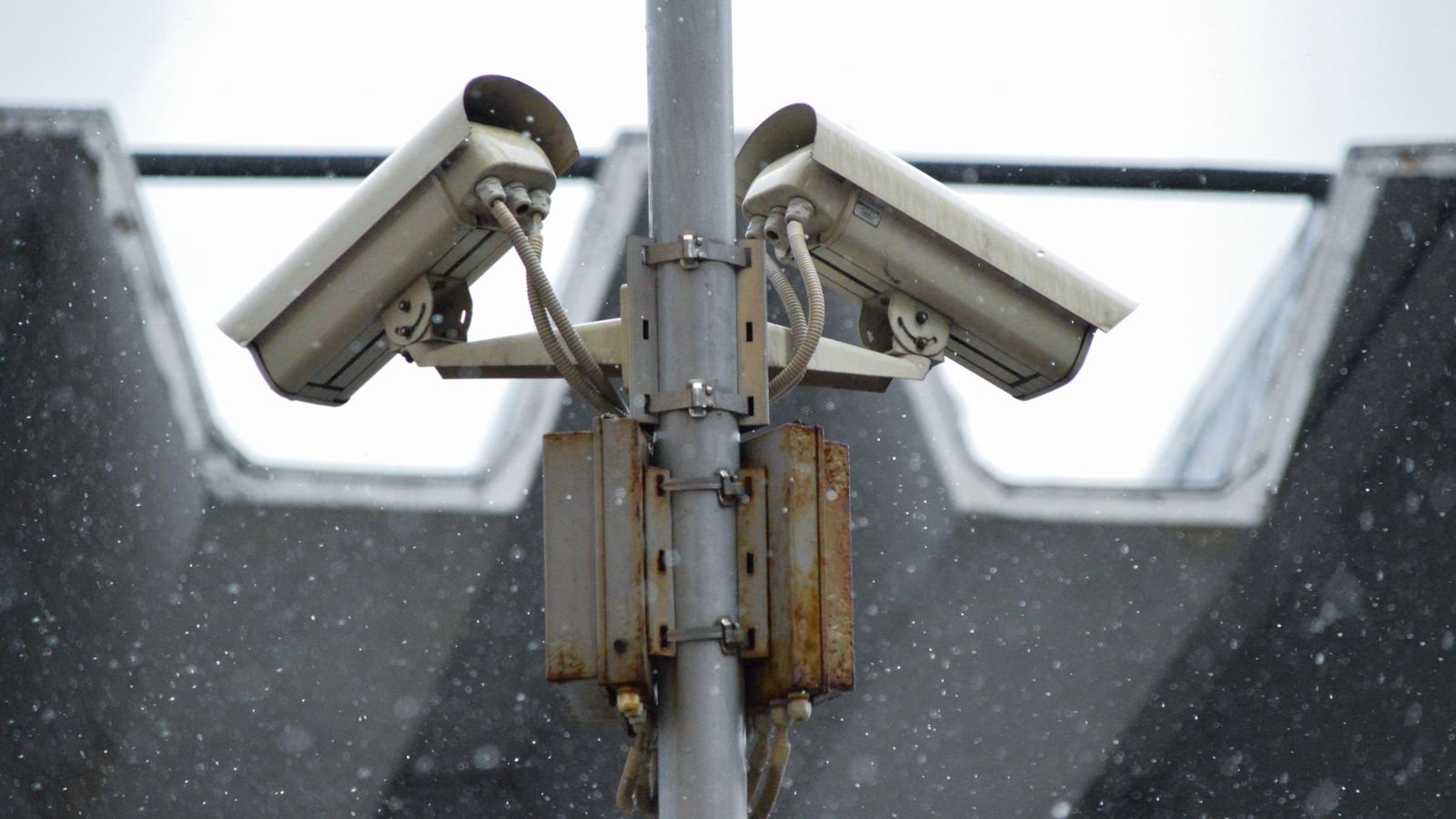
 A security camera with no storage plan is a live window, not a record. If nobody is watching at the moment something happens, the event is gone. Cloud storage solves that by keeping event clips off-site, where they survive the camera being stolen, smashed, or unplugged. It also introduces subscription costs, privacy considerations, and retention limits that are easy to misunderstand until you need footage that has already expired. This guide covers how to set up cloud storage for your security camera, from choosing a plan to configuring retention, sharing clips, and building a sensible hybrid setup with local backup.
Why Cloud Storage Instead of a Memory Card
Local storage on a microSD card or an NVR is cheap and works without internet. It has one glaring weakness: if a thief takes or destroys the camera, they take the evidence with it. That is not a theoretical concern, and it is the core argument for cloud storage.
- Off-site by definition. Footage uploads within seconds of the event, so it exists elsewhere before anyone can interfere with the camera.
- Accessible from anywhere. Review and download clips from a phone on the other side of the world.
- No hardware to fail. MicroSD cards in cameras endure constant write cycles and do eventually wear out, often silently.
- Easier sharing. A link to a clip is simple to hand to police or an insurer.
- Advanced processing. Person, vehicle, package, and familiar-face detection usually run in the cloud and are frequently gated behind the subscription.
The counterweights are ongoing cost, dependence on your internet connection, and the fact that your footage sits on someone else’s servers. If you are still choosing hardware, comparing the current field of best cloud security cameras is worthwhile, because the quality and price of a manufacturer’s cloud service varies far more between brands than the cameras themselves do.
Understand What You Are Buying
Cloud plans differ on several axes and the marketing rarely makes them clear. Check each of these before subscribing.
- Retention period. How many days of history you keep. Entry plans often hold a week or two; higher tiers hold a month or more. Once the window passes, footage is deleted permanently.
- Event clips versus continuous recording. Most plans store short clips triggered by motion. Continuous 24/7 cloud recording exists but costs considerably more and needs far more upload bandwidth.
- Per-camera versus unlimited pricing. A per-camera fee is fine for one or two units and expensive at six. Household plans covering unlimited cameras are usually better value beyond three.
- Feature gating. Person detection, activity zones, rich notifications, and clip download are often subscription-only. Free tiers may leave you with live view and nothing else.
- Clip length limits. Some plans cap clips at 20 or 60 seconds, which can cut off the important part of a longer incident.
- Download rights. Confirm you can export footage as a standard video file, not just view it in the app. This matters enormously if you ever need to hand it over.
Check Your Internet Connection First
Cloud storage is upload-bound, and home connections are usually asymmetric with far less upload than download. Each camera streaming clips at high resolution can consume 1 to 4 Mbps while uploading. Four cameras triggering at once on a 10 Mbps upload link will saturate it, which degrades video calls and slows everything else in the house.
Run a speed test and note the upload figure specifically. If it is under about 5 Mbps, plan on event-based recording only, consider lowering the cloud upload resolution where the app allows it, and stagger your activity zones so cameras are not all triggering on the same events. Continuous cloud recording realistically needs a fibre-class upload.
Step-by-Step Setup
- Confirm your camera is fully installed and online. A camera with a marginal Wi-Fi connection will fail uploads intermittently and produce gaps you will not notice until you need the footage.
- Create or sign in to your manufacturer account in the camera app. Use a strong, unique password. This account now guards your home footage.
- Enable two-factor authentication immediately. This is the single most important security step in the whole process and takes about a minute.
- Start the free trial before paying. Nearly every brand offers one. Use it to confirm the retention, clip length, and detection features genuinely match what you need.
- Choose your plan tier. Count your cameras and compare per-camera against unlimited pricing. Check whether an annual payment reduces the cost meaningfully.
- Assign cloud storage to specific cameras if the plan is per-device. You may reasonably put your front door on cloud and a low-risk garden camera on local storage only.
- Set the recording trigger. Event-based on motion or person detection is the sensible default. Enable person and vehicle filtering to avoid consuming retention on passing headlights.
- Configure activity zones. Exclude streets, pavements, and moving foliage. Every excluded false trigger is retention window you keep for real events.
- Set clip length and pre-roll. A few seconds of pre-roll before the trigger captures the approach, which is often the most identifiable moment.
- Verify the upload works. Walk in front of the camera, then check the clip appears in the cloud timeline within a minute. Do not assume it is working.
- Test download and sharing. Export one clip to your phone to confirm the file format and that the feature is included in your tier.
- Add a local backup where possible. A microSD card in the camera continues recording during internet outages and covers the gap cloud storage cannot.
Managing Retention So Footage Is There When You Need It
The most common cloud storage disappointment is discovering that the incident you want to review happened eighteen days ago on a fourteen-day plan. Retention is a rolling window and deletion is automatic and permanent.
Build a habit around this. Check your camera timeline weekly rather than only after something happens. Some incidents, especially package theft or minor vandalism, are not noticed for days. Download and save anything that looks even mildly significant, because a downloaded clip is yours forever while a cloud clip is on a countdown.
Many services offer favouriting or bookmarking, which exempts a clip from automatic deletion. Learn where that button is before you need it. If you are going away for an extended period, consider upgrading to a longer retention tier for the duration, since a two-week window will not cover a three-week trip.
Privacy and Account Security
Your footage is stored on infrastructure you do not control, so the account protecting it deserves genuine care.
- Unique password, stored in a password manager. Reused passwords are how camera accounts get compromised.
- Two-factor authentication on, always. Prefer an authenticator app over SMS.
- Review shared access periodically. Remove family members or former housemates who no longer need it.
- Check whether footage is encrypted at rest and in transit. End-to-end encryption is offered by some brands, though it sometimes disables cloud-side detection features.
- Read the data policy on third-party sharing. Understand under what circumstances the provider hands footage to others.
- Use privacy zones indoors. Mask areas you would rather never leave your home, and disable indoor cameras when you are present if that suits you.
Frequently Asked Questions
Do I need a subscription to use my security camera?
Not usually for live view, but most brands gate recording, activity zones, person detection, and clip download behind a plan. Check exactly what the free tier includes before buying, because a camera without recording is of limited use.
What happens to my footage if the internet goes out?
Cloud uploads stop and those events are lost unless the camera has local storage. A microSD card or an NVR covers outages, which is the main argument for running both.
How much upload bandwidth do I need?
Roughly 1 to 4 Mbps per camera during an upload burst for event clips. Continuous 24/7 cloud recording needs substantially more and is only practical on a fast symmetric connection.
Can I use a third-party cloud service instead of the manufacturer’s?
Sometimes. Cameras supporting open standards such as RTSP or ONVIF can feed independent platforms, which offers more control and often better pricing. Fully proprietary cameras generally lock you into their own service.
Is cloud footage admissible as evidence?
Generally yes, provided you can export the original file with intact timestamps. This is why confirming download rights on your plan matters. Save originals rather than screen recordings.
Final Thoughts
Cloud storage earns its subscription by putting your footage somewhere a thief cannot reach, and the setup itself takes only a few minutes. The decisions that matter are choosing a retention window that fits how quickly you actually notice incidents, filtering events tightly so the window is not consumed by passing cars, and securing the account with two-factor authentication. Pair the cloud plan with a local card in the camera and you cover both the stolen-camera scenario and the internet-outage scenario, which is as close to comprehensive as home camera storage gets.