Owen Bradley
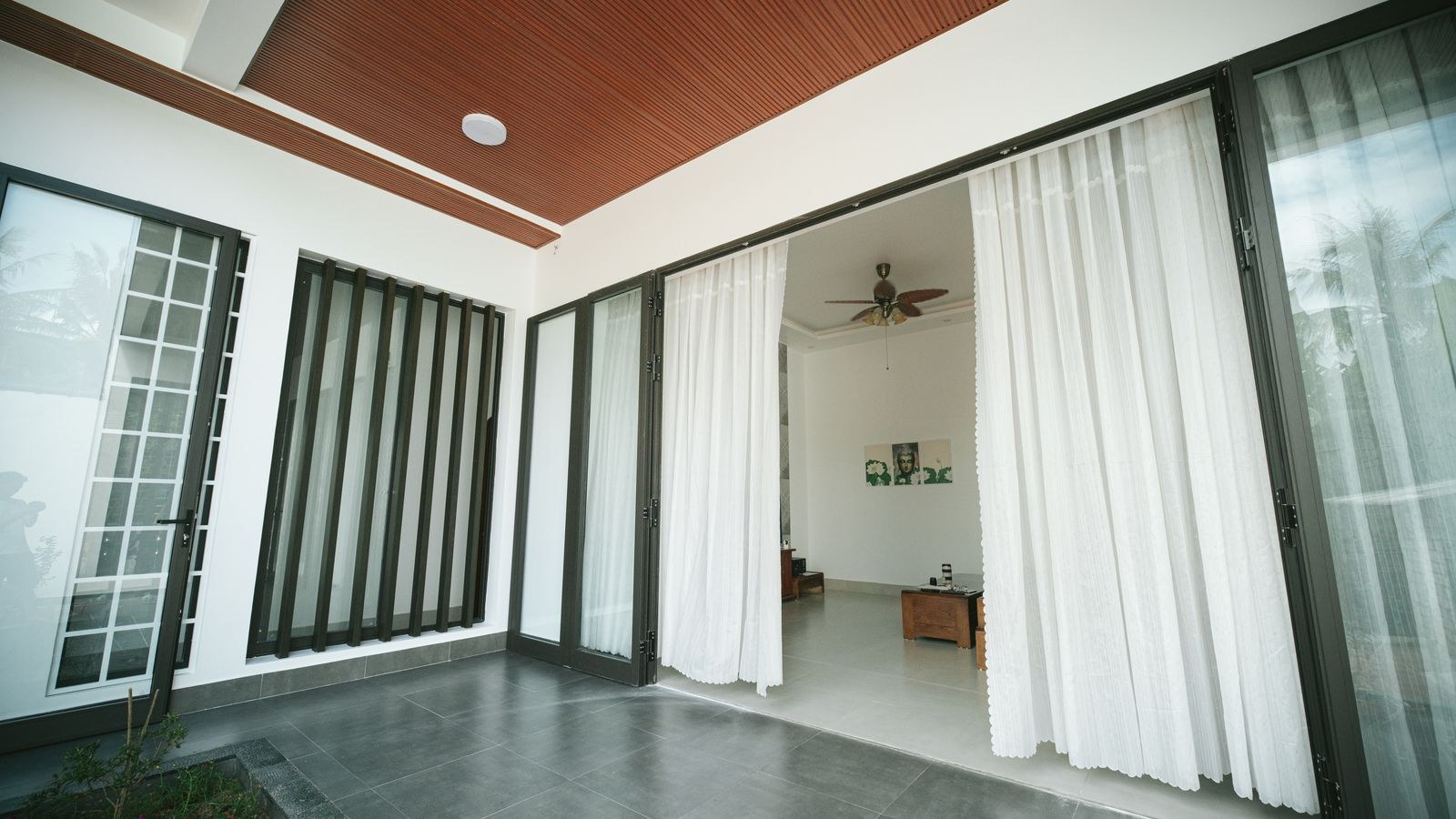
 Sliding glass doors are the weakest large opening in most houses. They are wide, they face the back yard where nobody can see, they sit in a shallow track, and the factory latch is usually a small hook of pot metal that flexes under a firm shove. Burglars know this, which is why patio doors show up disproportionately in back-of-house entries. The reassuring part is that securing sliding glass doors is cheap, mostly tool-free, and produces a bigger improvement per dollar than almost any other home security upgrade. This guide ranks the fixes by how much time each one buys you and walks through installing them in order.
Why the Standard Latch Fails
Understanding the failure modes tells you which fixes matter. A sliding door can be defeated three ways. First, the latch itself: most are a spring-loaded hook catching a thin strike in the frame, and a hard jolt or a pry bar at the handle pops it. Second, lifting: the moving panel rides on rollers with vertical clearance, so an intruder can lift the panel up and out of the track entirely, latch still engaged. Third, the glass, which on older doors may not be tempered or laminated and breaks into a large opening.
Any serious plan addresses all three. A track bar stops sliding, a set of anti-lift screws or pins stops lifting, and film or an alarm covers the glass. Doing only one leaves an obvious path open.
Tools and Materials to Gather
- Tape measure for the track length and the panel overlap.
- Drill with a 1/8-inch bit and a Phillips driver for pins and auxiliary locks.
- Adjustable security bar sized to your track, or a length of hardwood dowel cut to fit.
- Pan-head screws for the anti-lift adjustment in the upper track.
- Silicone spray or dry lubricant and a vacuum for cleaning the track.
- Security film, a squeegee and a spray bottle if you are treating the glass.
- Contact or shock alarm sensors plus adhesive wipes for the surface prep.
Step-by-Step: Layering the Defences
- Clean and inspect the track first. Vacuum out the grit, then slide the panel back and forth. If it drags, the rollers are worn and the door sits low, which makes it easier to lift and harder to latch fully. Adjust the roller screws at the bottom edge of the panel until the door glides and the latch engages with no lifting or pushing. Every measure below assumes a door that actually closes properly.
- Drop a bar into the lower track. This is the highest-value five minutes in the whole project. Measure from the frame to the closed panel edge, then set an adjustable bar to that length so there is no slack. The bar must sit low in the track and be rigid, not a telescoping tube that collapses under pressure. A hardwood dowel cut to the exact gap works just as well and costs a few dollars. Test it by shoving the door hard; a correctly sized bar allows almost no travel.
- Stop the lift with track screws or pins. Drive two or three pan-head screws into the upper track above the moving panel, leaving the heads protruding just enough that the panel clears them by a few millimetres. The panel now slides freely but cannot rise high enough to come out. Alternatively, drill a small hole through the interior frame of both panels where they overlap and insert a removable pin, which locks the door in place from the inside and can be reused for a ventilation position a few inches open.
- Add an auxiliary lock at the top of the frame. Factory latches sit at the middle. A second lock high on the fixed panel spreads the load and defeats the flexing attack, because prying now has to defeat two points at opposite ends of the panel. Look for surface-mounted latch options rated for patio doors rather than generic sash locks. Guides to the best security locks and the broader best door locks for home security comparison cover which mechanisms hold up to prying and which are cosmetic.
- Treat the glass so it does not become a doorway. Security film applied to the interior surface holds shattered glass in the frame, turning a two-second break into a noisy, sustained effort. Clean the glass thoroughly, spray it with soapy water, lay the film, and squeegee from the centre outward. Film rated 8 mil or thicker is the practical entry point; thinner decorative film does nothing structurally. Applying film to the edges as well as the face improves how much force it resists.
- Fit an alarm on the panel itself. A contact sensor on the moving panel triggers if the door opens; a shock or glass-break sensor triggers if the pane is struck. Both are worth having, since a determined entry may bypass the first. Mount the contact sensor on the interior frame at the top where the alignment gap stays consistent, and clean both surfaces with alcohol before pressing the adhesive down. Our comparison of the best door alarms covers standalone chimes as well as connected units, while the best window alarms roundup is the right reference for shock and vibration sensors on the glass panel.
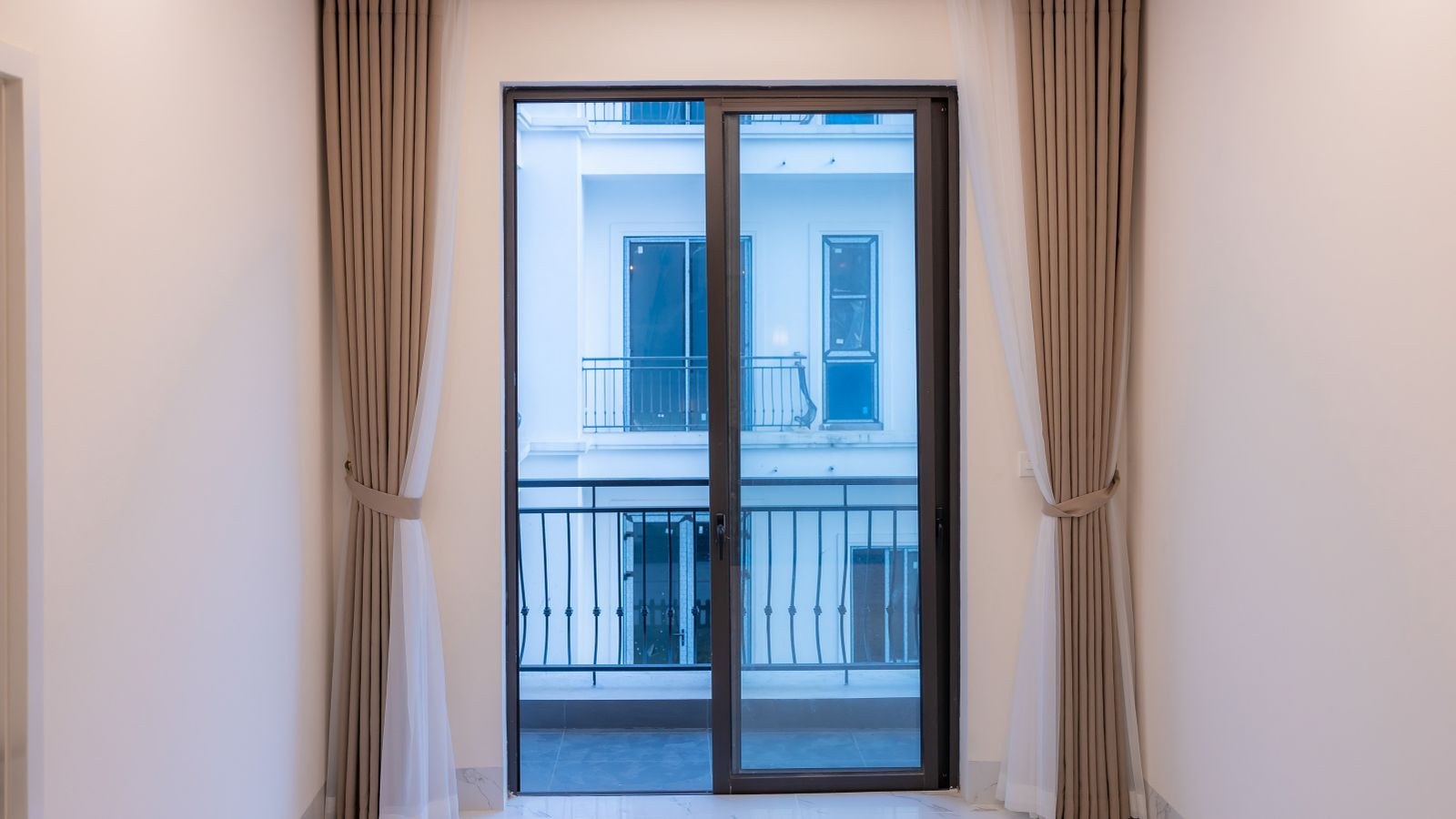
- Kill the sightline. Curtains, a blind or a frosted lower band on the glass all remove the ability to survey your living room from the yard. Most patio-door entries start with someone confirming there is something worth taking. Leave the covering closed when the room is empty, especially overnight.
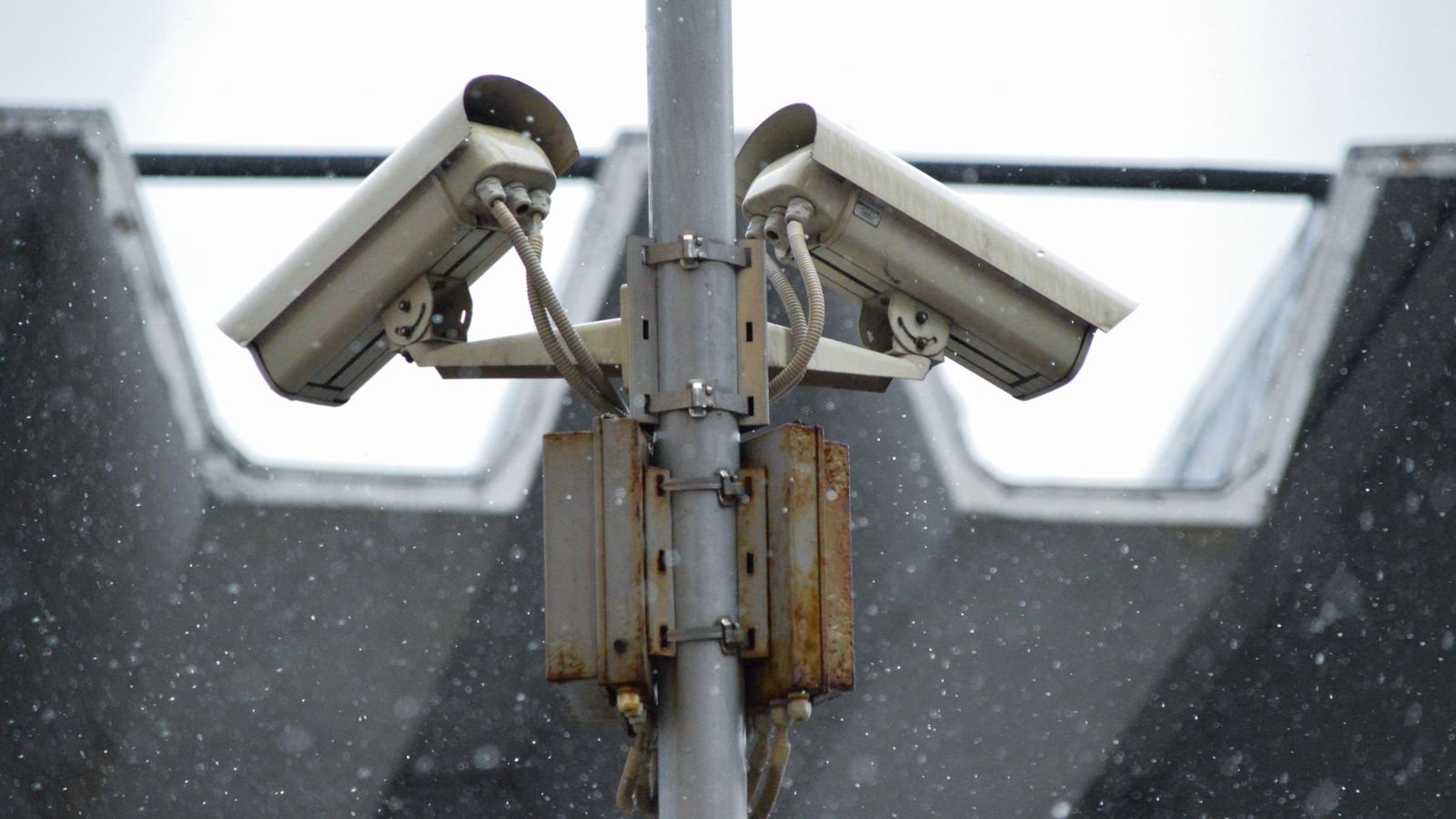
- Light and watch the approach. A motion-activated light over the patio plus a camera angled along the door, not straight at it, means anyone testing the handle is recorded from the side with a usable face. If you want the door alarm to reach a monitoring service rather than just chime locally, integrating it into one of the full home security systems ties the sensor, the camera and the notification together.

Ranking the Fixes by Time Bought
If you can only do part of this list, do it in this order. A correctly sized track bar buys the most time for the least money and effort. Anti-lift screws come second, because they close the attack the bar does not cover. An auxiliary top lock is third, defeating the pry-and-flex approach. Security film is fourth, expensive in effort but the only thing that addresses the glass. Alarms and cameras are last in sequence but not in value, since they convert a delay into a response.
Notice that the first three cost under $50 combined and take an afternoon. That combination alone moves a patio door from the easiest entry in the house to one of the more troublesome.
Safety Notes Before You Drill
Never install anything that prevents the door from opening from the inside without a tool or a key you cannot reach in the dark. A patio door is often a secondary fire exit, and a pin you cannot remove in a smoke-filled room is a hazard, not a security measure. Removable pins and drop bars are safe; permanently screwing the panel shut is not.
When drilling the frame, check for the glazing edge and any weep holes that drain rainwater from the track. Blocking a weep hole causes water to pool and rot the sill. Drill only through the interior frame flange, keep the bit shallow, and wear eye protection since aluminium chips fly.
Troubleshooting
If the door will not latch after adjusting the rollers, the panel is probably out of square. Loosen both roller screws, lift the panel slightly, and retighten evenly rather than adjusting one side alone. If a contact sensor chirps intermittently, the magnet gap is too wide; most units want under half an inch, and a shim behind the magnet fixes it.
If security film shows bubbles a day after installation, small water pockets usually clear within two weeks as they evaporate. Large bubbles or lifted edges mean the surface was not clean enough and the panel needs redoing. If the drop bar rattles, it is too short for the gap and needs replacing with one that fits snugly.
Common Mistakes to Avoid
The most common mistake is trusting a broomstick in the track. A round stick rolls, slips out of position and can be shaken loose by rocking the door. Use a flat-bottomed bar or a dowel cut to fit tightly. The second is relying on the factory latch after adding a bar, without ever addressing the lift path, which leaves the panel removable.
Others worth naming: applying thin decorative film and believing it is security film, mounting an alarm sensor on the fixed panel where movement never registers, and leaving the exterior sightline wide open so all this hardware sits on display for anyone planning an approach.
Frequently Asked Questions
Is a track bar enough on its own?
It is the best single measure but not sufficient alone, because it does not stop the panel being lifted out of the track. Pair it with anti-lift screws and the pair covers both main attacks.
Does security film stop the glass breaking?
No. The glass still breaks, but the film holds the fragments together so the opening does not clear. That turns a quick, quiet entry into a loud, repeated effort, which is usually enough to end the attempt.
Can I still leave the door open for airflow?
Yes. Drill a second pin hole at a four-inch opening, or use a bar sized for that gap. The door ventilates while remaining locked in position.
Are smart locks available for sliding doors?
Some patio-specific keyless latches exist, but the selection is far narrower than for hinged doors. For most households, mechanical reinforcement plus a sensor is the more reliable combination.
Final Thoughts
A sliding glass door does not need to be the soft spot in your house. Get the panel gliding properly, drop a snug bar in the track, add anti-lift screws, fit a second lock high on the frame, and you have already defeated the three attacks that make patio doors attractive. Film the glass and add a contact or shock sensor and the door goes from an opportunity to a problem nobody wants to spend time on. Work through the list in order, keep the interior release accessible for fire safety, and the whole project is one afternoon of work that keeps paying off well beyond 2026.