Owen Bradley
 Pet odor in carpet has a frustrating habit of coming back. You clean the spot, the room smells fine for a week, then the first humid day arrives and the smell returns as if nothing happened. That is not bad luck and it is not a weak product. It happens because urine soaks past the carpet face into the backing and the pad underneath, where ordinary detergents never reach, and because the odor compounds left behind reactivate when humidity rises. Removing the smell permanently means treating the full depth of the contamination with the right chemistry and giving it enough time to finish the job. This guide covers how to remove pet odor from carpet properly, from finding hidden spots to treating the pad and preventing repeat accidents.
Why Pet Odor Keeps Coming Back
Urine is not a single substance. It contains urea, uric acid salts, bacteria, and various organic compounds. Most of it rinses away with water, but uric acid crystals bond tightly to fibers and are not water soluble in the way the rest is. They sit there, invisible and largely odorless when dry, and release smell whenever moisture in the air dissolves them again. That is the humidity effect people notice.
Bacteria compound the problem by feeding on the organic material and producing ammonia and sulfur compounds. Meanwhile, gravity means the liquid spread outward and downward, so what you see as a six-inch mark on the surface is often a twelve-inch stain on the underside of the carpet and a larger circle in the pad. Any treatment that only addresses the visible patch is treating about a third of the problem.
What You Need
- An enzyme cleaner formulated for pet urine. This is the one non-negotiable item.
- A UV blacklight to find spots you cannot see in daylight.
- White cotton towels or paper towels for blotting.
- A wet/dry vacuum or carpet extractor for water rinsing and extraction.
- Baking soda for a light finishing deodorize on the surface.
- Plastic sheeting to slow evaporation while the enzymes work.
- Rubber gloves and fans for ventilation.
Two products to avoid at this stage: ammonia-based cleaners, which smell like urine to a dog and actively encourage repeat marking, and steam or hot water on an untreated spot, which can set the proteins and lock the odor into the fiber permanently.
How to Remove Pet Odor From Carpet Step by Step
- Find every affected spot. Darken the room and sweep a UV light slowly across the carpet. Dried urine fluoresces a dull yellow-green. Mark each spot with tape or a light object, and check the perimeter of the room, along baseboards, and behind furniture, since those are favorite locations. Expect to find more than you thought.
- Blot fresh accidents immediately. If the spot is still wet, press a thick stack of paper towels down with your body weight and repeat with dry layers until almost nothing transfers. Removing liquid now is worth an hour of treatment later. Never rub, which drives it deeper and distorts the pile.
- Rinse older spots with cool water first. Pour a modest amount of cool water on a dried spot and extract it with a wet vacuum. This dilutes salts and opens the fibers so the enzyme product can reach them. Skip hot water entirely.
- Saturate generously with enzyme cleaner. This is where most people fail. The product must reach as far as the urine did, which means using far more than feels sensible, roughly enough to wet the pad beneath. For a spot the size of a dinner plate, expect to use a cup or more of solution.
- Cover the area and let it dwell. Lay plastic sheeting over the treated spot so it stays damp. Enzymes need moisture and time to break down uric acid, typically several hours and ideally overnight. Drying out early stops the reaction before it finishes.
- Remove the plastic and let it air dry fully. Uncover, then dry the area with fans and a dehumidifier. Do not extract immediately after treatment, since pulling the enzymes out early cuts the working time short.
- Extract with clean water once dry. After the treatment has completed and dried, rinse the area with plain water and extract thoroughly to remove residue. Avoid detergent here, because leftover surfactant attracts soil to a spot that is already vulnerable.
- Sprinkle baking soda on the surface. Once the carpet is fully dry, dust the area lightly, leave it for several hours or overnight, then vacuum it up. This handles residual surface odor rather than the source, which is why it comes last.
- Assess and repeat if needed. Deep or repeated accidents commonly need two or even three enzyme treatments. Do the smell check on a warm, humid day or after briefly dampening the area, since that is when residual odor announces itself.
When the Pad and Subfloor Are Involved
If a spot has been soaked repeatedly or was left untreated for months, the pad has likely absorbed a large volume and may be holding more contamination than the carpet above it. Signs include a smell that returns quickly after every treatment, a stain visibly larger on the back of the carpet than on the face, and a crunchy or stiff feel to the pad when you press down.
In that case, the practical fix is to lift the carpet in that area, cut out and replace the affected pad section, seal the subfloor with a shellac-based or urethane primer to lock in any absorbed odor, and lay fresh pad before re-stretching the carpet. It sounds drastic, but no amount of surface cleaning will beat a saturated pad, and people often spend months and considerable money on products before accepting that.
Common Mistakes That Make Odor Worse
- Using ammonia or ammonia-containing glass cleaner. It mimics the scent of urine and invites repeat marking on the same spot.
- Applying heat before treatment. Steam cleaning an untreated stain can permanently bond proteins to the fiber.
- Under-applying the enzyme cleaner. A light spray treats the top of the pile and none of the actual source.
- Letting the treatment dry too fast. Enzymes are living chemistry and need hours of moist contact time.
- Masking with scented sprays. Fragrance layered over urine produces a distinctive smell that is worse than either alone.
- Scrubbing hard. It frays the pile and spreads the contamination outward into clean carpet.
Preventing the Next Accident
Odor removal works best alongside behavior work. Clean every spot completely, since any remaining scent marks the location as an approved bathroom. Rule out medical causes with a vet if an adult pet suddenly starts having accidents indoors, because urinary infections and kidney issues are common triggers. Increase outdoor breaks for young or elderly animals, and consider a waterproof rug or washable mat in the spot your pet favors while the habit is being retrained.
Airborne odor management helps in the meantime. Good ventilation, moderate indoor humidity, and air filtration all reduce how strongly residual smells register. A capable filter also captures the dander and hair that carry odor around the room, which is why our comparison of the best room air purifiers for allergies is a useful companion to any deep cleaning effort in a pet household.
Routine Cleaning That Keeps Odor Down
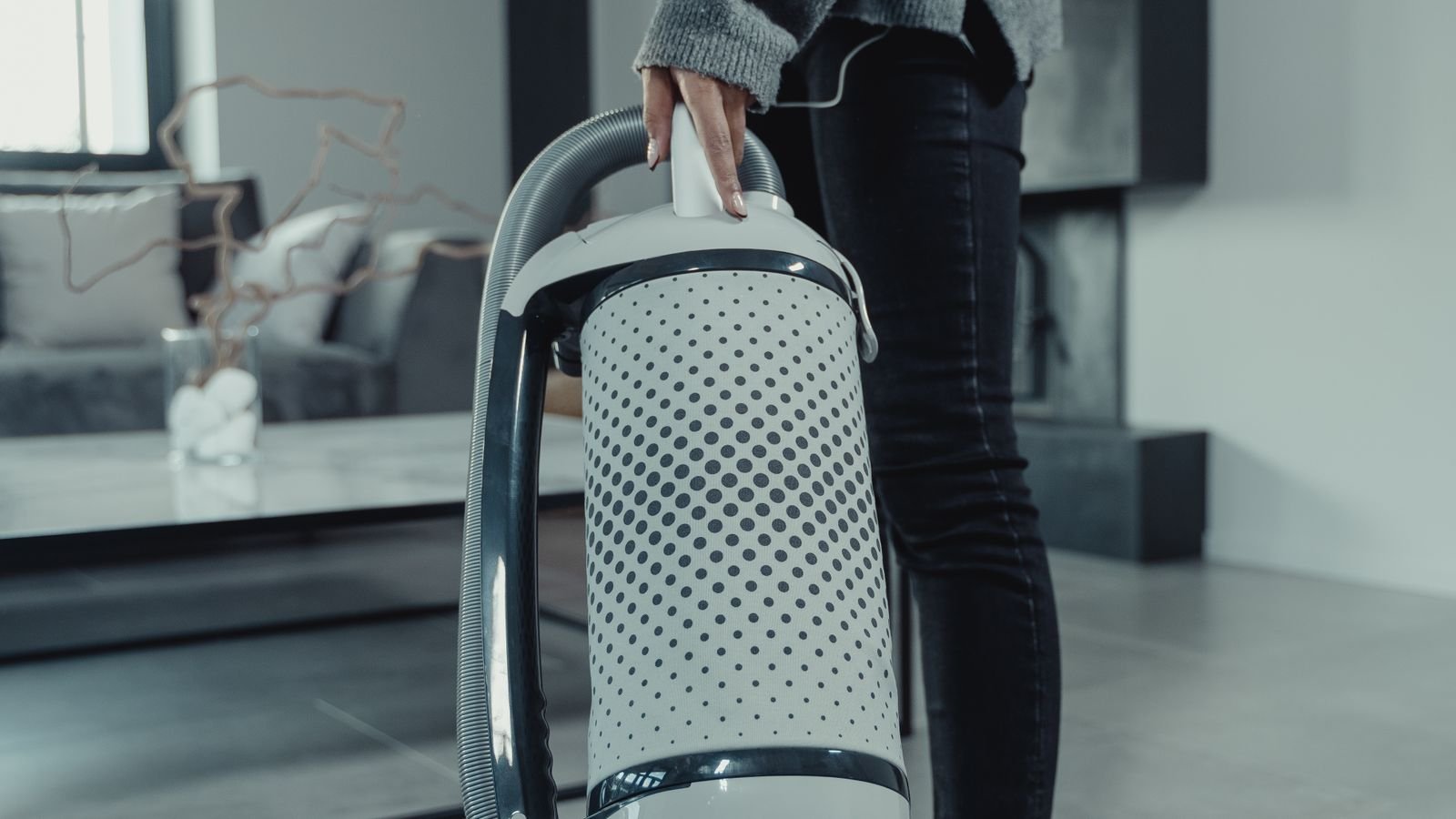
Hair and dander trapped in the pile hold odor and block cleaning solutions from reaching the fibers below, so regular vacuuming is genuinely part of odor control rather than a separate chore. Vacuum high-traffic and pet-favored areas two or three times a week with a machine that can pull embedded hair out of the base of the pile, and empty the bin outside so you are not redistributing the smell.
If your vacuum tangles or leaves hair woven into the carpet, our step-by-step on how to remove pet hair from carpet covers the tools and technique that actually work. For equipment upgrades, the roundup of the best pet vacuums compares tangle-free brush rolls and sealed filtration, while the list of the best vacuum cleaners for dog hair narrows it to models built for heavy shedders. When you are ready to deep clean the whole room rather than spot treat, the guide to the best vacuum carpet cleaners covers extractors with the suction needed to pull treatment solution back out of the pad.
Frequently Asked Questions
Does vinegar remove pet odor from carpet?
Vinegar neutralizes some ammonia smell temporarily but does not break down uric acid crystals, so the odor returns. Use it at most as a first rinse, then follow with a proper enzyme cleaner.
How long should an enzyme cleaner sit?
Several hours at minimum, and overnight for older or heavy spots. Keep the area damp with plastic sheeting so the enzymes stay active for the full period.
Can I steam clean a urine spot?
Not before treating it. Heat can set the proteins and make odor permanent. Treat with enzymes first, let it dry, then extract with cool or warm water if needed.
Why does the smell only appear in summer?
Humidity dissolves uric acid crystals left in the fibers and releases the odor again. A smell that is seasonal is a reliable sign the source was never fully removed.
Final Thoughts
Beating pet odor is about depth and patience rather than product strength. Find every spot with a UV light, dilute and extract older stains before treating, then saturate with an enzyme cleaner far more heavily than instinct suggests and keep it damp for hours so the chemistry can finish. Rinse with plain water only, dry with real airflow, and repeat where necessary. Skip ammonia, skip heat on untreated spots, and be honest about when a saturated pad needs replacing rather than another round of cleaning. Pair that with consistent vacuuming and good air movement, and the smell stops returning with the weather.