Owen Bradley
 You punch in the code, the keypad stays dark, and the passports you need in an hour are sitting behind two inches of steel. A dead battery is the single most common reason an electronic safe refuses to open, and the good news is that it is almost never a real emergency. Manufacturers know cells die, so nearly every consumer safe includes at least one bypass route: an external jump terminal, a hidden key override, or a battery compartment you can reach from the outside. This guide walks through each option in order of least effort, explains how to tell a flat battery from an actual fault, and shows how to make sure it never catches you out again.
Confirm the Battery Is Really the Problem
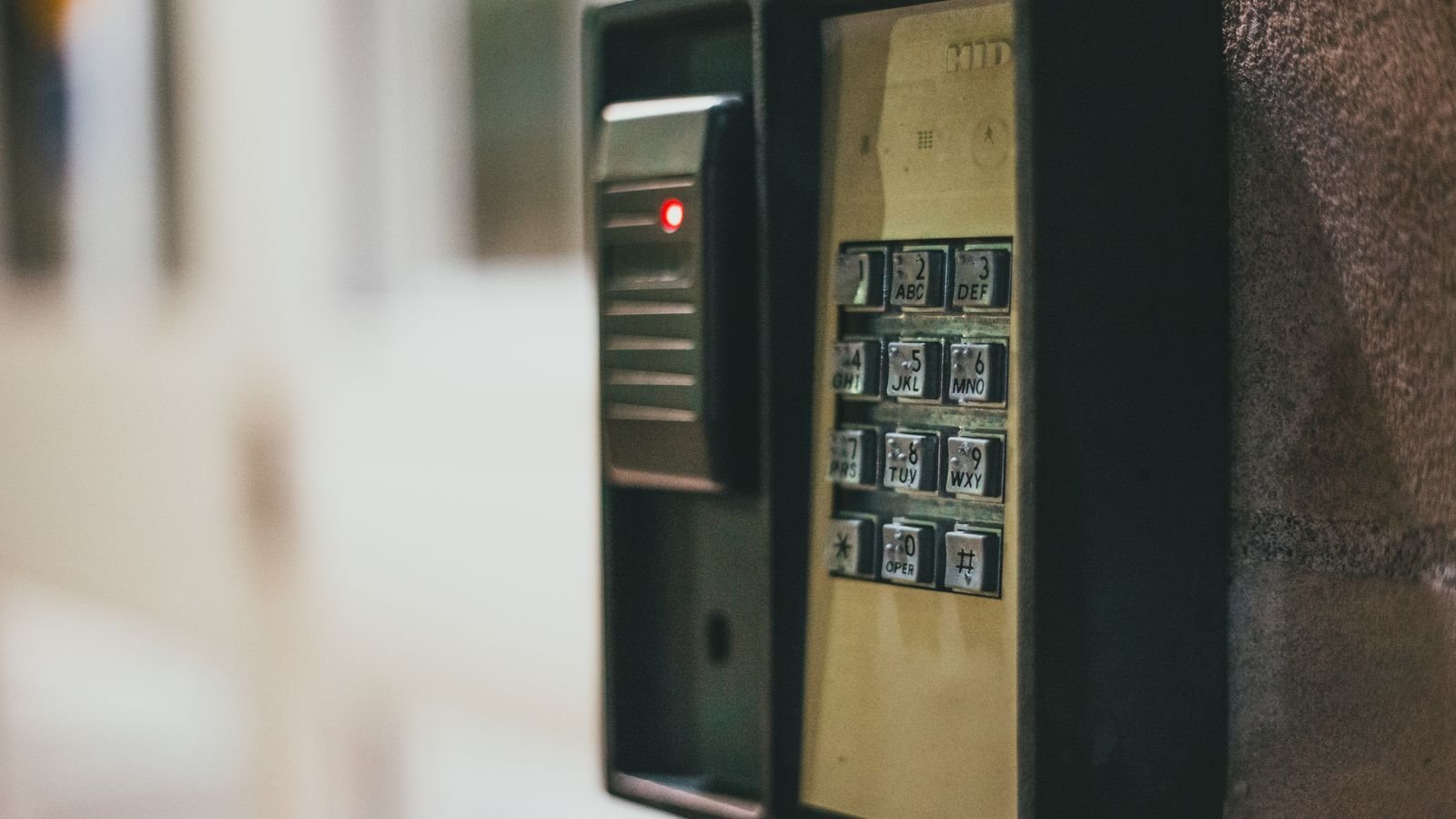
Before you start prying at panels, read the symptoms. A completely dead keypad with no lights and no beeps points squarely at power. A keypad that lights up and beeps but does not retract the bolts is the classic sign of a weak battery: there is enough voltage for the electronics but not enough for the motor. A rapid series of beeps or a flashing red light on entry is usually the deliberate low-battery warning.
By contrast, a keypad that accepts the code, beeps correctly and clearly runs the motor while the door stays shut is a mechanical problem, not an electrical one. That normally means the bolts are binding because something inside has shifted against the door, or because the handle is under load. Push the door inward while entering the code and try again before assuming the battery is at fault.
What You May Need on Hand
- Fresh alkaline AA or 9V batteries, matching whatever your model uses. Buy a fresh pack rather than raiding the TV remote, since partially used cells often will not have the current to drive the bolt motor.
- The override key, if your safe has one. It is usually a flat tubular or barrel key supplied in a small envelope with the manual.
- A small flat screwdriver or plastic pry tool to lift the keypad fascia or a badge cover without scratching it.
- A torch to see into recessed key cylinders and terminal contacts.
- The model number, which you will need if you end up calling the manufacturer.
Step-by-Step: Getting the Door Open
- Try the external jump terminals first. Many keypads have two small metal contacts on the underside or front face, sometimes behind a rubber flap. Hold a fresh 9V battery against them with the correct polarity, keep it pressed there, and enter your code with your free hand. The lock draws power directly from the cell and opens.
- Look for an external battery compartment. On a large share of home safes the keypad fascia rotates or slides off, revealing the battery holder on the outside of the door. Turn the panel anticlockwise or lift it from the bottom edge, swap the cells for fresh ones, refit the panel and enter the code.
- Use the override key. Find the concealed cylinder, which is normally hidden behind the manufacturer badge, under a flip-down cap on the keypad, or behind a small plastic plug on the door face. Pop the cover with a fingernail or plastic tool, insert the key, and turn while pulling the handle. On many models the key turns the bolts directly; on others it must be turned and held while you rotate the handle.
- Check for a hidden emergency panel. Some designs place a small removable plate on the door edge or the underside of the cabinet, behind which sits a battery pack or a manual release lever.
- Once the door is open, replace the internal batteries immediately. Do not close the door again until fresh cells are in and you have tested the code twice with the door still swung open.
- Test the code a third time from the outside with the door closed, so you leave the job knowing the lock is genuinely working rather than hoping.
If You Cannot Find the Override Key
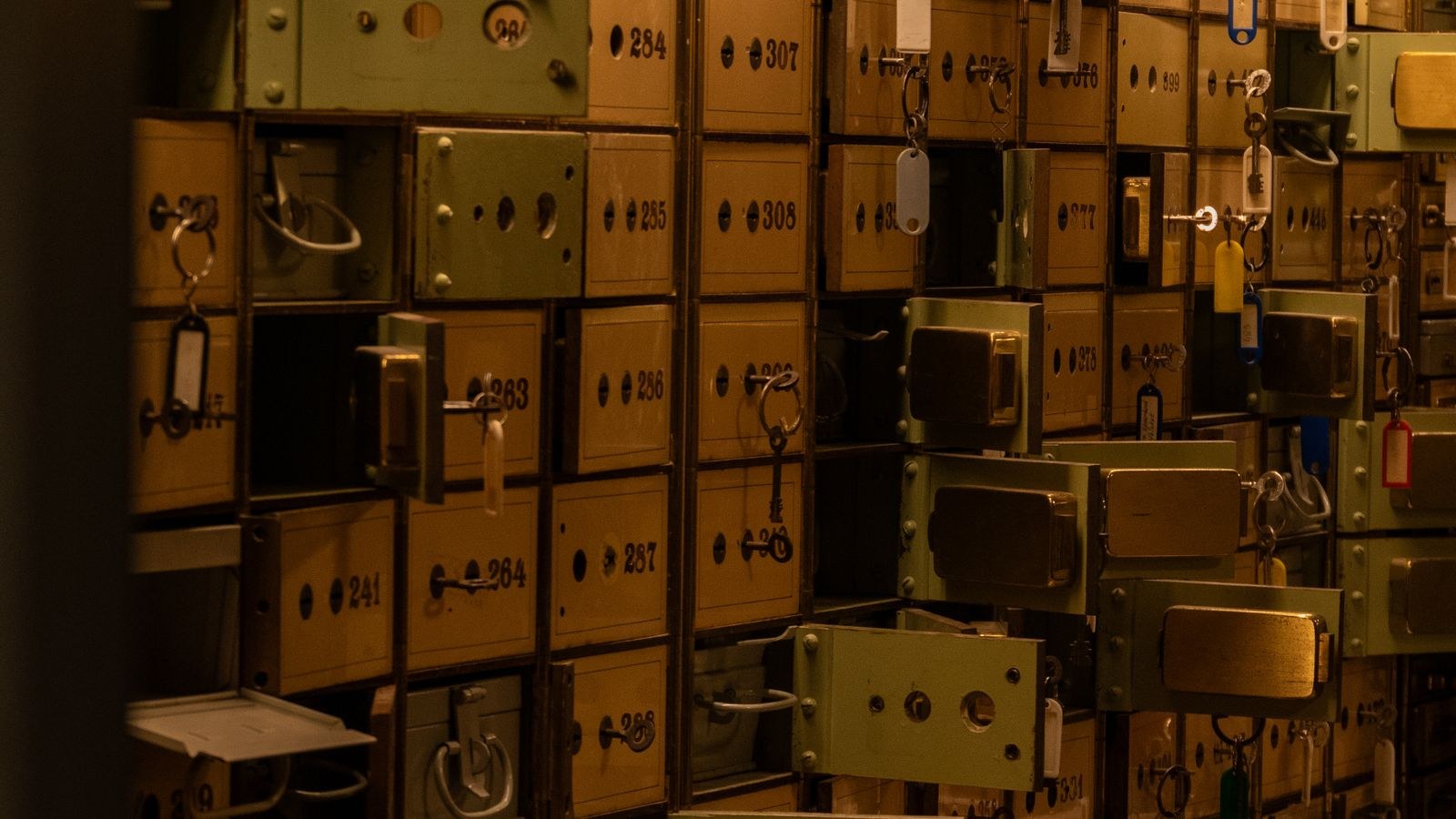
Lost keys are common, because they are typically stored somewhere sensible right up until they are not. Start by searching the original packaging, the manual envelope, and any household key drawer. If they are genuinely gone, most manufacturers will cut replacements against a key code stamped on the lock cylinder or printed in the paperwork, usually on proof of ownership and for a modest fee. Expect to wait several days.
A safe technician can also open the lock non-destructively in many cases, which costs more than a replacement key but far less than a drilled door. Avoid the temptation to attack the hinges or the seams yourself. Modern safes use internal relockers that fire when the door is attacked, converting a solvable problem into an expensive one. Once you have recovered your contents, it is worth reviewing whether the model suits your needs at all; the units in our roundup of the best fingerprint safes vary a great deal in how accessible their bypass features are.
Safety and Damage Precautions
Observe polarity carefully when using jump terminals. Reversing a 9V cell across the contacts can damage the lock board on some models, which turns a five-minute fix into a replacement lock. If the terminals are unlabelled, check the manual rather than guessing.
Do not force the override key. These cylinders are small and the keys are soft, so a snapped key inside the lock is a real risk. If the key will not turn, the bolts are probably under load: press the door inward or lift the handle slightly to take pressure off the mechanism, then try again with gentle, steady pressure.
Finally, resist the widely circulated advice about striking the safe on the top or side to jar the lock open. It sometimes works on the cheapest units, which tells you something about their security, but on a fire-rated safe it can crack the insulating layer and it will not help a genuine electronic failure.
Choosing and Replacing Batteries Properly
Use good quality alkaline cells and replace all of them at the same time. Mixing an old cell with a new one drags the whole set down, since the weakest cell limits the current available. Lithium AA cells last longer and cope better with cold, which matters if the safe lives in a garage or basement, though not every lock board is rated for them.
Rechargeable NiMH cells are a poor choice here. They sit at a lower nominal voltage, so the safe may report low battery almost immediately and the bolt motor may struggle. Whatever you fit, note the date on a small label inside the door and swap the set annually regardless of whether a warning has appeared. Batteries in a rarely opened safe self-discharge quietly, and the first sign of trouble is often no sign at all.

Preventing a Repeat Lockout
Three habits eliminate this problem almost entirely. First, put a recurring annual reminder in your calendar to change the cells, ideally tied to another household task such as testing smoke alarms so it actually happens. Second, keep one override key inside the house but well away from the safe, and a second key with a trusted relative or in a bank box. Third, open the safe at least once a month even when you do not need anything, because a lock that is exercised regularly gives you early warning of a fading battery through slower bolt travel.
It is also worth keeping a spare 9V battery taped inside a nearby cupboard purely for jump-starting. If your household relies heavily on one safe for cash and documents, consider whether a second smaller unit or a mechanical dial lock elsewhere would give you redundancy; the options in our guide to the best safes for cash include both electronic and key-only designs.
Common Mistakes
The most frequent error is ignoring the low-battery warning for weeks. That warning exists precisely to give you a comfortable window, and it typically means only a handful of openings remain.
The second is storing the override keys inside the safe itself, which sounds absurd until you realise how many people do it after mislaying them once. The third is using cheap or part-used batteries, which produces intermittent behaviour that is easily mistaken for a lock fault. The fourth is closing the door mid-diagnosis, which removes every easy option you had. And the fifth is attempting to drill or lever the door, which usually costs more than a technician and destroys the fire seal on rated models such as those covered in our list of the best fireproof safes.
Troubleshooting
Fresh batteries fitted and it still will not open
Check the battery holder contacts for corrosion or a loose wire, which is common if an old cell leaked. Clean the contacts with a dry cloth and confirm the connector is fully seated on the lock board.
The keypad works but beeps three times and stops
That is usually a wrong-code lockout rather than a power issue. Wait out the penalty period of a few minutes without pressing anything, then enter the code once, slowly and deliberately.
The override key turns but the handle will not move
Something inside is pressing against the door, or the safe has shifted on an uneven floor. Press the door firmly inward while turning the key and handle together.
Frequently Asked Questions
How long do safe batteries normally last?
Roughly one to two years in typical household use, less if the safe is opened daily or lives somewhere cold. Annual replacement is the simplest reliable policy.
Does the code get erased when the battery dies?
No. Codes are held in non-volatile memory and survive complete power loss on essentially all modern safes. If yours reverts to the factory default, that is a fault worth reporting.
Can I fit an external power supply permanently?
A few models accept a low-voltage adapter, but most do not, and a mains-powered lock fails during a power cut anyway. Fresh batteries plus a jump terminal is the more dependable arrangement.
Is a key-only safe a better choice?
It removes the battery problem but adds a key management problem, and key locks are generally easier to pick than electronic ones. Small key-operated units still appear in our roundup of the best fire safe boxes for exactly that simplicity.
Where should I keep a spare key so it stays secure?
Somewhere separate from the safe, ideally inside another locked container or with a trusted person. Concealment products such as those in our guide to the best hidden safes work well for holding a backup key.
Final Thoughts
A dead battery feels like a crisis and is nearly always a five-minute inconvenience. Work through the options in order: jump terminals, external battery compartment, override key, then manufacturer support. Never force the door or attack the hinges, because relockers turn a small problem into a large bill. Once you are back in, fit a full set of fresh alkaline cells, test the code with the door open, and set a yearly reminder to do it all again. That one calendar entry is the difference between a safe you can always open and one that decides for you.