Owen Bradley
 A weak shower in an apartment feels like something you have to live with, since you cannot repipe a building you do not own. In practice most rental shower problems are not building problems at all. They are clogged nozzles, a factory flow restrictor doing exactly what it was designed to do, a partly closed valve, or a screen full of debris a few inches behind the wall plate. All of those are fixable in an afternoon with hand tools and no permanent changes. This guide walks through how to increase shower water pressure in a rental, in order from the free fixes to the ones that involve swapping a fixture, and explains how to tell the difference between low pressure and low flow, because the cure for each is completely different.

Pressure Versus Flow: Know Which Problem You Have
Pressure is the force pushing water through the pipe, measured in psi. Flow is the volume that arrives, measured in gallons per minute. A shower can have perfectly normal pressure and still feel weak because the head restricts flow to 1.8 gpm, and it can have a high-flow head that feels feeble because pressure at the top floor is low. Confusing the two sends people chasing the wrong fix.
A quick diagnostic: run the shower alone and note how it feels, then check other fixtures. If every tap in the apartment is weak, the issue is building-wide pressure or the main supply, and your options are limited to speaking with the landlord or choosing fixtures designed for low pressure. If only the shower is weak while the sink runs strongly, the problem is in the shower head, its valve, or the arm, and you can almost certainly fix it yourself.
Measure the Actual Flow Rate
Put a bucket with known volume under the head and time how long it takes to fill. A one gallon container filling in 30 seconds means 2 gallons per minute, which is a normal modern rate. If you are getting well under 1.5 gpm, something is restricting the water beyond the standard limit and there is real room to improve.
Tools You Will Need
- An adjustable wrench or channel-lock pliers for the shower head connection.
- A cloth or masking tape to protect the finish from tool marks, which matters in a rental.
- PTFE thread seal tape for reassembly.
- Distilled white vinegar and a plastic bag or bowl for descaling.
- An old toothbrush and a sewing pin for clearing nozzles.
- Needle-nose pliers or tweezers to lift out screens and restrictors.
- A bucket and a towel.
Before touching anything, photograph the existing setup and keep every part you remove in a labeled bag. A rental fixture usually has to go back exactly as it was when you move out, and the original head is part of the unit.
How to Increase Shower Water Pressure Step by Step
- Check the shutoff valves first. Some apartments have an inline valve behind an access panel or under the tub spout, and it may have been left partly closed after maintenance work. Open any valve you find fully by turning counterclockwise until it stops. This costs nothing and occasionally solves the whole problem.
- Clean the face of the head with your thumb. Most modern heads have rubber nozzle tips designed to be rubbed clean. Run your thumb firmly across them while the water is off and watch for lime flakes coming free. If some jets spray sideways or not at all, they are blocked.
- Soak the head in vinegar. Fill a plastic bag with white vinegar, tie it around the head so the face is submerged, and leave it for several hours or overnight. Rinse thoroughly afterward, then run hot water through it for a minute. Limit the soak on delicate finishes such as brushed nickel or oil-rubbed bronze to about thirty minutes, since prolonged acid contact can dull the coating.
- Remove the head and inspect the inlet screen. Wrap the connection nut in cloth, loosen it counterclockwise, and take the head off. Inside the inlet you will usually find a small mesh or plastic screen. Pry it out gently, rinse away the sediment and pipe scale, and reseat it. A blocked screen is one of the most common causes of a sudden pressure drop.
- Locate the flow restrictor. Behind or beneath the screen sits a small plastic disc, often colored, with a narrow central hole. It is there to cap flow at the regulated rate. Removing it increases flow noticeably.
- Decide carefully before removing it. Taking out a restrictor raises water use, may conflict with local water regulations or your lease, and can void the fixture warranty. It also does nothing if the underlying issue is genuinely low building pressure. If you do remove it, keep the disc so it can be reinstalled.
- Check the shower arm and any hose. Sediment collects in the elbow of the arm, and handheld hoses kink or collapse internally. Remove the arm if accessible and flush it, and replace a suspect hose with a large-bore version, which is inexpensive and reversible.
- Flush the mixing valve. Behind the wall plate, many valves have their own screens that trap debris, especially after building maintenance stirs up the lines. If your valve has accessible cartridge screens, close the water supply, remove the handle and trim, clean the screens, and reassemble. If the valve is sealed or you are unsure, this is the point to ask the landlord to send a plumber.
- Reassemble with fresh thread tape. Wrap the arm threads clockwise two or three turns, hand-tighten the head, then give it a light quarter turn with a cloth-wrapped wrench. Over-tightening cracks plastic connectors.
- Test and re-measure. Run the shower and repeat the bucket test. Compare it with your starting figure so you know whether you actually improved anything rather than relying on impression.
Choosing a Fixture That Performs at Low Pressure
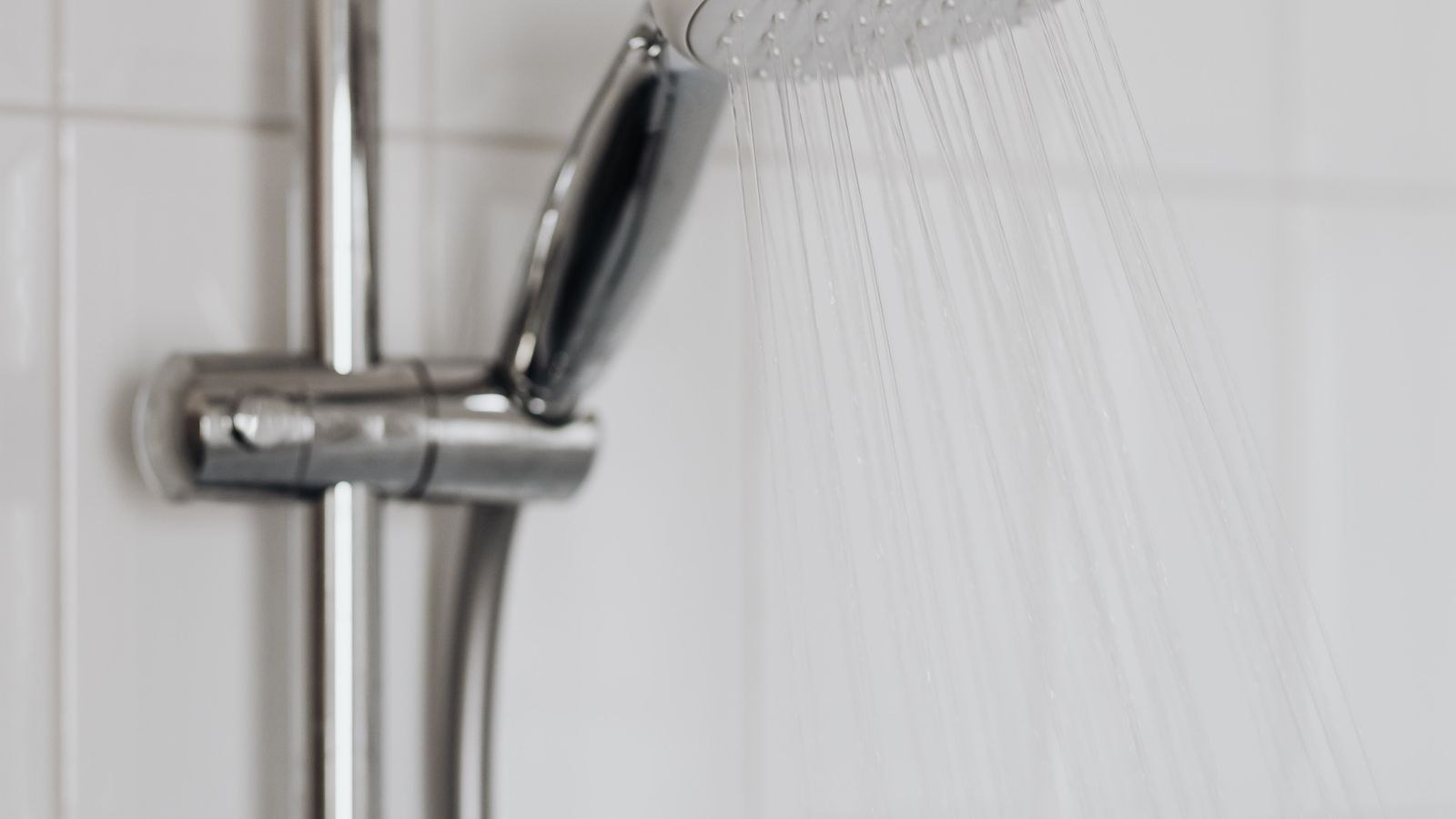
When the plumbing is doing its best and the shower still disappoints, the fixture itself is the lever you can pull. Head design changes the experience enormously at the same flow rate. Fewer, narrower nozzles produce faster, more concentrated jets that feel forceful even at modest volume, while a wide rain head spreads the same water so thinly that it feels like drizzle in a low-pressure building. Some heads also aerate, mixing air into the stream to add apparent volume, and others use a pressure-compensating chamber to keep jet velocity steady as supply fluctuates.
Practical selection points for a rental: pick a head that installs with hand tools and no wall modification, favor a handheld on a bracket so you can direct the spray, and choose metal ball joints over plastic where the head will be adjusted often. Our comparison of the best high pressure shower heads ranks models by perceived force at realistic supply rates, and the focused list of the best shower heads to increase water pressure covers designs built specifically for weak supply. If you have confirmed that a restrictor is the bottleneck and your local rules permit it, the roundup of the best shower heads without flow restrictors is the relevant shortlist, while the broader best pressure shower heads comparison weighs spray patterns against water use. For help matching finish, mount type, and nozzle count to your bathroom, our shower head buying guide walks through the specifications that matter.
What Not to Do in a Rental
- Do not adjust the building pressure regulator. It serves other units and is not yours to touch.
- Do not install a booster pump without written landlord permission, since it affects shared plumbing and often requires electrical work.
- Do not discard the original head or restrictor. Bag them and store them for move-out.
- Do not over-tighten fittings. Cracked threads on a landlord’s fixture become your bill.
- Do not open a wall or cut into pipes. Anything behind the tile is a landlord repair.
When to Involve the Landlord
Report it rather than fixing it yourself when every fixture in the apartment is weak, when pressure drops sharply whenever a neighbor runs water, when hot pressure is far weaker than cold, which often points to a failing water heater or a partly closed heater valve, or when you see discolored water or hear knocking in the pipes. Those are supply-side and building-side issues, and they are the landlord’s responsibility to diagnose. Put the request in writing and include your measured flow rate, since a number gets a faster response than a complaint.
Frequently Asked Questions
Is removing the flow restrictor legal?
Rules vary by region and some areas restrict it. It also increases water bills and can void a warranty. Check local regulations and your lease, and always keep the part so it can be reinstalled.
Why is only my hot water weak?
Usually a partly closed valve at the water heater, sediment in the tank, or a failing mixing cartridge. In an apartment this is generally a maintenance request rather than a tenant fix.
Will a new shower head fix low building pressure?
It will not raise pressure, but a head designed for low supply concentrates the water into faster jets, which makes a genuine difference in how forceful the shower feels.
How often should I clean the head?
Wipe the nozzles monthly and do a vinegar soak every three to six months, more often in a hard water area where scale builds quickly.
Final Thoughts
Start by separating pressure from flow, then work outward from the cheapest fix. Open any partly closed valve, rub the nozzles clean, soak the head in vinegar, clear the inlet screen, and check the arm and hose for sediment or collapse. Decide deliberately rather than casually about the flow restrictor, and if the plumbing is sound but the shower still underwhelms, change the fixture to one engineered for low supply. Keep every original part bagged, avoid anything that alters shared plumbing, and escalate genuine building issues to the landlord in writing with a measured flow figure attached. That sequence solves most weak apartment showers without a single permanent modification.