Owen Bradley
 Renting a carpet extractor for an afternoon is cheap, but doing it badly can leave carpet worse off than before: crunchy with residue, matted in the traffic lanes, or smelling faintly sour for a week because the backing never dried. Deep cleaning is not complicated, yet almost all of the outcome is decided by preparation and drying rather than by the machine itself. This guide walks through how to deep clean carpet at home from start to finish, including the pre-vacuum that removes most of the soil, the right way to pre-treat stains, how much solution to actually mix, the technique that pulls water back out, and the drying window that decides whether the job smells fresh or musty.
What a Carpet Cleaner Actually Does
A hot water extractor sprays a warm detergent solution into the pile, agitates it briefly, and then vacuums the dirty liquid back out through a suction head. The cleaning power comes from three things working together: heat to loosen oily soil, chemistry to suspend it, and suction to remove it. Weaken any one of those and you get the classic failure mode, which is soil that has been loosened, spread deeper into the fibers, and then left there when the water evaporates.
That is why the extraction pass matters more than the wet pass. Every drop of solution you put down needs to come back up. Carpet that stays saturated wicks dissolved soil upward as it dries, which is exactly why brown spots reappear a day after a cleaning that looked perfect while wet.
Tools and Supplies to Gather First
- A carpet extractor, either owned or rented, with a working brush roll and clean tanks.
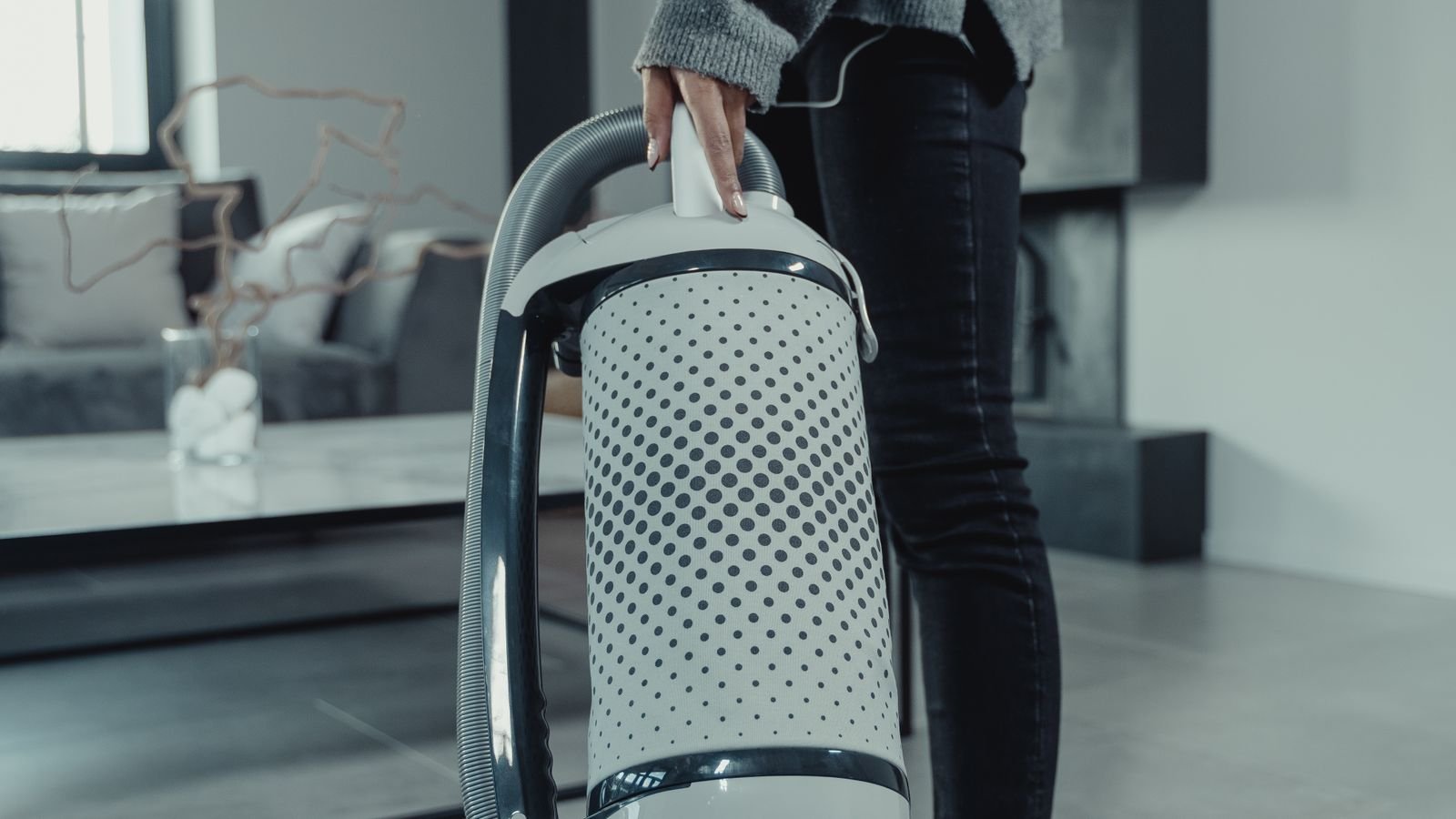
- A good upright or canister vacuum for the critical dry pass beforehand.
- Carpet cleaning solution made for extractors, plus a separate pre-treatment spray.
- White cotton towels for blotting and for testing colorfastness.
- A stiff grooming brush or carpet rake to lift the pile before and after.
- Fans and a dehumidifier to force the drying stage.
- Aluminum foil or plastic tabs to place under furniture legs afterward.
Skip anything that foams heavily, including dish soap and laundry detergent. Foam overwhelms the recovery tank, coats the float sensor, and leaves behind a sticky film that attracts dirt so fast the carpet looks soiled again within days.
How to Deep Clean Carpet at Home Step by Step
- Clear the room and protect what stays. Move everything light out. For heavy pieces that cannot move, slide foil or plastic under the feet so wood stain and metal do not bleed into damp fibers. Wooden furniture legs are a common source of permanent brown rings.
- Vacuum slowly and thoroughly. This is the single highest-impact step, because roughly three quarters of carpet soil is dry particulate that a vacuum removes far better than water. Make several passes in crossing directions and go slowly enough that the brush roll can lift grit from the base of the pile. Wetting dry soil turns it into mud.
- Test for colorfastness. Dampen a white towel with your diluted solution and press it into an out-of-the-way corner for a minute. Any color transfer means you should stop and use a low-moisture method or call a professional.
- Pre-treat stains and traffic lanes. Spray a pre-treatment on visible spots, entry paths, and around chairs. Let it dwell for five to ten minutes so the chemistry has time to break the bond, but never let it dry on the fiber. Agitate lightly with a brush, working from the outside of a spot inward.
- Mix the solution correctly. Follow the label ratio exactly and resist the urge to add extra. Over-concentrated solution is the number one cause of stiff, sticky carpet, because the excess detergent has nowhere to go when the water leaves. Fill the clean tank with water at the temperature the machine specifies, usually hot tap water rather than boiling.
- Make the wet pass slowly. Pull the machine backward at roughly one foot per two seconds while holding the trigger. Work in overlapping strips about the width of the head, and always start at the corner furthest from the door so you are never standing on cleaned carpet.
- Make two or three dry passes. Release the trigger and pull the head back over the same strip with suction only, repeating until little or no water appears in the recovery hose. This is where most of the result is won. If the strip still feels squishy underfoot, keep going.
- Empty and refill tanks as needed. Recovery water tells you the truth about your carpet. Dump it when it reaches the fill line, rinse the tank, and keep going. Never let dirty recovery water splash back into the clean tank.
- Do a plain water rinse pass. If your machine allows it, refill the clean tank with water only and run the room again to lift residual detergent. This step is optional in theory and close to essential in practice, especially with heavily soiled carpet.
- Groom the pile and force the drying. Rake the carpet in one direction to stand the fibers up, then set fans at floor level blowing across the surface and run a dehumidifier or air conditioner. Keep everyone off the carpet until it is fully dry.
Getting the Drying Stage Right
Target a full dry within six to twelve hours. Beyond about twenty-four hours, damp backing and padding start to support microbial growth, and that is where the sour smell originates. Airflow matters more than heat, so aim oscillating fans horizontally across the carpet rather than pointing a heater at it. In humid weather, running a dehumidifier in the closed room dries carpet far faster than opening the windows, because outdoor air may be carrying more moisture than the room already holds.
Wait until the carpet is completely dry before replacing furniture, and leave the protective tabs under the legs for another day. Walking on damp carpet in shoes or socks embeds fresh soil into fibers that are wide open and defenseless, which undoes a good part of what you just did.
Handling Specific Stains Before You Extract
Pre-treatment beats brute force. For food and drink spills, blot with a clean white towel and treat with a general spot cleaner. For grease, use a solvent-based spotter and give it time rather than scrubbing. For pet accidents, an enzyme cleaner is the only approach that removes the odor source rather than masking it, and it needs to soak down as deep as the original accident went, which usually means using far more product than feels reasonable. Our walkthrough on how to remove pet hair from carpet is worth reading first if hair is woven into the pile, since embedded hair blocks solution from reaching the fibers underneath.
Whatever the stain, blot rather than scrub. Scrubbing distorts the pile permanently and creates a fuzzy patch that catches light differently and reads as a stain even after the discoloration is gone. Work inward from the edge to keep the spot from spreading.
Common Mistakes That Ruin the Result
- Skipping the vacuum. It turns loose soil into mud and guarantees a mediocre outcome.
- Using too much solution. Residue is sticky, attracts dirt, and makes the carpet feel crunchy.
- Moving the machine too fast. Both the wet and dry passes need slow, deliberate strokes.
- Over-wetting. Repeated wet passes without extraction soak the pad and invite wicking and odor.
- Replacing furniture early. Wood and metal feet stain damp carpet, sometimes permanently.
- Cleaning wool with a hot alkaline product. Natural fibers need a mild, pH-neutral solution and less heat.
How Often to Deep Clean
Most households do well with a deep clean every twelve to eighteen months. Add a session if you have pets, small children, allergy sufferers, or a light-colored carpet in a busy entry area. Between those sessions, the real preservation work is weekly vacuuming in high-traffic lanes and immediate attention to spills. Grit is abrasive, and it cuts carpet fibers under foot traffic, so frequent vacuuming does more for carpet lifespan than any annual deep clean.
If your current vacuum struggles to lift grit from deep pile, that weakness carries straight into every deep clean you attempt. The comparison of the best vacuums for carpets focuses on brush roll design and airflow, and the roundup of the best vacuums for pet hair on carpet is the better starting point in a home with shedding animals.
Choosing a Machine to Buy or Rent
Rental units generally have stronger suction and larger tanks than consumer models, which suits an occasional whole-house session. Owning a machine makes more sense if you clean a few times a year, need to handle pet accidents promptly, or have stairs and upholstery to deal with. Look for adjustable brush action, a heated or heat-retaining option, tanks you can carry when full, and a hand tool with a decent hose length.
Our list of the best vacuum carpet cleaners compares extraction power and tank design across price tiers, and if furniture is part of the job, the guide to the best upholstery cleaner for sofas covers the smaller hand tools that handle cushions and car seats without soaking them.
Frequently Asked Questions
How long does carpet take to dry?
Six to twelve hours with good airflow and dehumidification. If it is still damp after a day, you left too much water in the pile and should re-extract with suction only.
Can I use dish soap in a carpet cleaner?
No. It foams badly, can damage the machine, and leaves a residue that makes the carpet re-soil almost immediately. Use a low-foam formula made for extractors.
Why did the stain come back after drying?
That is wicking. The stain reached the backing, and as moisture evaporated it drew the residue back to the surface. Re-treat the spot, extract heavily, then lay a dry towel weighted down overnight.
Should I clean wool carpet the same way?
Use a pH-neutral wool-safe product, less water, and cooler temperatures. High heat and alkaline detergents can shrink and discolor natural fibers.
Final Thoughts
A successful home carpet cleaning is mostly discipline around the parts that feel optional. Vacuum until you are bored, pre-treat and let the chemistry dwell, mix the solution at the ratio on the bottle rather than the one that feels stronger, pull slowly, and then spend as much time extracting water as you did putting it down. Finish by forcing airflow across the room until the pile is genuinely dry, and keep furniture off it until then. Do that and the carpet comes back soft, uniform, and odor-free, which is exactly what the rental fee was supposed to buy.