Owen Bradley
 You spend roughly a third of your life on your mattress, and it quietly accumulates everything that implies: several litres of sweat a year, shed skin cells, dust mites feeding on them, pet dander, spilled coffee and the general staleness of a surface that never gets aired. Most people wash their sheets weekly and never touch what is underneath. A proper deep clean every six months removes the odour at its source, cuts allergen load significantly, and adds years to a mattress that would otherwise start smelling permanently tired. This guide covers how to deep clean a mattress step by step: stripping and vacuuming, treating stains by type without soaking the foam, deodorising with baking soda, drying it completely, and protecting it so the next clean is easier.

What You Will Need
- A vacuum with an upholstery attachment and crevice tool. Suction does more of the work here than any cleaning product.
- Baking soda, at least a full box for a queen or king, for odour and moisture absorption.
- White absorbent cloths and a spray bottle.
- Clear dish soap and cold water for general stains.
- An enzyme cleaner for urine, sweat, blood and any protein-based mess.
- Hydrogen peroxide (3%) for stubborn stains on light-coloured mattresses, used sparingly.
- A fan or open windows and, ideally, a few hours of indirect sunlight.
- A waterproof, breathable mattress protector for afterwards.
Pick a dry morning with good airflow. The whole process needs at least four to six hours of drying time, and putting sheets back on a mattress that is even slightly damp is how you get mildew inside the foam.
Step-by-Step Mattress Deep Clean
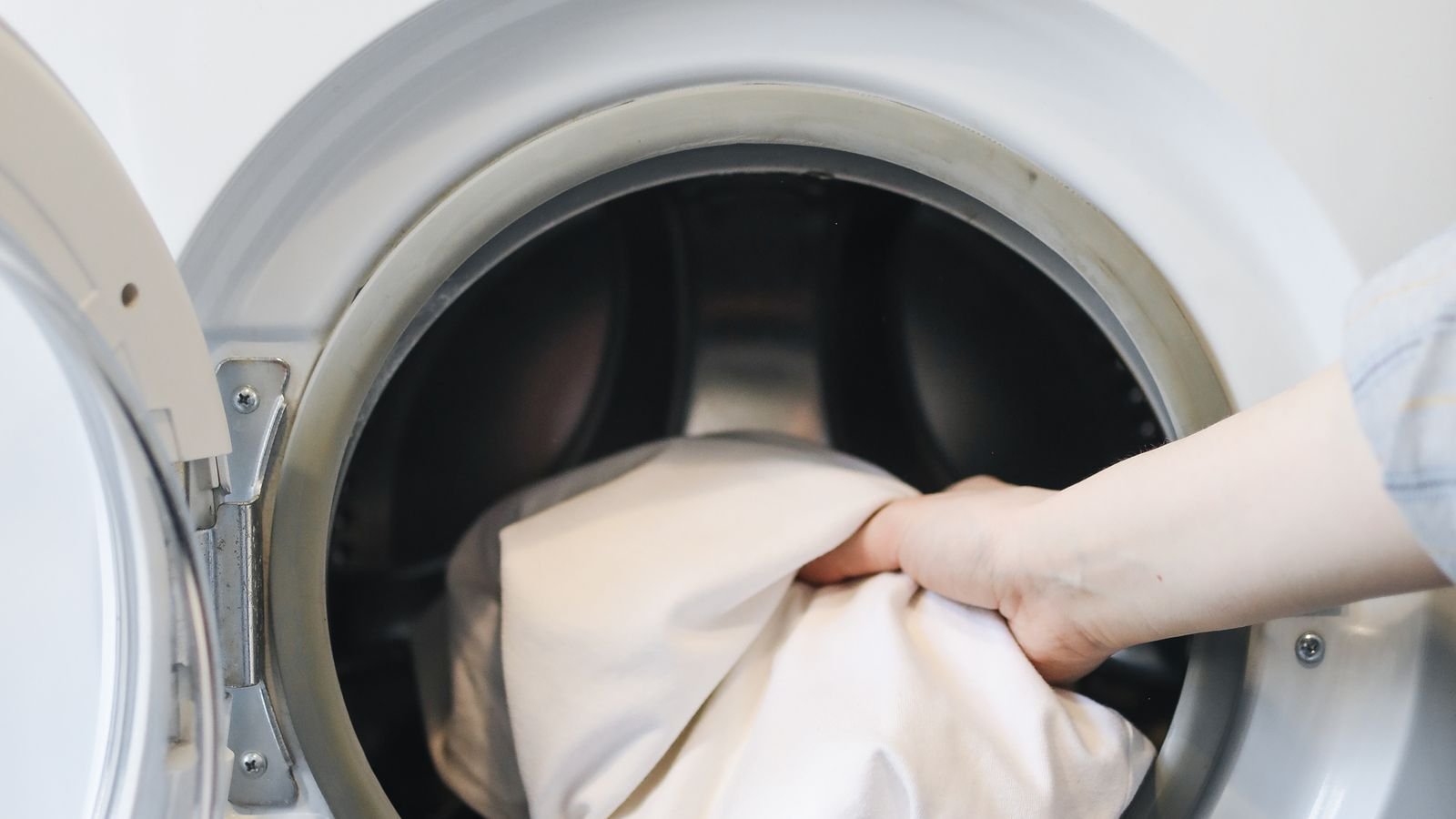
- Strip the bed completely and wash everything. Sheets, pillowcases, mattress protector, pillow covers and the pillows themselves if the care label allows. Wash on the hottest cycle the fabric permits, since a wash at 60C kills dust mites while a cool wash simply relocates them. Doing this first means you are not putting clean bedding back on a mattress you have just disturbed.
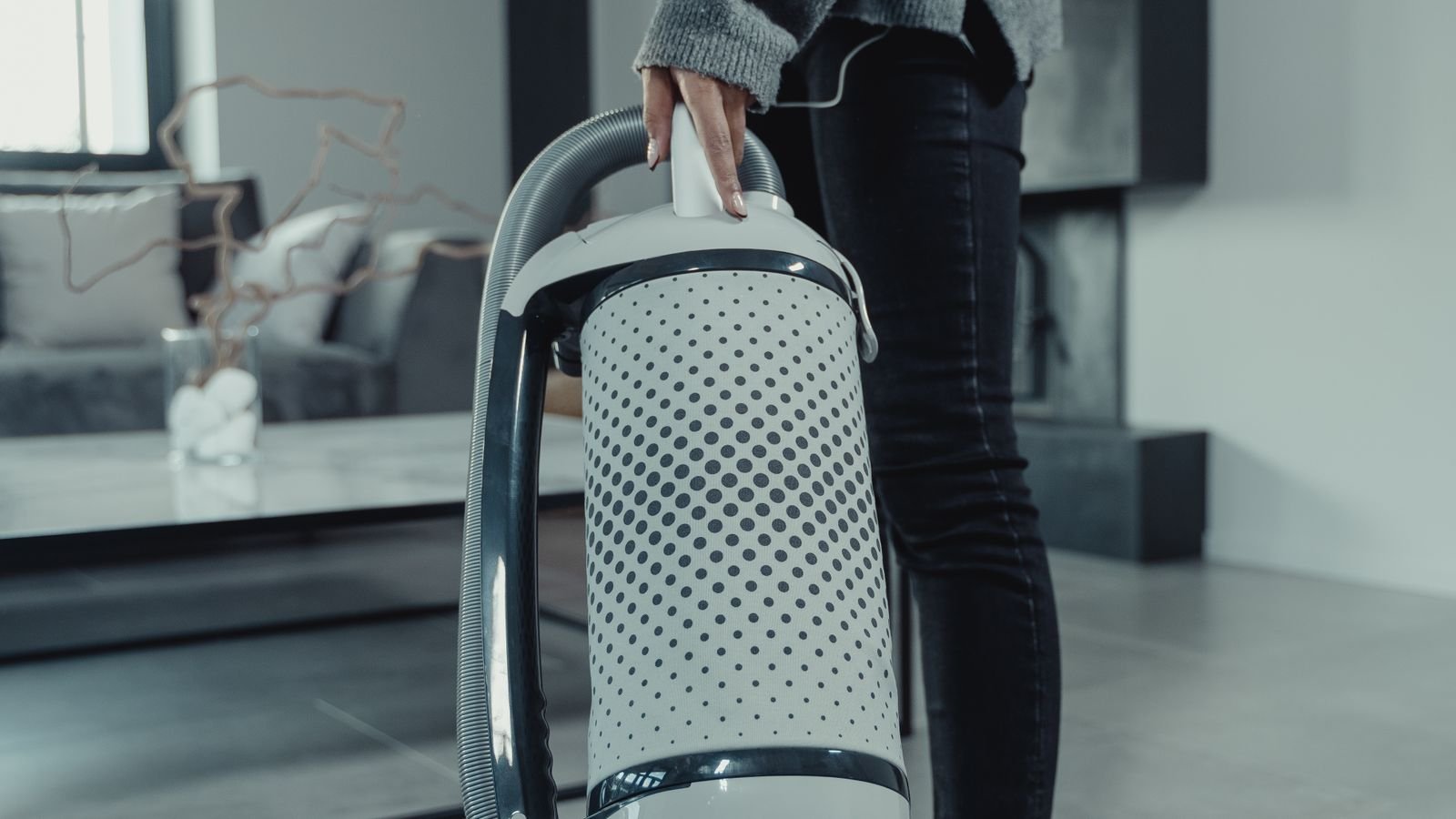
- Vacuum the entire surface methodically. Fit the upholstery attachment and work in overlapping passes across the top, then repeat in the perpendicular direction so you agitate the fibres from both angles. Use the crevice tool along every seam, piping and button tuft, which is exactly where dust and dead skin collect. Do the sides and, if the mattress is flippable, the underside too. Take your time here; this single step removes the majority of the allergen load.
- Treat stains before you deodorise. Baking soda over an untreated stain will simply seal it in. Work stain by stain, using cold water only, and always blot rather than rub. Apply cleaner to the cloth, never directly to the mattress, because liquid that reaches the foam or springs takes days to dry and can rust or rot from the inside. Details on specific stains are in the next section.
- Cover the whole mattress in baking soda. Sift it evenly over the entire top surface, not just the stained parts, so the colour and freshness end up uniform. Use a generous layer. Baking soda neutralises acidic odour compounds rather than masking them, and it pulls residual moisture out of the top layers at the same time.
- Leave it as long as you can. One hour is the minimum for a noticeable difference, four to six hours is much better, and a full day is ideal if you can sleep elsewhere. Open the windows and let daylight fall on the mattress, since sunlight and airflow both help dry the surface and inhibit mites. For strong odours, add a few drops of lavender or tea tree oil mixed thoroughly into the baking soda before sifting.
- Vacuum it all off thoroughly. Go slowly and do several passes. Baking soda left behind feels gritty against skin and will make the mattress feel dusty for weeks. Check the seams and edges again with the crevice tool, since powder collects there.
- Dry the mattress fully before making the bed. Press a clean dry towel firmly onto any area you treated. If it comes away with any moisture, keep drying. Point a fan at the surface, keep the windows open, and give it several hours. A mattress that feels cool to the touch is still holding moisture.
- Flip or rotate before remaking. While the bed is stripped, rotate the mattress 180 degrees, and flip it if it is a double-sided design. This evens out the compression from your sleeping position and is far easier to do now than later.
- Fit a protector and remake the bed. A waterproof but breathable protector is what turns this into a one-time job rather than a recurring chore, since spills and sweat land on something washable instead of the foam.
Removing Specific Mattress Stains
Sweat and Yellowing
Yellow patches are oxidised body oils and sweat, and they build gradually rather than appearing overnight. Mix equal parts 3% hydrogen peroxide and cold water with a small squeeze of dish soap, spray very lightly onto the area, leave a few minutes and blot. Peroxide can lighten fabric, so test an edge first and never use it on a dark or patterned cover.
Urine
Speed matters. Blot up as much as possible with dry towels, pressing hard, then apply an enzyme cleaner and let it dwell for the full time on the label. Enzymes digest the uric acid crystals that cause the lingering smell; soap and water only dilute them, which is why urine odour often returns weeks later when the mattress warms up. Never use hot water, which sets the protein.
Blood
Cold water only, always. Heat cooks blood proteins into the fibre permanently. Blot with cold water first, then use hydrogen peroxide on light fabrics or an enzyme cleaner on darker ones. Fresh blood usually lifts entirely; old stains need several gentle repetitions.
Coffee, Wine and Food
Blot the liquid out first, then work a cold dish soap solution in from the outside of the stain inward so you do not spread the ring. Follow with a plain damp cloth to remove soap residue, then dry hard with towels and a fan.
Odour Removal When Baking Soda Is Not Enough
If the mattress still smells after a full baking soda treatment, the odour source is likely deeper than the surface. Repeat the treatment with a longer dwell time and add a light misting of diluted white vinegar first, letting it dry completely before applying the powder. Vinegar neutralises alkaline odours that baking soda alone does not address. Airing the mattress outdoors on a dry, breezy day for a few hours is remarkably effective and costs nothing.
Room air quality also matters more than most people realise, because a bedroom that never ventilates keeps humidity and dander circulating back onto the bed. Running a purifier with a HEPA filter overnight reduces what settles on the mattress in the first place; our comparison of the best air purifiers for bedrooms covers sizing and noise levels for sleeping spaces. Vacuum performance matters too, since a machine with poor filtration blows fine dust straight back out. The roundups of the best vacuum cleaners and specifically the best vacuums for allergies explain which sealed filtration systems actually retain what they pick up.
Common Mistakes to Avoid
- Soaking the mattress. Water that reaches the core takes days to dry and breeds mould you cannot see or reach.
- Using hot water on urine or blood. Heat sets protein stains permanently.
- Skipping the vacuum step. Cleaning liquid over loose dust makes mud rather than progress.
- Rubbing instead of blotting. Rubbing drives the stain deeper and damages the cover fabric.
- Rushing the drying. Making the bed on a damp mattress is the single most common cause of a musty smell that never goes away.
- Steam cleaning foam mattresses. Memory foam and latex trap the moisture and can degrade. Check the manufacturer guidance first.
- Leaving baking soda residue. It feels gritty and dulls the fabric.
Keeping It Clean Between Deep Cleans
The maintenance routine is short. Wash sheets weekly at a hot temperature. Vacuum the mattress surface monthly when you change the bed. Rotate it every three months. Air the bed for twenty minutes each morning by pulling the covers back rather than making it immediately, which lets overnight moisture evaporate instead of being trapped. Wash the protector every month or two. Done consistently, these habits mean the twice-yearly deep clean takes an hour instead of an afternoon.
Guest and occasional-use mattresses need attention too, since a sofa bed mattress that sits folded away can develop mustiness from trapped humidity alone. Airing it out a few times a year prevents that, and if the mattress is thin and past saving, our guide to the best sofa bed replacement mattresses covers what fits standard mechanisms. If you are refreshing the whole room at the same time, the roundup of the best furniture for bedroom setups looks at storage that keeps dust off the floor around the bed.
Frequently Asked Questions
How often should I deep clean a mattress?
Every six months is a good rhythm for most people, or every three months if you have allergies, pets on the bed, or you sweat heavily at night.
Can I use a carpet cleaner or steam cleaner on a mattress?
Only cautiously and only if the manufacturer allows it. Both introduce far more moisture than a mattress can dry off quickly, and foam mattresses in particular hold it in the core.
Does baking soda really remove odours?
Yes, for surface and moderately deep odours. It neutralises acidic compounds rather than covering them. It will not fix a mattress that is saturated deep inside, which usually needs replacing.
How long does a mattress need to dry?
Four to six hours with a fan and open windows for light treatment, longer for anything you have dampened more heavily. Do not remake the bed until every treated area feels completely dry to a pressed towel.
Final Thoughts
Deep cleaning a mattress is more about restraint than effort. Vacuum thoroughly, treat stains with cold water and the right chemistry for the type, deodorise with a generous layer of baking soda and enough patience to let it work, then dry the whole thing properly before anything goes back on. Use as little liquid as the job allows at every stage, because moisture in the core is the one mistake you cannot undo. Fit a washable protector afterwards and keep up the monthly vacuum and quarterly rotation, and the bed you sleep on will stay fresh for years longer than it otherwise would.