Owen Bradley
 Professional rug cleaning is excellent and expensive, and for most synthetic and many wool area rugs it is not strictly necessary once or twice a year. What is necessary is doing the job properly, because the two ways home cleaning goes wrong are both avoidable: bleeding dyes from a rug that was never tested, and mildew from a rug that was never dried fast enough. This tutorial covers how to clean an area rug at home safely, from vacuuming both sides through colorfastness testing, sectional shampooing and rapid drying, so the rug you refresh in 2026 comes out cleaner and undamaged.
First, Check What You Are Cleaning
Turn the rug over and find the label. Fiber content and any cleaning code determine everything that follows.
- Synthetics such as polypropylene, nylon and polyester tolerate water and mild detergent well. These are the best candidates for home cleaning.
- Wool can be cleaned at home with care, using cool water, a pH-neutral wool-safe detergent and minimal moisture. Never use hot water or anything alkaline, which strips lanolin and causes felting.
- Cotton flatweaves are often machine washable in a large machine on a gentle cycle, but check for shrinkage warnings first.
- Silk, viscose, rayon and antique or hand-knotted rugs should go to a professional. Viscose in particular turns brittle, discolors and mats permanently when wet.
- Jute, sisal and seagrass should be cleaned dry wherever possible. Water causes browning, shrinkage and lasting stains on natural plant fibers.
If a rug has no label at all, treat it as unknown and be conservative: test first, use less water than you think you need, and stop at the first sign of dye transfer.
What You Need
- A vacuum with adjustable height and a suction control.
- A soft-bristle brush or a rug rake for agitating.
- A bucket, plus a second for rinse water.
- Mild pH-neutral detergent, or a rug-specific shampoo. Avoid bleach and anything with optical brighteners.
- Clean white cloths and old white towels. White only, so you can see dye transfer and cannot transfer any yourself.
- A squeegee or a wet-dry vacuum for water extraction.
- Fans, and a dehumidifier if you have one.
- A tarp, a driveway, a deck, or a clean hard floor to work on.
Step-by-Step: Cleaning an Area Rug
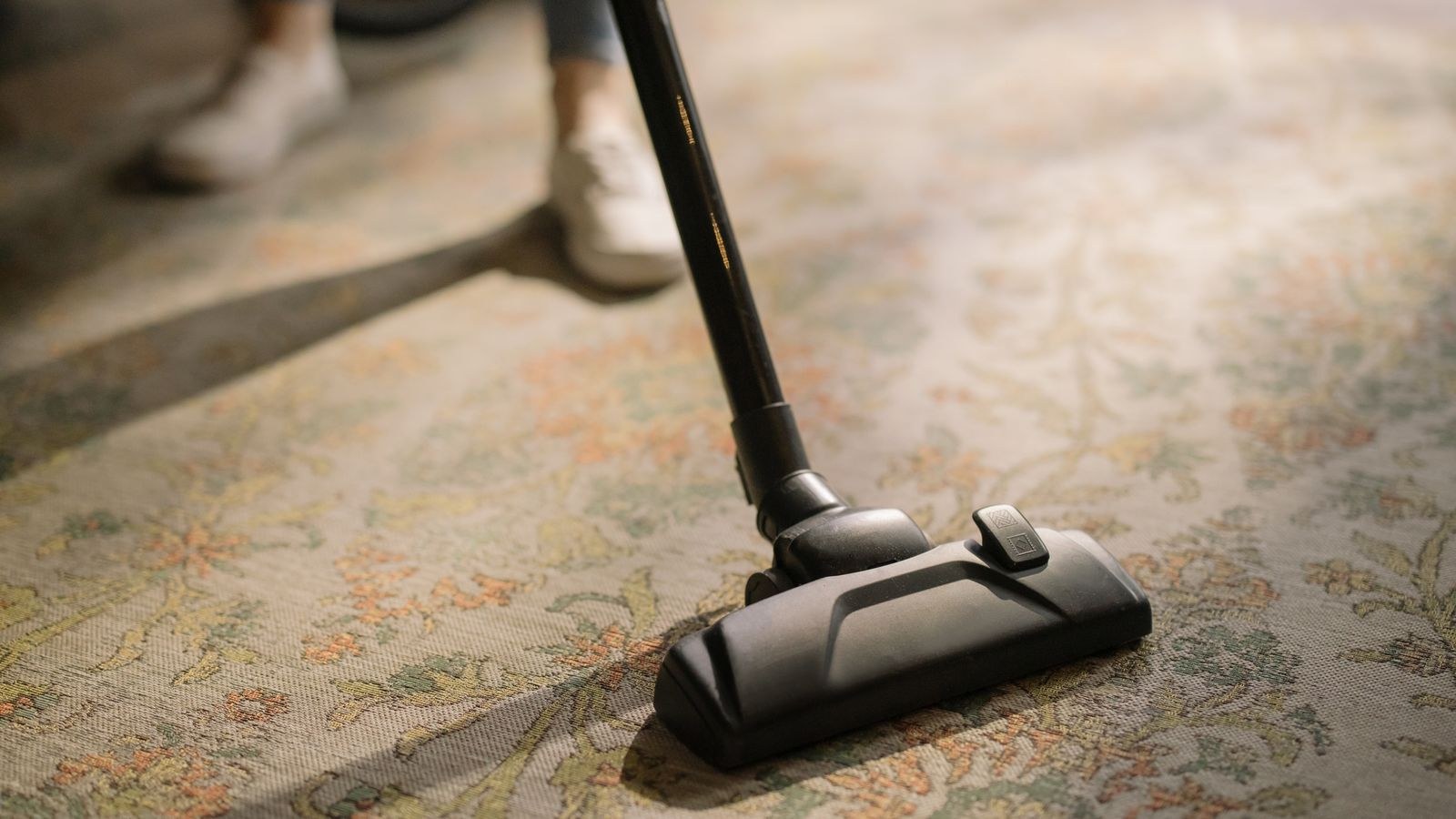
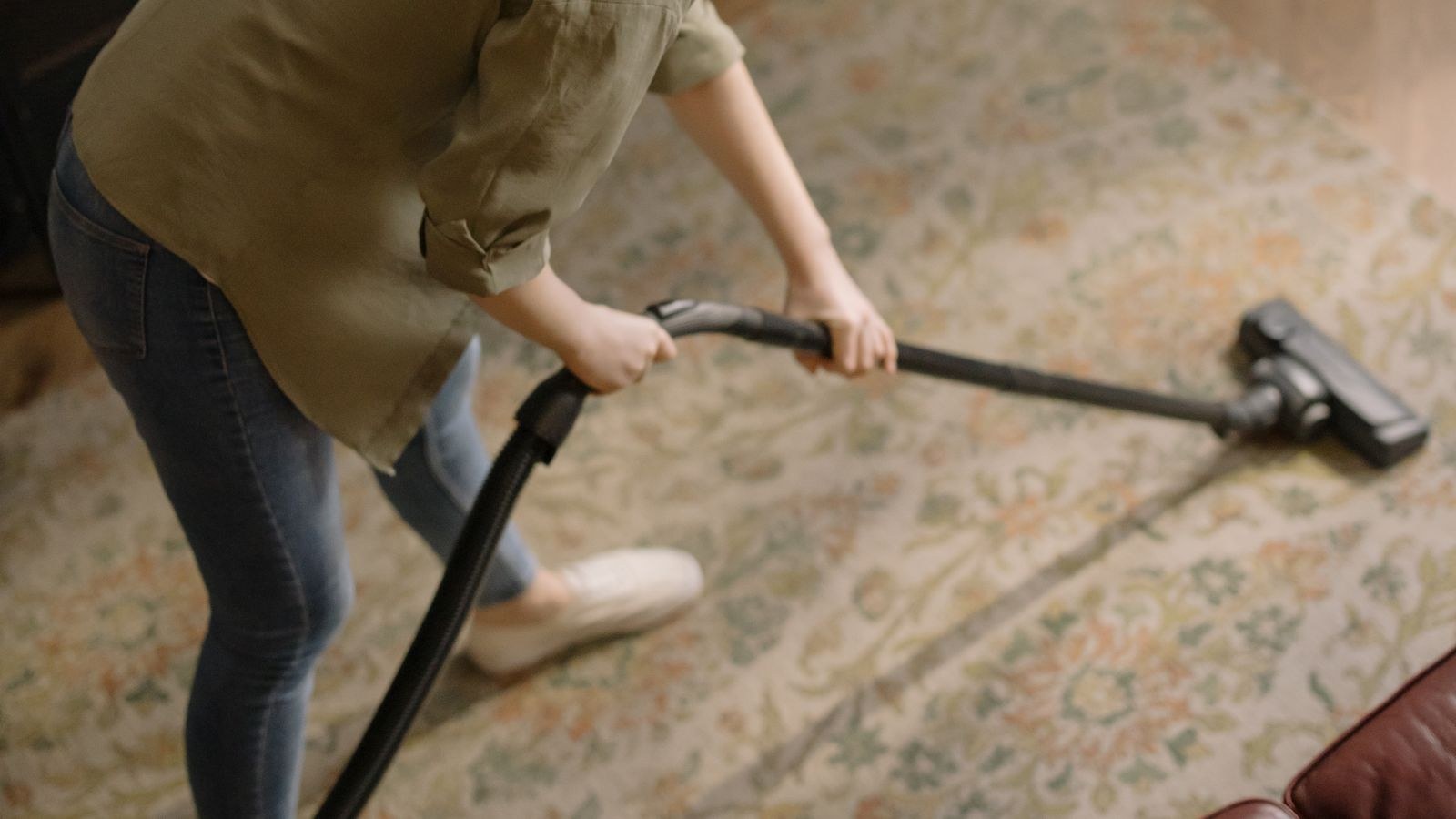
- Vacuum the top thoroughly. Work in overlapping passes in one direction, then repeat at 90 degrees. Slow, deliberate passes remove far more grit than fast ones, and grit is what wears fibers down from the base.
- Flip the rug and vacuum the back. Vacuuming the underside drives embedded soil down out of the pile so it can be lifted from the top. Vacuum the floor underneath while you are there, then flip the rug back and vacuum the face once more. This alone removes a surprising amount of the dirt in the rug.
- Take it outside and beat it if you can. Hang the rug over a railing and strike it with a broom handle or a rug beater. The dust that comes out is soil no vacuum will ever reach. Skip this for delicate or loosely woven rugs.
- Test for colorfastness. This step is not optional. Dampen a white cloth with your cleaning solution and press it firmly against a hidden corner for about 30 seconds. If any color transfers to the cloth, stop; the rug needs professional cleaning. Test each distinct color on a multicolored rug, since reds and deep blues bleed most.
- Pre-treat spots individually. Blot, never rub, working from the outside of the stain inward so you do not spread it. Apply a small amount of solution, let it sit for a few minutes, and blot again with a clean white cloth.
- Mix a weak solution. Use less detergent than the bottle suggests. Excess soap is the main cause of a rug that re-soils quickly, because residue left in the fibers attracts dirt like a magnet.
- Shampoo in sections. Work in areas of about 3 by 3 feet. Apply the solution with a sponge or a soft brush, agitate gently in the direction of the pile, and move on before the section dries. Keep the rug damp, not soaked; you should never see standing water.
- Rinse each section. Go over the cleaned area with clean water and a fresh cloth, or with a garden hose on a low setting if you are working outdoors. Rinse until no suds appear. Leftover detergent is worse than a little remaining dirt.
- Extract as much water as possible. Pull a squeegee across the pile in the direction of the nap, or run a wet-dry vacuum over the whole surface. The more water you remove mechanically, the shorter the drying time and the lower the mildew risk.
- Dry it fast, and dry both sides. Lay the rug flat or hang it where air reaches the back as well as the front, and aim fans at it. Indoors, add a dehumidifier and open a window. A rug should be fully dry within 24 hours; beyond that, odor and mildew become real possibilities. Flip it partway through so the underside dries too.
- Groom and vacuum once dry. Brush the pile back into its natural direction with a rug rake or soft brush, then vacuum again to lift the fibers. This is what makes a cleaned rug look cleaned rather than merely wet-then-dry.
- Check the floor before laying it back. Confirm the floor underneath is completely dry, replace the rug pad, and put the rug down flat. Trapped moisture between a damp floor and a rug pad is the classic source of a musty smell weeks later.
Choosing Equipment That Makes This Easier
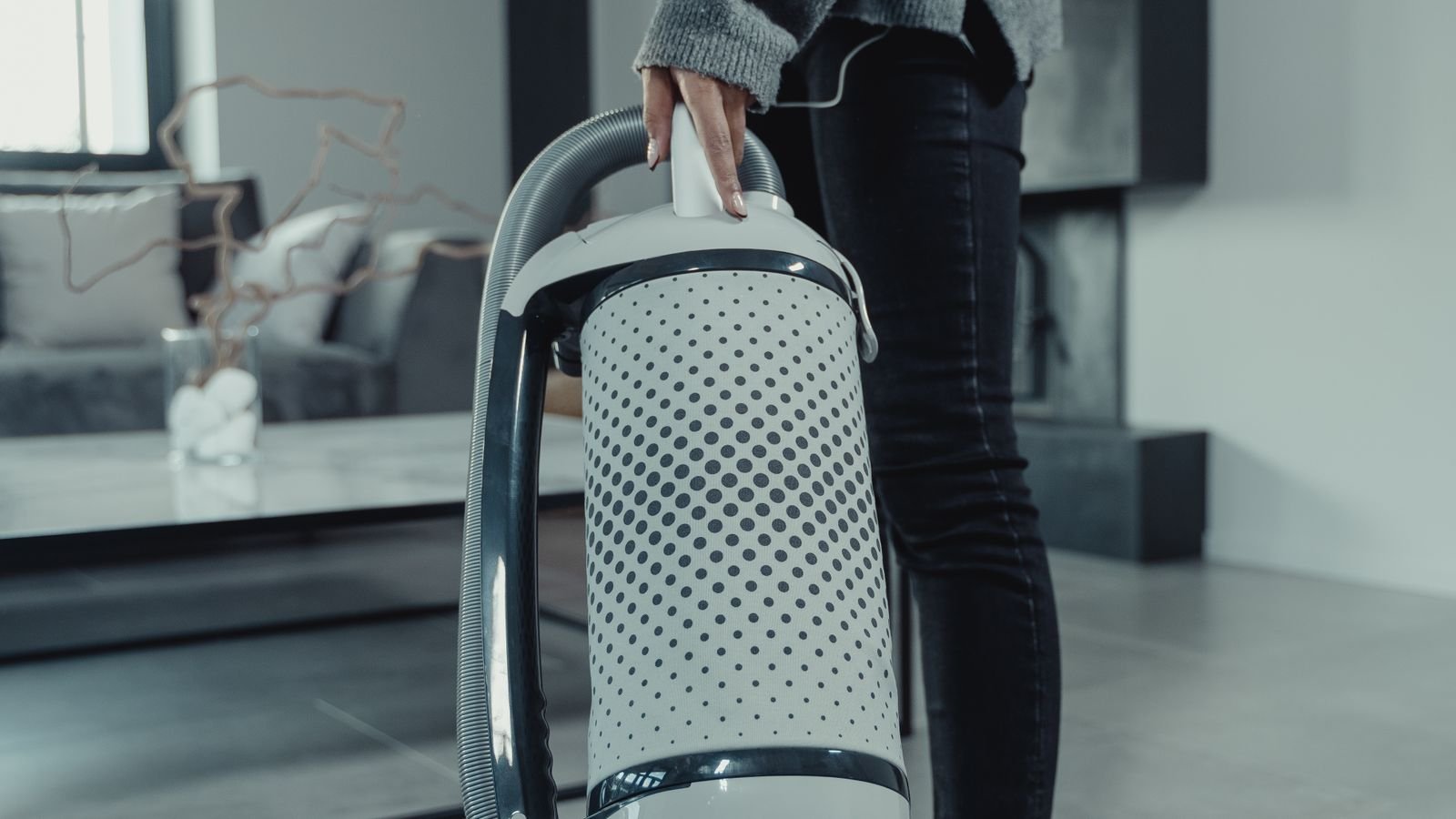
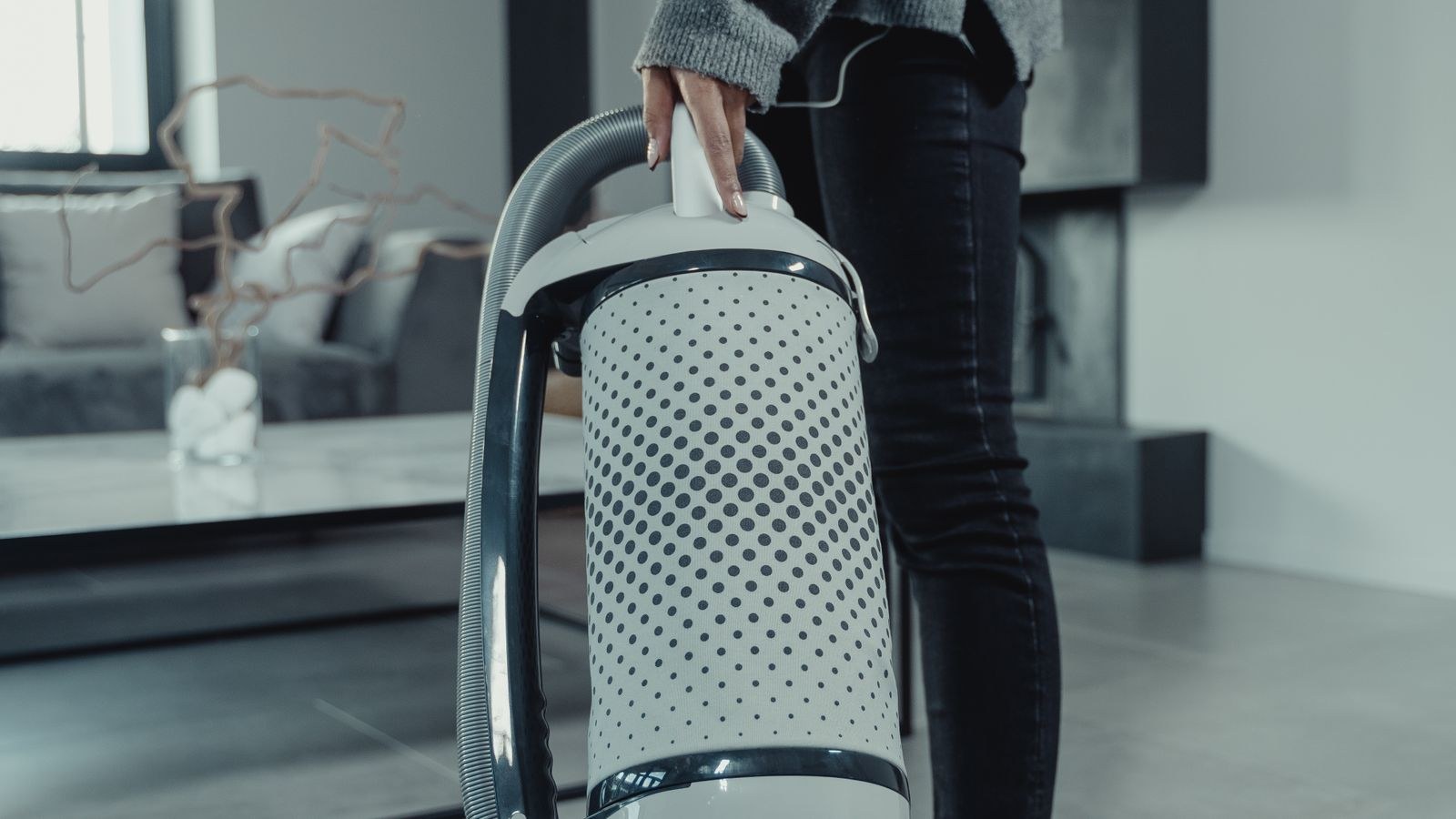
Two machines change the difficulty of this job considerably. A capable upright or canister vacuum with a height adjustment lets you clean deep pile properly and drop to a gentle setting for flatweaves and fringed edges without tearing them; the models compared in our roundup of the best vacuums for carpets cover that range of settings. For the wet stage, a dedicated extraction machine applies solution and pulls it straight back out, which is exactly the behavior you want, and the best vacuum carpet cleaners roundup explains how extraction power and tank size affect drying time.
Between deep cleans, frequency matters more than technique. Vacuuming high-traffic rugs two or three times a week prevents the grit buildup that causes most visible wear. Automating that is genuinely useful, and the best robot vacuums for carpets handle daily maintenance on medium pile well, though they will not replace a proper deep clean. If the rug sits under a sofa that also needs attention, a machine covered in our guide to the best upholstery cleaner for sofas lets you do both surfaces in one session, and a good general-purpose model from the best vacuum cleaners covers hard floors and rug edges alike.
Handling Specific Problems
Pet Odors and Accidents
Blot up as much liquid as possible immediately, then treat with an enzymatic cleaner rather than a general detergent. Enzymes break down the proteins causing the smell; masking products only delay it. Let the enzyme sit for the time the label specifies, which is usually longer than feels natural, then blot and dry thoroughly.
Grease and Oil
Sprinkle cornstarch or baking soda over the mark and leave it for several hours to absorb, then vacuum it away before applying any liquid. Adding water to an oily stain first tends to spread it.
Musty Smells
Sprinkle baking soda across the dry rug, leave it overnight and vacuum thoroughly. If the odor persists, the rug is holding moisture somewhere and needs a full dry-out with fans rather than more cleaning.
Common Mistakes to Avoid
- Skipping the colorfastness test. Bleeding dye is usually permanent and always avoidable.
- Over-wetting. Saturating the backing causes shrinkage, delamination and mildew.
- Too much detergent. Residue attracts soil and the rug looks dirty again within weeks.
- Rubbing stains. Rubbing pushes soil deeper and distorts the pile. Blot only.
- Hot water on wool. Heat causes felting and shrinkage that cannot be undone.
- Slow drying. Anything past 24 hours invites odor. Use fans from the start.
- Wetting jute or sisal. Plant fibers brown and shrink. Clean them dry.
Frequently Asked Questions
How often should an area rug be deep cleaned?
Once every 12 to 18 months for a normal household, and every 6 to 12 months with pets, children or heavy traffic. Regular vacuuming does most of the work in between.
Can I use a carpet shampooer on an area rug?
On synthetics, yes, and it makes the job much easier. Avoid it on wool, silk, viscose and natural plant fibers, and always run a colorfastness test first regardless of the machine.
Can I put a rug in the washing machine?
Only small cotton flatweaves and washable rugs that say so on the label. Use cold water, a gentle cycle and air drying, and never machine wash anything with a latex or rubber backing.
Is vinegar safe on rugs?
Diluted white vinegar helps neutralize odors on many synthetics, but it is acidic and should be spot-tested. It is not the right choice for wool or for anything delicate.
Final Thoughts
Cleaning an area rug at home comes down to preparation and drying. Identify the fiber, vacuum both sides until nothing more comes out, test every color before a drop of solution touches the pile, then work in small sections with as little water and detergent as the job allows. Extract aggressively, dry with fans within a day, and groom the pile when it is done. Handle it that way and home cleaning gets you most of what a professional service would, at a fraction of the cost and with none of the risk that comes from rushing.