Owen Bradley
 Velvet looks expensive because it behaves like nothing else. The pile catches light from every angle, which is exactly why a spill or a careless wipe shows up so dramatically: you are not just removing a stain, you are trying to leave thousands of tiny fibres standing the same way they did before. Panic-scrubbing a velvet sofa with a wet cloth is how people end up with a permanently flattened, shiny patch that is more obvious than the original mark. This guide covers how to clean a velvet sofa without water rings, which solutions are safe on cotton versus synthetic pile, and how to brush the nap back so the surface reads evenly again.
Know Which Velvet You Own
The word covers two very different materials, and they do not tolerate the same treatment.
- Natural velvet — cotton, silk or a blend. Beautiful, deep colour, and highly prone to water marks, crushing and shrinkage. Usually coded S or X.
- Synthetic velvet — polyester, nylon or a performance microvelvet. Far more resilient, often water-repellent, and typically coded W or W/S.
Check the tag under a seat cushion. A W code means water-based cleaning is fine, S means solvent only, and X means vacuuming and dry brushing exclusively. If you cannot find the label, assume the fabric is delicate and start with dry methods. Most modern upholstery marketed as velvet is polyester and considerably tougher than its reputation suggests, which is one reason it has become a mainstream choice — the best velvet sofas guide explains how performance velvets differ from traditional cotton pile in everyday use.
Supplies to Have Ready
- A vacuum with an upholstery attachment, used on low suction
- A soft-bristle garment or upholstery brush, plus a clean toothbrush for tight seams
- Several white lint-free cloths
- A spray bottle capable of a genuine fine mist
- Distilled water, mild clear dish soap and isopropyl alcohol
- A hairdryer with a cool setting, and a small fan
A fabric-safe upholstery product removes the guesswork about residue and pH, which matters more on pile than on a flat weave because anything left behind stiffens the fibres. If you want a formulation matched to your cleaning code rather than a homemade mix, compare the best upholstery cleaner for sofas before you start.
The Step-by-Step Method
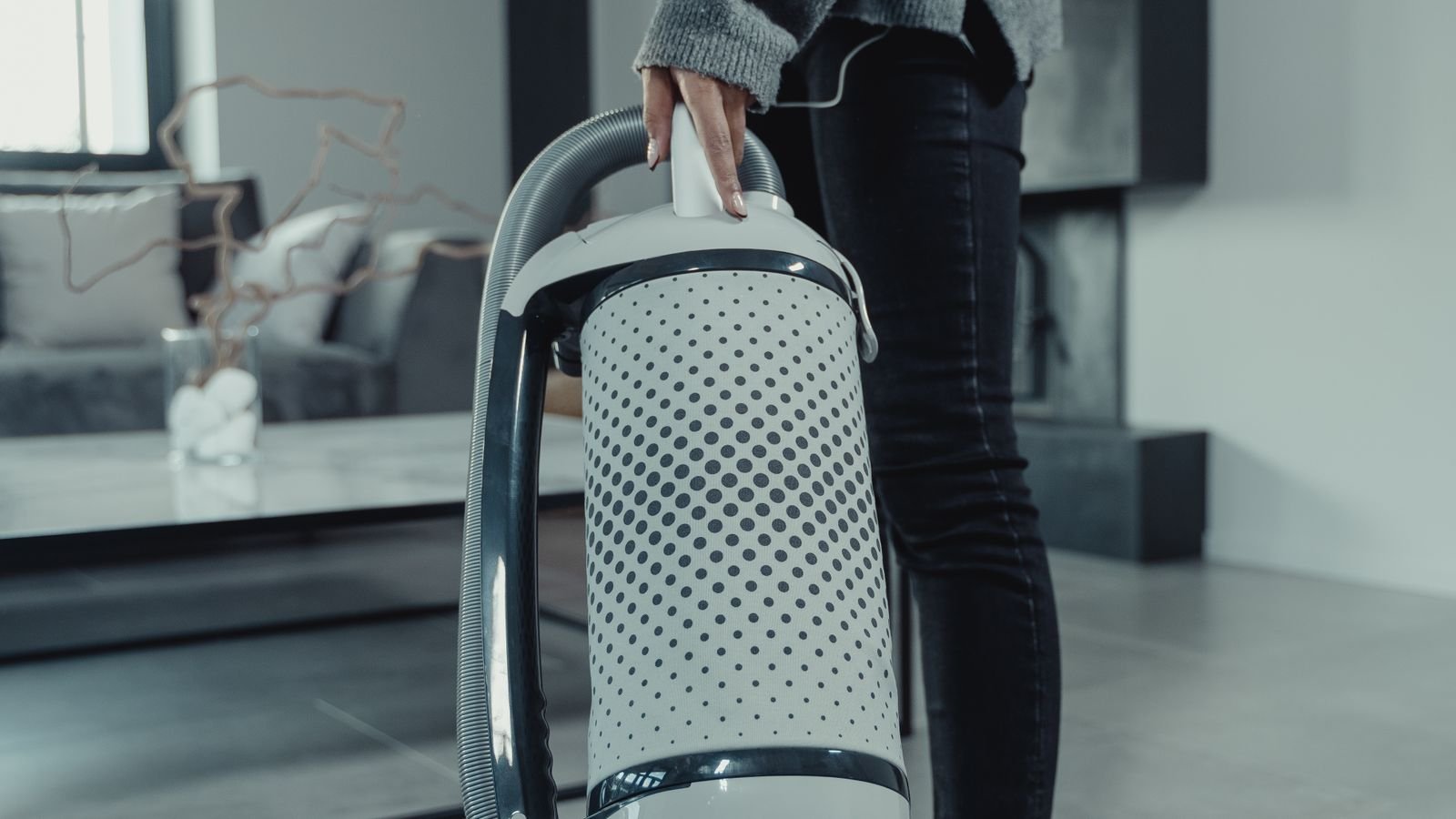
- Vacuum on low suction. Use the upholstery head and move in the direction of the pile, not against it. High suction on velvet can pull the pile loose from its backing. Do the cushions, the deck and the back panels.
- Brush the whole surface dry. Sweep the soft brush in one consistent direction across every panel. This alone lifts most surface dust and evens out shading, and on a lightly soiled sofa it may be all you need.
- Spot test before any liquid. Mist your chosen solution onto a hidden area at the back or under the skirt. Blot, let it dry fully, then look at it in daylight. Colour on the cloth, a stiff patch or a visible outline all mean stop.
- Blot fresh spills immediately. Press a dry white cloth straight down onto the spill and lift. Repeat with a fresh section of cloth until nothing more transfers. Never wipe sideways, which drives liquid into the backing and splays the pile.
- Treat the stain from the outside in. Apply your solution to the cloth, not to the fabric, and work from the edge of the mark toward the centre so you do not widen it. On synthetic velvet use a drop of dish soap in water; on natural velvet use isopropyl alcohol, which evaporates before it can leave a ring.
- Mist, never soak. If you are cleaning a whole panel, hold the sprayer at arm’s length and apply the lightest possible haze. The fabric should look barely darker, not wet. Over-wetting is the single cause of most velvet disasters.
- Blot up the loosened soil. Press a clean dry cloth onto the treated area to absorb moisture and dirt together. Change cloths as soon as one stops lifting anything.
- Dry quickly with airflow. Use a hairdryer on its cool setting held well back, or point a fan at the area. Fast drying prevents the tide line that forms when moisture wicks outward and carries dissolved dirt to a hard edge.
- Brush the nap back while slightly damp. This is the step that separates a repaired velvet sofa from a ruined one. As the area reaches barely-damp, brush firmly in the pile’s natural direction to stand the fibres up again, then let it finish drying untouched.
- Check in daylight and repeat if needed. Two light passes always beat one heavy one. If a faint shadow remains, repeat the mist-blot-brush cycle rather than increasing the amount of liquid.
Fixing Crushed Pile and Shading
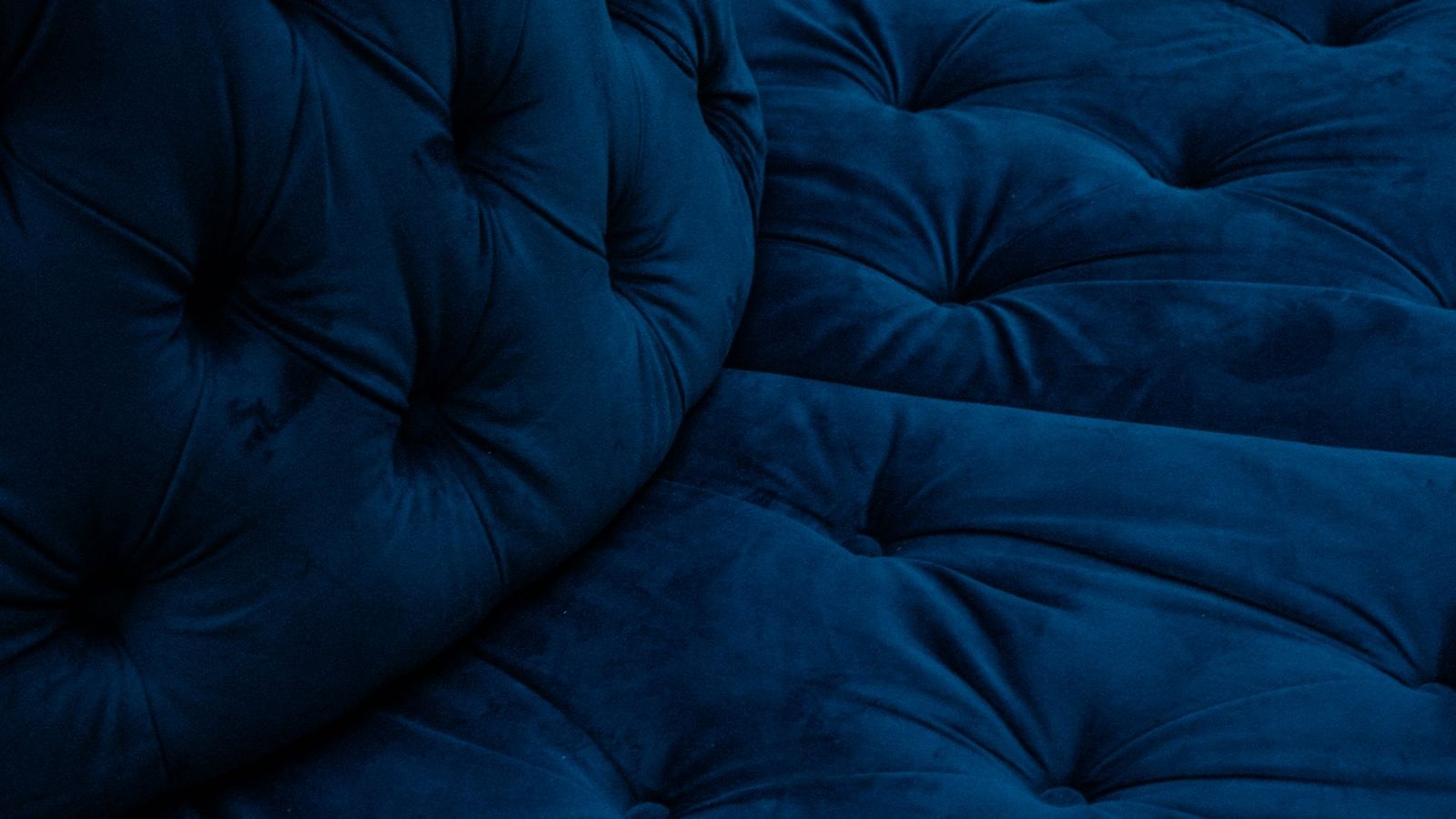
Velvet develops light and dark patches simply from people sitting on it — that is pressure marking, not damage, and it is a normal characteristic of the fabric. Brushing usually resolves it. For stubborn crushing, hold a garment steamer or an iron on its steam setting several inches above the surface, never touching, let the steam relax the fibres for a few seconds, then immediately brush the pile upright. Work in small sections and keep the head moving so no area gets hot or wet.
On tufted pieces, the buttons and deep folds trap dust and hold moisture longer than flat panels. Use the toothbrush around each button and the crevice tool along the folds, and give those areas extra drying time before you sit on them. Anyone considering that style should know the upkeep involved, which our overview of the best tufted sofas covers alongside comfort and construction.
Common Stains and What Actually Works
Red Wine
Blot hard and fast with a dry cloth, then blot with a cloth barely damp with cold water. Salt sprinkled on the wet mark helps draw liquid up. Skip hot water entirely, which sets the pigment.
Coffee and Tea
Cool water with a drop of soap on synthetic pile; isopropyl alcohol on natural. Blot, dry with airflow, then brush. Tannins darken with heat, so keep everything cool.
Grease and Makeup
Cover with cornstarch and leave for at least half an hour so the powder pulls the oil out, then vacuum on low. Treat any remaining shadow with alcohol on a cloth.
Pet Hair
A rubber glove dragged across the pile in one direction balls up hair better than any vacuum. Follow with a lint roller used lightly, then brush the nap back.
Mistakes That Damage Velvet Permanently
- Rubbing or scrubbing. Friction abrades the fibre tips and creates a shiny bald patch that cannot be restored.
- Using too much water. Once moisture reaches the backing you get shrinkage, stiffness and a ring you cannot blend out.
- High-heat steam or a hot iron on the surface. Melts synthetic pile instantly and flattens natural pile permanently.
- Coloured cloths and sponges. Dye transfers readily into damp pile.
- Letting it air-dry slowly. Slow drying is what creates tide lines. Force airflow every time.
- Forgetting to brush at the end. A clean but unbrushed patch still looks wrong because the light reflects differently.
Keeping Velvet Looking New
Brush the whole sofa once a week — it takes three minutes and prevents the gradual matting that makes older velvet look tired. Vacuum on low every couple of weeks, rotate loose cushions so pressure marking spreads evenly, and keep the piece out of direct sunlight, which fades velvet faster than most fabrics because the pile presents so much surface area to the light. Deal with spills within seconds rather than minutes.
If the sofa lives in a busy household, protecting the seat area is far easier than repeatedly cleaning it. A fitted cover over the most-used cushion takes the wear, and the best covers for sofas includes options that stay put rather than bunching. The same brushing and misting rules apply to smaller upholstered pieces too, so if you have matching seating from the best velvet chairs lineup, clean them in the same session to keep the sheen consistent across the room.
Frequently Asked Questions
Can velvet be steam cleaned?
Only synthetic velvet coded W, and only with a hovering steamer that never touches the fabric. Natural velvet shrinks and crushes under steam.
Why does my velvet sofa look patchy?
That is pressure marking from normal use, where the pile lies in different directions and reflects light differently. Brushing in one direction evens it out.
Does water always stain velvet?
On synthetic velvet, usually not. On cotton or silk velvet, standing water leaves a visible ring, which is why alcohol-based spot cleaning is preferred there.
How often should velvet be deep cleaned?
Once or twice a year is plenty if you brush weekly. Over-cleaning wears the pile faster than ordinary use does.
Should I have velvet professionally cleaned?
For X-coded fabric, silk velvet, or a large set-in stain, yes. A specialist has dry-solvent equipment that will not wet the backing at all.
Final Thoughts
Velvet rewards a light touch. Vacuum gently, brush often, blot rather than rub, and treat liquid as something to be applied in the smallest quantity that will do the job and removed as fast as possible. Always finish by brushing the nap back in one direction while the fabric is still slightly damp, because that final step is what makes the cleaned area disappear into the rest of the sofa. Handled that way, velvet stays deep-coloured and plush for years rather than developing the crushed, shiny patches that give badly maintained pieces away.