Owen Bradley
 A robot mop is only as clean as the pad strapped to its underside. The machine can follow a perfect route, hold the right amount of water, and still leave grey smears across the kitchen because the microfiber is loaded with old grease and the tank is growing a film you cannot see. Most streaking complaints have nothing to do with the robot’s hardware and everything to do with maintenance that never happened. Learning how to clean a robot mop pad properly, and how to keep the water tank clear, takes about ten minutes a week. This guide covers the full routine, the solutions that are safe in the reservoir, and when a worn pad needs replacing.
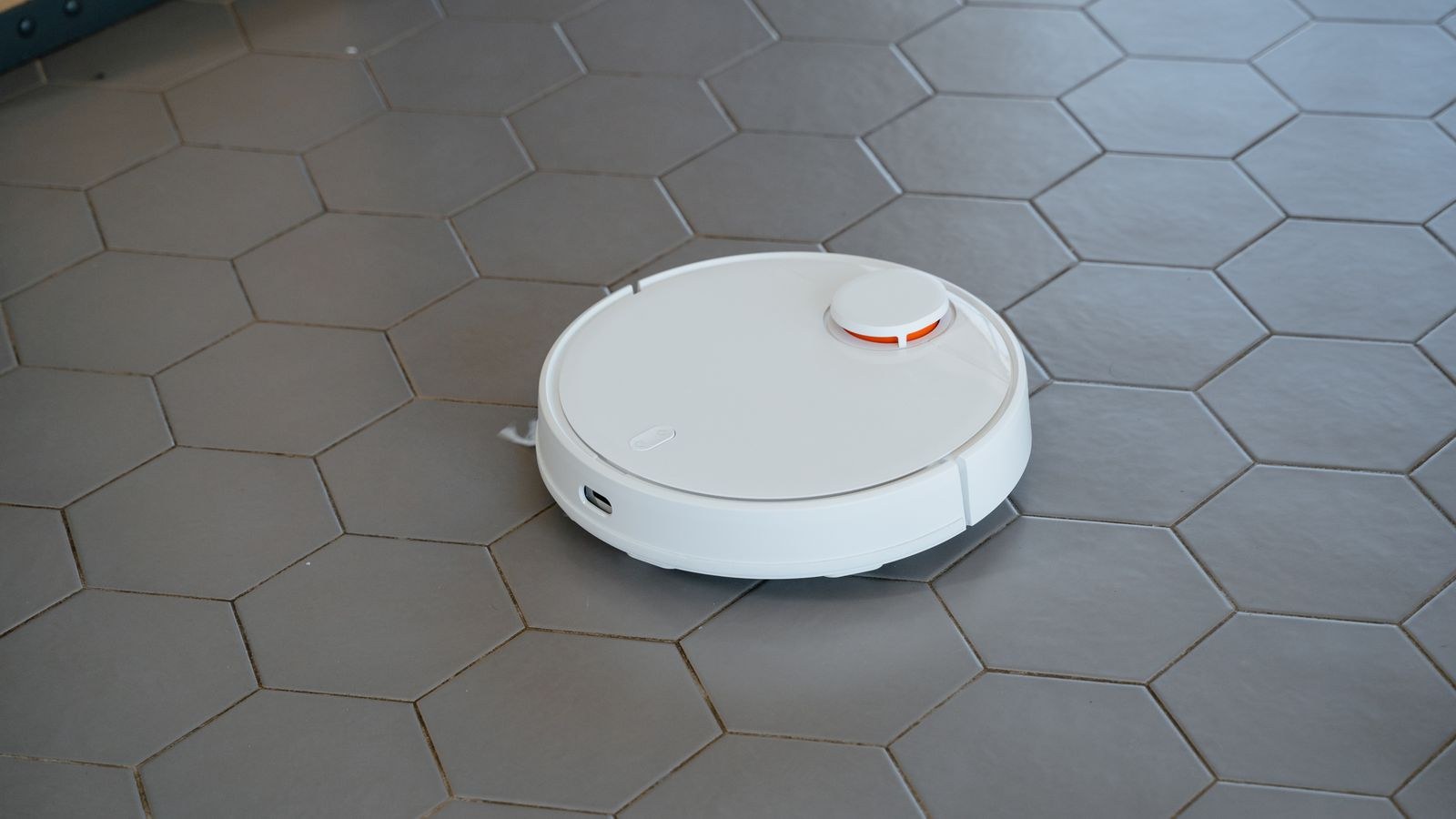
Why Dirty Pads and Tanks Cause Streaks
Microfiber works by trapping soil in millions of split fibers. Once those fibers are saturated with grease, dust, and dried detergent, they stop absorbing and start redistributing. Instead of lifting dirt off the floor, the pad drags a thin slurry around, which dries into the hazy tracks people describe as streaks or cloudiness. The same thing happens with the tank. Standing water plus a trace of cleaning solution is an ideal environment for biofilm, and that slime narrows the tiny outlet ports until water dribbles unevenly or stops flowing on one side of the pad.
Detergent residue is sticky too, so a floor mopped with a saturated pad attracts dust faster and looks dirty again within a day. Breaking that cycle starts with treating the pad as a consumable that needs washing after every session.
What You Need Before You Start
- Warm water at roughly 105 to 120 degrees Fahrenheit for rinsing and soaking.
- Distilled white vinegar for descaling the tank and loosening mineral film.
- A few drops of liquid dish soap or a fragrance-free liquid laundry detergent for pad washing.
- A soft brush such as an old toothbrush for the tank ports and pad mounting plate.
- A clean towel and a drying rack or hook so pads dry with air on both sides.
- Spare pads so the robot is never waiting on laundry. Two or three per machine is a comfortable rotation.
Two things should stay out of the routine entirely: fabric softener and bleach. Softener coats microfiber with a waxy layer that destroys its absorbency permanently, and bleach breaks down the fiber structure so the pad sheds and thins. Skip dryer sheets for the same reason.
How to Clean a Robot Mop Pad Step by Step
- Remove the pad while it is still damp. Dried-on soil bonds to microfiber and takes far more effort to shift, so pull the pad off as soon as the run finishes rather than leaving it clipped to the base overnight. Peel from a corner to avoid stretching the hook-and-loop backing.
- Shake it out over a bin. Hair, grit, and paper fragments cling to the fiber and will scratch floors if they stay put. A brisk shake and a pass with your hand removes most of it before water gets involved.
- Rinse under warm running water, dirty side down. Let the water push soil out through the face of the pad rather than driving it deeper. Keep rinsing until the runoff is clear, which usually takes thirty to sixty seconds.
- Work in a drop of detergent by hand. Massage a pea-sized amount of dish soap or mild detergent into the fibers, concentrating on the leading edge where grease collects. Do not use hot water above about 140 degrees, as extreme heat can loosen the adhesive holding the backing to the fabric.
- Soak stubborn pads for 20 to 30 minutes. Mix one part white vinegar to four parts warm water in a bowl and let a greasy or stiff pad sit. This dissolves both mineral scale and dried detergent film that a rinse alone cannot reach.
- Rinse thoroughly until no suds appear. Leftover detergent inside the pad is one of the biggest streak causes, so squeeze and rinse repeatedly until the water runs completely clear and the pad feels slick rather than soapy.
- Squeeze, never wring. Twisting distorts the pad’s shape and can separate the backing. Press the water out between your palms or fold it in a towel and press down.
- Air dry flat or hanging, fabric side exposed. A damp pad stored in a sealed dock or a drawer will smell sour within a day. Give it eight to twelve hours with airflow on both faces before it goes back on the robot.
Cleaning the Water Tank and Flow Ports
The tank deserves the same attention as the pad, and it is faster. Empty any leftover solution after every run instead of leaving it to sit, because stagnant water is where the film starts. Once a week, half fill the tank with a mix of one part white vinegar to three parts warm water, close it, shake it vigorously for twenty seconds, and let it stand for fifteen minutes. Pour it out, then rinse two or three times with plain water until you cannot smell vinegar. That final rinse matters, since residual acid can dull the finish on some sealed floors.
Next, look at the outlet ports on the underside of the tank or on the mop plate. These are pinhole-sized and clog easily with scale. Brush them gently with a soft toothbrush and, if one is blocked, work a toothpick or a straightened paperclip in and out carefully without enlarging the hole. Wipe the rubber gasket around the fill cap too, because a swollen or gritty gasket is the usual reason a tank starts leaking onto the floor mid-run.
Hard water accelerates all of this, so fill the tank with distilled water if your supply is mineral heavy.
Which Cleaning Solutions Are Safe in the Tank
Manufacturers restrict tank contents for good reason. Anything that foams will overflow the reservoir, coat the internal float sensor, and leave a residue that streaks worse than plain dirt. Any oil-based or wax-based floor polish will gum the ports shut. The safest default is plain water, or water with a tiny measure of a cleaner specifically labeled for robot mops and diluted more heavily than the bottle suggests.
Avoid undiluted vinegar as a routine tank cleaner even though it is excellent for periodic descaling, since continuous acid exposure degrades seals and can etch unsealed stone. Never add bleach, peroxide, essential oils, or dish soap to the reservoir.
How Often to Clean and When to Replace a Pad
Rinse the pad after every single run, wash it properly with detergent weekly, and deep soak it monthly or whenever it feels stiff. Empty the tank after every run and descale it weekly, or every two weeks in a soft water area. Wipe the mop plate and its hook-and-loop strip at the same time, since compacted hair there stops the pad from seating flat and causes uneven pressure.
Pads do wear out. Replace one when the fibers have matted into a flat felt surface, when the pad no longer holds water for a full run, when the backing has stopped gripping the plate securely, or when a stain or smell survives a proper wash. In a typical home that lands somewhere around three to six months per pad with regular rotation. Running a worn pad is not just less effective, it also forces the robot to make more passes and drains battery for no benefit.
While the robot is apart, take the opportunity to handle the rest of the maintenance at once. Our walkthrough on how to clean robot vacuum brushes covers the tangled roller and side brush that feed debris onto the mop path in the first place, and doing both jobs together keeps the whole machine on one schedule.
Troubleshooting Common Problems
The Floor Still Streaks After Cleaning the Pad
Rinse the pad again with no detergent at all and run the robot on plain water. Detergent trapped in the fibers is the most likely culprit. If streaks persist, the floor itself may have accumulated a residue layer from previous cleaning, in which case one manual pass with a barely damp cloth and clean water strips it back.
Water Is Not Reaching the Pad
Check that the tank cap gasket is seated, since a poor seal breaks the vacuum that lets water feed down. Then clear the outlet ports. If flow is uneven from side to side, one port is partially blocked and needs a longer vinegar soak.
The Pad Smells Sour
That is bacteria from storing it damp. Soak in the vinegar solution for thirty minutes, wash with detergent, rinse fully, and dry with airflow on both sides. Change your storage habit and the smell will not return.
The Pad Keeps Falling Off Mid-Run
Hair and lint packed into the hook-and-loop strip on the mounting plate is the usual reason. Pick it clean with tweezers or a stiff brush. If the pad’s own backing has gone smooth and shiny, that pad has reached the end of its life.
Choosing Hardware That Is Easier to Maintain
Some designs make this routine far shorter than others. Detachable tanks rinse in seconds, wide-opening fill caps let a brush inside, and self-washing docks handle the rinse automatically. When you compare options, focus on pad access, tank capacity, and whether replacement pads are cheap and easy to source. Our roundup of the best vacuum mops highlights models with straightforward pad removal, while the wider list of best robot vacuums and mops covers combination units that vacuum and mop in one pass. For a closer look at hybrid designs specifically, the best vacuum mop robots comparison sorts by water control and pad pressure, and the guide to the best vacuum robots with mops is a good starting point if you want automatic pad washing built into the dock.
Frequently Asked Questions
Can I put robot mop pads in the washing machine?
Most pads handle a gentle cold or warm cycle in a mesh bag with unscented detergent. Never use fabric softener or a hot tumble dry, both of which ruin the microfiber and the hook-and-loop backing.
Should I use vinegar in the water tank?
Use a diluted vinegar solution for periodic tank descaling, then rinse it out completely. It is not suitable as a daily mopping solution because prolonged acid contact can damage seals and some floor finishes.
How many spare pads should I keep?
Two or three per robot lets one dry fully while another is in use, which is the single easiest way to avoid sour smells and to stop yourself running a damp, half-clean pad.
Final Thoughts
Keeping a robot mop performing well is less about technique and more about rhythm. Rinse the pad the moment a run ends, empty the tank instead of letting water stand, wash with a mild detergent weekly, and give both the tank and the ports a vinegar soak once a week. Rotate two or three pads so nothing is ever stored damp, use distilled water if your supply is hard, and retire a pad the moment it feels matted or stops holding water. That short routine is the difference between a machine that leaves floors genuinely clean and one that quietly spreads yesterday’s dirt around in thin grey lines.