Owen Bradley
 A sensor that detects a problem and fails to tell you about it is just an expensive plastic box. Plenty of households install door contacts and leak detectors, see the little icon light up in the app, and assume they are covered, only to discover months later that the alert arrived silently during a movie or went to a phone that was in do-not-disturb mode. Getting smart sensor alerts to reach the right person at the right moment takes deliberate configuration: notification categories, critical alert permissions, quiet hours that do not swallow emergencies, and sharing rules that keep the whole household informed without burying everyone in noise. This guide walks through the setup end to end.
The Three Layers an Alert Has to Cross
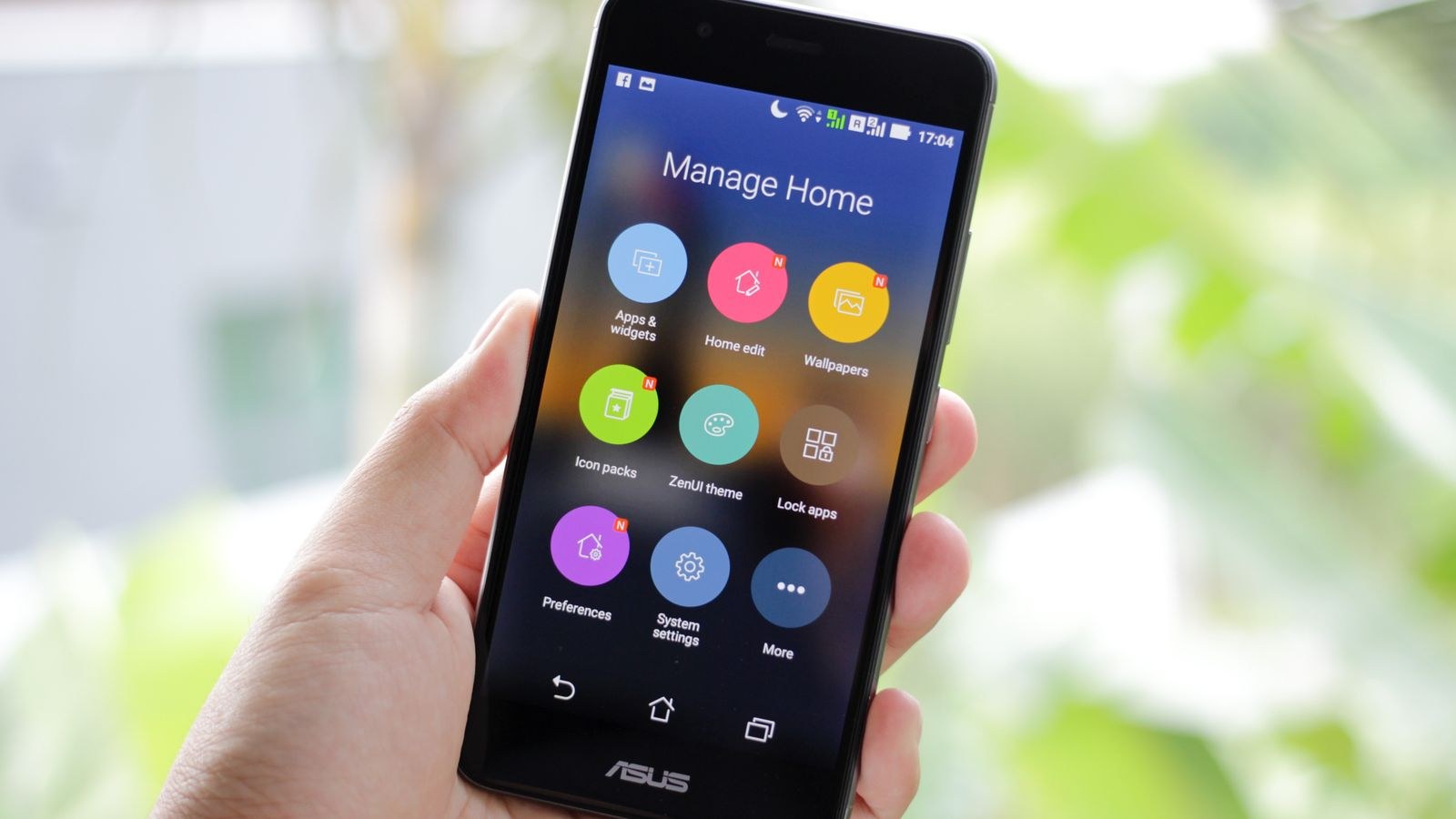
Every notification passes through three separate gates, and a failure at any one stops it silently. The device layer is the sensor and its connection to a hub or WiFi; if the battery is low or the signal is marginal, the event never leaves the room. The platform layer is the app’s own rules about which events generate a notification and to whom. The phone layer is the operating system deciding whether to display, sound, or suppress that notification.
Most people configure the middle layer and assume the other two are fine. In practice, the phone layer causes the majority of missed alerts, because notification priority defaults are conservative and focus modes are aggressive.
Before You Start
- Every sensor paired, named clearly by location, and showing a healthy battery level
- The vendor app updated to the current version, since notification categories change between releases
- Household members identified, with an idea of who should receive which category of alert
- A second phone or a willing family member for testing, because self-testing misses sharing problems
- Fifteen minutes when the house is quiet, since you will be deliberately setting off alarms
Step-by-Step Alert Configuration
- Sort your sensors into urgency tiers. Write down every sensor and assign it to one of three groups: emergency, which must wake you at any hour; important, which should notify immediately but silently at night; and informational, which belongs in a log you check occasionally. Water leaks, smoke, and exterior door openings while armed are emergencies. Interior motion and cabinet sensors are usually informational.
- Enable notifications at the operating system level first. Open your phone’s settings, find the app, and confirm notifications are allowed with sounds and banners. Many people grant a vague permission on first launch that leaves sounds disabled. Check this before touching anything in the app itself.
- Turn on critical or time-sensitive alerts. Both major mobile platforms support a higher notification class that bypasses silent mode and focus settings. Grant this permission for your security or leak app, then enable it inside the app for your emergency tier only. Applying it to every sensor guarantees you will disable it within a week.
- Configure per-sensor notification rules in the app. Most platforms let you choose notifications individually rather than globally. Turn off alerts entirely for informational sensors and rely on the activity history instead. This is the single biggest reduction in alert fatigue.
- Set condition-based rules where supported. The most useful pattern is notifying on door openings only while the system is armed or while nobody is home. This eliminates the constant stream of alerts about family members using the back door during the day.
- Design quiet hours carefully. Suppress informational alerts overnight, but never suppress the emergency tier. If your platform applies quiet hours globally, use the phone’s focus mode with the security app added to the allowed list instead, which gives finer control.
- Share access with the household. Invite each household member and give them appropriate permissions. Check whether your platform sends alerts to all members or only the account owner, because several send critical alerts only to the primary account by default, which is a serious gap when that person travels.
- Add a redundant alert channel. Phones fail, get left in bags, and run out of battery. Add a local siren, a smart speaker announcement, or an email or SMS backup for the emergency tier. Redundancy costs nothing and covers the most common failure mode.
- Test every emergency sensor for real. Trigger each one and confirm the alert arrives. Then repeat with your phone locked, on mobile data instead of WiFi, and with do-not-disturb active. Only that combination proves the chain works when it matters.
- Review the log after a week. Look at what arrived and ask which alerts you actually acted on. Anything you ignored every time should be demoted to informational. Anything you wished had been louder should move up a tier.

Getting the Wording and Detail Right
An alert that says motion detected tells you nothing useful at three in the morning. Name every sensor for its precise physical location, such as Basement Door or Water Heater Pan, so the notification text alone tells you where to go. Generic names like Sensor 3 force you to open the app while adrenaline is already running.
Where the platform allows custom notification text, write it as an instruction rather than a status. Water detected at water heater is far better than Leak sensor triggered. If your system supports including a camera snapshot with the alert, enable it for exterior doors, because a glance at an image resolves most alerts in a second without opening anything.
Grouping Related Sensors
If five window sensors on the same ground floor all report during a storm, five separate notifications are worse than one summary. Where supported, group sensors by zone so a single alert covers the area, and check the app for a repeat notification within a short window. This is particularly valuable for contact sensors, and the platform differences are significant here, so it is worth checking what the best HomeKit door sensors offer in terms of grouping and per-zone rules before expanding a system.
Reducing Alert Fatigue Without Losing Coverage
The failure mode of a well-intentioned setup is too many notifications, followed by the household muting the app, followed by a real event going unnoticed. Prevent it deliberately. Motion sensors are the biggest offenders, generating dozens of daily events that mean nothing when the house is occupied. Set them to notify only when the system is armed away, and let them contribute to automations rather than notifications the rest of the time.
Interior contact sensors on cabinets and interior doors rarely justify a push notification at all. Battery warnings should arrive once per week, not once per hour. Camera motion should use person detection and activity zones rather than raw motion. If your motion devices are the main source of noise, comparing detection behavior across the best motion sensors helps, since some models expose far better filtering than others.
Troubleshooting Missing Alerts
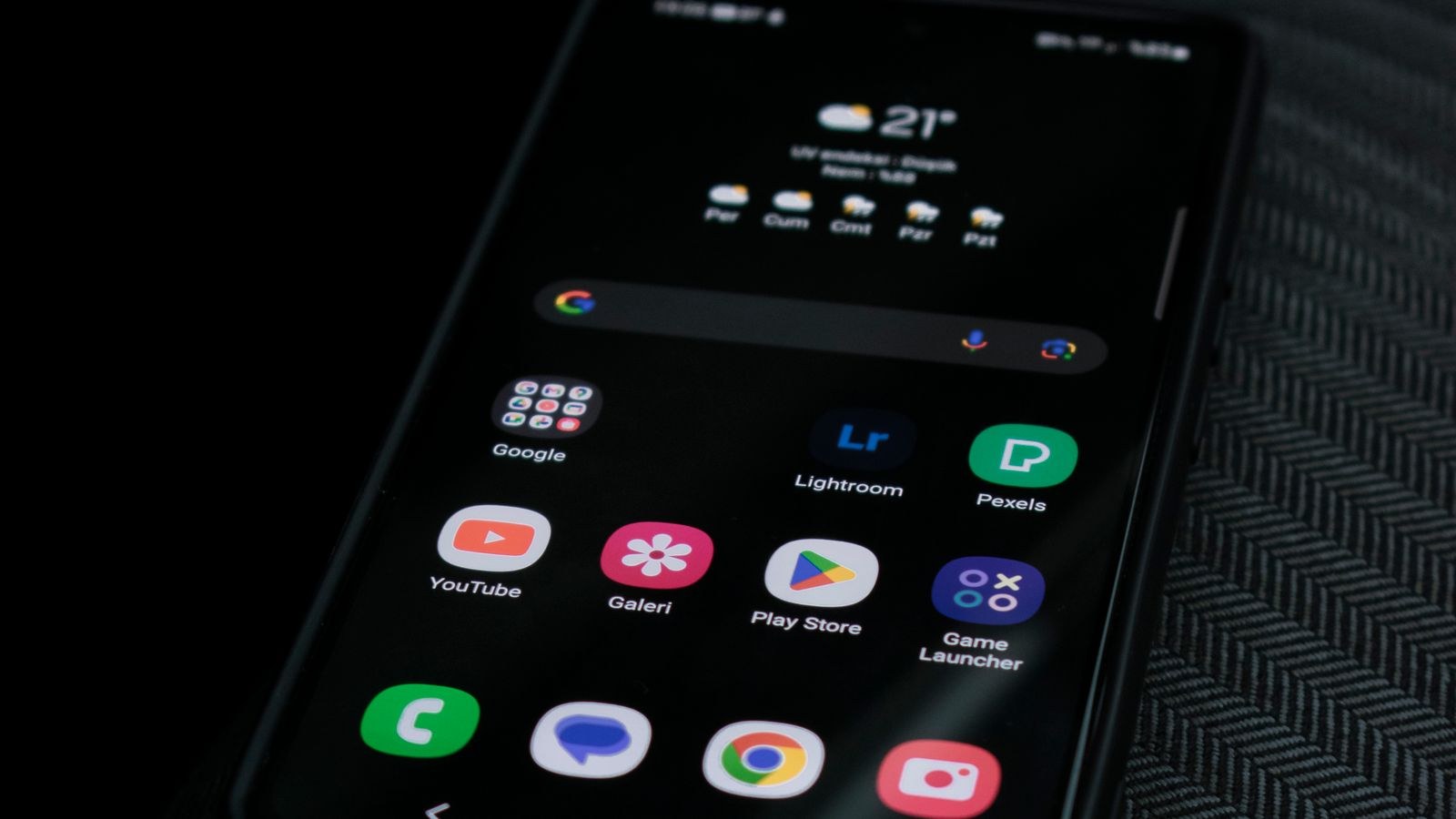
The event appears in the app history but no notification arrived. This is a phone-layer problem. Check operating system notification permissions, focus modes, and any battery optimization setting that restricts the app in the background. Aggressive battery savers on some Android devices silently kill background connections.
Alerts arrive minutes late. Usually battery optimization or a poor mobile data connection. Exempt the app from optimization and confirm background app refresh is enabled.
Nothing appears in the app history either. This is a device-layer problem. Check the sensor’s battery and its connection status, and consider whether the hub is reaching that part of the house. Weak links in outlying rooms are common, and stepping up to one of the best smart hubs often resolves persistent dropouts in garages and basements.
Only one family member receives alerts. Sharing permissions are wrong or the platform restricts critical alerts to the owner. Verify by triggering a sensor and checking each phone directly rather than assuming.
Alerts stop after a phone update. Operating system updates frequently reset notification permissions. Retest your emergency tier after every major update, and after changing phones.
Adding a Local Alarm as Backup
Push notifications depend on internet connectivity at both ends. A local siren does not. For leak and intrusion detection, a device that makes noise in the house itself covers the outage case and alerts anyone at home immediately. Standalone units with built-in sirens are inexpensive and need no configuration, which makes them a sensible second layer even in a fully connected home. The best door alarms include self-contained models suited to this role, and if you are still choosing a platform, the best home security systems differ considerably in how they handle offline alerting and professional monitoring.
Common Mistakes
- Enabling critical alerts for everything. The tier loses all meaning and gets switched off within days.
- Testing only while watching the phone. The test that matters is locked screen, mobile data, do-not-disturb on.
- Leaving sensors with default names. A useful alert tells you where to go without opening the app.
- Assuming everyone gets the alert. Many platforms send critical notifications only to the account owner.
- Never revisiting the configuration. Phone updates, app updates, and new devices all quietly change behavior.
Frequently Asked Questions
Will critical alerts drain my battery?
No. The notification class affects how an alert is presented, not how often the app polls. Battery drain comes from background refresh and location services, not from alert priority.
Can I get alerts without a subscription?
Basic sensor notifications are almost always free. Subscriptions typically add video storage, professional monitoring, and extended history rather than gating basic push alerts, though a few platforms do restrict rich notifications to paid tiers.
What happens during an internet outage?
Push notifications stop, since they need connectivity. A hub with local automations can still sound a siren or turn on lights, and a cellular backup module keeps remote alerts flowing on systems that offer one.
Should I use SMS as a backup?
If your platform supports it, yes, for the emergency tier only. SMS uses a different delivery path from push notifications, so it often gets through when the app does not.
Final Thoughts
Reliable alerting is a configuration problem, not a hardware one. Sort your sensors into urgency tiers, grant critical alert permission to the emergency tier alone, silence informational sensors completely, name everything for its location, share access with the household, and add a local siren as a fallback. Then test the whole chain with a locked phone on mobile data. Ten minutes of this work turns a collection of sensors into a system you can actually rely on, and more importantly, one that nobody in the house has a reason to mute.