Owen Bradley
 Wireless headphones rarely die dramatically. They fade. A pair that once ran a full workday on one charge starts asking for the cable by mid-afternoon, then by lunchtime, and eventually it feels tethered to a charger. Most owners notice this somewhere in the second year and assume it is unavoidable aging. Some of it is, because lithium-ion cells lose capacity with every full cycle no matter what you do. But a large share of the loss people experience is accelerated by ordinary habits: leaving the headphones on a charger overnight every night, storing them fully drained in a hot car, running noise cancellation constantly at maximum, and never turning them off between sessions. Wireless headphone battery life responds well to a handful of small changes. This guide covers how the cells actually wear, which settings drain the most power, and a practical routine that keeps a good pair usable for years instead of seasons.

How Headphone Batteries Actually Wear Out
Every lithium-ion cell has a cycle rating, typically several hundred full charge cycles before capacity falls to around 80 percent of its original figure. A cycle means a full charge worth of energy, so two half-charges count as one. That means topping up frequently does not inherently hurt the battery, which surprises people who grew up with older battery chemistry and its memory effect.
What does hurt is time spent at extremes. A cell held at 100 percent for hours ages faster than one resting at a middle charge, because high voltage stresses the internal chemistry. A cell drained to zero and left there can drop below the voltage its protection circuit will restart, which is how headphones sometimes never wake up after months in a drawer. Heat compounds both effects; the same cell ages several times faster at 40 degrees Celsius than at room temperature. Almost every practical tip below traces back to those three factors: avoid sustained full charge, avoid empty storage, and avoid heat.
Step-by-Step: Habits That Extend Runtime
- Stop charging overnight by default. Most headphones reach full in one to three hours, then sit at maximum voltage for another six. Charge during a meeting or a commute instead, and unplug when the indicator turns solid.
- Aim for the 20 to 80 percent band. Keeping the charge in that middle range dramatically reduces chemical stress. You will trade a little convenience for a noticeable slowdown in capacity loss.
- Turn the headphones off, not just idle. Auto-standby still runs the Bluetooth radio in many models. A deliberate power-off between sessions can add hours of usable runtime per week.
- Enable wear detection. If your model pauses and powers down when removed from your head, switch it on. It is the single most effective automatic saving available.
- Use noise cancellation selectively. ANC runs microphones and a processing chip continuously and can cut runtime by 20 to 40 percent. On a quiet train or at a desk, transparency off and ANC off is often just as pleasant.
- Lower the volume. Amplifier power draw rises steeply near the top of the range. Dropping from 80 percent to 60 percent volume is one of the easiest gains available and protects your hearing at the same time.
- Disable features you never use. Spatial audio, head tracking, always-listening voice assistants, and multipoint connections to two devices all consume power in the background.
- Keep firmware current. Manufacturers frequently ship power management improvements. Updating costs nothing and occasionally restores a meaningful chunk of runtime.
- Charge at room temperature. Never charge a pair that just came out of a hot car or off a sunny windowsill. Let them cool first, since charging a warm cell accelerates permanent capacity loss.
- Store at roughly half charge. If the headphones will sit unused for more than a few weeks, leave them near 50 percent, in a cool drawer, and top them up every three months.
Which Settings Drain the Most Power
Not all features cost the same. Ranked roughly from most to least expensive, active noise cancellation is the biggest single consumer, followed by high volume levels, then transparency or ambient modes which also run microphones continuously. Higher-bandwidth Bluetooth codecs draw more power than standard ones, and multipoint pairing keeps two radio links alive at once. Voice assistants that wait for a wake word run a low-power listening loop that adds up over a long day.
Practical implication: you rarely need to disable everything. Pick the two features that cost the most and that you use least. For many people that is ANC during quiet indoor use and multipoint when only one device is nearby. If your priority is simply the longest possible runtime rather than fine-grained tuning, hardware choice matters more than settings, and comparing the best headsets with long battery life shows how wide the spread between models really is.
Charging Practices That Matter
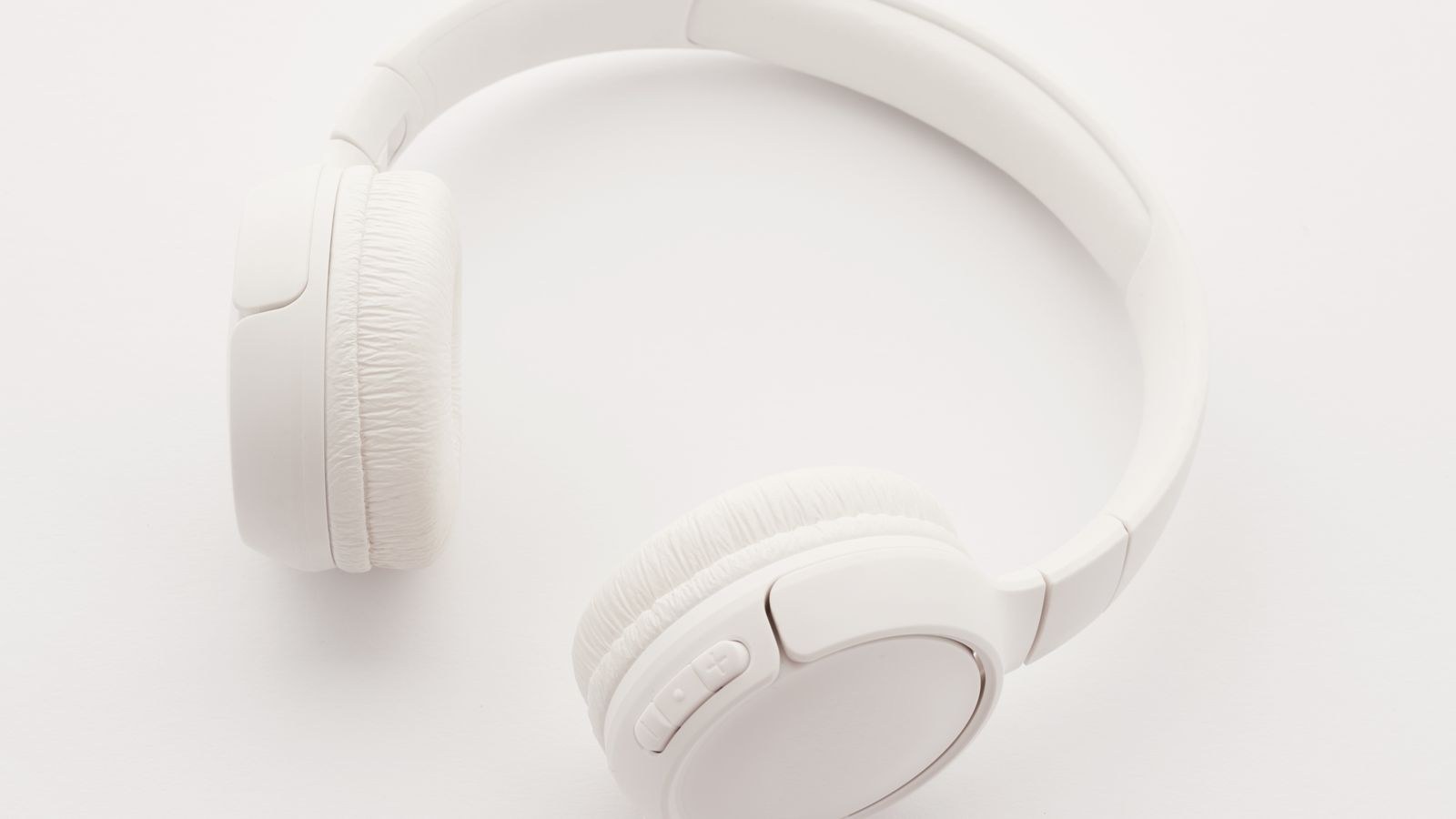
Use the cable and adapter designed for the headphones, or at least a reputable one with the correct output. Cheap chargers with poor voltage regulation stress the cell and can shorten its life measurably. Fast charging is convenient and safe on models that support it, but it generates more heat, so reserve it for when you genuinely need a quick top-up rather than making it your daily habit.
Avoid charging from a laptop that is asleep or in a low-power state, since intermittent trickle charging keeps the cell cycling in small increments without ever completing. If your headphones support charging while in use, that is fine occasionally, but doing it constantly means the cell runs warm under load for hours, which is exactly the condition to avoid. Finally, check the port itself: a lint-packed USB-C connector charges slowly and unevenly, and a dry brush clears it in seconds.
Storage and Travel Habits
Where headphones live between uses matters more than most people expect. A car interior in summer easily exceeds the safe storage temperature, and a single long afternoon in that heat does more damage than months of normal use. Bags left against a radiator or in direct sun cause the same problem in a quieter way.
- Use the case. It protects from heat, dust, and pressure on the hinges, and it stops accidental power-on in a bag.
- Never store at zero. Deep discharge over weeks is the most common way a working pair becomes an unrecoverable one.
- Avoid the car glovebox. It is the worst common storage spot for temperature swings.
- Power off before packing. A pair that stays connected in a bag drains overnight and often gets warm inside a padded case.
- Top up quarterly during long storage. A three-month reminder is enough to keep a stored cell healthy indefinitely.
Travellers face the opposite problem: they need maximum runtime on demand. A pair that supports wired listening through a cable lets you save the battery entirely on a long flight while still hearing the in-flight entertainment. Compact models from our best wireless headsets roundup often include that passive mode, which effectively doubles your usable time away from an outlet.
Diagnosing Sudden Battery Drops
Gradual decline over years is normal. A sudden drop, where runtime halves within a couple of weeks, usually has a specific cause worth finding. Start by checking whether a recent firmware update changed the default ANC or transparency behaviour, because updates sometimes re-enable features you had turned off. Then confirm that multipoint has not silently paired a second device that keeps waking the radio.
Next, test a full cycle deliberately: charge to full, note the time, and use the headphones at a consistent volume with ANC off until they die. Compare the result to the rated figure. If real runtime is far below spec with every feature disabled, the cell has degraded and no setting will recover it. Also check for a stuck power button or a case that presses a control while closed, since that quietly keeps the headphones awake in your bag.
Battery health is also worth weighing against your actual needs. Someone who wears headphones for two hours a day has years of headroom left in a degraded pair, while someone on back-to-back calls all day does not. If you are in the second group and the numbers no longer work, comparing the best Bluetooth headsets for call reliability, the best over-ear headsets for all-day comfort, or the best noise cancelling headsets for open offices will tell you what current models deliver on a single charge.
Frequently Asked Questions
Does leaving headphones charging overnight ruin the battery?
It will not destroy them, but it does accelerate aging. Modern charging circuits stop drawing current at full, yet the cell still sits at peak voltage for hours, which is the condition that causes the most wear over time.
Should I fully drain the battery occasionally?
No. That advice belongs to older battery chemistry. Lithium-ion cells prefer partial cycles, and a full drain to zero is one of the more stressful things you can do to them.
How much runtime does noise cancellation cost?
Typically 20 to 40 percent depending on the model and how aggressive the processing is. Turning ANC off in already quiet environments is the fastest way to reclaim hours.
Can a worn headphone battery be replaced?
Sometimes. Some over-ear models use a serviceable cell and manufacturers offer paid replacement. Most true wireless earbuds are sealed and effectively disposable, so check the support site before buying anything.
Does using a wired connection save battery?
Yes, if the model supports true passive wired playback. Some headphones still require power for their electronics even over a cable, so check whether yours plays with the power switched off.
Final Thoughts
Battery longevity comes down to three habits: keep the charge in the middle of its range instead of parked at full or empty, keep the headphones cool during charging and storage, and turn off the features you are not actually using. None of it requires effort once the routine is set, and together those changes can add a year or two of comfortable use to a pair that would otherwise feel worn out. Combine that with quarterly top-ups during long storage and current firmware, and your headphones should still hold a genuinely useful charge well past the point where most owners give up on them this 2026.