Owen Bradley
 Buying a router that will not work properly with your internet provider’s modem is a common and frustrating mistake. Compatibility issues can cause connection drops, missing features, or a router that simply refuses to pull an IP address from your modem. The good news is that a little preparation eliminates almost all of these problems. This guide walks through how to choose a router that pairs cleanly with your specific ISP and modem setup.
Modem and Router: How They Work Together
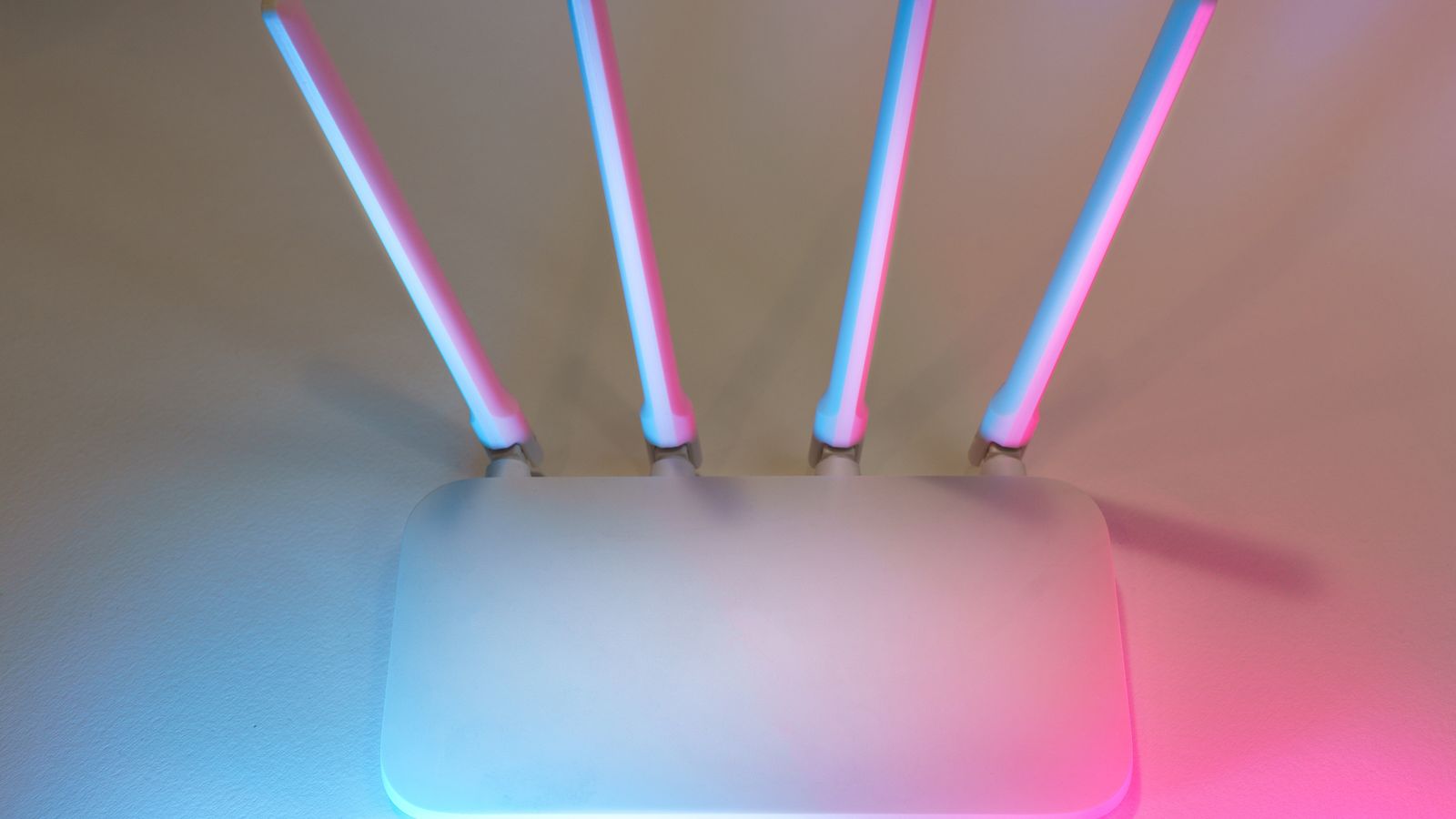
Your modem translates the signal from your internet provider into data your home network can use, while your router distributes that data to your devices over Wi-Fi and Ethernet. Some households have two separate boxes, while others have a single combined gateway that does both jobs. Understanding which arrangement you have is the first step, because it determines whether you are adding a router, replacing a gateway’s routing function, or working alongside ISP-required equipment.
What You Need Before You Start
- Your current modem’s make and model
- Your ISP and connection type: cable, fiber, or DSL
- Your ISP’s list of approved or compatible equipment, if published
- Your home’s Wi-Fi coverage needs, based on size and device count
Step-by-Step: Choosing a Compatible Router
- Identify your connection type. Cable, fiber, and DSL each have different modem requirements, and this determines what kind of router setup you need.
- Check whether you have a separate modem or a combo gateway. If your ISP provided a combined modem-router, you can usually add your own router in a bridged mode, or replace the unit with a separate modem entirely.
- Confirm your ISP allows third-party routers. Most cable and fiber providers support customer-owned equipment, but some fiber ISPs require their own gateway for certain features to work.
- Check the router’s WAN port speed. If you have a gigabit plan, confirm the router’s WAN port supports gigabit speeds or higher, since an underpowered port becomes an instant bottleneck.
- Match Wi-Fi standards to your devices. A newer Wi-Fi standard offers better speed and efficiency, but only helps if your phones, laptops, and smart devices support it too, so check what your gear can use.
- Verify authentication for fiber or DSL. Some fiber connections require credentials or VLAN tagging, and many DSL setups need PPPoE login details, so confirm the router supports your ISP’s method.
- Set your existing gateway to bridge mode if needed. This disables the ISP gateway’s routing so your new router becomes the sole point of control, avoiding double-NAT issues.
- Connect and test. Plug the router into the modem or bridged gateway, run its setup app or web interface, and confirm it pulls a public IP address and that internet access works normally.
Cable vs Fiber vs DSL Considerations
Cable modems generally work with any standard router, since compatibility there is mostly about the DOCSIS version on the modem side rather than the router. Fiber connections vary more: some ISPs require their provided optical network terminal or gateway to remain active for authentication, meaning your router works alongside it rather than replacing it. DSL setups often require PPPoE login credentials entered directly into the router, so make sure any router you choose supports that. Knowing which category you fall into prevents most compatibility surprises.

Matching Equipment to Your Specific ISP
Because modem and router compatibility is tightly tied to your specific internet provider, it helps to look at options tested with your ISP in mind. If you are on Spectrum, reviewing the best modems for Spectrum narrows the field to models confirmed to work with that network’s provisioning. Xfinity customers can do the same by checking the best modems for Xfinity, which lists devices approved for that provider’s DOCSIS requirements and speed tiers. Starting from a provider-specific list saves you the risk of buying equipment that never activates.
Avoiding Double-NAT and Other Setup Traps
One of the most common problems when adding your own router is double-NAT, which happens when both the ISP gateway and your new router try to manage the network at the same time. Double-NAT can break online gaming, VPN connections, and remote access to home devices. The fix is to place the ISP gateway in bridge mode so it acts purely as a modem, leaving your router in full control. If bridge mode is unavailable, some setups instead require placing your router’s connected devices in the gateway’s DMZ, though bridging is cleaner when possible.
Separate Router vs All-in-One Gateway
One early decision shapes everything else: whether to run a standalone router alongside a dedicated modem, or rely on a single combined gateway. A separate router gives you far more control over features, security, and future upgrades, since you can replace the router without touching the modem when Wi-Fi standards advance. An all-in-one gateway is simpler and takes up less space, but it locks the modem and router together, so upgrading one means replacing both. For most people who want long-term flexibility and better Wi-Fi, a separate modem paired with your own router is the stronger long-term investment.
Planning for Coverage and Device Count
Compatibility gets you connected, but coverage determines whether the connection is actually pleasant to use. Before choosing a router, count the devices in your home and note the size and layout of the space. A small apartment with a handful of devices has very different needs from a multi-story house with dozens of smart gadgets, phones, and computers. Larger homes often benefit from a mesh system that works with your modem to blanket every room in signal, while a single powerful router is usually enough for smaller spaces. Matching the router’s capacity to your real usage prevents slowdowns as more devices join over time.
Common Mistakes to Avoid
- Buying a router without checking WAN port speed. A slower WAN port will cap a gigabit plan well below its potential.
- Forgetting to enable bridge mode. Leaving the ISP gateway in router mode alongside a new router creates double-NAT.
- Assuming all fiber ISPs allow third-party routers equally. Some require their own equipment for authentication.
- Skipping the ISP’s approved device list. This can lead to returning equipment that never activates.
- Overlooking DSL authentication needs. DSL often requires PPPoE credentials the router must support.
Frequently Asked Questions
Can I use any router with any modem?
Mostly yes for cable and DSL, since the router just needs a standard Ethernet WAN connection to the modem. Fiber setups are the main exception, where ISP-specific authentication sometimes limits your options.
What is bridge mode and do I need it?
Bridge mode turns an ISP-provided gateway into a simple modem, disabling its routing and Wi-Fi. You need it when adding your own router to a combo unit, to avoid double-NAT and connection conflicts.
Do I need to match my router’s Wi-Fi standard to my modem?
No. Wi-Fi standards govern how the router talks to your devices, not the modem. The modem only needs a wired Ethernet link to the router’s WAN port.
Will a better router increase my internet speed?
It cannot exceed the speed your plan provides, but a capable router with a fast WAN port and strong radios ensures you actually receive the speed you pay for, especially over Wi-Fi.
Final Thoughts
Choosing a router that works cleanly with your ISP’s modem comes down to knowing your connection type, checking WAN port speed against your plan, and confirming whether your provider requires its own gateway to stay active. Take a few minutes to verify these details and, where needed, enable bridge mode to avoid double-NAT. Do that, and you will skip the frustration of equipment that never quite connects.