
 Ryan Delgado
 Finding the best headsets for music means balancing sound accuracy, comfort, and price instead of chasing the loudest bass. Whether you mix tracks in a home studio, spin vinyl on weekends, or stream playlists during a long commute, the right pair changes how you hear every detail. Below, you’ll find 10 headsets worth your attention for 2026, ranging from studio-grade monitors to easygoing wireless options. We break down who each pair suits best, what trade-offs to expect, and which mistakes trip up first-time buyers. Skip ahead to the quick pick if you just want a fast answer.
Quick answer: For most people in 2026, our top pick among the best headsets for music is the Sony MDR7506 — our #1 rated choice, thanks to its accurate mids, folding design, and decades of trust from audio engineers. See the full ranked comparison, alternatives, and buying advice below.

Pros
- 40mm neodymium drivers deliver a stated 10 Hz-20 kHz frequency response for studio-level detail
- Closed-ear design blocks outside noise without needing power or batteries
- Folds flat into the included soft case for storage or travel
- 9.8 ft cord terminates in a gold-plated plug with a bundled 1/4 in adapter for mixing consoles
Cons
- Cord is permanently attached at 9.8 ft, so a damaged cable means sending the whole unit for repair
- Wired only, with no Bluetooth or wireless option for phone or laptop use
- No stated noise-cancelling circuitry, so isolation comes only from the closed-ear seal
The MDR7506 pairs 40mm neodymium drivers with a stated frequency response of 10 Hz to 20 kHz, aimed at accurate monitoring rather than boosted bass. Because the design is fully wired, there is no pairing step, battery to manage, or Bluetooth range limit to work around.
- The 9.8 ft cord ends in a gold-plated plug, with a screw-on 1/4 in adapter included for mixing consoles and amplifiers
- The cord is permanently attached rather than detachable, so cable care matters over years of use
- Closed-ear cups seal out ambient sound instead of relying on active noise cancelling circuitry
This setup suits desks, studios, and stages where a direct cable connection is preferred over wireless.

Pros
- Detachable Kevlar-reinforced oxygen-free copper cable resists handling noise and can be replaced independently of the headphones
- 300 ohm impedance targets dedicated headphone amps and hi-fi setups rather than low-power portable devices
- Open metal mesh earpiece covers and an open dynamic design reduce standing waves for a more natural sound
- Lightweight aluminum voice coils are built for rapid transient response
- Compatible with the separately available HD 500 BAM microphone for gaming headset use
Cons
- 300 ohm impedance means a phone or laptop headphone jack alone will likely drive it at lower volume than a dedicated amplifier would
- Open-back design leaks sound outward and lets in ambient room noise, so it is not suited to shared or noisy spaces
- Wired only, with a cable-based connection and no wireless or Bluetooth option

Pros
- 40mm drivers use rare earth magnets and copper-clad aluminum wire voice coils, tuned for enhanced low-frequency output
- Circumaural, closed-back design provides sound isolation for tracking in loud environments
- Single-sided 9.8-foot cable avoids a tangled two-sided cord during studio or desk use
- Lightweight build designed for extended wear during long tracking or mixing sessions
Cons
- Wired-only connection with a fixed 9.8-foot cable, no Bluetooth or detachable cable option
- Closed-back circumaural design isolates sound but also traps heat, which can feel warm during long sessions
- Entry-level tier within the M Series line, so it does not include the higher-end drivers of the M40x or M50x models

Pros
- 40mm drivers with rare earth magnets and copper-clad aluminum wire voice coils tuned flat for accurate monitoring
- Closed-back circumaural design seals around the ear for sound isolation in loud studio or live environments
- 90-degree swiveling earcups allow one-ear monitoring without removing the headphones
- Detachable cable system includes a 1.2m to 3.0m coiled cable and a separate 3.0m straight cable
- Collapsible earcup hinges fold the headphones down for storage in a bag or studio case
Cons
- Closed-back circumaural design and detachable cables mean this is a wired headphone with no wireless or Bluetooth mode
- No in-line microphone or call controls are included on either cable, since these are built for studio monitoring rather than calls
- Only sold in black, with no other colorway offered

Pros
- 250 Ohm impedance is tuned for dedicated headphone amps and studio interfaces rather than phone or laptop headphone jacks alone
- Frequency response spans 5 Hz to 35,000 Hz, wider than the roughly 20Hz-20kHz range of typical consumer headphones
- 3m coiled cable with both a 3.5mm plug and a 1/4 inch adapter covers studio and portable amp setups
- Circumaural ear pads are replaceable, so worn padding can be swapped without buying a new headphone
- Open-back design is built for a wide, natural soundstage suited to critical listening and mixing
Cons
- Open-back construction leaks sound both in and out, so it is a poor choice for noisy environments or shared spaces
- 250 Ohm impedance needs a dedicated headphone amp to reach full volume and detail; phones and most laptops alone will underdrive it
- Wired-only 3m coiled cable means no Bluetooth or portable low-power use without an amp
The DT 990 PRO runs at 250 Ohm impedance with a frequency response spanning 5 Hz to 35,000 Hz, positioning it as an open-back studio headphone for critical listening and mixing rather than casual portable use. The open-back design creates a wide, three-dimensional soundstage with a mild bass and treble boost that stays controlled rather than harsh.
- Impedance: 250 Ohm
- Frequency response: 5-35,000 Hz
- Design: Open-back, circumaural
Because of the 250 Ohm load, these headphones are built to pair with a dedicated headphone amp or studio interface rather than running directly from a phone or basic laptop output.
A 3m coiled cable comes terminated with a 3.5mm plug and includes a 1/4 inch adapter, covering both portable devices and full-size studio equipment without needing a separate cable purchase. Being fully wired, there is no Bluetooth pairing or battery to manage, trading portability for a stable, lag-free connection to amps and interfaces.
- Cable: 3m coiled, 3.5mm plug plus 1/4 inch adapter included
- Connection: wired only, no Bluetooth
- Best paired with: headphone amps, studio interfaces, home hi-fi systems
Listeners wanting a grab-and-go pair for a phone on the move should note the 250 Ohm impedance and 3m coiled cable are built around desk and studio use, not portable listening.

Pros
- Up to 76 hours of battery life per charge, with a full recharge taking as little as 2 hours over USB-C
- A 5-minute quick charge adds roughly 3 additional hours of playback when the battery runs low
- Bluetooth 5.3 keeps the wireless connection to a smartphone stable with lower latency than older Bluetooth versions
- JBL Pure Bass Sound tuning is based on the same technology JBL uses in large venue sound systems
- Voice Aware lets you hear your own voice during calls, adjustable through the JBL Headphones App
Cons
- EQ customization and voice prompt language selection require downloading the JBL Headphones App
- No active noise cancellation is listed, so ambient sound reduction relies on the earcup seal alone
- USB-C charging cable is required for the fast-charge features, so a compatible cable needs to stay on hand
Pros
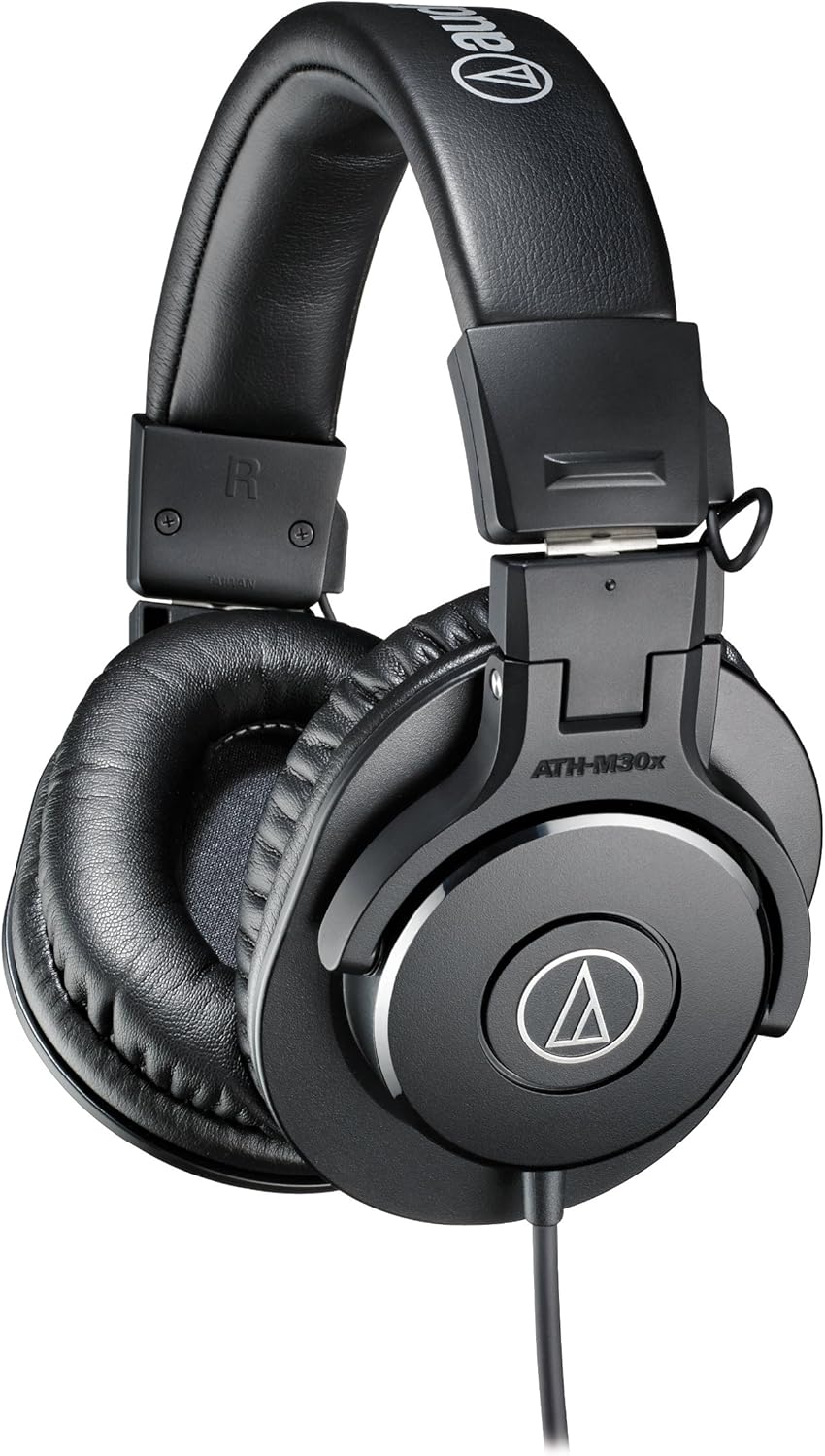
- Advanced build quality and engineering
- 40 millimeter drivers with rare earth magnets and copper clad aluminum
- Tuned for enhanced detail, with excellent mid-range definition
- Circumaural design contours around the ears for excellent sound
- Convenient single side cable exit

Pros
- E.A.R. angled driver alignment recreates a hi-fi speaker listening triangle inside the headphones
- Velour ear pads and ventilated earcups are built to reduce heat during long listening sessions
- Detachable cable ships with both a 6.35mm plug and a 3.5mm adapter for different sources
- Precision-tuned transducers are aimed at revealing fine detail across the frequency range
Cons
- Open-back design leaks sound outward and lets ambient room noise in, making it a poor fit for shared or noisy spaces
- Wired-only connection with no Bluetooth or wireless option ties it to a source device
- No in-line microphone or remote on the included cable, so calls need a separate microphone
The headphones connect over a detachable wired cable rather than Bluetooth, with a 6.35mm plug included plus a 3.5mm adapter for laptops, PCs, DACs, home stereos and record players. That detachable design means a damaged cable can be replaced without discarding the whole headphone.
- Detachable cable, 6.35mm plug with 3.5mm adapter
- Compatible with PCs, DACs and home audio gear
- No wireless or Bluetooth mode
Because there is no in-line remote or microphone, they are better suited to dedicated listening than to voice calls or on-the-go use with a phone.

Pros
- Detachable single-sided cable simplifies replacement if the cord wears out, without needing to rewire both ear cups
- Closed-back design attenuates background noise, useful for monitoring in loud DJ booth or live-sound environments
- Rotatable single-ear capsule lets one cup swivel away for quick one-ear cueing without removing the whole headset
Cons
- Wired-only design with no Bluetooth option, so a cable connection to the mixer or device is required at all times
- No in-line microphone or call controls, since the design targets studio and DJ monitoring rather than phone use
- No carrying case is mentioned in this listing, so the detachable cable and folding hinge are the main portability features included

Pros
- Hi-Res Sound Quality Equipped with 40mm drivers, these wired over-ear
- Built to Stay Comfortable The soft padded ear cushions are specifically
- No More Adapter A long-style 6.6-9.8 ft coiled cord and standard-sized
- Single-sided Monitoring 90 swiveling earcups for single-ear monitoring
- Share Audio Port With a shared audio port, easily connect another pair
Best Headsets for Music: What to Look for Before You Buy
Not every “music” headphone is built the same way. Some prioritize a flat, neutral response so you hear tracks the way the artist mixed them. Others boost bass and treble for a punchier, more fun listen. Knowing which camp you fall into narrows the list fast.
Driver Type and Sound Signature
Studio monitor headphones, like the Sony MDR7506 or the Audio-Technica M-series, aim for a flatter sound signature. That accuracy matters if you’re editing audio or want to hear mixing flaws. If you mainly want an enjoyable listen, a warmer, bass-forward set works better for casual sessions.
Open-Back vs. Closed-Back Design
Closed-back headphones seal around your ear and block outside noise, which suits shared spaces or commuting. Open-back models, such as the Sennheiser HD 560S, let air pass through the ear cups for a wider, more natural soundstage. The trade-off: open-back designs leak sound, so they work best in a quiet room at home.
Comfort for Long Listening Sessions
If you listen for hours at a stretch, clamping force and pad material matter as much as sound. Velour pads breathe better than pleather but trap slightly less bass. Look for an adjustable headband and a lighter build if you wear headphones daily.
Wired vs. Wireless for Serious Listening
A wired connection still delivers the most consistent, highest-resolution sound for critical listening, and it never needs charging mid-session. Wireless models add convenience for chores, workouts, or commuting, but Bluetooth compression can soften fine detail on complex tracks. If accuracy is your top priority, lean wired; if freedom of movement matters more, wireless is the better trade.
Top Picks for Studio-Accurate Sound
When people ask which headphones sound most “correct,” this category is where you start. These picks prioritize honest, uncolored audio over hyped bass.
The Sony MDR7506 has been a broadcast and studio staple for years, and its huge review count reflects that trust. Its closed-back design isolates well, and the coiled cable survives daily studio use. It’s a strong match if you want dependable accuracy without a steep price.
The Sennheiser HD600 sits a step up in price but rewards you with a smoother, more refined tonal balance. Audiophiles often keep this model for years because the sound rarely feels fatiguing. It pairs best with a dedicated headphone amp, so factor that into your budget.
If you want a similar profile for less, the Audio-Technica ATH-M40x offers a closer, more affordable alternative with detachable cables — worth checking the current price on Amazon if the HD600 stretches your budget.
Best Open-Back Headphones for Immersive Music Listening
Open-back headphones trade portability for a spacious, out-of-your-head sound that closed designs can’t match. They’re ideal for quiet home listening rather than studios or commutes.
The Sennheiser HD 560S gives you a genuinely neutral tuning at a mid-range price, making it a smart entry point into open-back listening. Reviewers consistently praise its clarity on vocals and acoustic instruments.
The beyerdynamic DT 990 Pro leans brighter and more energetic, which suits electronic and rock genres especially well. Its velour pads stay cool during long sessions, though the treble can feel sharp if you’re sensitive to sibilance. If you already own a wired headset for work calls, this pair is worth reserving purely for critical music listening.
Budget-Friendly Options That Still Sound Great
You don’t need to spend big to get a listenable, accurate pair. These options prove that a tighter budget still buys real performance.
The Audio-Technica ATH-M20x delivers a balanced sound and solid build for well under $100, and its huge review count backs up its reputation as a safe first purchase. It won’t dazzle with bass, but it won’t disappoint either.
The OneOdio A71 costs even less and adds a share-port feature so a friend can plug in alongside you. Build quality feels a notch below the Audio-Technica line, but for casual listening or a backup pair, it’s hard to beat the value. See our top pick above if outright accuracy matters more than price.
Best Wireless Pick for Casual Listening
Wired headphones still win on pure fidelity, but wireless convenience matters for everyday listening away from a desk. If cables aren’t your priority, browse our best wireless headsets roundup for more options beyond this pick.
The JBL Tune 720BT stands out here with an especially long battery life and a lightweight, foldable frame that travels well. Sound leans toward JBL’s signature bass boost, so it suits pop, hip-hop, and electronic genres more than acoustic or classical tracks. It’s not a studio tool, but for gym sessions or lounging around the house, it’s genuinely comfortable.
Specialty Picks Worth Knowing About
A couple of models in our list serve narrower needs but deserve a mention if they match your use case.
The Sennheiser HD 25 was built for DJ booths, with a rotating single-ear cup and a rugged headband that survives years of gigging. If you’re producing or mixing rather than just listening, our best headsets for music production guide dives deeper into monitoring-specific picks. The Audio-Technica ATH-M30x also deserves a look if you want closed-back isolation with a slightly warmer tone than the M20x.
Matching a Headset to How You Actually Listen
The “best” pair depends heavily on where and how you listen, not just the spec sheet. Matching the headset to your routine gets you a lot closer to the right purchase than chasing the highest-rated model in isolation.
If most of your listening happens at a desk during focused work, an open-back pair like the Sennheiser HD 560S rewards you with detail you’d otherwise miss through laptop speakers. If you split time between music and video calls, a closed-back set doubles as a practical option for both. For anyone who listens on the move — walking, commuting, or at the gym — durability and a secure fit matter more than absolute accuracy, which is where a wireless pick like the JBL Tune 720BT earns its place.
Genre matters too. Bass-driven styles like hip-hop and EDM often sound more satisfying on a warmer-tuned pair, while acoustic, jazz, and classical recordings reveal more detail through a neutral, studio-style headphone. If you listen across genres, a balanced set such as the Audio-Technica ATH-M40x avoids leaning too hard in either direction.
Common Mistakes to Avoid When Buying Music Headphones
Even experienced listeners make these missteps. Avoiding them saves you money and a return shipment.
- Buying open-back headphones for commuting, then finding everyone nearby can hear your music.
- Assuming higher impedance always means better sound — some high-impedance models need a dedicated amp to sound their best.
- Skipping the comfort check and ending up with a pair too tight for long sessions.
- Choosing bass-heavy tuning for critical listening or editing work, which hides mix problems.
- Ignoring cable type — a detachable cable can save the whole headphone if it eventually fails.
Who Should Skip These Picks
Not every pair here fits every listener, and that’s worth saying plainly. If you need noise cancellation for flights or open offices, none of these models include active ANC — look at dedicated travel headphones instead. If you primarily game and want a built-in microphone, a gaming-focused headset will serve you better than the studio-style options above.
Frequently Asked Questions
What’s the difference between headphones and a headset for music?
A headset includes a built-in microphone, while headphones focus purely on audio output. Most serious music listeners choose headphones since the mic adds bulk and rarely improves sound quality.
Do I need an amplifier for studio headphones?
Higher-impedance models like the Sennheiser HD600 benefit from a dedicated amp for full volume and detail. Lower-impedance options, including the Sony MDR7506, work fine straight from a phone or laptop.
Is open-back or closed-back better for music?
Open-back headphones usually sound more spacious and natural, but they leak audio and let outside noise in. Closed-back models isolate better, making them the safer pick outside a quiet room.
How much should I spend on headphones for music?
You can get genuinely accurate sound in a modest price range, as shown by picks like the Audio-Technica ATH-M20x. Spending more typically buys refinement and comfort rather than a dramatic jump in accuracy.
Can I use studio headphones for everyday listening?
Yes, studio headphones work well for daily listening, though their flatter tuning can sound less exciting than consumer headphones at first. Many listeners find they prefer the accuracy once their ears adjust.
Are wireless headphones good enough for music now?
Modern Bluetooth codecs have closed much of the gap with wired listening, and a pick like the JBL Tune 720BT sounds solid for casual use. For critical listening or editing work, though, a wired connection still avoids any compression trade-offs.




