Owen Bradley
 Lower back ache after a long day at the desk is rarely a sign that you need to throw out your chair. Most seats fail in exactly one place: the backrest is flat where your spine curves inward, so the lumbar region slowly collapses into a slouch over the course of a working day. The good news is that you can add lumbar support to a chair you already own for a fraction of the cost of replacing it, using a cushion, a rolled towel, or a strap-on pad. The trick is placement and stability. A support that sits too low, too high, or slides down every time you stand up will do nothing. This tutorial walks through measuring your own curve, choosing the right filling, fitting the support so it stays put, and dialling in the rest of the chair so the new support actually gets a chance to work.
What Lumbar Support Actually Does
Your spine has a natural inward curve at the lower back called the lumbar lordosis. When you stand, that curve holds itself. When you sit, especially on a flat or slightly convex backrest, the pelvis rotates backward and the curve flattens or even reverses. That flattened position loads the discs and the surrounding muscles unevenly, which is where the familiar dull ache after two or three hours comes from.
A lumbar support is simply a shaped filler that occupies the gap between your lower back and the backrest, so the curve is held rather than allowed to sag. It does not push you forward, and it should not feel like a fist in your spine. Done properly, the support feels like nothing at all after a few minutes, and you only notice the difference when you remove it.
Tools and Materials You Will Need
- A support of some kind: a memory foam lumbar cushion, an inflatable back pad, or a rolled bath towel if you want to test the idea for free.
- An adjustable strap: most purpose-made cushions include one. Otherwise a luggage strap or a length of wide elastic with a buckle works.
- A tape measure to find the height of your own lumbar curve.
- A large safety pin or two for temporary towel setups.
- Non-slip shelf liner if your backrest is smooth vinyl or leather and cushions tend to slide.
- A mirror or a phone camera so you can check your seated profile from the side.
None of this is expensive. If you would rather buy something purpose-built than improvise, our roundup of the best desk chair cushions covers both seat and back options and explains which fillings hold their shape longest.
Step-by-Step: Fitting Lumbar Support to Your Chair
- Clear and reset the chair first. Remove any existing cushions, jackets, or bags hanging on the backrest. Set the seat height so your feet rest flat on the floor with your knees at roughly a right angle, and sit fully back so your hips touch the junction of seat and backrest. Everything that follows depends on starting from this baseline.
- Find your lumbar height. Sitting upright, slide the back of your hand into the gap between your lower back and the backrest. The deepest point of the gap is the centre of your lumbar curve, usually about 6 to 9 inches above the seat pan for most adults. Measure that distance with the tape and note it. This number, not the shape of the cushion, decides where the support goes.
- Test the depth with a rolled towel. Roll a bath towel into a firm cylinder about 4 to 5 inches thick and place it at the height you measured. Sit back. It should feel like gentle contact along the curve, not a wedge that tips your ribcage forward. Too thick and you will arch excessively; too thin and you will not feel any change. Unroll or add a layer until the contact feels even.
- Choose your permanent filling. Once the towel test tells you the depth you want, match it. Moulded memory foam holds a consistent shape and suits most people. Inflatable pads let you fine tune pressure through the day and travel well. Firm polyester fibre is cheapest but compresses fastest, so expect to replace it more often.
- Anchor the support so it cannot migrate. This is the step people skip, and it is why most attempts fail within a week. Run the strap around the backrest and cinch it just tight enough that the cushion resists a firm downward push with your hand. If the strap crosses a mesh back, spread the load across a horizontal frame member rather than a single mesh panel. On smooth leather or vinyl, place a square of non-slip liner behind the cushion as well.
- Sit and check your profile. Have someone photograph you from the side, or set your phone on a shelf. You want ears roughly over shoulders, shoulders over hips, and a visible but modest inward curve at the belt line. If your chest is thrust forward or your head has drifted back, the support is too thick or too high.
- Adjust the backrest angle to match. A support works best with the backrest reclined slightly, around 100 to 110 degrees, rather than bolt upright. That small recline shifts load off the discs and lets the cushion carry weight instead of merely filling a gap.
- Live with it for three days before judging. Muscles that have been slouching for months need time to adapt. Mild novelty stiffness in the first two days is normal. Sharp pain, numbness, or worsening ache is not, and means the support is too aggressive or sitting too high.

Getting the Height Right for Different Chair Types
Mesh Task Chairs
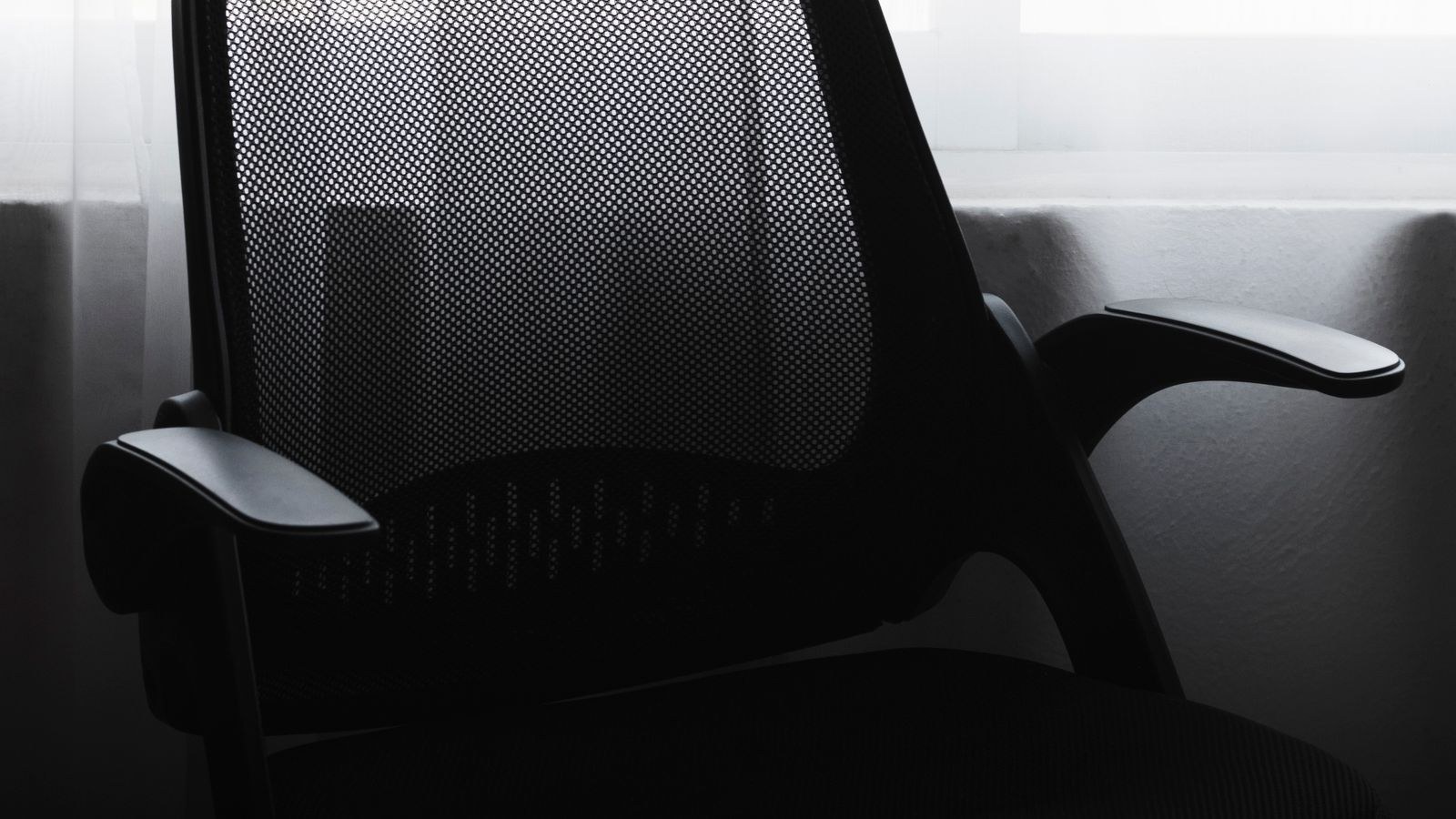
Mesh backs already flex to your shape, so they often need less added depth than they appear to. Start thinner than you think and add material only if the gap remains. Strap the cushion to a rigid frame edge, never to the mesh alone, or the tension will pull the panel out of shape over time.
Padded Executive Chairs
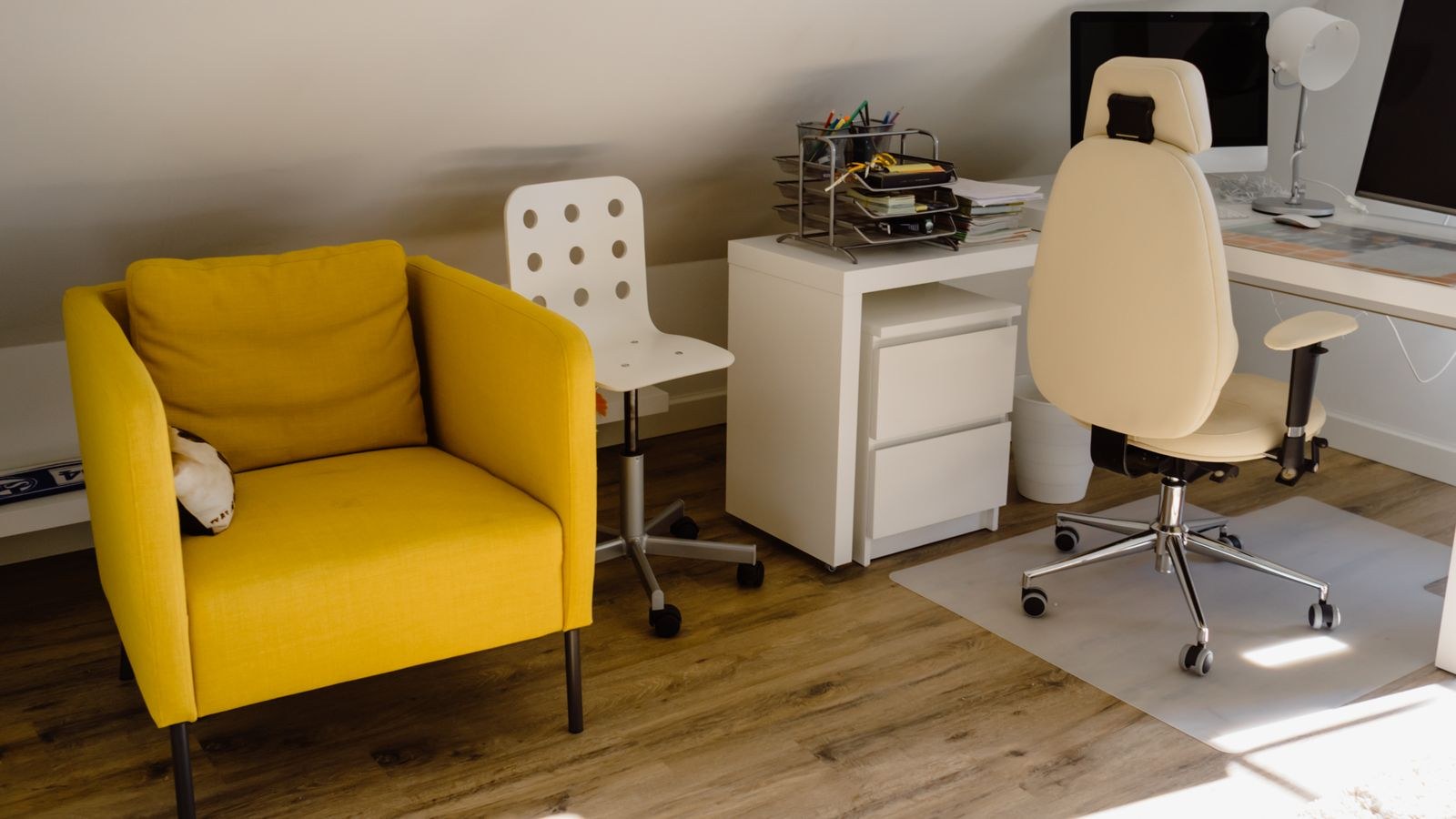
Tall padded backs frequently have foam that has compressed unevenly, leaving a hollow exactly where you need firmness. A denser cushion is usually needed here to make up for the collapsed foam underneath. If the padding is flattened across the whole back, a full-height back cushion often beats a small lumbar pillow.
Dining Chairs and Flat Wooden Seats
Flat backs need both a lumbar roll and a seat wedge, because the flat pan tips the pelvis backward before the backrest is even involved.
Safety and Comfort Notes
A lumbar cushion is a comfort aid, not a medical device. If you have a diagnosed disc problem, sciatica, or persistent numbness down a leg, talk to a clinician before changing your setup, because the right curve depth varies with the condition. Never strap a support so tightly that it deforms the backrest frame, and check plastic backrests for stress marks after a few weeks.
Troubleshooting Common Problems
- The cushion slides down within an hour. The strap is too high or too loose. Move the strap anchor closer to the cushion’s own centre line and add non-slip liner behind it.
- You feel a pressure point rather than support. The cushion is too narrow or too rounded. Wider and flatter spreads the load across the whole curve.
- Your upper back now aches instead. The support is too thick, pushing your shoulders forward. Reduce depth by an inch and recline the backrest slightly.
- Nothing changed at all. Check your seat height and depth first. If the seat pan is too deep, you cannot sit back far enough for any lumbar support to reach your spine.
- It helps in the morning but not the afternoon. Foam has compressed or the strap has loosened. Inflatable supports handle this better because you can top up pressure mid-day.
Mistakes That Undo Your Work
The most common error is treating the cushion as the whole solution. Seat height, seat depth, armrest height, and monitor position all influence how your lower back loads, and a support fitted to a badly adjusted chair simply props up a bad posture. Working through a full setup pass first is worth the ten minutes, and our walkthrough on how to adjust your office chair for posture covers the order in which to make those changes.
The second mistake is going too firm too fast. People often assume that more support means more relief, then strap a hard block against their spine and give up after a day of discomfort. Start gentle and add depth gradually. The third is buying a beautiful cushion with no strap at all, which guarantees you will be reaching behind you to reposition it every twenty minutes.
When to Stop Modifying and Replace the Chair
There is a point where retrofitting stops making sense. If the seat foam has bottomed out so far that you feel the base plate, if the backrest tilt no longer locks, or if the frame flexes when you lean back, no cushion will fix the underlying problem. At that point the money is better spent on a seat that has the curve built in. If you reach that stage, chairs with proper adjustable support are worth comparing directly, and our lists of the best chairs with lumbar support and the best office chairs for lumbar support group models by how much the support can be moved and firmed. For readers whose pain is already established, the more targeted roundup of best desk chairs for lower back pain narrows the field further.
Frequently Asked Questions
How thick should a lumbar cushion be?
Most people are comfortable with 3 to 5 inches of depth at the deepest point. The right figure is whatever fills the gap between your lower back and the backrest without pushing your ribcage forward. Measure the gap rather than guessing.
Can a rolled towel work permanently?
Yes, provided you secure it. A towel roll pinned or strapped in place performs much like a fibre cushion, though it compresses and needs re-rolling every week or so. Many people use one to confirm the right depth before buying a moulded cushion.
Why does my back hurt more after adding support?
Usually the cushion is too thick, too firm, or positioned too high, forcing an exaggerated arch. Reduce the depth, lower it an inch, and recline the backrest slightly. If discomfort persists beyond a few days, remove it and reassess the whole chair setup.
Final Thoughts
Adding lumbar support to a chair you already own is one of the highest-value changes you can make to a workspace, and it takes less than half an hour. Measure the height of your own curve rather than trusting where a cushion happens to sit, choose a depth that fills the gap without forcing an arch, and anchor it firmly so it survives the first time you stand up. Then adjust the rest of the chair around it and give your body a few days to settle. If the chair itself has structurally failed, upgrade instead of patching, but for the great majority of tired seats a well-placed cushion buys back years of comfortable use.