Owen Bradley
 Somewhere around the third December of climbing a ladder in freezing rain, most homeowners start wondering whether there is a permanent solution. There is: a track of individually addressable LED points mounted permanently under the roofline, controlled from an app, capable of producing warm white for everyday use, red and green in December, orange in October, and team colors on game day. Permanent holiday lights have gone from a novelty to a mainstream exterior upgrade, and the marketing around them is enthusiastic enough that it is worth taking a hard look at what they cost, what they actually do well, and who genuinely should not buy them. This guide covers the technology, realistic installed pricing, the year-round use case, and how the value compares to simply buying good strands and hanging them each season.
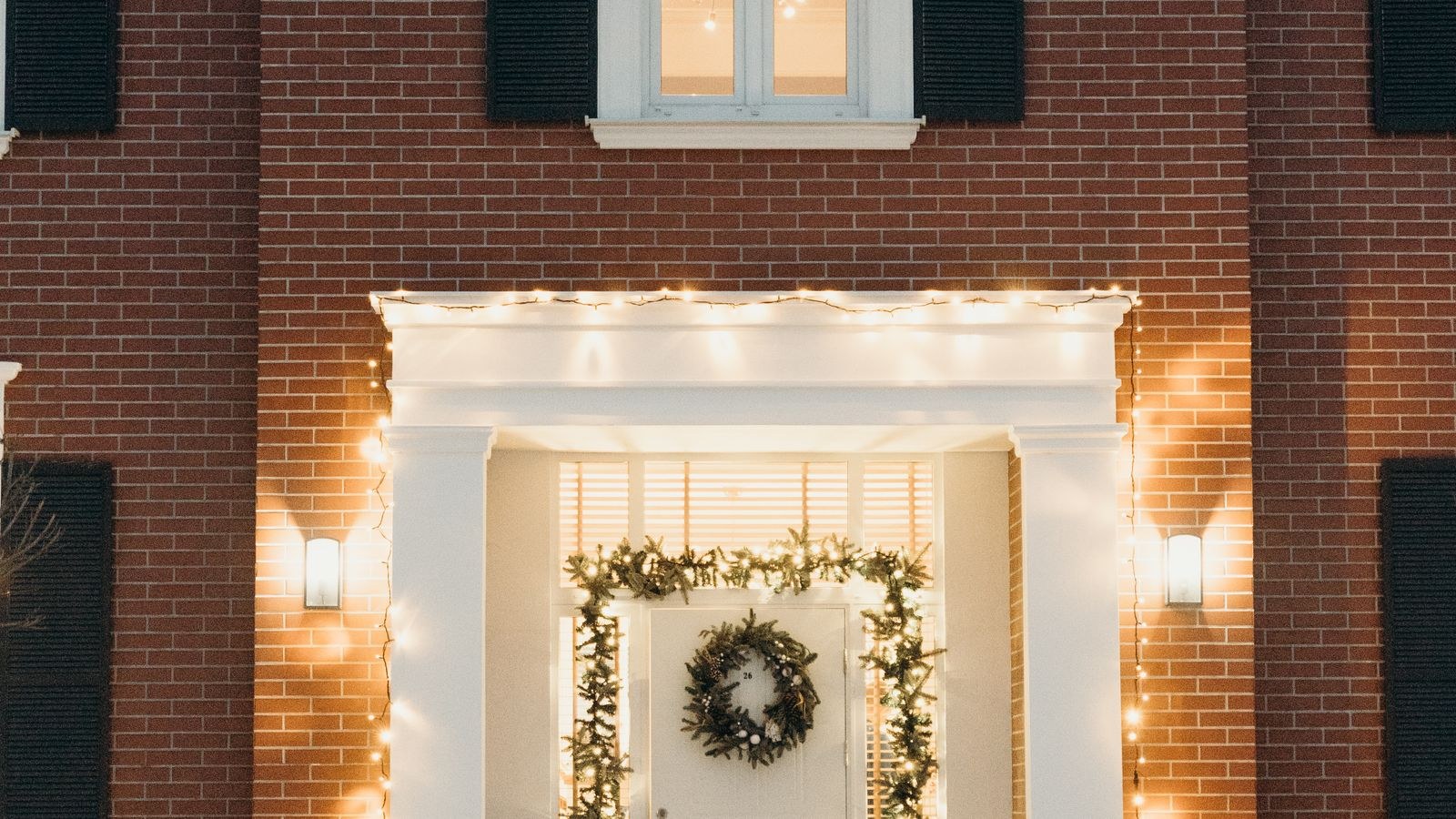
What Permanent Holiday Lights Actually Are
The product is a rigid or semi-rigid channel, usually aluminum or PVC, screwed into the fascia or soffit line just under the edge of the roof. Inside the channel sits a run of individually addressable RGB or RGBW LED modules, spaced anywhere from 4 to 12 inches apart depending on the system. A low-voltage power supply and a controller feed the run, and the controller connects to your home Wi-Fi.
The key word is addressable. Each LED point can be set to its own color and brightness independently, which is what allows patterns, chases, gradients and alternating color sequences rather than one uniform color across the whole roof. Older permanent systems used single-color-per-run wiring and were far less flexible; anything sold today should be addressable.
The channel is designed to hide the modules from view during the day. From the street, a well-installed system reads as a thin trim line, similar to a drip edge. Cheap installations, or systems installed on the wrong surface, are noticeably more visible in daylight, which is the most common aesthetic complaint.
What They Do Well
Zero seasonal labor. This is the headline benefit and it is real. No ladder, no clips, no untangling, no storage bin, no taking them down in January when it is colder than when you put them up. You open an app and change a scene.
Year-round usefulness. A permanent system used only in December is poor value. Used as low-level warm white accent lighting on ordinary evenings, plus holiday colors for a dozen occasions a year, it earns its place. Most owners report that the everyday warm white mode ends up being what they use most.
Safety and security. Eliminating annual ladder work on a two-story roofline removes a genuine injury risk. A lit exterior also improves visibility around the house at night.
Consistency. A professionally installed run is perfectly straight and evenly spaced in a way hand-hung strands rarely are, and it never has a dead section mid-season.
What They Do Poorly
The classic bulb look. Small addressable modules in a channel do not look like C9 bulbs. If the traditional big-bulb roofline is what you love, a permanent system will feel like a different thing entirely rather than a replacement. Some systems now offer larger lens caps to soften this, but the aesthetic gap remains.
Coverage limits. Permanent systems trim the roofline. They do not light your shrubs, wrap your porch columns, illuminate a yard tree or handle inflatables. A full display still needs conventional strands for everything below the eaves.
Daytime visibility. A channel under the fascia is subtle but not invisible. On homes with ornate trim or unusual eave detailing it can read as an added element.
Committed placement. The track is screwed to the house. Changing where the lights run later means patching holes.
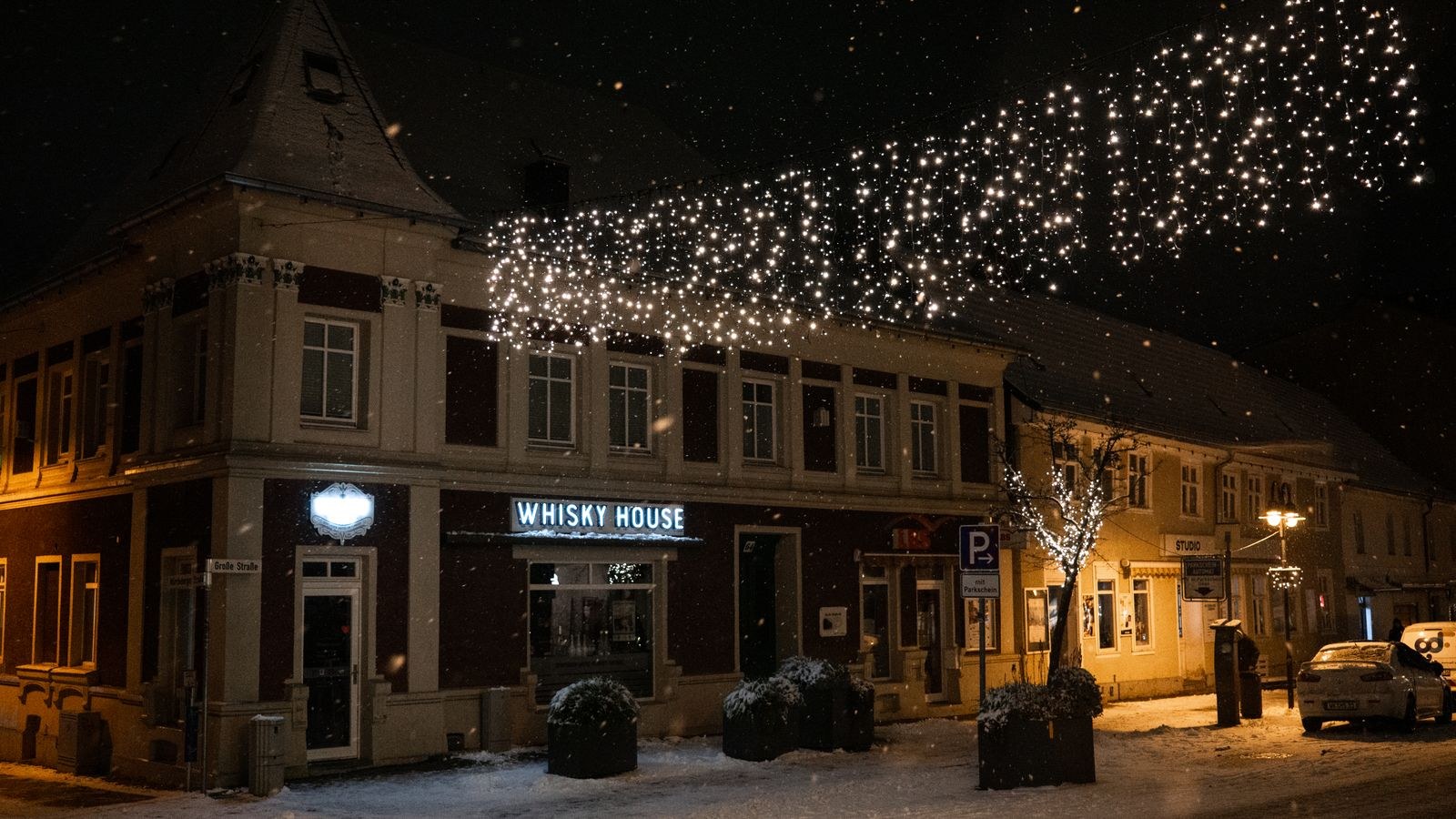
The Cost Question, Honestly
Professional installation is priced per linear foot of roofline, and pricing varies widely by region and by system tier. Broadly, professionally installed systems run in the range of $25 to $50 per linear foot, with premium brands and complex multi-level rooflines pushing higher. A modest single-story home with 120 feet of trim therefore lands somewhere around $3,000 to $6,000. A larger two-story home with dormers and multiple gables can easily exceed $10,000.
DIY kits change the math substantially. Self-installed systems typically run $5 to $15 per foot in materials, so the same 120-foot roofline might cost $600 to $1,800. The work is not electrically complex, since the LED runs are low voltage, but it does involve extended ladder time, precise channel alignment, and finding a weatherproof location for the controller and transformer. If you are not comfortable working at height for a full weekend, pay for installation.
Compare that to the alternative. A quality set of commercial-grade seasonal strands for the same roofline costs a few hundred dollars and lasts many years. Professional hang-and-remove services typically charge $2 to $5 per linear foot per season, so the same house might pay $300 to $600 annually. On that basis a professionally installed permanent system takes roughly six to ten years to break even against professional seasonal hanging, and far longer against doing it yourself. The financial case is weak in isolation; the case improves considerably if you value the year-round lighting and the elimination of ladder work.
Before committing to permanent hardware, it is worth pricing out what a good conventional setup would cost. Reviewing the best exterior Christmas lights gives you a realistic baseline for the seasonal approach, and the best Christmas lights for rooflines comparison shows what a well-executed hand-hung roof outline actually costs to build.
Key Specifications to Compare
LED Spacing and Density
Modules spaced 4 inches apart create a nearly continuous line of light. Twelve-inch spacing creates distinct points that more closely mimic traditional bulbs. Tighter spacing costs more and consumes more power but gives smoother gradients and animations. Six to eight inches is a common compromise.
RGB vs RGBW
RGB systems mix red, green and blue to create white, which produces a slightly tinted, often bluish result. RGBW systems include a dedicated white diode, which produces a much cleaner warm white for everyday use. Since everyday white is the mode most owners use most, RGBW is worth the premium.
Brightness
Quoted in lumens per foot or per module. Sufficient brightness matters more than it sounds, because a system that looks great at dusk can disappear against a streetlight-lit facade. Ask to see a system on a comparable home at night before buying.
Weather Rating and Materials
Look for an IP67 rating on the modules, UV-stable channel material, and stainless or coated fasteners. Aluminum channel outlasts PVC in high-sun climates. Confirm the operating temperature range covers your winter lows.
Control and Ecosystem
Every system has an app. What differs is whether it works locally when the internet drops, whether it integrates with a broader smart home platform, and whether the manufacturer’s cloud service carries an ongoing fee. Local control matters, because a light system that goes dark when a server has an outage is a poor investment. If you already run a connected exterior, checking how the system compares to other outdoor smart lights for scheduling and platform support will save frustration later.
Warranty
Reputable systems carry multi-year warranties on both hardware and, for professional installs, labor. Given that replacing a failed module means going back on the roof, warranty terms and the installer’s longevity in business matter more here than in most purchases.
Installation Considerations
- Mounting surface. The channel needs a straight, solid fascia or soffit edge. Homes with heavy decorative crown trim, stone facades or irregular eaves are harder and more expensive.
- Power drops. Each run needs a transformer within a limited distance. Plan for a weatherproof enclosure, ideally near an existing exterior receptacle or in a garage.
- Run length limits. Voltage drop restricts how far a single run can extend, typically under 100 feet. Longer perimeters need multiple injection points.
- Gutter interaction. The channel should sit where gutter cleaning will not damage it, and where ice dams will not tear it loose.
- HOA and local rules. Some associations restrict permanently mounted exterior lighting or limit when colored modes may be used. Check before signing a contract.
- Roof warranty. Confirm that fastening into fascia does not conflict with an active roofing warranty.
Who Should Buy, and Who Should Not
Strong fit: two-story homes where ladder work is genuinely risky, owners who decorate for several holidays a year, anyone currently paying a service to hang and remove lights each season, households that want subtle warm white accent lighting on ordinary nights, and people planning to stay in the home a decade or more.
Poor fit: renters, anyone planning to move within a few years, homeowners devoted to the classic large-bulb aesthetic, single-story homes where hanging strands takes an easy afternoon, and anyone whose display centers on yard elements rather than the roofline. Those buyers are almost always better served by a quality set of permanent Christmas lights alternatives or simply better seasonal strands, cords and clips.
Getting the Most From a System You Install
- Use warm white as the default. Save saturated color for actual holidays; constant color fatigues quickly and irritates neighbors.
- Schedule it. Dusk to 11 p.m. is plenty. Running all night adds no value and shortens component life.
- Dim it. Most systems run far brighter than a residential facade needs. Sixty percent output usually looks better than full.
- Layer the ground level. Pair the roofline with conventional path and shrub lighting so the house does not look like a floating outline.
- Keep a spare module or two. Manufacturers change designs; having matching stock on hand avoids a mismatched repair in five years.
Frequently Asked Questions
How much do permanent holiday lights cost?
Professional installation commonly runs $25 to $50 per linear foot, so most homes land between $3,000 and $10,000. DIY kits cost roughly $5 to $15 per foot in materials.
Do they look bad during the day?
A well-installed channel under the fascia reads as a thin trim line and is easy to miss. On homes with ornate eave detail, or with a poorly matched channel color, it is more noticeable.
How long do they last?
Quality systems are built for a decade or more, with LED modules rated well beyond 30,000 hours. Controllers and power supplies are the components most likely to need replacing first.
Can I install them myself?
Yes. The runs are low voltage, so the wiring is not the hard part. The difficulty is the ladder work and keeping the channel perfectly straight along the entire roofline.
Do they replace all my other holiday lights?
No. They handle the roofline only. Trees, shrubs, columns, railings and yard displays still need conventional strands.
Will they raise my home’s value?
Treat them as a lifestyle upgrade rather than an investment. Some buyers see them as a perk; others see hardware they will need to remove.
Final Thoughts
Permanent holiday lights are a genuinely good product sold with somewhat inflated expectations. They are excellent at eliminating annual ladder work and at providing subtle year-round accent lighting, and they are mediocre at reproducing the traditional big-bulb Christmas look. The financial case rarely stands on its own against simply buying good strands and hanging them, so the decision should hinge on how much you value convenience, safety and everyday use. If you are on a tall two-story home, plan to stay put, and will actually use the warm white mode most nights of the year, a quality RGBW system with local control is money well spent. If you are on a single story, love the look of C9 bulbs, and can hang a roofline in two hours, buy better strands instead and put the savings somewhere else.