Owen Bradley
 The garage is the entrance most households secure last and burglars try first. It faces the street but is usually unlit, it holds tools and bikes worth stealing on their own, and in most homes the door from the garage into the house is a hollow interior slab with a knob lock. Worse, nearly every sectional garage door in North America ships with an emergency release cord that can be hooked from outside through the top gap in a few seconds. Securing a garage door means closing that release, adding physical locks the opener does not provide, and lighting the approach so nobody works in the dark. Here is how to do all three in an afternoon.
How Garage Break-Ins Actually Happen
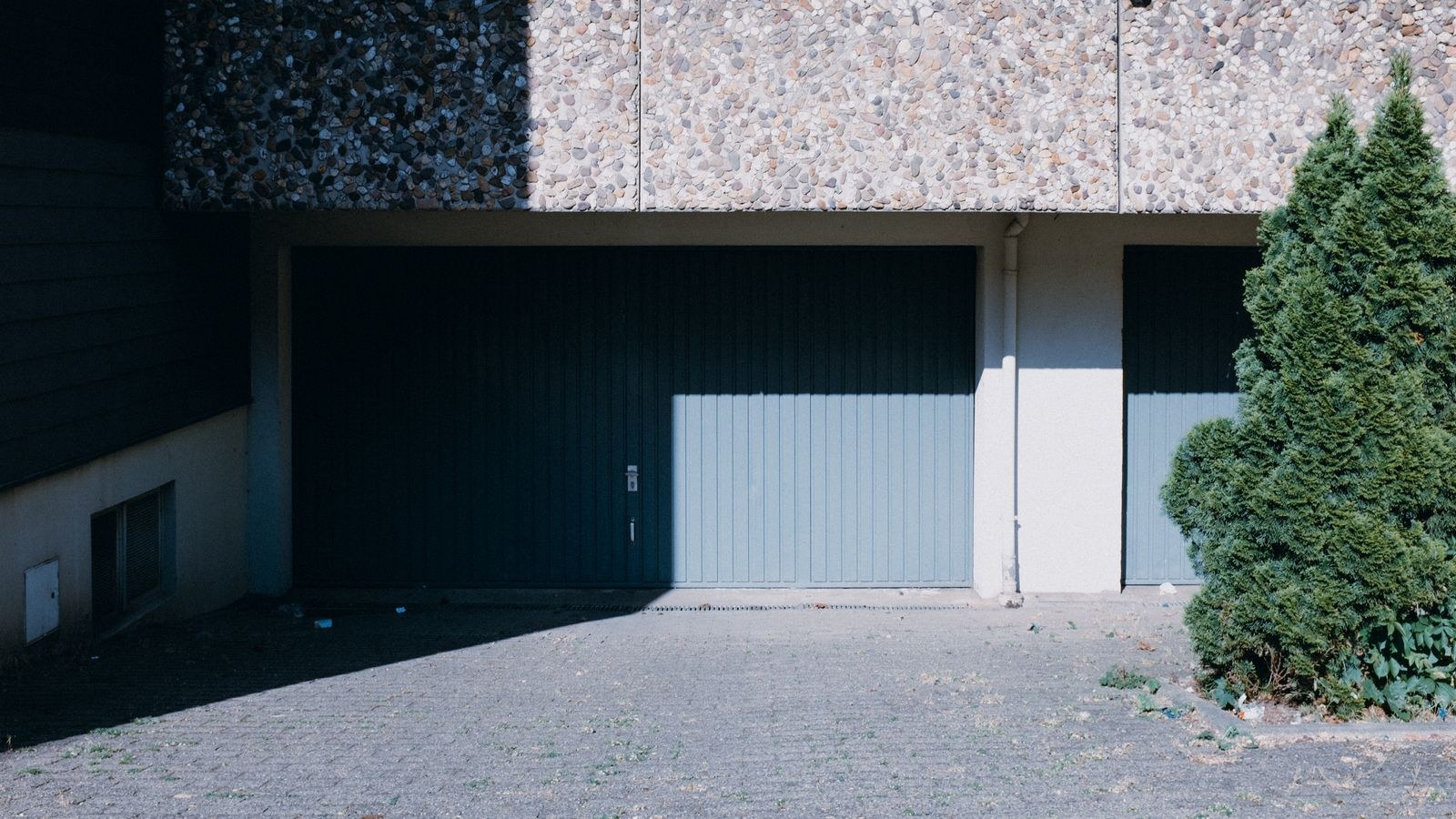
Three methods account for most of them. The coat hanger attack pushes a wire through the gap at the top of the door, hooks the red emergency release handle, pulls it, and then lifts the now-disconnected door by hand. It takes under a minute and leaves no damage. The opener theft is simpler still: a remote clipped to the visor of a car parked in the driveway, taken during a smash-and-grab, gives permanent keyed access to the house.
The third is the side door or window, which is usually the least reinforced opening on the property, often out of sight, and frequently left unlocked because it feels internal. Address all three and the garage stops being the soft entry point. Address only the main door and you have moved the problem sideways.
Tools and Materials to Gather
- Cordless drill with a metal bit and a set of self-tapping screws.
- A zip tie or a purpose-made release shield for the emergency cord.
- C-clamps or slide bolts for the vertical track.
- A padlock sized for the track hole or the side door hasp.
- Opaque covering or frosting film for garage windows.
- A motion-activated floodlight plus a screwdriver and a voltage tester if you are wiring it.
- A step ladder and safety glasses.
Step-by-Step: Locking Down the Garage
- Block the emergency release from outside. Start here because it is the fastest and most important fix. Shorten the release cord so it cannot be hooked from the gap, then secure the release lever itself: a zip tie through the lever and the carriage holds it closed against a wire hook but still snaps under the hard downward yank you would use in a genuine emergency. Purpose-built release shields do the same job more elegantly. Test it afterwards by pulling firmly; if the release will not disengage at all, loosen it, because you may need it during a power outage.
- Close the gap at the top of the door. If daylight shows above the closed door, adjust the opener travel limits so it seats fully, and replace a worn top weatherseal. No gap means no room for a wire. This also improves insulation and keeps rodents out, so it earns its keep twice.
- Add a physical lock to the track. An opener holds the door shut with a motor and a trolley, which is not a lock. Fit a slide bolt or a heavy C-clamp on the vertical track just above a roller so the door physically cannot rise even if the opener is bypassed. Use it whenever you are away for more than a day. For overnight use a keyed track lock is more convenient. Whichever hardware you choose, a shackle that resists bolt cutters matters more than the body, and our roundup of the best padlocks plus the best high-security padlocks comparison explains which shackle materials and shrouded designs actually hold up.
- Upgrade the door between garage and house. This is the door that protects everything, and it is usually the weakest in the building. Replace a hollow-core slab with a solid or fire-rated door, fit a deadbolt rather than a knob lock, and swap the strike plate screws for 3-inch screws that reach the framing. Then form the habit of locking it, which costs nothing and defeats the entire chain if the garage is breached.
- Secure the side door and any windows. Treat the pedestrian door exactly like a front door: deadbolt, long strike screws, and a reinforced frame. Cover garage windows with frosting film or a blind so nobody can confirm whether a car is inside or what tools are on the wall. If a window is small and rarely used, consider a security grille on the interior.
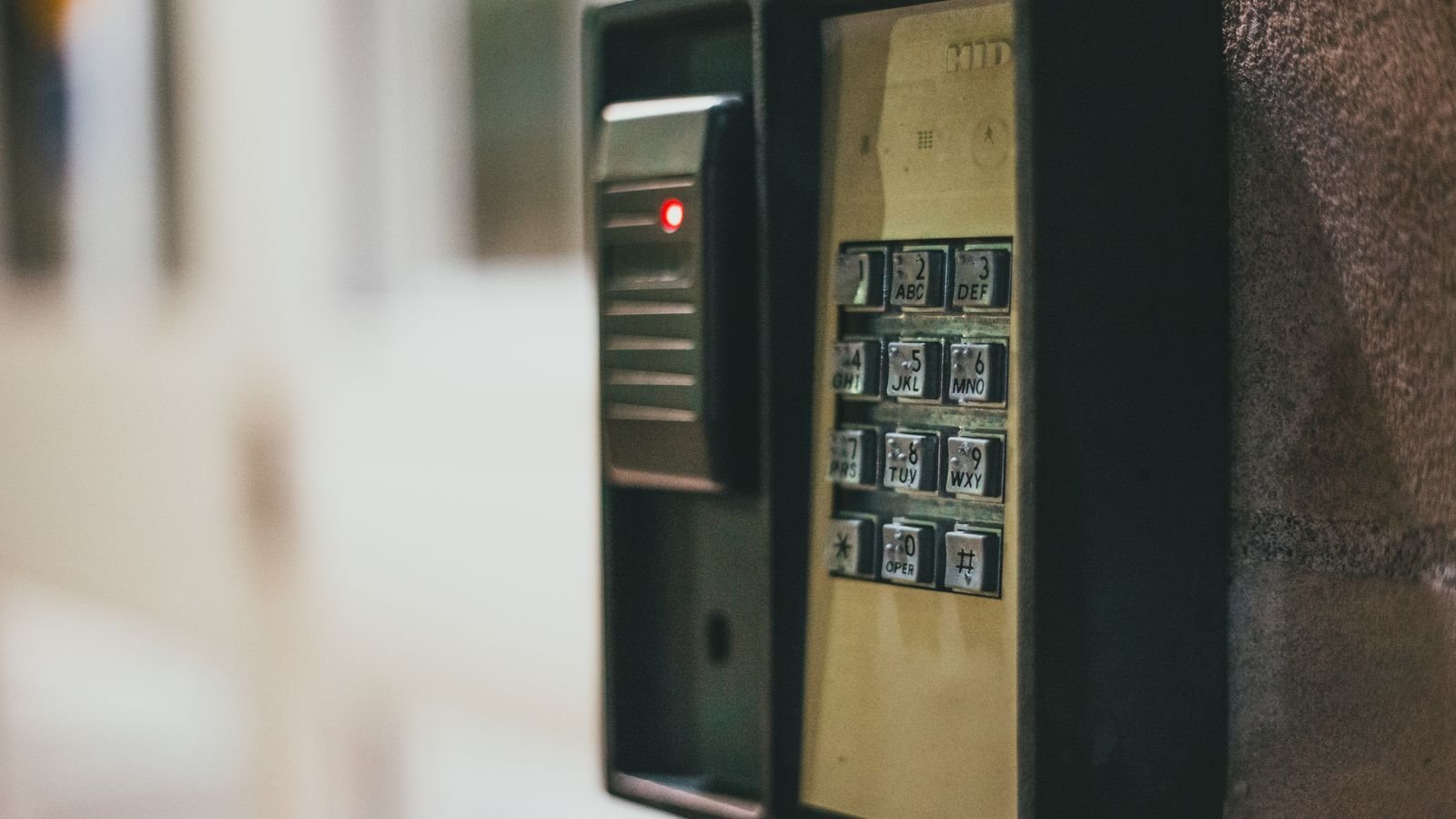
- Get remotes out of parked cars. Carry the remote on your keyring, or use a keypad on the exterior frame with a code you change periodically. Modern openers with rolling codes resist replay attacks, but none of that helps if the physical remote is sitting in an unlocked car. If your opener predates rolling codes, replacing the logic board or the unit is a worthwhile upgrade.
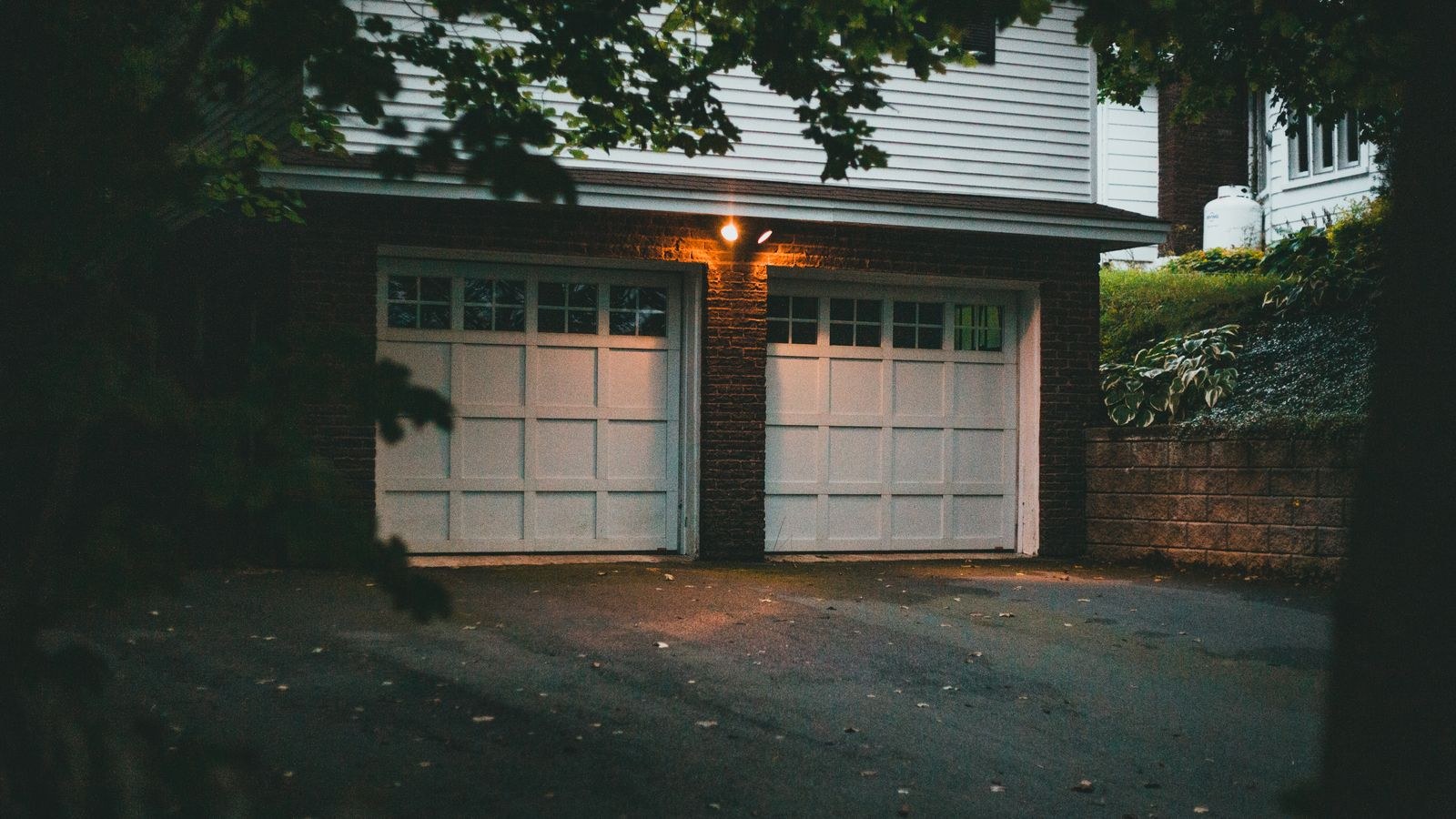
- Light the approach properly. A garage apron is usually the darkest part of a property’s street frontage. Mount a motion-activated floodlight above the door aimed across the driveway rather than straight down, so anyone approaching is lit from the front and casts no useful concealing shadow. Set the sensitivity so a person triggers it and a passing car does not. Our guide to the best motion detector lights for security covers detection angles and lumen levels, while the best smart flood lights comparison suits anyone who wants the light tied to phone alerts or a schedule.
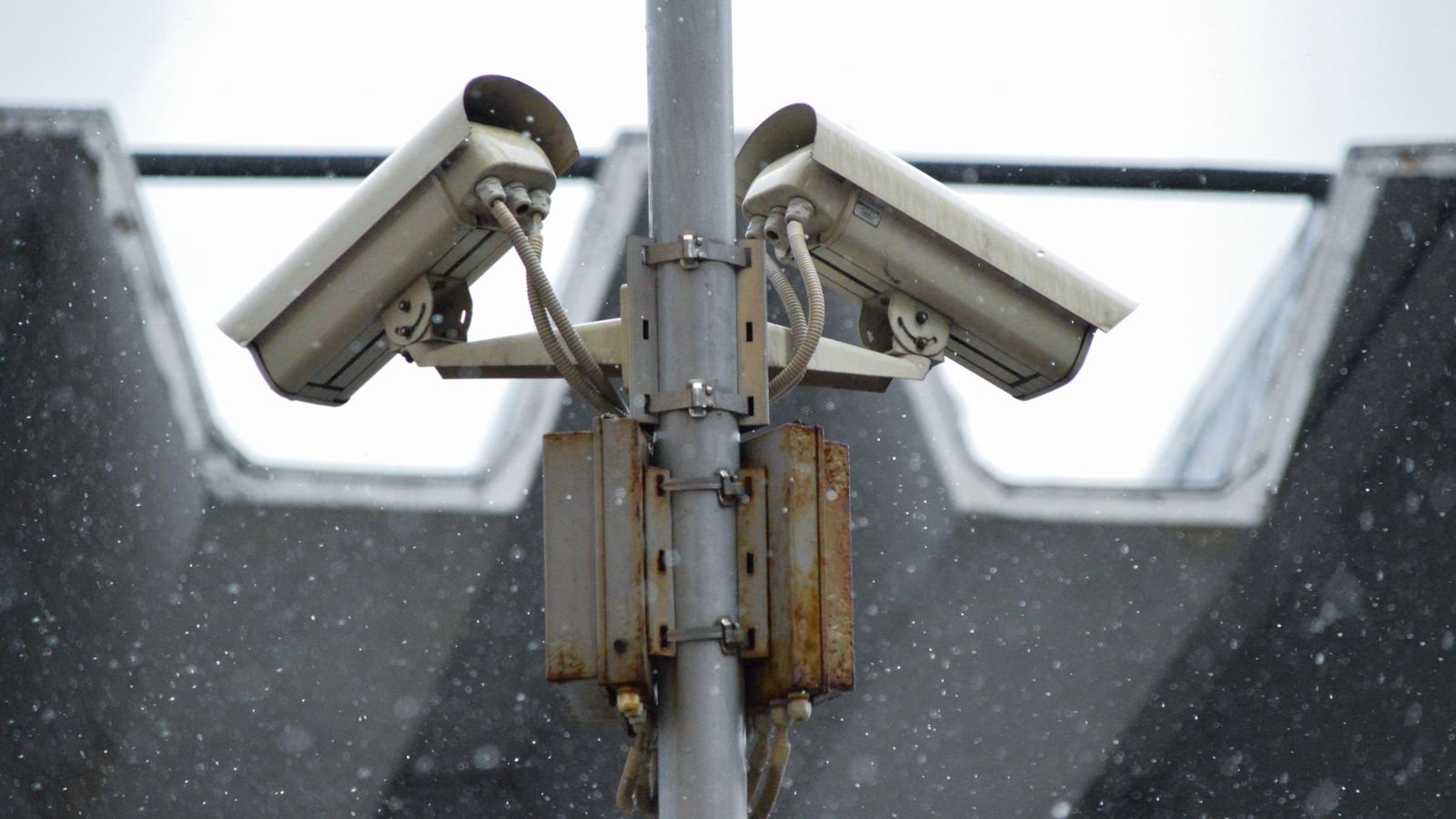
- Add a sensor that tells you the door moved. A tilt sensor on the garage door panel or a contact sensor on the side door turns a silent breach into an immediate notification. This is what closes the loop, because every measure above adds delay and none of them tell you anything. Standalone chime units work fine for the side door, and our comparison of the best door alarms covers which units mount cleanly on metal doors.
- Tidy what is visible. Anyone who can see inside is deciding whether entry is worth it. Store bikes, power tools and sports gear away from the door line, cover them, or keep them behind a locked cabinet. Never leave ladders outside or along the garage wall, since they solve the upper-floor problem for whoever finds them.
- Set a monthly check. Test the release still disengages under a hard pull, confirm the motion light triggers at the right distance, verify the track lock slides freely without forcing, and check the interior door deadbolt throws fully. Five minutes a month keeps the whole stack honest.
Safety Considerations You Cannot Skip
Garage door springs store enormous energy. Never loosen, adjust or attempt to replace a torsion spring, cable or drum yourself; that work belongs to a technician with the right winding bars. Everything in this guide happens away from the spring assembly, and if a task requires touching it, stop.
Do not disable the emergency release outright. Zip-tying it so a wire cannot pull it is safe; screwing the carriage shut is not, because you may need to open the door by hand during an outage or a fire. Also keep the photo-eye safety sensors near the floor clean and aligned; blocking or bypassing them to stop a nuisance reversal removes the feature that stops the door closing on a person.
If you are wiring a hardwired floodlight, kill the circuit at the breaker and confirm with a tester rather than trusting the switch. Battery or solar motion lights avoid the issue entirely and are perfectly adequate for a driveway.
Troubleshooting
If the door now reverses partway or will not close fully, the travel limit adjustment went too far. Back it off a quarter turn at a time and retest. If the opener strains and the door judders, worn rollers or dry tracks are usually to blame; lubricate the rollers and hinges with a garage-door-specific product, never grease on the track surface itself.
If the motion light triggers all night, it is seeing the street or a heat source like a vent. Narrow the detection zone with the supplied shields, angle the sensor downward, and reduce sensitivity. If the tilt sensor reports false openings, it is probably mounted on a panel that flexes; move it to the top panel where movement only happens when the door genuinely travels.
Common Mistakes to Avoid
The biggest is assuming the opener is a lock. It is a motor, and once the release is pulled it holds nothing. The second is securing the main door thoroughly and leaving the side door on a knob lock, which simply relocates the entry point. Third is keeping the remote in a car parked outside, which hands over the door regardless of everything else you install.
Two more: leaving the interior door to the house unlocked because the garage feels like part of the home, and installing a bright floodlight aimed straight down, which creates a pool of glare and deep shadow rather than useful illumination across the approach.

Frequently Asked Questions
Is zip-tying the emergency release safe?
Yes, when done correctly. A single standard zip tie resists a thin wire hook but shears under the firm downward pull a person applies deliberately. Test it after installing and replace it if it ever breaks.
Do I still need a track lock if I have a smart opener?
A physical lock is worth having for extended absences. Smart openers add alerts and remote control, but they do not add mechanical resistance if someone disconnects the trolley.
Should garage windows be blocked completely?
Frosting or a blind is enough. You keep the daylight and remove the ability to inventory the contents from the driveway, which is what matters.
How bright should the motion light be?
Roughly 1,500 to 3,000 lumens covers a typical two-car driveway. More than that creates glare that actually reduces how well a camera or a neighbour can identify someone.
Final Thoughts
Securing a garage door is a stack, not a single purchase. Block the emergency release and close the top gap so the wire trick fails. Add a mechanical track lock the opener cannot substitute for. Upgrade the interior door and the side door to real deadbolts with long strike screws. Get the remote out of a parked car, obscure the windows, and light the approach so anyone working there is on display. Finish with a sensor so a breach reaches your phone instead of going unnoticed until morning. Each step is small, and together they turn the least protected entrance in the house into one that is simply not worth the effort in 2026.