Owen Bradley
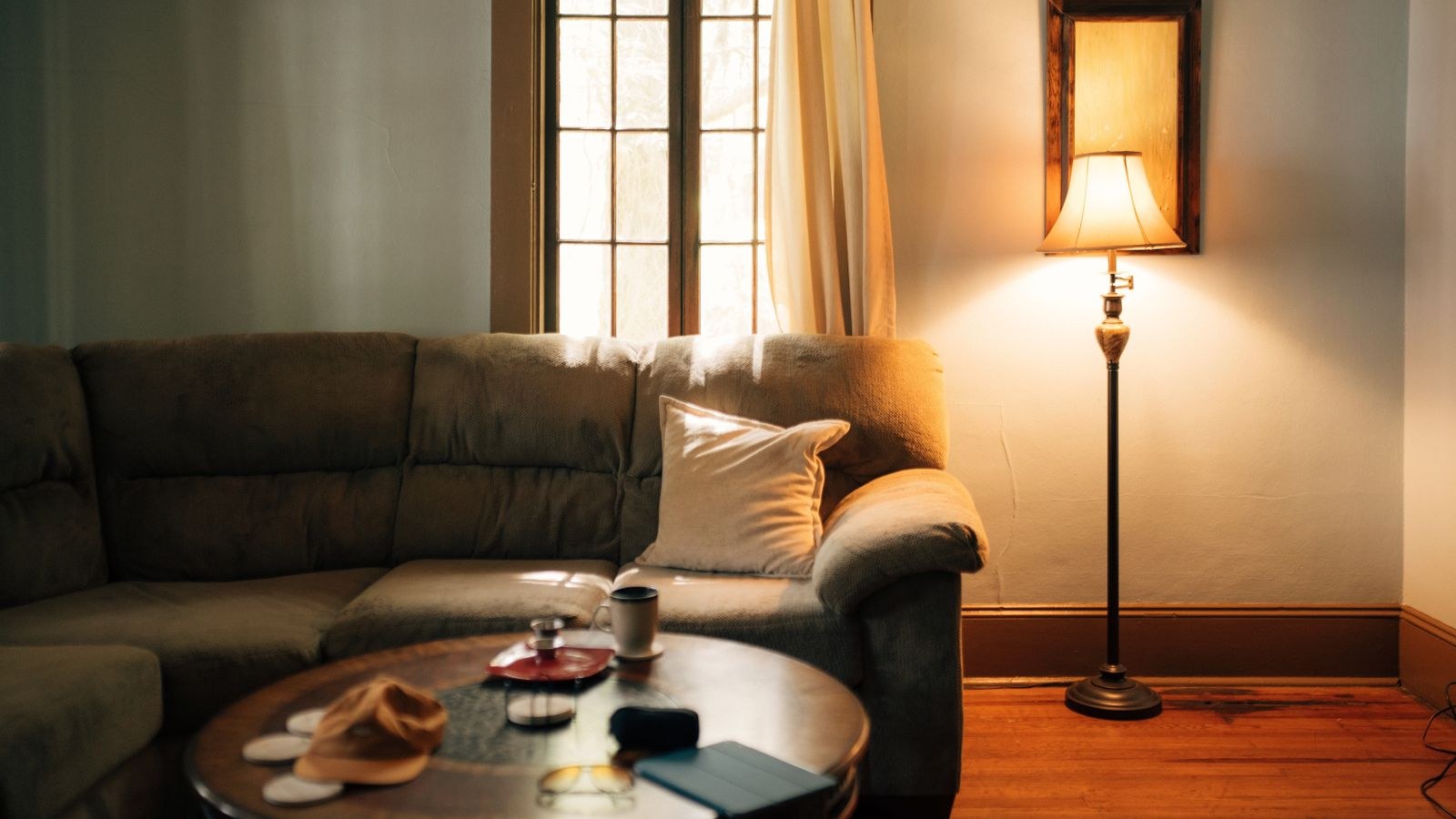
 A floor lamp is the easiest lighting upgrade a living room can get, and also the easiest to place badly. Push it a few inches the wrong way and it throws glare across the television, casts your own shadow onto the book you are reading, or leaves half the room in gloom while blasting one armchair. Good floor lamp placement is not guesswork; it follows a handful of repeatable rules about height, distance, angle and outlet access. Work through the steps below and you will land the lamp in the right spot on the first try, whether you are lighting a reading chair, filling a dark corner, or balancing a sofa wall in 2026.
What You Need Before You Start
This is a no-tools job, but a few items make the positioning far more accurate than eyeballing it from the doorway.
- A tape measure for shade height, chair distance and clearance from walls.
- The bulb you actually intend to use, since a 450-lumen warm bulb and a 1600-lumen daylight bulb want very different placements.
- A cord cover, cable clip or low-profile extension if the nearest outlet is more than a few feet away.
- A friend or a phone camera to sit in the chair and check for glare while you move the lamp.
- Felt pads or a small rug gripper to stop a heavy base from marking or sliding on hard floors.
Decide the lamp’s job before anything else. A task lamp lights a specific activity such as reading or knitting. An ambient lamp lifts the overall brightness of a room and softens the contrast created by a ceiling fixture. An accent lamp washes a wall, plant or artwork. The same lamp cannot do all three well at once, and the placement rules diverge quickly.
Step-by-Step: Positioning the Lamp
- Map the room’s dark zones first. Turn on your existing lights at night and stand in the doorway. Note where the light falls off: usually the corners, the far end of a sofa, and any seat that faces away from the ceiling fixture. Those pools of shadow are your candidate spots, not the empty patch of floor that simply looks convenient.
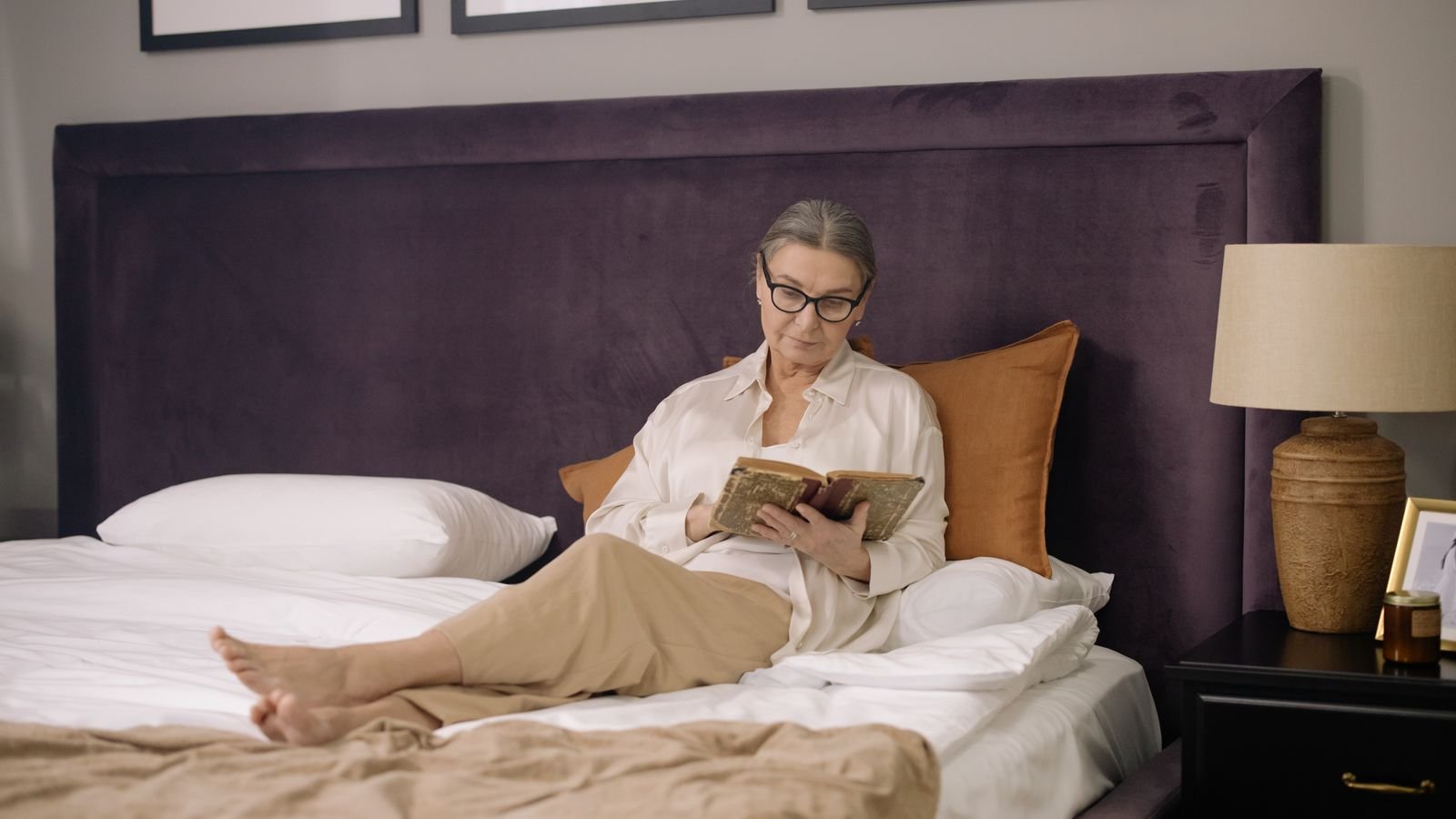
- Pick the seat you want to serve. Sit in it. A floor lamp exists for a person, not for a wall. If nobody sits in that corner, the lamp there is decorative and should be aimed at a surface rather than a lap.
- Set the lamp behind and to the side of the seat. The classic reading position is roughly 12 to 18 inches behind the shoulder and 8 to 12 inches to the side, on the same side as your dominant hand’s opposite shoulder. Light then arrives over your shoulder onto the page without your head casting a shadow on it.
- Check the shade height against your eye level. Seated, the bottom edge of the shade should sit at or just below eye height, generally 40 to 49 inches from the floor for the shade bottom. Too high and you stare into the bulb; too low and the light pools uselessly on the floor.
- Aim adjustable heads at the task, not at faces. For a gooseneck or swing-arm lamp, tilt the head down toward the reading surface at roughly a 30 to 45 degree angle. Stand where other people sit and confirm the bulb itself is not visible from their seats.
- Test for television glare. Turn the TV off so the screen is black and mirror-like, then sit in the main viewing seat. If you see the lamp reflected, move it forward of the screen plane or to the opposite side of the seating so its light travels across the room rather than bouncing back at you. An arc lamp overhanging the sofa is often the fix here because its head sits above and behind the viewer.
- Keep clearance from walls and traffic. Leave at least 4 to 6 inches between the shade and a wall so the light can spread instead of scorching one bright stripe. Keep the base out of walkways; a lamp that gets kicked twice a week will end up unplugged in a closet.
- Solve the cord before you commit. Route the cord along a wall, behind furniture, or under a rug edge with a proper flat cord cover. Never run a cord across an open walkway, and never staple or pinch it. If the outlet is switched, note it so you can control the lamp from the door.
- Live with it for a week, then adjust. Evening light needs differ from afternoon needs. Nudge the lamp a few inches and re-test rather than assuming your first placement was final.
Placement by Lamp Type
Reading and Task Lamps
These want to be close, adjustable, and slightly behind you. A directional head with a 700 to 900 lumen bulb usually beats a broad shade for print reading. If you are still choosing hardware, the shortlists of the best floor lamps for living rooms and the best bright floor lamps separate models that genuinely light a page from those that only look tall.
Arc Lamps Over Seating
An arc lamp puts light where a ceiling fixture cannot: directly over a coffee table or the middle of a sofa. Set the base 3 to 4 feet back from the seat so the arm clears heads, and hang the shade roughly 5 feet above the floor over the target surface. Because the base is heavy and off to one side, check that it is not in a doorway swing. Models built for that overhang are covered in the guide to the best arc floor lamps.
Corner and Ambient Lamps
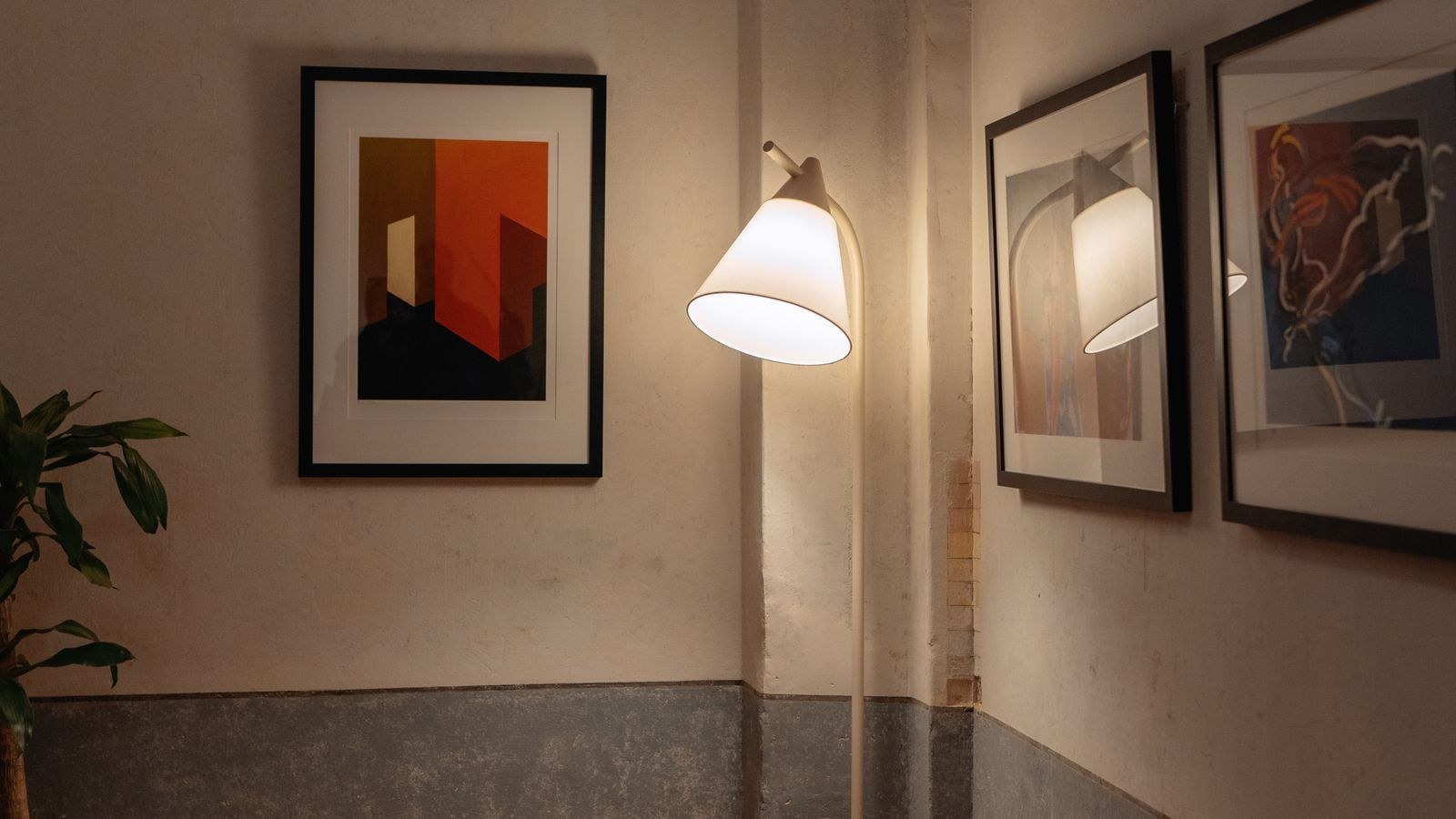
A corner lamp exists to erase shadow, not to light a task. Angle it so light bounces off two adjoining walls, which softens it and effectively doubles the perceived spread. Torchiere styles that throw light at the ceiling do this best in rooms with white or pale ceilings under 9 feet. Options sized for tight corners are collected in the roundup of the best corner floor lamps.
Balancing the Room as a Whole
Lighting designers aim for at least three light sources at different heights in a living room: something overhead, something at table height, and something at floor-lamp height. A single floor lamp fighting a bright ceiling fixture will always look harsh. Place your floor lamp diagonally opposite another light source so the room fills from two directions and faces stop looking flat.
Symmetry helps on long walls. Two matching lamps flanking a sofa read as intentional and light both ends evenly. If you only have one lamp, place it at the end of the sofa that is furthest from your other light sources rather than the end that already gets spill.
Colour temperature matters as much as position. Keep every bulb in the room within the same range, generally 2700K to 3000K for living spaces, so one lamp does not glow blue against warm neighbours. Mixing temperatures makes a well-positioned lamp look wrong for reasons people cannot name.
Safety and Stability Notes
- Weight the base. A top-heavy lamp near a walkway, a pet or a toddler is a tipping hazard. Choose a wide or weighted base for high-traffic spots.
- Respect bulb wattage limits. The socket label is a maximum, not a suggestion. LED bulbs let you get far more light within the same wattage cap, so use them rather than overdriving the fixture.
- Keep shades clear of fabric. Maintain a few inches between a shade and curtains, throws or upholstery, especially with older halogen torchieres that run hot.
- Do not overload the outlet. A lamp sharing a strip with heaters or a TV stack should be checked for total load.
- Inspect old cords. Cracked insulation, a loose plug or a wobbly socket means repair before use, not a workaround.
Common Mistakes to Avoid
The most frequent error is centring a floor lamp on a wall for visual balance rather than on a person for function. It looks tidy and lights nothing. Second is placing the lamp directly beside the TV, which guarantees reflections and eye strain during evening viewing. Third is choosing a shade that is too opaque for the job; a tight drum shade aimed at a chair creates a narrow hotspot instead of usable reading light.
Another common trap is height mismatch. A 72-inch lamp next to a low mid-century armchair puts the bulb well above eye level and sprays light across the room instead of onto the seat. Match the lamp scale to the furniture it serves. Finally, many people ignore the cord until the lamp is placed, then settle for a spot dictated by an outlet. Plan the cord path first and the good position becomes achievable.
Frequently Asked Questions
How far should a floor lamp be from a chair?
For reading, aim for 12 to 18 inches behind the seat back and about a foot to the side. Closer than that and the shade crowds your shoulder; much further and the light weakens noticeably and starts throwing shadows.
Should a floor lamp go behind or beside the sofa?
Behind and slightly to one end works best for reading, since light comes over the shoulder. Beside the sofa arm is better for ambient lighting and for lamps with translucent shades that glow in all directions.
Can a floor lamp replace a ceiling light?
In small and mid-sized rooms, two well-placed floor lamps totalling roughly 2400 to 3000 lumens can carry a living room comfortably. In large or dark rooms you will still want a third source, otherwise the far corners stay dim.
What height should the shade sit at?
For seated use, the shade bottom belongs at or just below seated eye level, commonly 40 to 49 inches from the floor. For standing tasks or ambient corner light, taller is fine because nobody is looking horizontally into the bulb.
How do I stop glare on my television?
Move the lamp so it is not within the mirror-like reflection angle of the black screen, usually meaning forward of the screen plane or on the far side of the seating. Adding a dimmer and lowering output during viewing also helps significantly.
Final Thoughts
Positioning a floor lamp well is a sequence, not a single decision: identify the dark zone, pick the seat, set the lamp behind and beside it, check the shade against seated eye level, kill any TV reflection, then tame the cord. Add a bulb whose warmth matches the rest of the room and you get light that feels designed rather than improvised. Spend ten minutes with a tape measure and a test sit, and a lamp you already own can transform how usable the whole room feels after dark.