Owen Bradley
 There is one rule about used fire extinguishers that surprises almost everyone: once the pin is pulled and the lever squeezed, the unit is finished. Not half full, not good for one more small fire, finished. Even a one-second burst disturbs the valve seat enough that pressure bleeds away over the following weeks, leaving a cylinder that looks fine on the wall and does nothing when it matters. The same is true of a unit that has simply aged past its service life. This guide explains when to recharge a fire extinguisher, when replacement is the cheaper and smarter route, how the professional recharge process works, and how to dispose of an old cylinder legally rather than putting a pressure vessel in the household bin.
Recharge or Replace: How to Decide
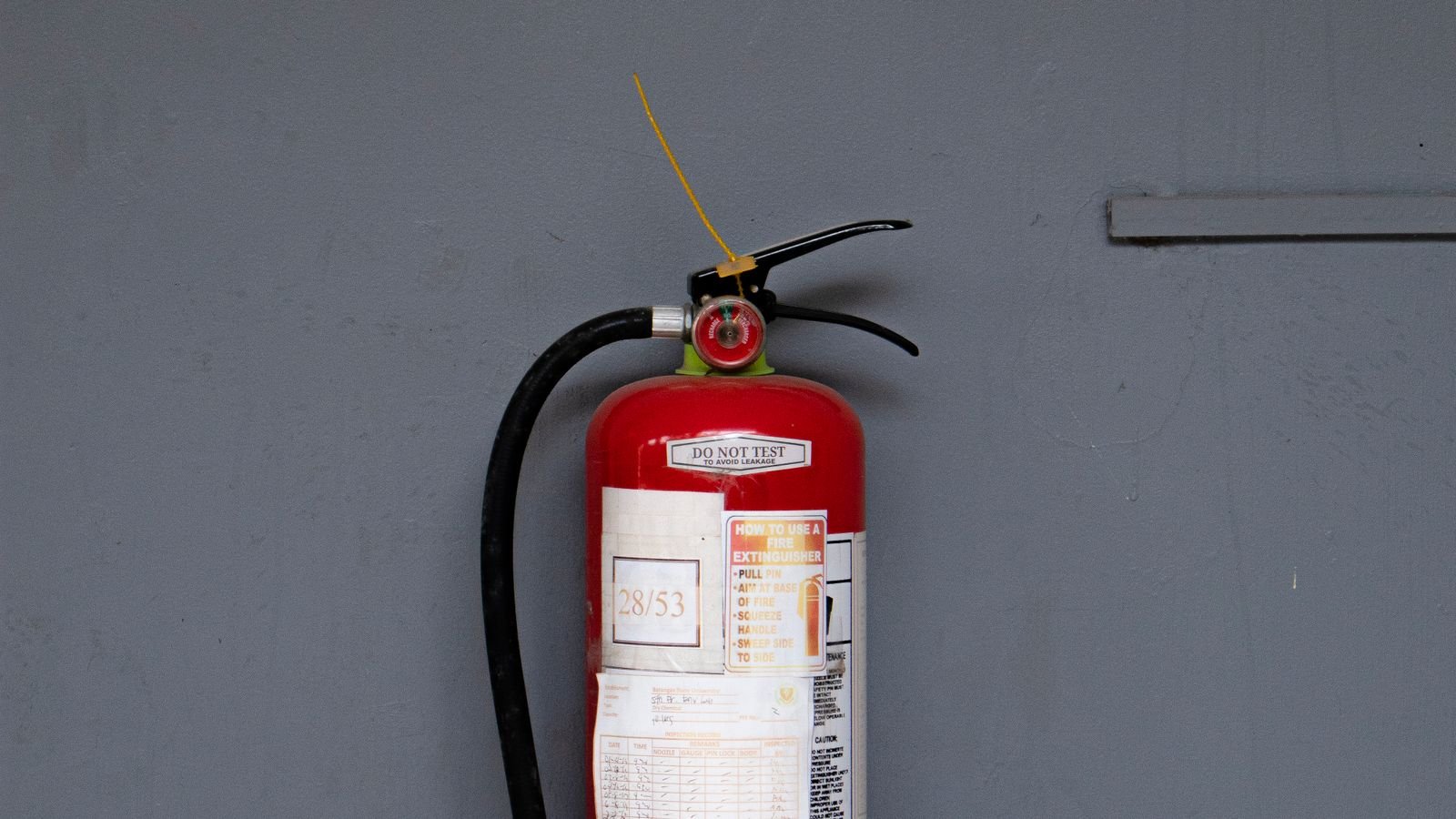
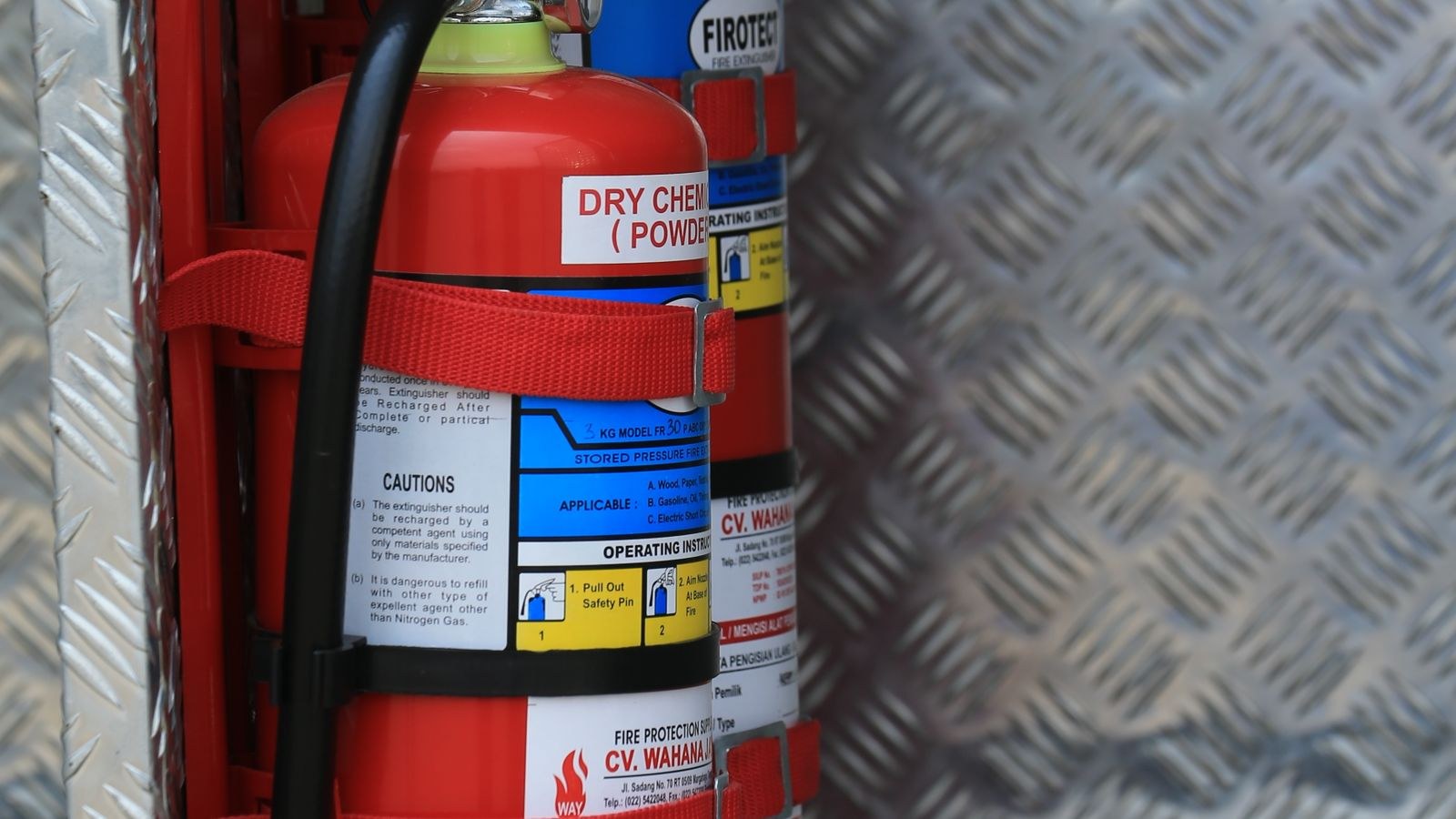
The first question is whether your extinguisher is even rechargeable. Look at the valve assembly. A metal valve head with a threaded neck and a service tag is a rechargeable unit built to be refilled repeatedly. A moulded plastic valve head with no service tag is a disposable unit, sold as single use and not designed to be opened. Small home extinguishers in the one to three pound range are frequently disposable; larger five or ten pound units are usually rechargeable.
If it is disposable, the decision is made for you. Nobody can safely refill it, and any service company will decline. If it is rechargeable, the choice comes down to cost, age, and condition.
- Recharge when the unit is rechargeable, well within its service life, structurally sound, and reasonably large. Refilling a substantial workshop or garage extinguisher usually costs well under the price of a new one.
- Replace when the unit is disposable, past its stated service life, due for hydrostatic testing that costs as much as a new cylinder, or showing any corrosion, dents, or bulging.
- Replace regardless if the class rating never suited the room in the first place. A used extinguisher is the natural moment to correct a kitchen protected by the wrong type of unit.
Step by Step: What to Do With a Used Extinguisher
- Take it out of service immediately. Remove the discharged unit from its bracket and set it somewhere obvious rather than hanging it back up. A used extinguisher left in place is worse than an empty bracket, because everyone assumes it works. Tag it or mark it plainly.
- Put a working unit in its place today. Do not leave the position empty while you sort out the recharge. If you have no spare, buy a replacement now and treat the recharge as producing your backup unit rather than your primary one.
- Identify the type and check the dates. Note the agent type, the class rating, the size, the manufacture date stamped on the cylinder, and any last service date on the tag. This determines both whether recharging is possible and roughly what it will cost.
- Inspect the cylinder before spending anything. Look for rust pitting, dents, gouges, bulges, a damaged base ring, or a cracked handle. Any of these retires the unit permanently, and a service company will reject it anyway. Do not pay for an inspection to learn what a two-minute look would have told you.
- Find a certified service company. Search for licensed fire equipment servicing in your area, or ask your local fire service for a list. Some fire departments and hardware retailers act as drop-off points. Confirm before you travel that they handle your agent type and size.
- Get a quote against a replacement price. Ask for the total including refill, valve inspection, new tamper seal, and tag. Compare that against the current price of an equivalent new unit. If the recharge is anywhere near the cost of new, buy new and get a fresh service life along with it.
- Ask whether hydrostatic testing is due. Rechargeable cylinders require periodic pressure testing at intervals set by agent type and local code. If the test falls due at the same visit, the combined cost frequently exceeds replacement, which usually settles the decision.
- Collect and verify the work. When you get it back, check that the gauge sits in the green, the pin is seated with a new tamper seal, the service tag is filled in and dated, and the label is intact and legible. A recharge without a new seal and tag is not a completed job.
- Remount and log it. Return it to its bracket, and record the service date in your monthly inspection log so the next interval is not a guess.
What Actually Happens During a Recharge
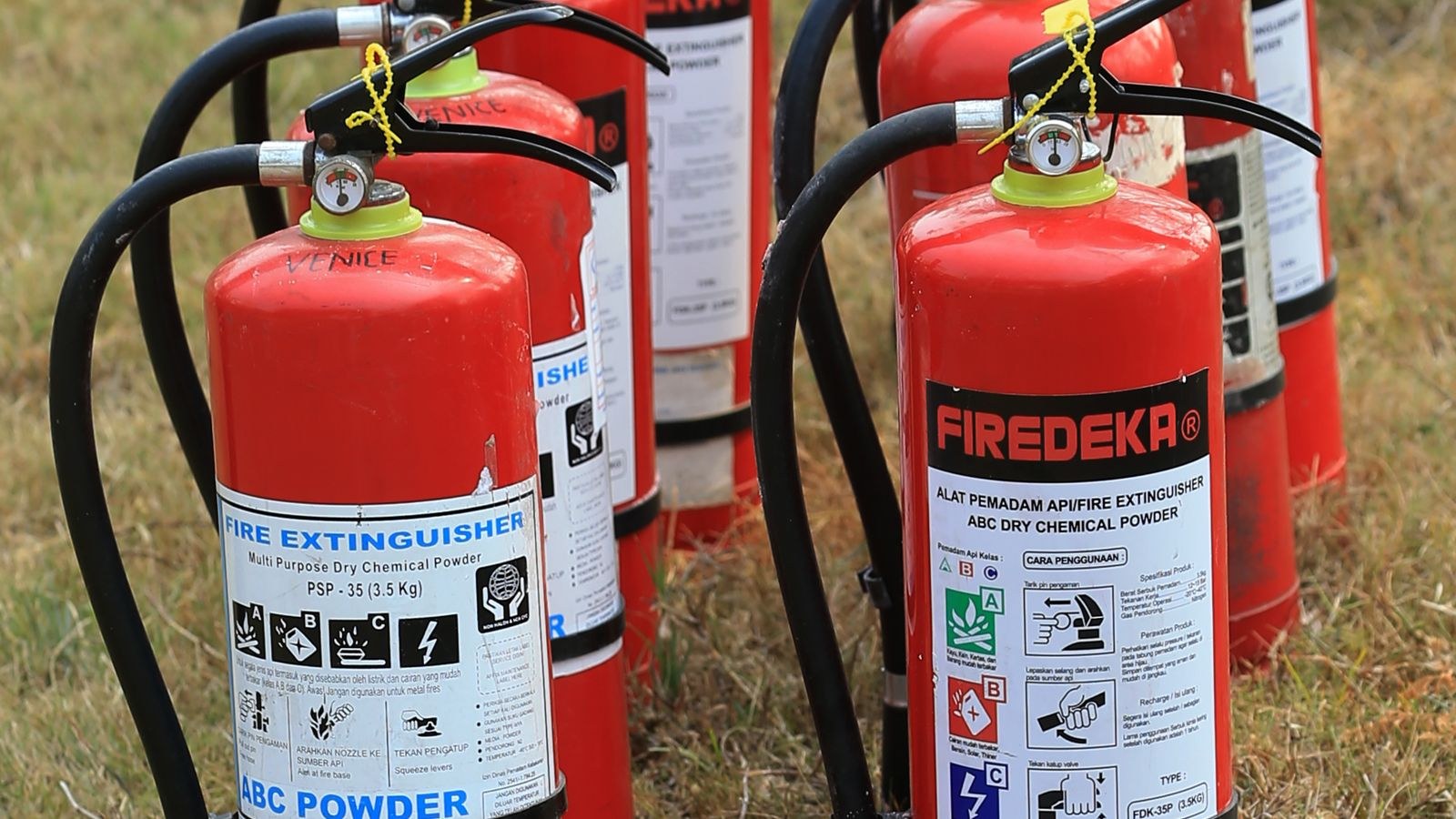
Knowing the process helps you judge whether a quote is fair. A technician depressurizes the cylinder safely, removes the valve assembly, and empties any remaining agent. The interior is inspected for moisture and corrosion, and the siphon tube, O-rings, and valve stem are checked and replaced as needed. The cylinder is then refilled with the correct weight of fresh agent, repressurized with dry nitrogen or the appropriate propellant, leak tested, weighed against the specification, resealed with a new pull pin and tamper seal, and tagged with the date and technician details.
That is genuine skilled work with calibrated equipment, which is why it is not a home job. Repressurizing a cylinder without proper equipment risks overfilling a pressure vessel, and there is no consumer product that does it safely regardless of what internet videos suggest.
Why You Cannot Do This at Home
Three reasons. The agent must be a precise weight, verified on calibrated scales, because too little will not extinguish a fire and too much leaves no expellant space. The propellant is dry nitrogen at a specific pressure, not shop air, which carries moisture that cakes dry chemical powder into a solid block. And the internal inspection catches corrosion and worn seals that are invisible from outside and are the actual reason many recharged units fail. Attempting it yourself produces a cylinder that reads green on the gauge and does nothing when the lever is squeezed.
Disposing of an Old Extinguisher Safely
An extinguisher is a sealed pressure vessel, and putting one in a household bin or a scrap skip is both dangerous and prohibited in most areas. Compaction can rupture it, and the contents are treated as hazardous waste in many jurisdictions.
- Confirm it is empty. A fully discharged unit with the gauge reading zero can be handled as ordinary metal in some areas. If pressure remains, it must go to a facility that can depressurize it.
- Call your local household hazardous waste facility. Most municipal sites accept extinguishers, often free of charge, and will tell you whether they want them empty or pressurized.
- Ask a fire equipment service company. Many take old units for disposal, sometimes at no cost when you buy a replacement from them.
- Check with your fire department. Some departments accept old units for training use or point you to a local collection event.
- Try scrap metal recycling last. Fully empty cylinders with the valve head removed are accepted by many scrap yards, but call first and never remove a valve yourself from a pressurized unit.
Never puncture, incinerate, bury, or attempt to vent a pressurized extinguisher outdoors. The discharge force is substantial and the agent is an irritant.
Buying a Replacement Sensibly
If replacement wins, treat it as a chance to improve coverage rather than a like-for-like swap. Match the class rating to the room: multipurpose ABC units suit hallways and living areas, kitchens need a unit rated for cooking oils, and garages and workshops want strong Class B coverage for fuels and solvents. Comparisons of the best fire extinguishers group models by rating and discharge time, which is the practical way to see what each unit will actually handle.
Weight is the other factor people underestimate. A cylinder nobody in the household can lift and aim one-handed is not usable equipment, so lists of the best home fire extinguishers and of fire extinguishers for home use are worth filtering by size before capacity. For planning how many units a house needs and where each belongs, our home fire extinguisher guide walks through coverage room by room, and the notes on how to store a fire extinguisher explain the mounting and temperature conditions that decide how long the next one lasts.
Common Mistakes
The biggest is hanging a partly used extinguisher back on the wall. It reads as protection, provides none, and will not be discovered until the next emergency. The second is paying to recharge a small disposable unit, which no reputable company will do and which is never economical even where someone offers.
A third is recharging an old cylinder without asking about hydrostatic testing, then paying twice within a year. Ask about the full service schedule up front. Finally, many people dispose of the old unit by simply leaving it in a garage corner for years, where it becomes a corroded pressure vessel nobody wants to touch. Deal with disposal in the same week you buy the replacement.
Frequently Asked Questions
My extinguisher was only used for two seconds. Does it really need recharging?
Yes. Any discharge disturbs the valve seat, and pressure typically bleeds off over the following weeks even though the gauge looks normal at first. Treat any use at all as a full discharge.
How can I tell if mine is rechargeable?
Check the valve head. Metal with a threaded neck and a hanging service tag means rechargeable; moulded plastic with no tag means disposable. The label often states it directly as well.
Is recharging cheaper than buying new?
For larger rechargeable units, usually yes. For small home extinguishers the two are close enough that a new unit with a fresh service life is generally the better value, especially once travel to a service company is counted.
Can I keep a discharged extinguisher as a backup?
No. An empty unit provides no protection and creates false confidence for anyone who finds it. Recharge it or dispose of it properly.
Final Thoughts
Once an extinguisher has been used, its status is binary: professionally recharged, or out of the house. Check whether the valve head is metal or plastic, look the cylinder over for corrosion and dents, price a recharge against a new unit, and ask whether hydrostatic testing is due before committing either way. Put a working replacement on the bracket the same day, dispose of the old cylinder through a hazardous waste site or a service company rather than the bin, and log the date so the next inspection cycle starts clean. The unit on your wall should only ever be one you would trust without checking.