Owen Bradley
 Layering rugs looks effortless in photographs and goes wrong quickly in real rooms. Put two busy patterns together and the floor turns into visual noise; get the sizes too close and it looks like one rug slipped. Done properly, though, layering solves genuine problems: it stretches a small rug you love, it warms a cold floor cheaply, and it lets you add pattern without committing to an expensive large-format piece. This tutorial covers the sizing gap, pile heights, pattern pairing and the anchoring tricks that keep both rugs flat, so the arrangement you build in 2026 reads as deliberate rather than accidental.
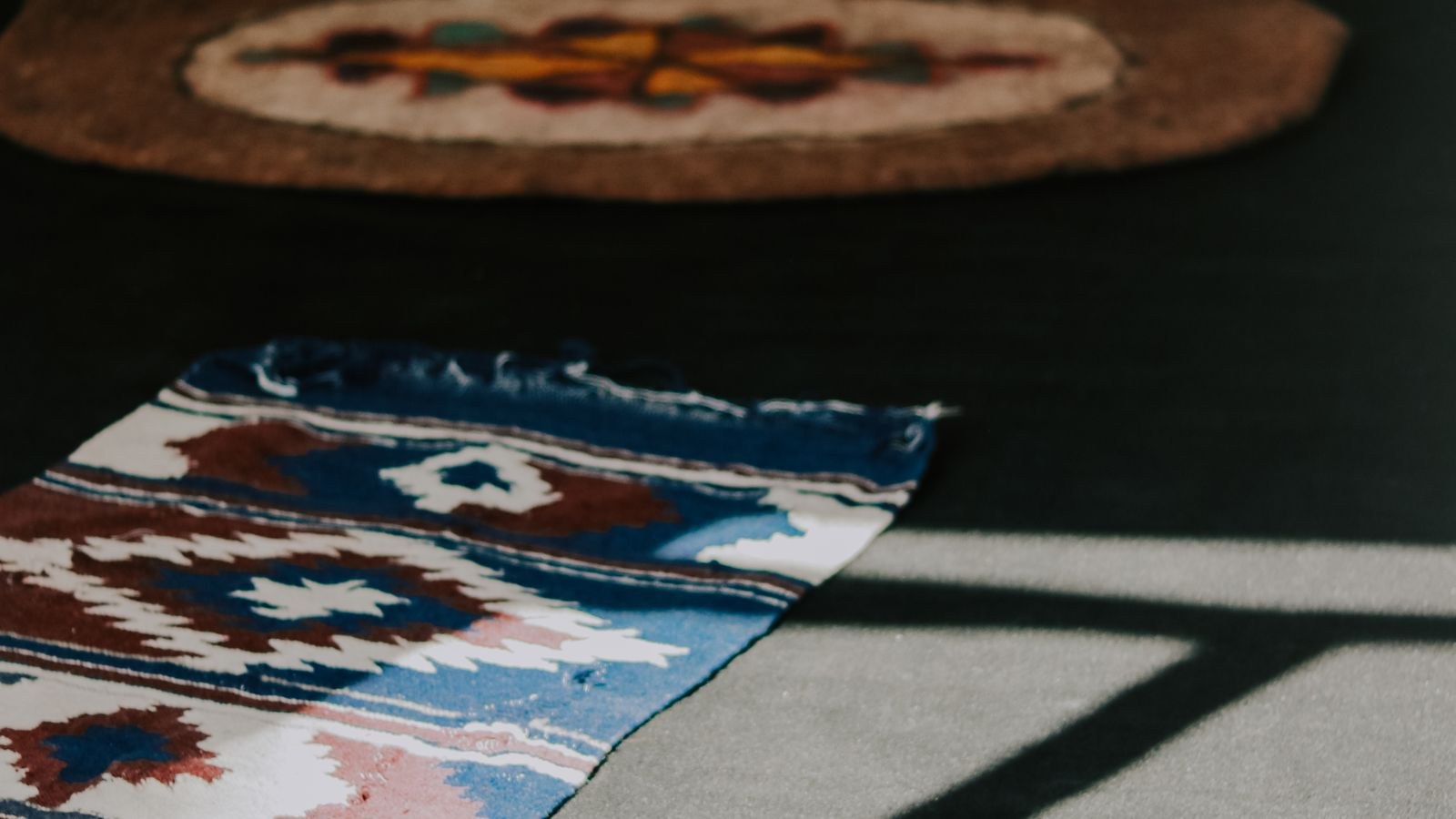
Why Layer Rugs at All
There are four practical reasons, and it is worth knowing which one applies to you before you start, because it changes what you buy.
- Size correction. You own a beautiful rug that is too small to anchor the seating group. A large neutral base fixes the proportions without replacing it.
- Cost. A big natural-fiber base plus a smaller decorative top costs far less than a single large patterned rug of equivalent quality.
- Comfort and warmth. Two layers add real insulation and underfoot softness on tile, concrete or an old wood floor.
- Zoning. In an open-plan room, a top rug can mark a reading corner or a seating area within a larger base that covers the whole zone.
What You Need
- A base rug: large, flat-woven, neutral. Jute, sisal, seagrass and low-pile wool are the standard choices.
- A top rug: smaller, with the pattern, color or texture you actually want to see.
- A non-slip rug pad sized for the base rug.
- Rug-to-rug gripper tape or corner grippers for the top layer.
- A tape measure and painter’s tape for planning the footprint.
Step-by-Step: Layering Rugs the Right Way
- Size the base rug to the room, not to the top rug. Follow normal rug sizing rules: the base should be large enough that the front legs of the sofa and chairs sit on it, or ideally all legs. If the base is undersized, layering will not rescue the proportions.
- Choose a base with almost no personality. Flat texture, neutral color, no pattern. Jute and sisal are the classic picks because their weave reads as texture rather than design, and they hold a top rug steady. A busy base will fight whatever you put on it.
- Leave a clear size gap. The top rug should be noticeably smaller, with roughly 8 to 18 inches of base showing on each side. If the difference is only a few inches, it looks like a misalignment rather than a decision. Two standard sizes apart, such as a 5×8 over a 9×12, is a reliable pairing.
- Keep the top rug’s pile lower or equal. A high-pile top over a flat base is fine and comfortable. A flat top over a thick shaggy base will never lie still and will develop permanent ripples. When in doubt, thin over thick is the rule to avoid.
- Pair one pattern with one plain. If the top rug carries the pattern, the base stays neutral. Two patterns only work when they differ sharply in scale, such as a large geometric under a fine tribal design, and share a color. Anything less and it becomes noise.
- Lay the pad under the base first. A full non-slip pad under the base stops the whole stack from traveling and protects the floor. Trim it about an inch smaller on each side so it stays hidden.
- Position the top rug and decide the alignment. Centered and parallel looks calm and formal. Offset toward the seating, or angled at roughly 15 to 30 degrees, looks relaxed and layered. Pick one intentionally; a top rug that is nearly parallel but slightly crooked always looks like an error.
- Anchor the top layer with grippers. Apply rug-to-rug gripper tape or triangular corner grippers between the layers at each corner and at the midpoint of long edges. Without this, the top rug will creep every time someone walks across it.
- Weight the corners with furniture. Where possible, let a chair leg, a table leg or a heavy plant stand hold at least one corner of the top rug. Physical weight beats any adhesive for long-term flatness.
- Flatten the layers before you judge the result. Let both rugs relax for a few days, reverse-roll any curled corners, and only then decide whether the arrangement works. Fresh out of the wrapping, everything looks wrong.
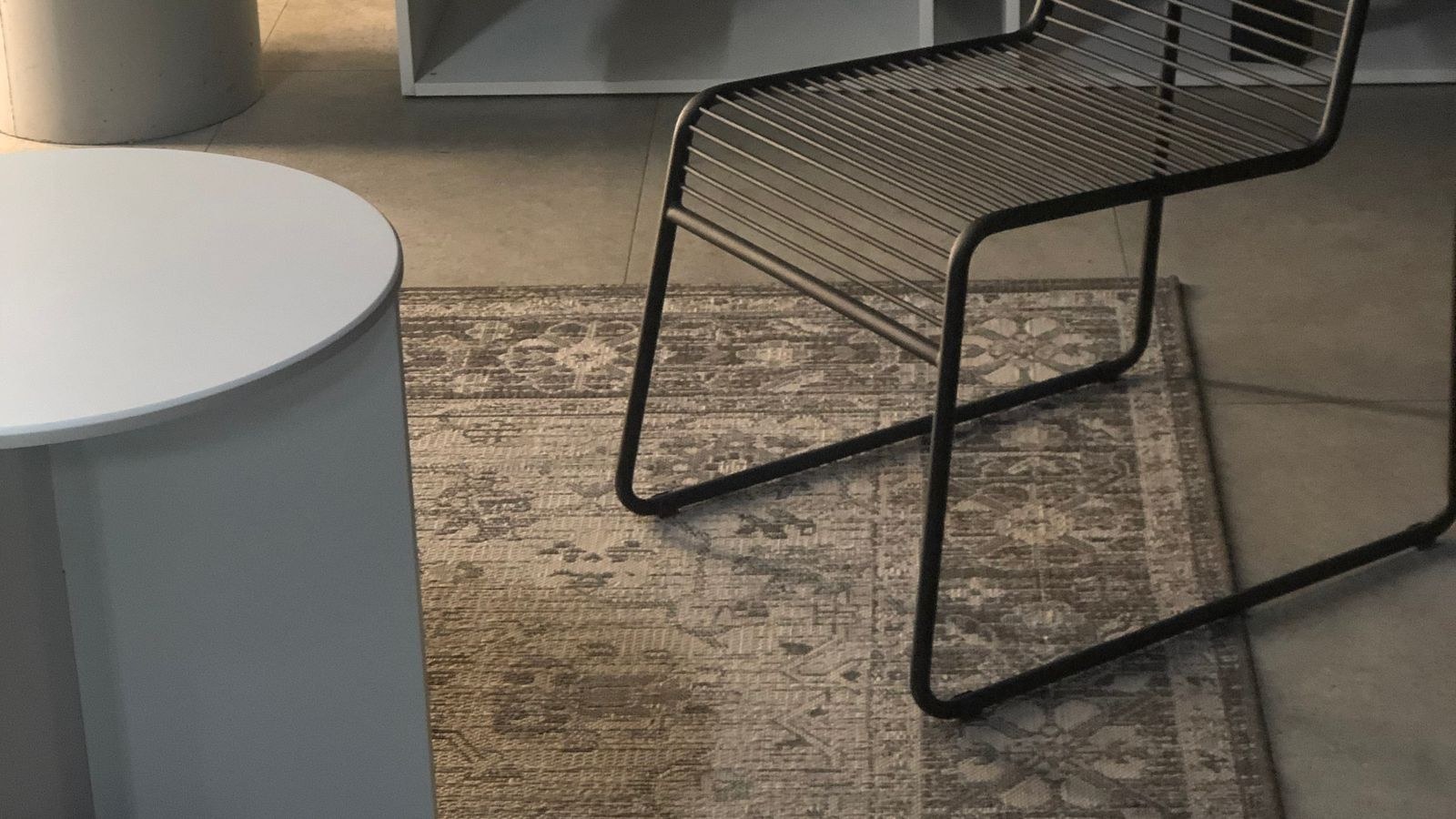
Choosing Materials That Behave Together
The base does the structural work, so choose it for stability rather than softness. Jute is inexpensive, warm-toned and thick enough to feel substantial, though it sheds initially and does not love moisture. Sisal is flatter, tougher and more uniform, which makes it excellent under a top rug but rougher underfoot. Seagrass resists stains well and has a slight sheen. A low-pile wool base costs more but feels far better and is the right call in a bedroom.
For the top layer, wool holds its shape and resists crushing, vintage and kilim styles bring color and lie almost perfectly flat, and cotton flatweaves are light, washable and cheap but need firm anchoring. Sheepskin and faux hide work as small accent layers draped over a chair corner rather than as full top rugs.
Whatever you choose, remember that two layers collect twice the debris in the space between them. Plan on lifting the top rug periodically, and use a machine that handles varied pile depths well; the best vacuums for carpets roundup covers models with adjustable heights that will not chew a flatweave edge.
Making Layers Work With Your Furniture
Layered rugs read best when the furniture participates rather than standing clear. Aim for the sofa’s front legs on the base and, where the geometry allows, one chair or table leg on the top rug. That overlap is what makes the stack look built into the room instead of stacked on it.
Sofas with slim exposed legs are much easier to layer under than heavy skirted frames, because the legs press through both layers and hold them without trapping air underneath. If you are choosing seating alongside the rugs, comparing leg styles and frame heights across the best sofas is worth doing before the rugs arrive.
Chairs are the most useful anchors you have. A pair placed at the corners of the top rug pins it in exactly the spots most likely to lift, and it distributes weight better than a single heavy table. Compact frames from the best living room chairs or a lighter option among the best accent chairs both work well, since you want enough weight to hold the layer but not so much that the legs dent the base rug permanently.
Color and Pattern Strategy
Pull one color from the top rug and repeat it elsewhere in the room, in cushions, curtains or artwork. That single repetition is what makes the layered rug look like part of a scheme rather than an experiment. Textiles on the seating do this job efficiently, and a coordinating layer over the sofa arm ties the floor to the furniture; our roundup of the best throws for sofas is a practical place to find that echo without repainting anything.
Keep the overall count low. One patterned rug, one neutral base, and at most two accent colors elsewhere is plenty. Layering is already a busy move, and restraint everywhere else is what stops it tipping into clutter.
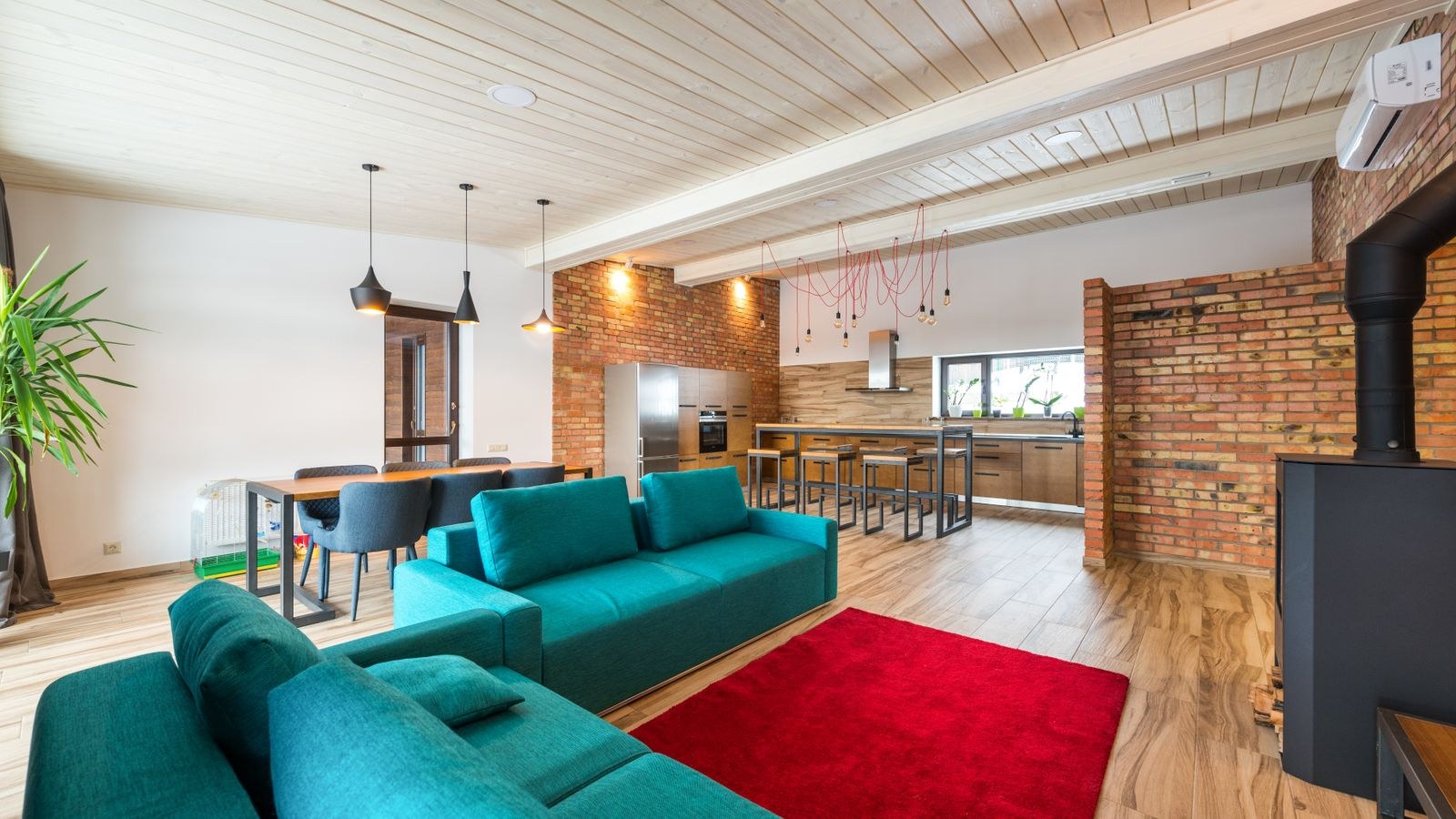
Layering in Other Rooms
In a bedroom, the base rug should extend past the sides and foot of the bed so your feet land on softness rather than cold floor. The top layer then goes at the foot of the bed or on one side, angled slightly, where it will be seen rather than hidden under the mattress. Two thirds of a bedroom rug disappears under the bed, which makes layering here an efficient way to show pattern without buying a huge decorative piece.
In a dining area, layering is riskier because chair legs drag across both surfaces every meal. If you attempt it, use two low, tightly woven flatweaves and confirm chairs slide without catching the top rug’s edge. In a home office, the same caution applies to a rolling chair, which will chew a soft top layer; either keep the chair entirely off the layered zone or place a hard mat over it.
Small rooms benefit from layering more than large ones, oddly enough, because the base rug can run nearly wall to wall while the top rug supplies the pattern and visual boundary a small space needs. Just keep the top layer’s scale modest so the room does not feel divided into fragments.
Common Layering Mistakes
- Rugs too close in size. A gap under about 8 inches looks like a slipped rug.
- Two competing patterns. Unless the scales differ dramatically, one layer must stay plain.
- Thin over thick. A flatweave over a deep shag will ripple permanently.
- No gripper between layers. The top rug will migrate within days and become a trip hazard.
- An undersized base. Layering does not fix bad proportions, it doubles them.
- Ignoring door clearance. Two layers plus a pad can easily exceed the gap under a swinging door.
Frequently Asked Questions
Can I layer rugs on carpet?
Yes, and it is a common way to add pattern in a rental. Use a gripper designed for carpet-on-carpet and choose a flat top rug, since a thick one over broadloom feels unstable underfoot.
Does the top rug have to be centered?
No. Centered reads formal, offset toward the seating reads casual, and a deliberate angle reads bohemian. The only bad option is almost-but-not-quite straight.
How do I stop the layers from bunching?
Combine three things: a non-slip pad under the base, gripper tape between the layers, and furniture weight on at least one corner. Any one alone usually fails on a busy route.
Is layering suitable for high-traffic rooms?
It can be, provided both layers are low pile and firmly anchored. In a hallway or an entry, layering is generally more trouble than it is worth.
Final Thoughts
Layering rugs is a sizing exercise dressed up as a styling trick. Buy a base large enough to anchor the furniture, keep it neutral and flat, choose a top rug at least two standard sizes smaller, and let only one layer carry pattern. Then anchor everything properly with a pad, grippers and furniture weight. Follow that sequence and the result looks collected and intentional, which is exactly the impression layering is supposed to give.