Owen Bradley
 A carbon monoxide alarm tells you a dangerous gas is in the air, but it never tells you where that gas came from. Once the fire department has cleared the house and the air is safe again, the real work begins: tracking down the appliance, flue, or vehicle that produced the gas so it cannot happen a second time. Carbon monoxide is colorless, odorless, and produced by anything that burns fuel, which means the list of suspects in a typical home is short but easy to overlook. This guide walks through a safe, methodical order for finding the source of a carbon monoxide leak. Work through it in sequence rather than jumping to the appliance you already suspect, because the obvious culprit is wrong more often than you would think.
Before You Start: Safety Ground Rules
Never hunt for a leak while an alarm is sounding or anyone still feels unwell. Headache, nausea, dizziness, and flu-like symptoms that improve when you leave the house are signs of ongoing exposure and require medical attention, not investigation. Get everyone outside, call the fire department or your gas utility, and let them confirm the building is clear before you re-enter.
When you do go back in, ventilate first. Open windows on opposite sides of the house for at least fifteen to twenty minutes so residual gas disperses. Keep a working alarm with you as you move from room to room; a plug-in or battery unit you can carry is far more useful for this than a ceiling-mounted one. Shut down every fuel-burning appliance before you begin, then bring them back online one at a time. Testing a single appliance in isolation is the only way to get a clean answer, and it is the core technique behind everything below.
Two tools make this dramatically easier: a digital meter that displays parts per million so you can compare rooms, and a smoke pencil or incense stick that shows which way air is actually moving inside a flue.
Step-by-Step: Tracing the Source
- Confirm the alarm was genuine. Note the time it sounded, what appliances were running, and whether the weather was cold, windy, or still. Check the alarm’s manufacture date on the back label; units past their service life produce false alerts. If yours is elderly, replacing it with one of the best carbon monoxide detectors removes doubt before you spend hours chasing a phantom. A quick function check using the guidance in our walkthrough on how to test a carbon monoxide detector separates a real event from a failing sensor.
- Map the readings. With every fuel appliance off, walk the house with a digital meter and record a baseline in each room, hallway, basement, and attached garage. Anything above zero with all combustion off points toward an outside source or a stubborn residual pocket. Write the numbers down; the pattern of where levels are highest usually points directly at a floor or wall.
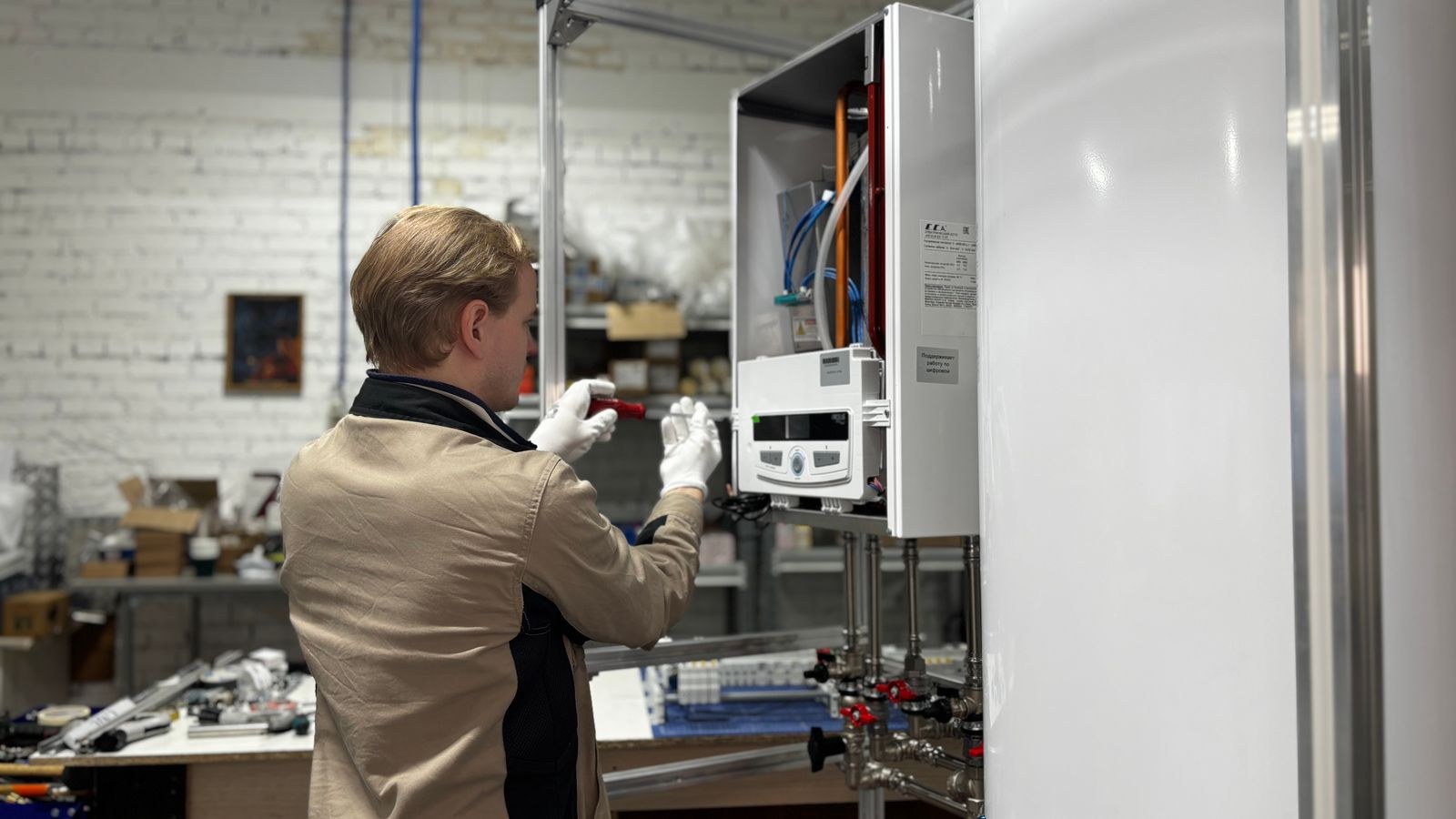
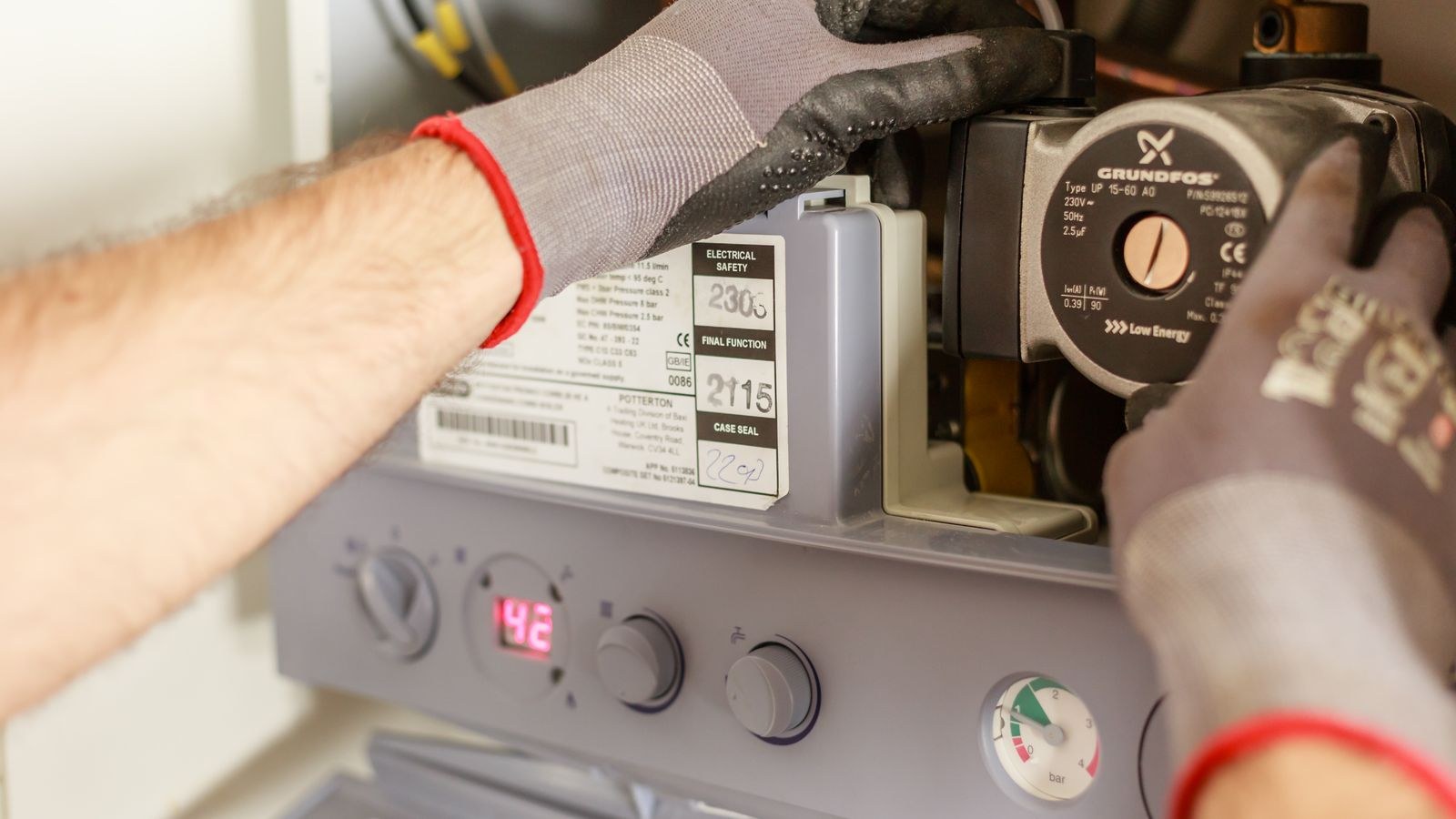
- Start with the furnace or boiler. Central heating is the single most common source. Fire it up alone, with no other appliance running, and watch the meter near the unit for ten to fifteen minutes. Look at the burner flame: a healthy gas flame is crisp and blue, while a lazy yellow or orange flame signals incomplete combustion. Inspect the heat exchanger area for rust flakes, soot streaks, or scorch marks around the burner compartment, all of which suggest a cracked exchanger that needs professional attention immediately.
- Check the flue and chimney draft. With the appliance running, hold a smoke pencil near the draft hood or barometric damper. Smoke should be pulled up and away. If it drifts back into the room, exhaust gas is spilling instead of venting. Common causes are a blocked chimney, a bird nest, a collapsed liner, or disconnected vent pipe sections.
- Test the water heater the same way. Turn the furnace off, run enough hot water to fire the heater, and repeat the flame check and draft test. Gas water heaters share flues with furnaces in many homes, so a problem here can present as a heating fault and vice versa. Soot on the top of the tank or a burnt smell near the draft diverter is a strong clue.
- Move to the kitchen range. Light one burner at a time and hold the meter about a foot above the flame. A well-tuned gas burner produces a small amount of carbon monoxide, but sustained readings that climb steadily mean the burner ports are dirty or the air shutter is misadjusted. Never use a gas oven or stovetop as a space heater; this is a classic cause of poisoning during power outages and cold snaps.
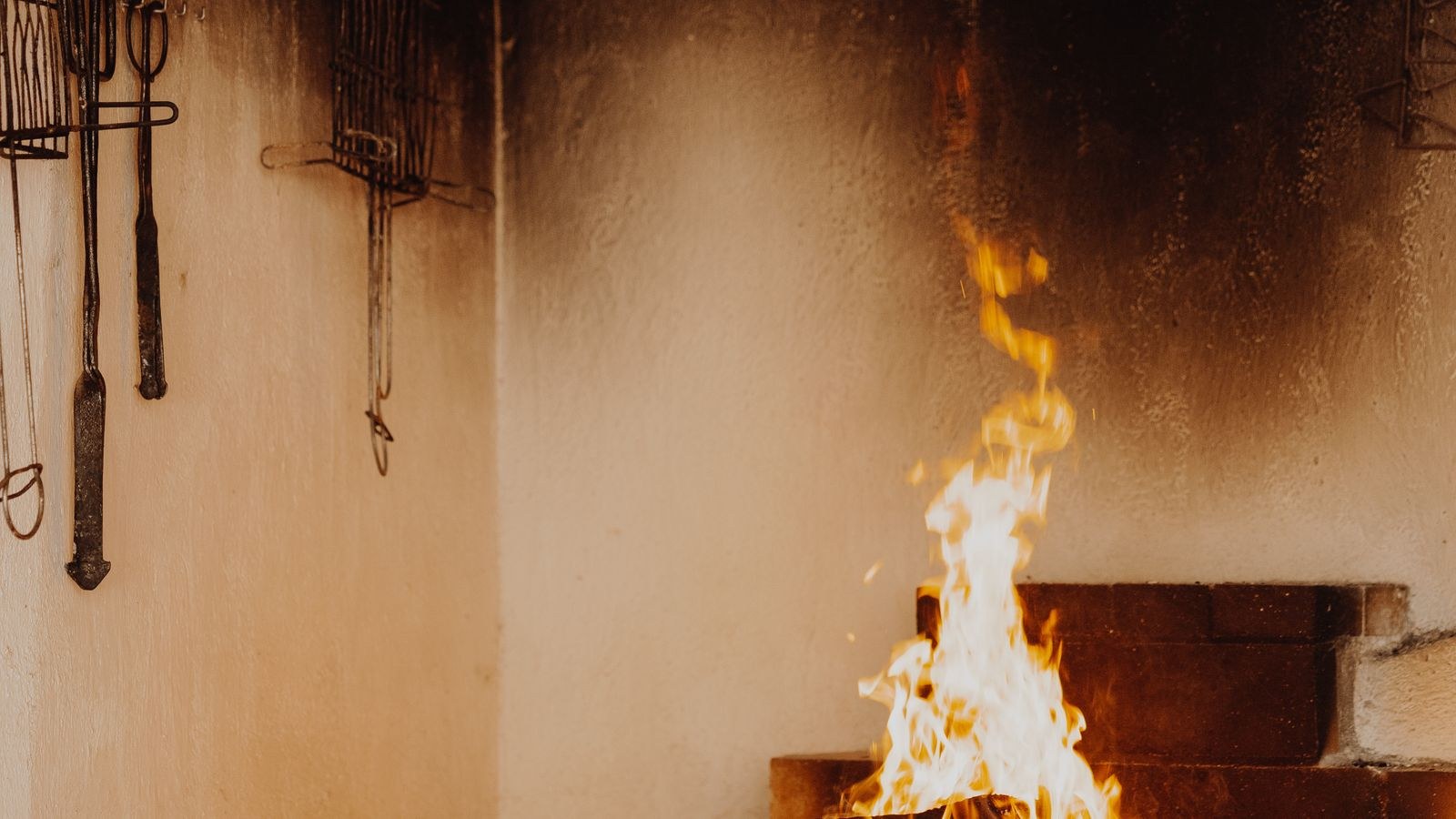
- Inspect fireplaces and wood or pellet stoves. Verify the damper opens fully and that nothing has fallen into the chimney. Burn a small test fire with the room sealed as it normally would be and watch both the meter and the smoke behavior at the firebox opening. Smoke rolling out into the room means the chimney is not drafting, and where smoke goes, carbon monoxide goes.
- Examine the attached garage. Even a short warm-up idle can push a large volume of exhaust into a garage, and that gas migrates through the shared wall and any door gaps into living space. Check whether a vehicle, generator, pressure washer, mower, or motorcycle was run there before the alarm. Remote-start systems are a particular hazard because the engine can run for many minutes with the garage door closed.
- Look for outside sources coming in. A neighbor’s generator, an idling car near a window well, or a vent buried in snow or leaves can all deliver gas from outdoors. Walk the perimeter and check every termination is clear and pointing away from windows and intakes.
- Recreate the conditions if nothing shows. Intermittent leaks usually depend on pressure. Close all windows, switch on the kitchen hood, bathroom fans, and clothes dryer at once, then run the furnace. This depressurizes the house and can pull exhaust backward down a flue, producing a leak that never appears during a calm daytime test.
Why Low-Level Leaks Are the Hardest to Find
Standard alarms are deliberately slow to react at low concentrations, because brief small exposures are common and constant alerts would train people to ignore the device. That means a chronic leak can run for weeks while causing headaches and fatigue without ever tripping an alarm.
This is exactly the scenario that low-level carbon monoxide detectors exist to catch, because they display and alert on concentrations well below the standard alarm threshold. Pairing one with a handheld unit from our roundup of portable carbon monoxide detectors gives you both a fixed reference point and something you can carry into the crawlspace or hold beside a burner.
Reading What the Numbers Mean
Levels that spike when a specific appliance fires and fall when it shuts off have effectively identified themselves. Levels that stay flat everywhere point to infiltration from outside or from an attached structure rather than an appliance inside the home.
Clues You Can See Without a Meter
- Yellow, orange, or flickering flames on an appliance that should burn blue.
- Soot, brown or black staining, or scorch marks around vents, burners, and draft hoods.
- Heavy condensation on windows near a fuel-burning appliance, especially in cold weather.
- Rust or water streaks on the vent pipe, chimney, or the top of a water heater tank.
- A pilot light that repeatedly blows out or refuses to stay lit.
- Loose, disconnected, or visibly corroded flue pipe joints.
- A stale, stuffy smell when heating runs, since exhaust carries other detectable gases alongside odorless carbon monoxide.
When to Stop and Call a Professional
Some findings end the do-it-yourself portion of this job immediately. Any evidence of a cracked heat exchanger, a collapsed or blocked chimney liner, a disconnected vent, or readings that climb rather than stabilize means you should shut the appliance off at its service valve and call a licensed heating technician or your gas utility. The same applies if you cannot find a source at all but alarms keep triggering, because a combustion analyzer in trained hands measures things no consumer tool can reach.
Common Mistakes During the Search
The first mistake is testing everything at once. If the furnace, water heater, and stove all run together, a positive reading tells you nothing about which one is at fault. Isolate ruthlessly, one appliance per test window, and give each several minutes to reach steady operation.
The second is assuming a single alarm event was a fluke because nothing turned up on a mild afternoon. Draft problems are weather driven. If the search comes up empty, log meter readings over a full week of varied weather instead of declaring the house clear.
The third is ignoring the alarm’s own placement. A unit tucked behind furniture, right beside a bathroom door, or within a few feet of a cooking appliance can either miss a real event or nuisance-trip on normal cooking. Reposition before concluding your hardware is faulty, and consider whether coverage across sleeping areas is adequate. Homes with several fuel appliances usually need more than one unit, which is why comparing the best CO alarms by placement type is worth doing once the immediate emergency is over.
Preventing the Next Leak
Once you have found and fixed the source, a short maintenance routine keeps it from recurring. Have every fuel-burning appliance inspected annually before the heating season, and have chimneys and flues swept on the same schedule. Clear exterior vent terminations of snow, leaves, and nests after every storm, and never run an engine, generator, or charcoal grill inside a garage or enclosed porch. Test every alarm monthly, replace batteries on a fixed date each year, and write the installation date on each unit so nobody has to guess when it expires.
Frequently Asked Questions
Can I find a carbon monoxide leak without any special equipment?
Sometimes, through visual clues like yellow flames, soot, or a flue that visibly spills smoke. But without a meter you are guessing, and low-level leaks give almost no visual signal. A basic digital meter is inexpensive and turns the search from guesswork into measurement.
My alarm went off once and never again. Should I still investigate?
Yes. Single events are frequently real and weather dependent. Verify the alarm’s age, then run the isolation tests above. If nothing appears, keep a monitoring meter in place through a spell of cold or windy weather before you dismiss it.
Where should I put a detector while I am still searching?
Put one near sleeping areas so nobody is exposed while asleep, and carry a portable unit with you during testing. Avoid mounting within a few feet of a burner, in a bathroom, or in dead-air corners, since those spots produce misleading readings in both directions.
Final Thoughts
Finding a carbon monoxide leak is a process of elimination, not a hunt for a smell or a stain. Ventilate, shut everything down, then bring appliances back one at a time while watching a meter, and the source will nearly always reveal itself within an afternoon. The cases that resist that approach are almost always pressure or weather driven, which means recreating the conditions matters more than looking harder. Fix what you find, book an annual inspection, and keep a properly placed, in-date alarm on every level of the home.